
Canadian Rosa Jackson arrived in Paris in 1995; 20 years ago she moved to Nice. Jackson has an illustrious CV. She was a translator at Le Cordon Bleu cooking school in Paris, worked at Agence France-Presse, wrote restaurant reviews for “Time Out Paris,” now runs tours for her company Edible Paris, and teaches hands-on cooking classes in Nice at her school, Les Petits Farcis.
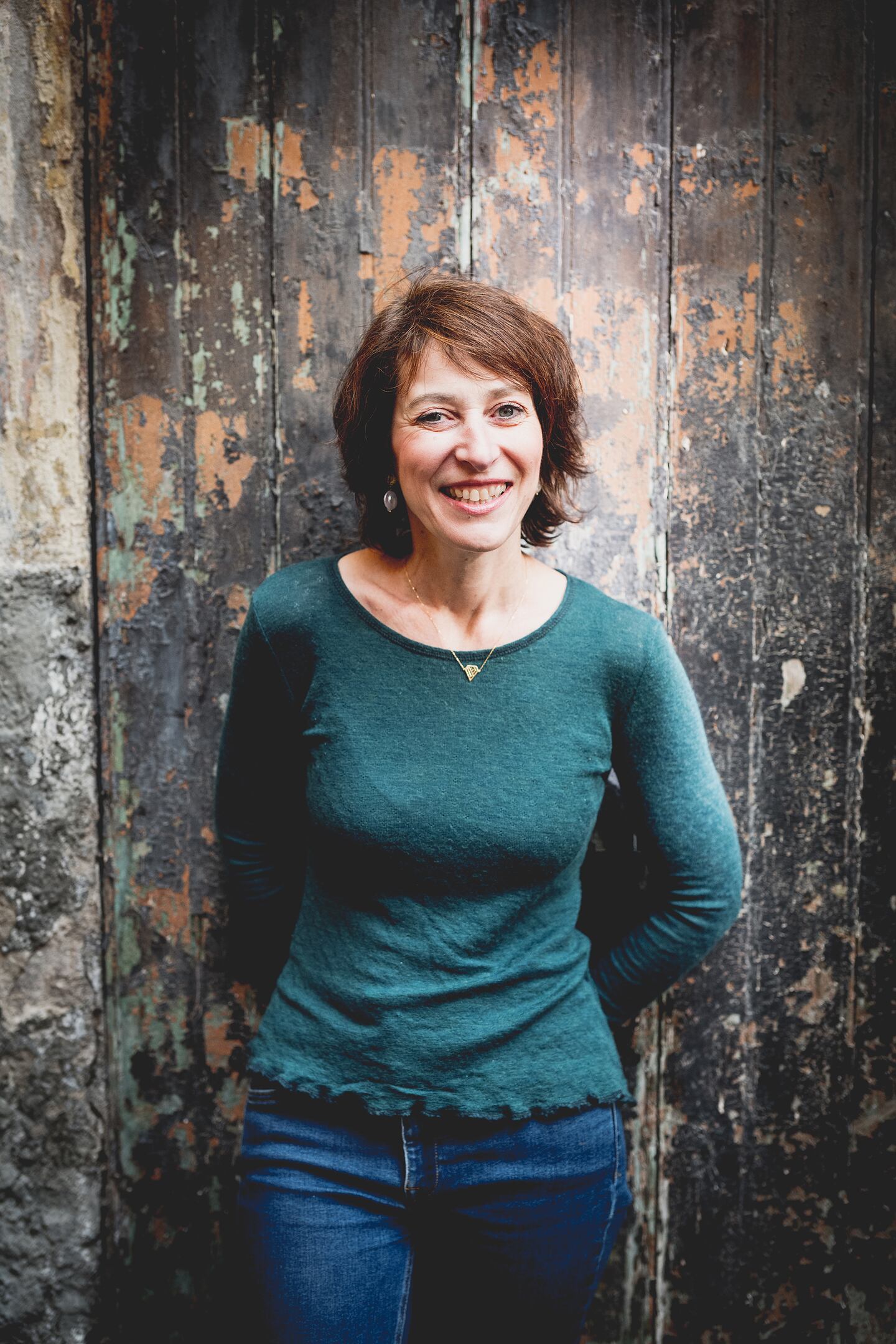 Rosa Jackson, author of “Nicoise: Market-Inspired Cooking from France’s Sunniest City”handout/Handout
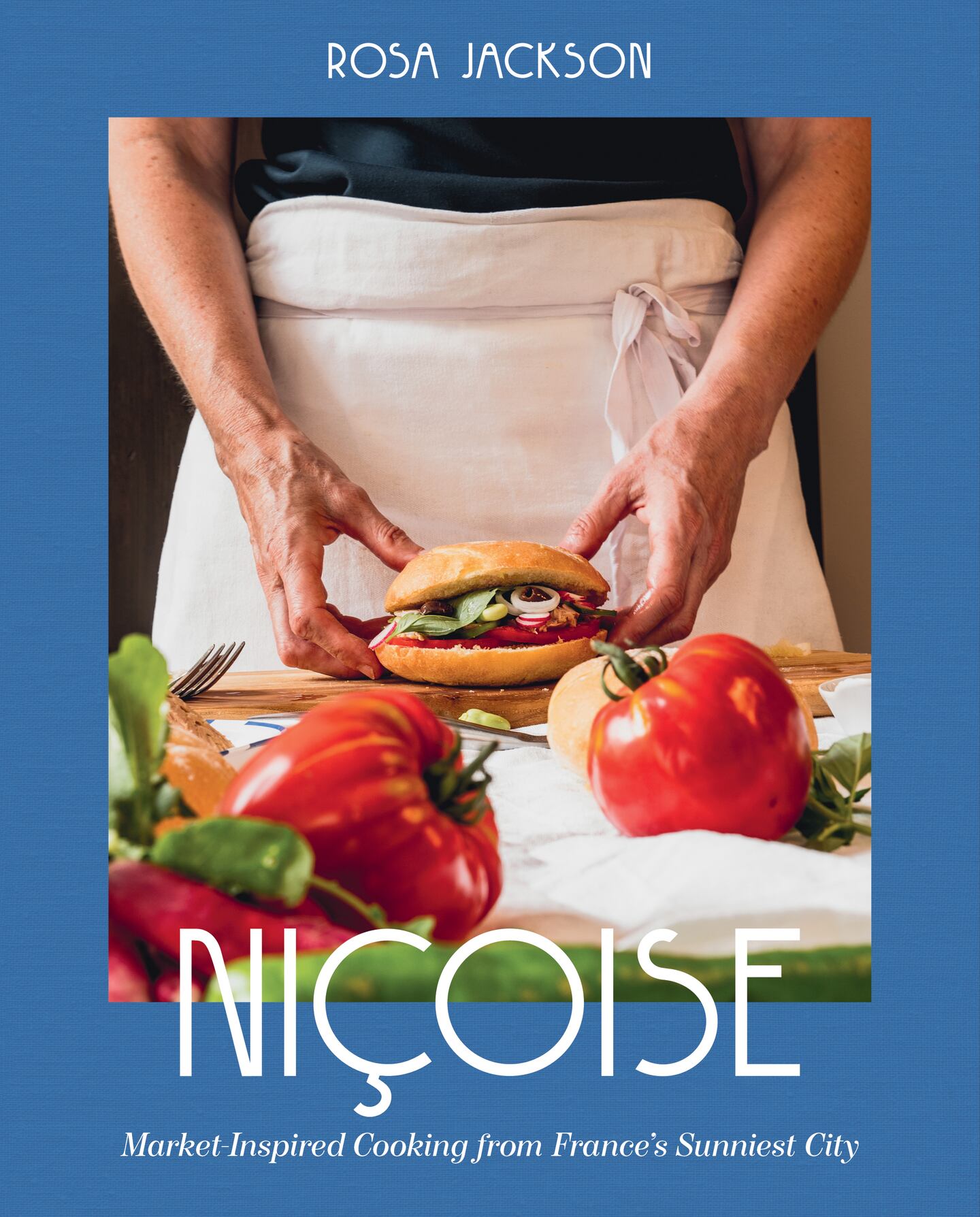 The cover of “Nicoise,” a cookbook by Rosa Jackson.handout/Handout
Her new book, “Nicoise: Market-Inspired Cooking from France’s Sunniest City” (W. W. Norton) with its light and appealing photographs, and knowledgeable voice, is a joy to browse through and cook from. This cuisine is especially dependent on the quality of the ingredients; begin with good materials and you’ll end up with a dish you love. Her very simple Clafoutis Limousin, originally from the region in central France known for its cherries, is popular in Nice when the fruits are in season (right now). Hers is baked in a pie pan with fresh cherries in a crepe batter, enhanced with the anise-flavored liqueur pastis.
An especially delicious-looking Pan Bagnat, a tuna sandwich with lots of olive oil, hard-cooked eggs, tomatoes, chile peppers, anchovies, and olives, graces the cover of “Nicoise.” Pan Bagnat is a little like Salade Nicoise tucked into bread.
Jackson’s Pissaladière, a caramelized onion tart garnished with anchovies and olives, was a joy to make (it’s a project that starts with an oil-based yeast dough), but it’s fabulous eating.
She loves Nice, which, she writes, Parisians consider “a giant retirement home.” She thinks there’s an unexplored cuisine in the mountainous villages, where French families rely on wild ingredients, including game, greens, and mushrooms.
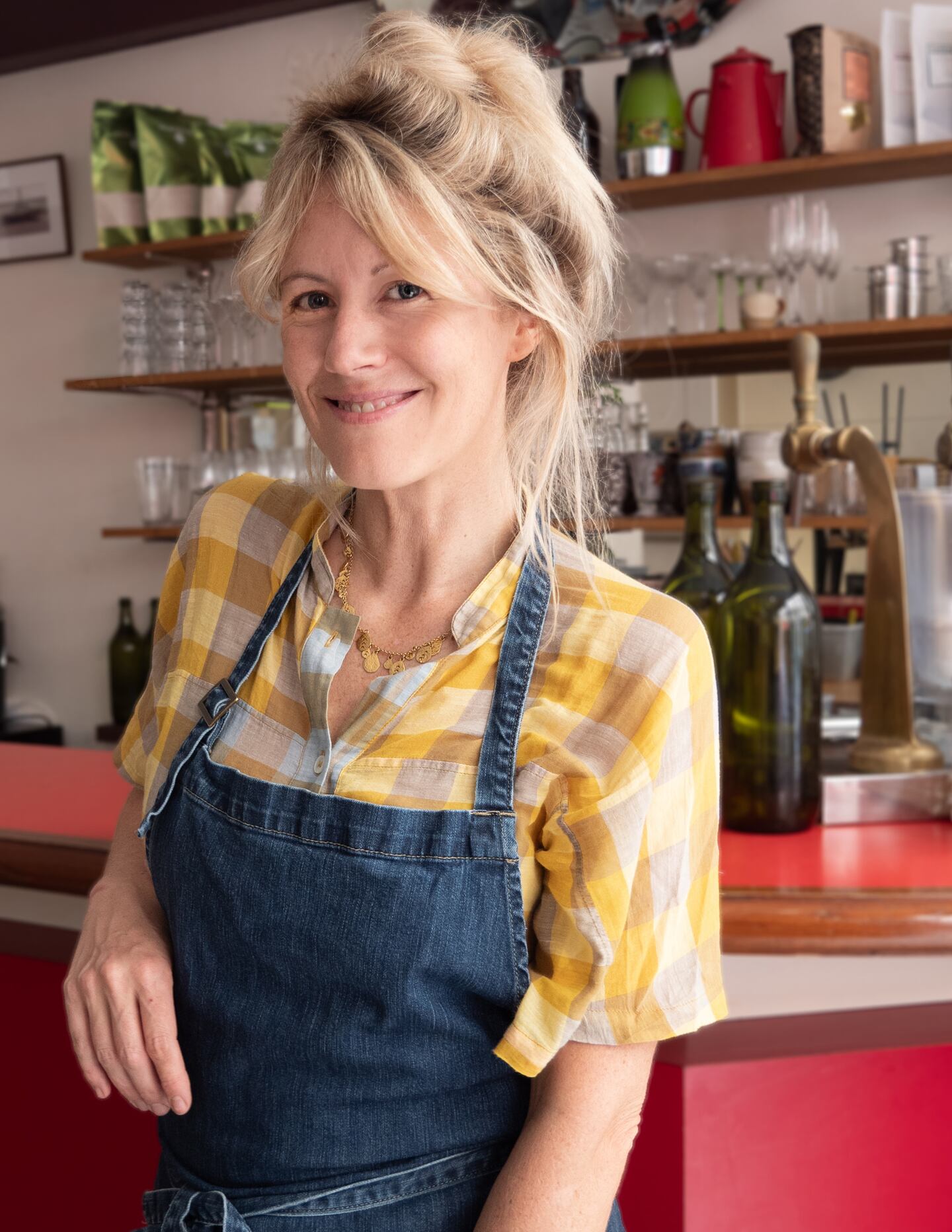 Carrie Solomon, author of “Bohème Cooking.”handout/Handout
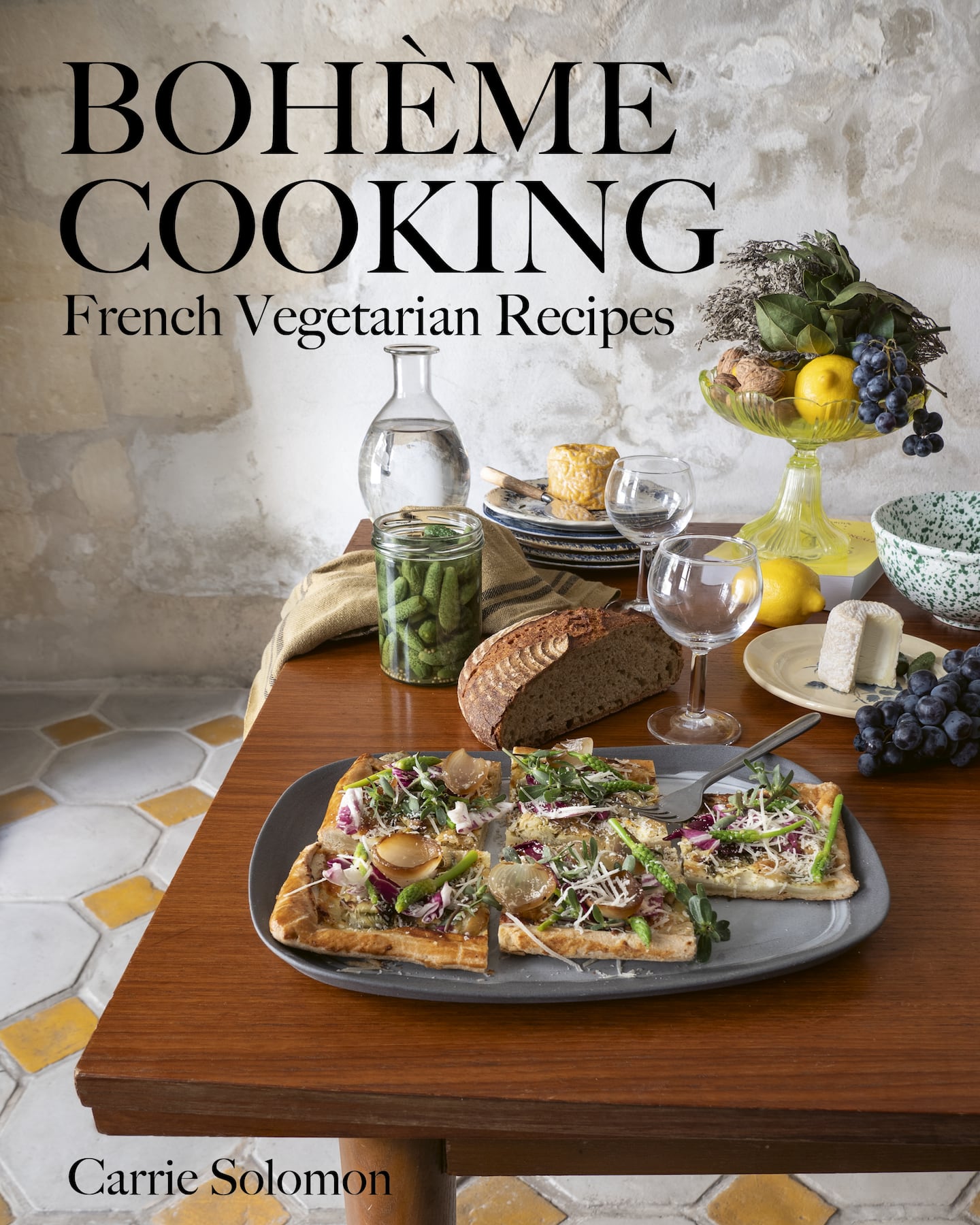 The cover of “Bohème Cooking.” handout/Handout
Carrie Solomon is an American cook who has lived in Paris for 20 years. The author of “Bohème Cooking: French Vegetarian Recipes” (Countryman Press), Solomon’s dishes will be offered at the Roland-Garros tennis venue (also the site of the French Open) during the Olympics.
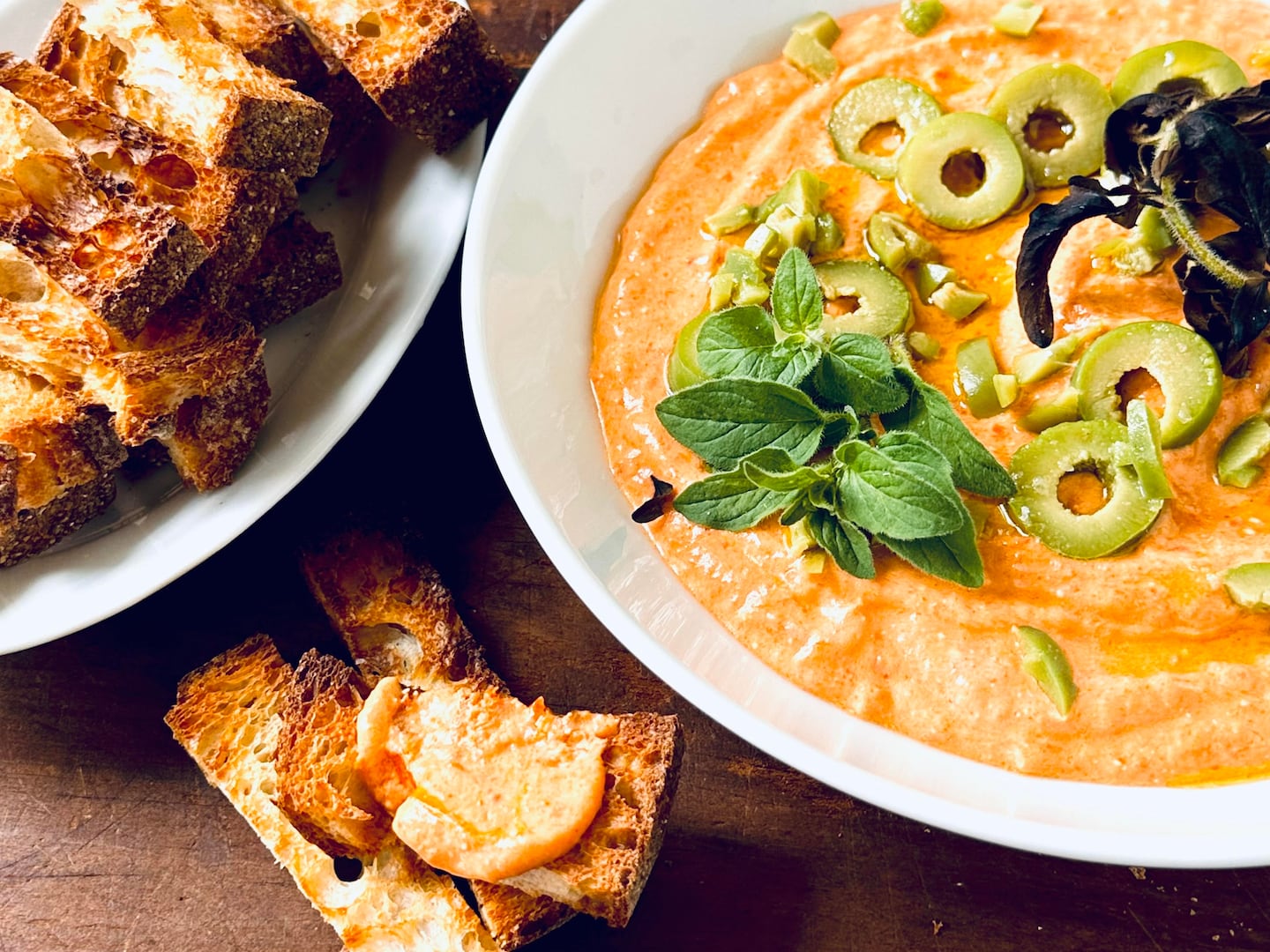
One dish is Red Pepper Tartinade — tartinade means spread — a puree of roasted red peppers, feta, yogurt, espelette (ground, mild Basque peppers), and smoked paprika. It’s superb, especially with her garnish of dry-toasted oregano sprigs and chopped olives.
“Bohème” offers Buckwheat Chips, which Solomon makes from buckwheat flour crepes and serves with the spread. Her Panisses, thick fries fashioned from chickpea flour and offered on the streets of Nice and elsewhere in the South of France, and Veggie Niçoise Salade with planks of zucchini, are also on her Olympics menu card.
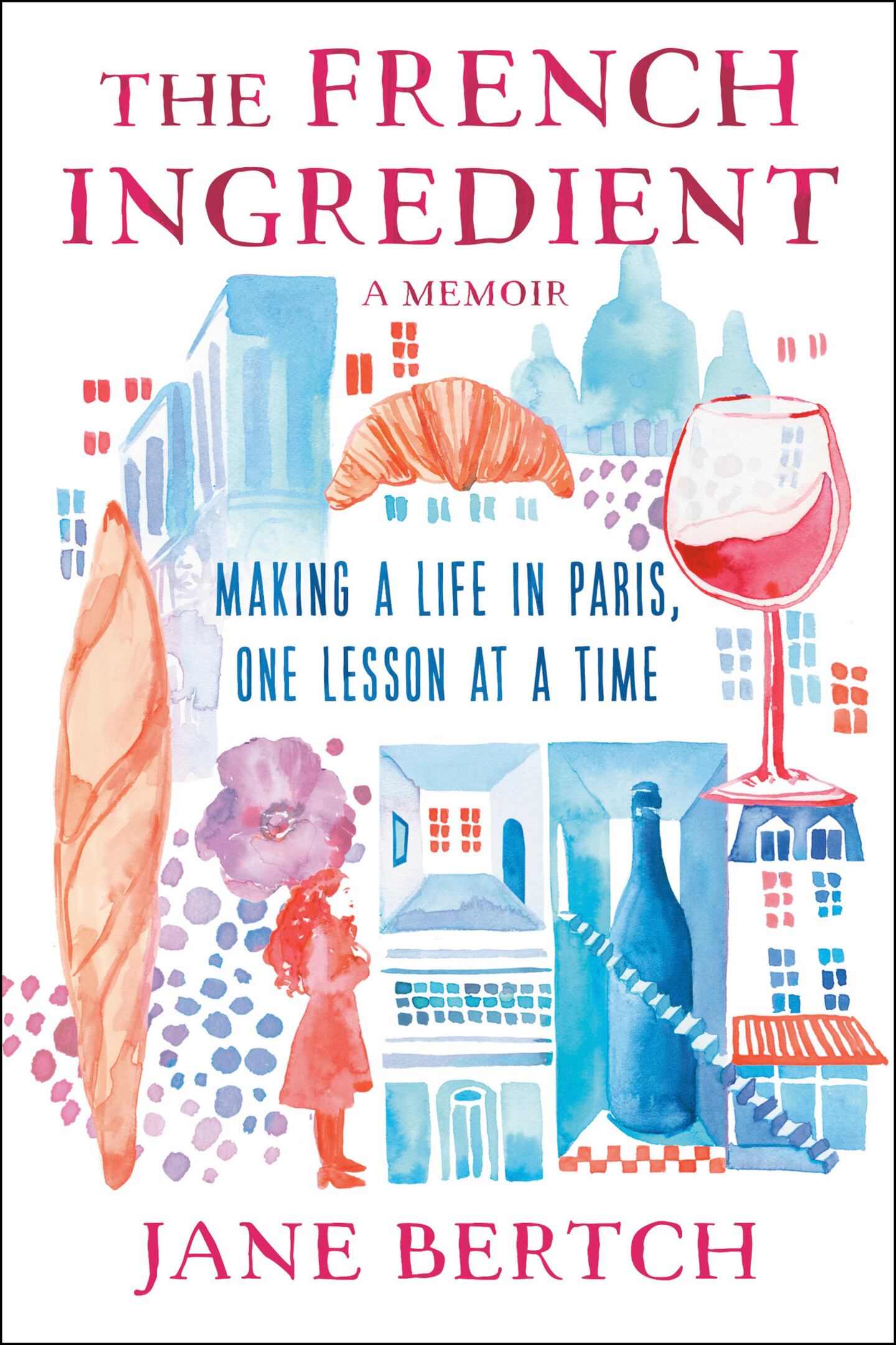 The cover of “The French Ingredient.”handout/Handout
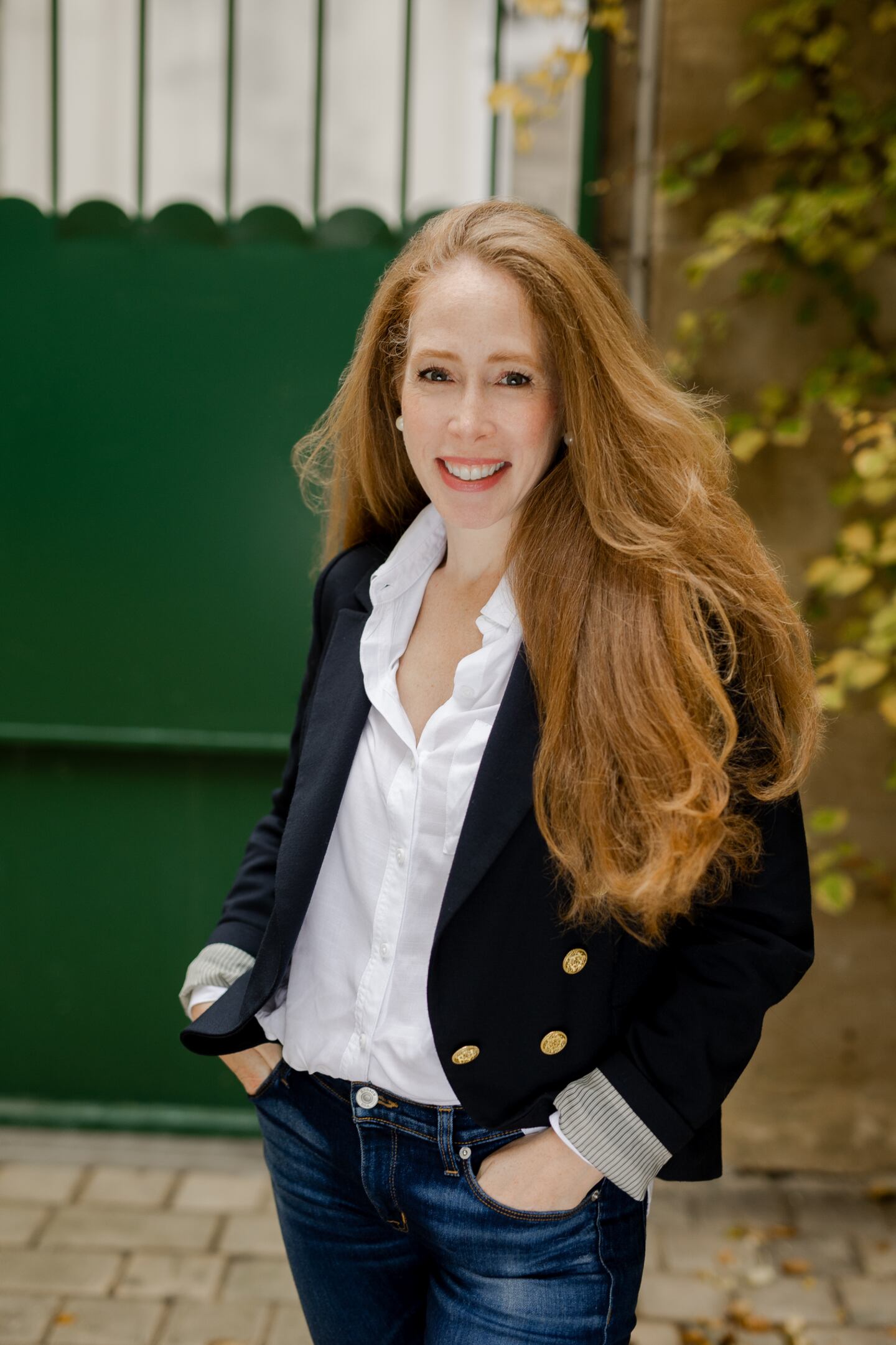 Jane Bertch, author of “The French Ingredient.”handout/Handout
There are no recipes in the witty memoir “The French Ingredient: Making a Life in Paris, One Lesson at a Time” (Ballantine Books). But there’s plenty of culture from the American author Jane Bertch, from how to make a French friend (don’t get too personal right away) to amusing slang (“métro, boulot, dodo,” which means commute, work, sleep, for those who live to work; and Système D, for débrouille, or show your resourcefulness and figure it out).
Bertch, raised in Chicago, was a banker, first in London, then Paris, and has been living abroad for over two decades. After several years at the banking job, and after winning over a hard-to-please boss, who taught her a lot about the culture and expectations, she left. She started La Cuisine Paris, a nonprofessional English-speaking cooking school now located on a quai along the Seine in the Marais. It’s been running in person, and now also on Zoom, for 15 years.
Many chapters end with an austuce (a trick to understanding your way around). One is advice about arriving for dinner at someone’s home: “The French adhere to what’s called quart d’heure de politesse, or ‘15 minutes of politeness,’ “ writes Bertch. “It is understood that you will not be on time, nor will your host be ready for you if you are.”
Here’s something Americans are not good at — always say “Bonjour” when you enter a shop or business. In France, she writes, you also say hello to the other people in a waiting room, then say nothing else.
“In what seems like a complete contradiction, if you share an elevator with someone — even if they’re so close they’re breathing on your glasses — it’s best to pretend like they’re not there.”
Sheryl Julian can be reached at sheryl.julian@globe.com.