
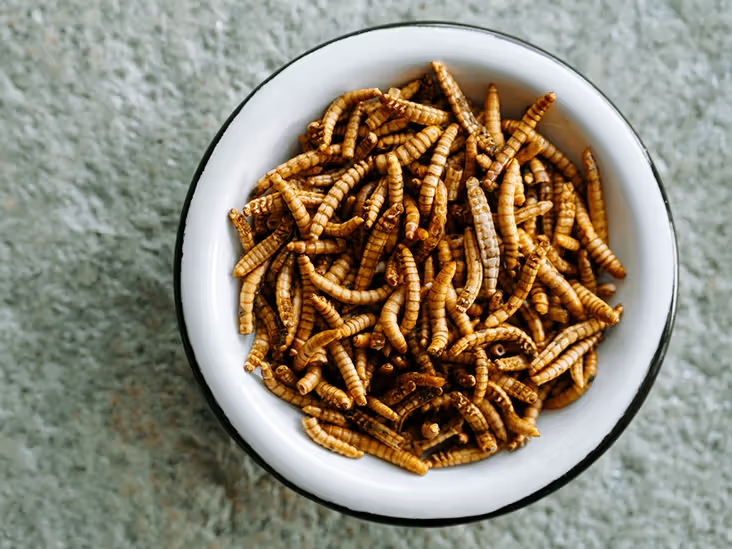
The EU approves the use of mealworm powder in foods such as bread and pasta, allowing a 4% inclusion. Commitment to sustainability.
The European Commission has approved the use of Mealworm powder treated with ultraviolet light as a food ingredient, a decision that will come into force on 20 January 2025. Manufacturers will be able to include up to 4% of this sustainable protein in products such as bread, cheese and pasta, as part of a broader EU strategy to reduce the environmental impact of the food system. Nutri’Earth, a French company, has obtained exclusive marketing authorization for five years, consolidating its leadership in sustainable food innovation. This change has generated both enthusiasm and controversy, with food safety and potential allergens as primary concerns.
Sustainable proteins: from insects to European plates
Growing pressure to reduce emissions from the food system has led the European Union to explore alternative sources of protein, and insects have emerged as a key option. With this latest approval, Mealworm powder treated with ultraviolet (UV) light It joins the list of insect-based foods already authorised by the EU, which includes other forms of Tenebrio molitor and the house cricket.
The European Food Safety Authority (EFSA) thoroughly evaluated this new ingredient to ensure that meets the European bloc’s strict food safety standards. The production process includes an initial heat treatment to eliminate possible pathogens, followed by exposure to UV light as an additional safety measure, and finally, the grinding of the insect into a fine powder suitable for human consumption.
The result is a product rich in protein, fiber, minerals and vitamins, which promises to become a key ingredient in the sustainable diet of the future.

Where can you find mealworm powder?
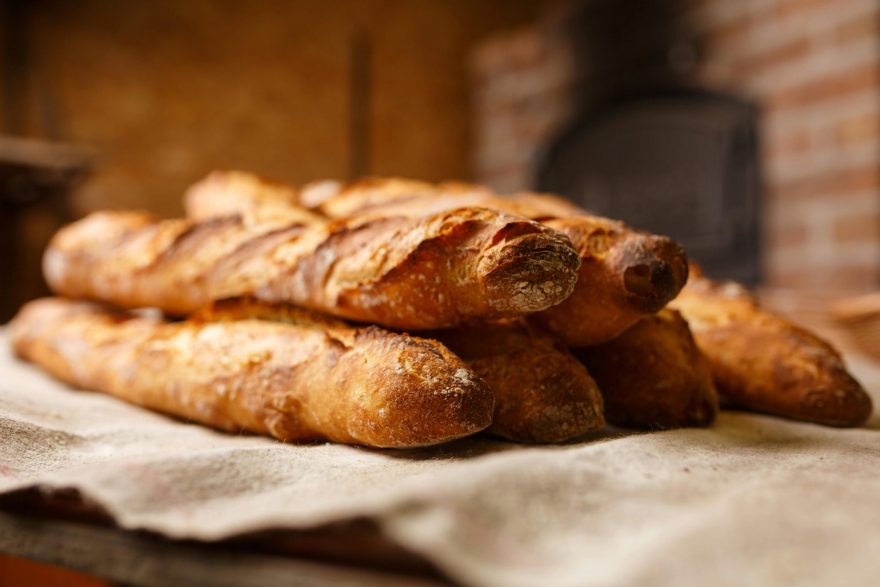
The European Commission’s authorization allows food manufacturers use up to 4% insect powder in a variety of products, including:
Bread and baked goods. Incorporating this protein improves the nutritional value and reduces the need for other, more polluting protein sources.
Processed cheeses. The powder can be added to enrich dairy products, especially in formats such as cream cheeses or spreads.
Folder. Consumers could soon see “sustainably protein-enriched” pasta options in supermarkets.
Food supplements. The versatility of insect powder allows its inclusion in products intended for sports nutrition and well-being.
These changes reflect the EU’s strategy to reduce meat consumption and promote a more environmentally friendly food system. However, some critics have pointed out that Social acceptance of insect-based foods remains a challenge, especially in countries where insects are not part of the culinary tradition.
Nutri’Earth: a temporary monopoly on the insect market
Nutri’Earth, a French company specializing in sustainable proteins, has been the first to receive authorization to market UV treated worm powder within the European Union, with a five-year exclusivity under Article 26 of Regulation (EU) 2015/2283.
This exclusive right is based on the protection of research data and scientific evidence provided by the company during the application process. However, other companies will be able to apply for their own authorisation if they can demonstrate compliance with the same safety and production standards.
Nutri’Earth has invested significantly in research and development to position itself as a benchmark in the alternative protein sector, and this authorization reinforces its leadership in a market that is expected to grow exponentially in the coming years.
Allergen warnings and safety precautions
Although mealworm powder offers significant nutritional benefits, is not without risks. European authorities have warned that People allergic to shellfish may experience cross-reactions, since insect proteins share structural similarities with those of crustaceans.

To protect consumers, the European Commission has implemented strict labeling and transparency measures, including:
Mandatory ingredient declaration. Manufacturers must clearly indicate on the packaging that the product contains mealworm powder.
Allergen warnings. Packaging must include a visible warning for consumers allergic to shellfish.
Standardized production parameters. Companies must comply with controlled processing procedures to ensure product safety.
Regular monitoring. Regulatory bodies will monitor compliance with standards and the quality of products on the market.
A sustainable revolution or a cultural challenge?
The EU’s decision to Bet on insect proteins is part of a global effort to mitigate the environmental impact of the food system. According to recent studies, Protein production from insects generates up to 90% less greenhouse gas emissions compared to beef and requires much less water and land.
However, Cultural acceptance remains a major hurdle. In countries like France or Italy, where gastronomy is part of the cultural heritage, Rejection of foods considered “unusual” can be strong. However, proponents of this initiative argue that Climate change and global food security demand bold solutions.
The future of sustainable food in Europe
The introduction of mealworm powder into basic products such as bread and pasta It is just the beginning of a broader transformation in the way Europe approaches food production and consumption.
With the food market increasingly focused on sustainability, companies leading the way in alternative protein innovation could benefit greatly. The question now is whether European consumers will be willing to accept these changes in their diets, or whether the path towards more sustainable food will face insurmountable cultural resistance.
Will maggot meal be the ingredient that marks the beginning of a new era in European food, or will it remain a niche solution? Time, and consumer appetite, will tell.