
Certain foods, such as caffeine or alcohol, have the potential to trigger AFib. A diet that promotes heart health may help manage and reduce the symptoms of this condition.
Atrial fibrillation (AFib) is a type of arrhythmia that affects the upper chambers of the heart. The electrical impulses that control these chambers fire in a disorganized way, leading to an irregular heartbeat.
AFib itself is not a life threatening condition. However, it can increase the risk of stroke, blood clots, and congestive heart failure. A suitable diet may also decrease the risk of developing other heart conditions alongside AFib.
This article explores foods to eat and avoid with AFib, and other potential tips for managing this condition.
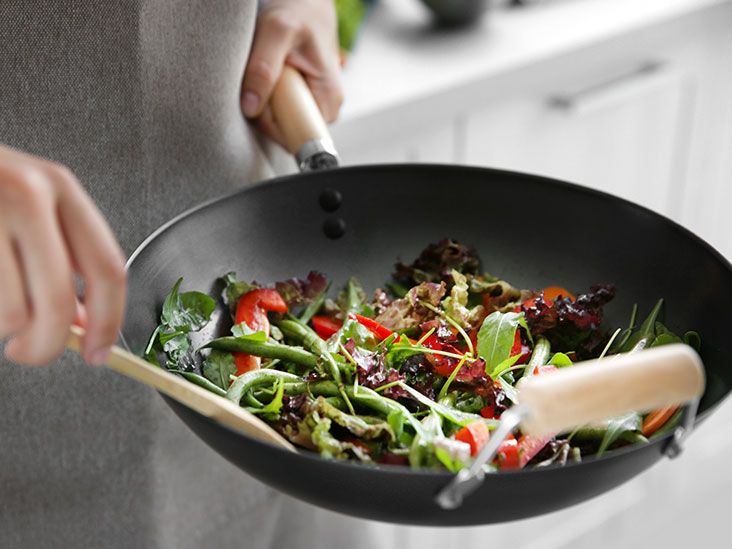
 Share on PinterestA diet rich in vegetables, whole grains, and legumes may help people reduce AFib episodes.
A 2024 article suggests plant-based diets and the Mediterranean diet contain components that research links to a lower risk of AFib, including fruits, whole grains, and healthy fats. However, further research is necessary to investigate the benefits.
Mediterranean diet benefits
The Mediterranean diet may also offer the following benefits:
Improving heart health: A 2019 study found that people who follow the Mediterranean diet have better overall heart health then those who do not.Platelet function: A 2021 randomized control trial suggests the Mediterranean diet maintains platelet count and may reduce platelet-related mortality in older adults at high risk of heart conditions.Lower blood pressure: The Mediterranean diet may help to lower blood pressure, particularly in people with overweight or obesity who have untreated hypertension. High blood pressure is a risk factor for AFib.Reduced risk of stroke: The Mediterranean diet may reduce the risk of someone having a stroke. Since AFib is the leading cardiac cause of stroke, this may benefit people with AFib.
Although diets like the Mediterranean diet may have a positive effect on AFib, people should speak with a healthcare professional, such as a registered dietitian, before changing their diet to manage this condition.
The AHA lists these foods to eat on the Mediterranean diet:
Meal plans
Mediterranean diet meals should consist of:
a good portion of vegetablesa source of proteina complex carbohydrateunsaturated fat, such as: olive oilavocado oilflaxseed oilhemp seed oil
If a person needs inspiration for potential meals under the Mediterranean diet, the AHA provides a wide range of recipe ideas.
Plant-based diets
If a person is vegetarian or vegan, they can follow a plant-based diet consisting of:
Foods to avoid may include those that directly trigger symptoms and raise the risk of AFib complications. Foods and drinks to avoid may include:
Caffeine and energy drinks
The AHA recommends that people avoid excessive amounts of caffeine to lower their risk of AFib. However, a 2019 study found that drinking 1–3 cups of coffee daily may reduce AFib risk in males.
If a person believes that caffeine could be a personal trigger, they may wish to avoid caffeinated foods and drinks, such as coffee and tea.
People with AFib can also speak with their doctor about the benefits and risks of reducing their caffeine intake.
Alcohol
The AHA also warns against drinking excessive amounts of alcohol with AFib.
A 2022 meta-analysis suggests alcohol may be a trigger for AFib. The authors suggest that any amount of alcohol may increase the risk of AFib in men, and over 1.4 drinks daily may increase the risk for women.
However, the authors highlight the need for further research into the cause of this gender difference, including whether alcohol type or frequency of consumption has an effect.
Red meat
Red meats such as beef or lamb tend to have higher amounts of saturated fat than white meat. The AHA recommends people with AFib consume a diet low in saturated fats.
Processed foods
Processed foods, such as ready meals, carbonated soft drinks, or hot dogs, tend to have large quantities of salt and preservatives. It may be best to limit the intake of these as they can adversely affect the heart.
Sugary foods and drinks
The British Heart Foundation recommends that people choose sugar-free snacks and swap snacks with added sugar with alternatives, such as:
fruitGreek yogurtnut buttercashew nutsalmonds
Controlling blood sugar levels is particularly important for people with diabetes since diabetes is a risk factor for AFib.
Salt
Someone may have more frequent AFib episodes if they consume food with large quantities of salt. Reducing salt intake may be a useful way to help reduce AFib.
There are several other ways a person with AFib can adjust their lifestyle to promote heart health.
Quit smoking
According to a 2018 article, people who smoke may be 2.1 times more likely to develop AFib. Quitting smoking or not starting smoking at all may significantly improve a person’s risk of getting AFib.
Manage sleep conditions
A 2019 systematic review concluded that getting less than six hours of sleep a night or over eight hours a night may increase the risk of AFib.
The management of sleep apnea and stress may help a person improve the quality of their sleep.
Improve relaxation
Stress and anxiety have a significant effect on AFib. A 2023 literature review suggests that stress or anxiety and AFib may have a bidirectional relationship, in which both can trigger the other.
The authors suggest that stress biomarkers, such as elevated cortisol levels, may play a role in AFib development. However, further research is necessary.
Regular relaxation and stress reduction through activities like yoga may help someone manage these emotions.
AFib causes an irregular heartbeat. Several risk factors, such as obesity, high blood pressure, and diabetes, make it more likely that a person will develop AFib.
A healthful, balanced diet can help reduce the risk factors that cause AFib and, in some cases, reduce its symptoms. The Mediterranean diet or a plant-based diet with plenty of fruits, vegetables, and unsaturated fats may be beneficial.
Other changes that may improve AFib include doing moderate exercise several times per week, getting high quality sleep, stopping smoking, and prioritizing time to relax and reduce stress.