
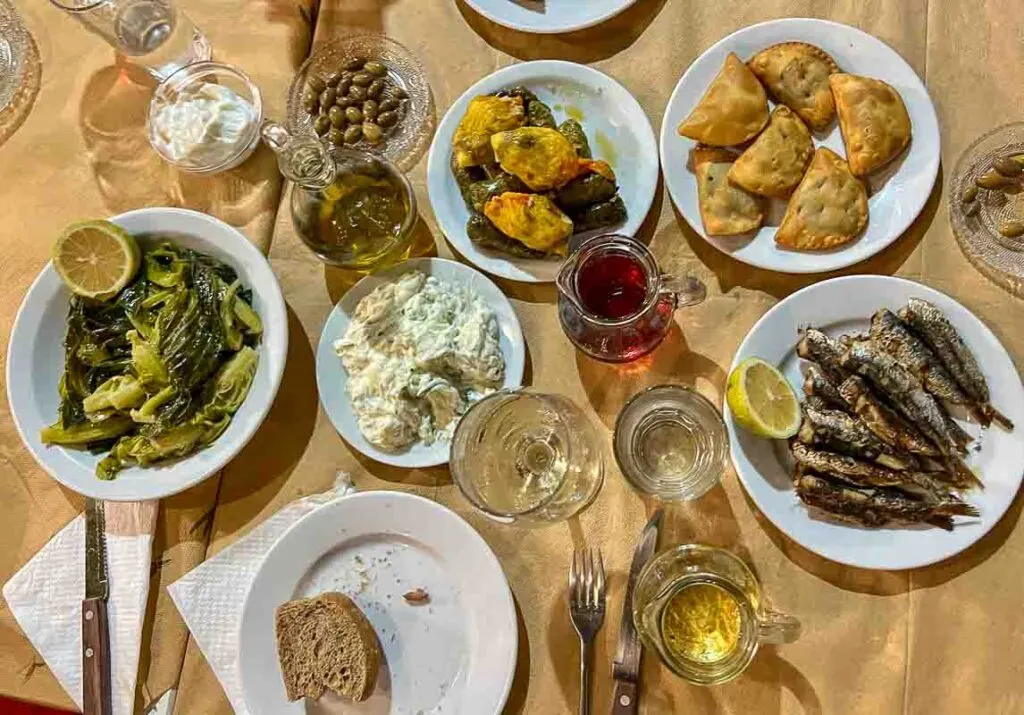
The International Institute of Gastronomy, Culture, Arts, and Tourism (IGCAT) has officially declared the Region of Crete as the European Region of Gastronomy for 2026, a prestigious title that affirms the island’s deep-rooted culinary heritage and its global influence as a model for healthy living and sustainable food culture.
Announced at a celebratory event in Heraklion, the distinction was received as a landmark recognition not just of Crete’s traditional cuisine, but also of its commitment to preserving and promoting a lifestyle that has long been linked to longevity and well-being. The decision followed detailed site visits and evaluations by European experts and highlights the collaborative efforts of regional stakeholders, spearheaded by the educational initiative Ploygos.
A Diet That’s More Than Food
Described by French scientist Serge Renaud in 1998 as irreplaceable — “Don’t look for a pill that can replace the Cretan diet. There is no such thing.” — the Cretan diet continues to impress the global scientific community. It is credited with contributing to some of the world’s lowest rates of chronic illness and mortality.
Its health benefits stem from a unique combination of biodiversity, traditional farming methods, endemic wild herbs, a temperate climate, and a deep-rooted cultural emphasis on simple, authentic ingredients. Religious fasting traditions, which reduce meat and dairy consumption throughout the year, have also helped shape the island’s dietary balance.
The Agricultural Soul of Crete
Crete’s fertile land produces a bounty of high-quality ingredients that form the backbone of its cuisine. Cretan olive oil and olives, symbols of the island’s culture for over 3,500 years, remain the cornerstone of both nutrition and local identity. Scientific studies consistently affirm the health benefits of raw olive oil consumption.
Equally revered are the island’s PDO-certified cheeses — such as Cretan gruyere, xynomizithra, and xygalo — made from sheep’s and goat’s milk using traditional methods passed down through generations. Herbs like dittany, mallow, and wild greens impart distinctive flavors to local dishes and are prized both in cuisine and folk medicine.
Cretan fruits, from Maleme oranges to Gerakario cherries and Arvi bananas, complete a rich agricultural mosaic, while meat from free-grazing lamb and goat fed on wild herbs remains a staple — often prepared “antikristo” style, roasted around an open fire.
The cuisine also features smoked meats such as apaki and syglina, thyme honey, and barley rusks, notably used in the classic dakos salad. Tsikoudia (raki), a Protected Geographical Indication (PGI) spirit, embodies the Cretan spirit of hospitality and togetherness.
Wine, Innovation, and Revival
Crete’s viticulture is experiencing a renaissance, with 13 PDO and PGI wine labels and rare indigenous varieties like Vidiano and Kotsifali gaining international recognition. Meanwhile, products such as snails, carob, and aloe are making a modern comeback, enriching the island’s culinary landscape with export-ready innovations.
While Crete is not historically known for seafood, today’s visitors will find exceptional fish taverns along the coast, offering yet another layer to the island’s evolving gastronomic identity.
A Destination for Food Lovers
Crete’s recognition as a leading gastronomic destination is already influencing tourism. Hotels and restaurants are increasingly incorporating local dishes into their offerings, creating authentic experiences for guests seeking more than just sun and sea.
The Cretan Gastronomy Center in Rethymno plays a vital role in connecting agriculture with tourism through education, recipes, and interactive experiences. From countryside taverns to visitable wineries, the island offers countless ways to immerse in the Cretan diet.
Sustainable practices such as green agriculture, certification schemes, and minimal chemical use further enhance Crete’s reputation as a source of clean, safe, and authentic food products.
To strengthen this brand, the Region of Crete has developed a suite of official labels — including CRETE, Cretan Cuisine Quality Label, Cretan Brunch, and Cretan Grocery Store — ensuring quality and consistency in local offerings.
Celebrating the Culture of Food
Cretan cuisine is more than a list of ingredients — it is a philosophy of life, passed from generation to generation, now blending traditional knowledge with modern creativity. It is food as culture, medicine, and memory.
Visitors can experience this rich culinary heritage through a vibrant calendar of food festivals and cultural events held throughout the year. Highlights include:
Festival of the Earth – People and Products (Chania)
Cretan Diet Festival (Rethymno)
Days of Cretan Gastronomy (Heraklion)
Cretan Street Cooking (Agios Nikolaos)
Wine Festivals (Chania and Heraklion)
These gatherings showcase local products, music, dance, and traditions — a journey to the heart of Crete’s authenticity and its celebrated way of life.
As the European Region of Gastronomy 2026, Crete stands ready to welcome the world — not just to taste its dishes, but to experience a cultural heritage that is as nourishing for the soul as it is for the body.
(Source: To Vima)