
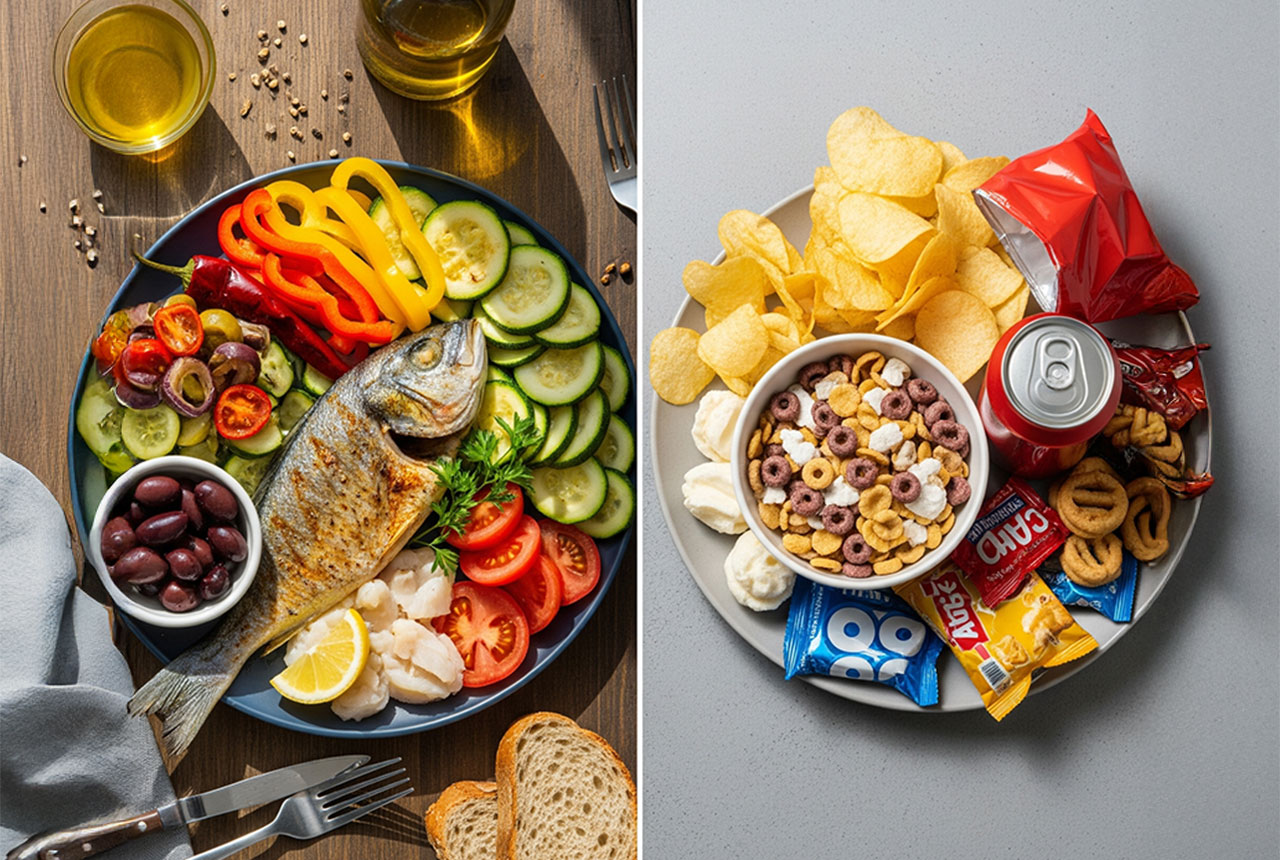
 Image used for representational purposes only
A growing body of research is pointing to the Mediterranean diet as a possible tool for managing symptoms of Attention Deficit/Hyperactivity Disorder (ADHD), according to a recent review led by the University of the Sunshine Coast.
The review takes a fresh look at global evidence linking nutrition with ADHD, suggesting that what people eat may play a much larger role than previously assumed. The researchers examined how different diets—ranging from highly processed to nutrient-rich—affect the gut, brain, and behaviour of those with ADHD.
Naomi Lewis, a psychology researcher involved in the review, said the findings highlight the importance of dietary patterns that encourage gut health. “We found strong evidence that diet and nutrition may be more important than we think when it comes to managing ADHD symptoms,” she said. The review links diets high in processed foods, sugar, and additives with increased gut inflammation, which may aggravate ADHD behaviours.
The Mediterranean diet, on the other hand, features wholegrains, vegetables, fruit, fish, and extra-virgin olive oil. According to the researchers, this way of eating supports a healthy gut microbiome, which in turn could have a positive effect on mental health and behaviour.
“When these microbes become imbalanced, it can affect our physical and mental wellbeing,” Lewis said. “This includes potentially making symptoms of ADHD worse. A high-fibre diet with healthy fats and antioxidants helps beneficial bacteria to thrive, whereas a diet full of sugar and saturated fats may fuel the harmful kind.”
Dr Anthony Villani, Senior Lecturer in Nutrition and Dietetics at UniSC, added that the Mediterranean diet hasn’t yet been widely studied in ADHD. “Most of the current research has focused on elimination diets or supplement interventions. The Mediterranean diet has been largely overlooked in this space, despite what we know from other health contexts.”
The review reinforces that children and adolescents with ADHD often follow diets that are low in essential nutrients. “Diets high in processed foods can be lacking in omega-3s, iron, zinc, magnesium, vitamin D and B vitamins,” Dr Villani said. “All of these are important for brain health.”
Dr Villani said that while medication remains the main treatment route for ADHD, it doesn’t always work well for everyone and can come with side effects. “The Mediterranean diet is not a replacement for clinical treatment, but it’s an option that could offer additional support. It’s affordable, widely accessible, and low-risk.”
He pointed to the anti-inflammatory qualities of the Mediterranean diet as a key feature. “By reducing inflammation and supporting gut health, it could have a beneficial impact on behaviour and attention. But we need more targeted clinical trials to properly assess how effective it is in this specific context.”
The researchers say their findings are not intended to prescribe diet as a cure, but to encourage a broader view of how food choices might support other treatment approaches. They are calling for more clinical studies to evaluate how the Mediterranean diet might fit into the broader management of ADHD.
As interest grows in the links between food, the gut, and the brain, this research adds another piece to the puzzle, suggesting diet may influence mental health in ways we’re only beginning to understand.
Support independent community journalism. Support The Indian Sun.

Follow The Indian Sun on X | Instagram | Facebook
🍏#Mediterranean #diet may help manage #ADHD symptoms by improving #guthealth, per UniSC research. 🧠High-fibre, anti-inflammatory foods could complement treatment. 🔍More clinical trials needed for confirmation. #TheIndianSun @usceduau
🔗 https://t.co/8pHA8bth90 pic.twitter.com/MJGSJBLq1h
— The Indian Sun (@The_Indian_Sun) July 8, 2025
Post Views: 106
Donate To The Indian Sun
Dear Reader,
The Indian Sun is an independent organisation committed to community journalism. We have, through the years, been able to reach a wide audience especially with the growth of social media, where we also have a strong presence. With platforms such as YouTube videos, we have been able to engage in different forms of storytelling. However, the past few years, like many media organisations around the world, it has not been an easy path. We have a greater challenge. We believe community journalism is very important for a multicultural country like Australia. We’re not able to do everything, but we aim for some of the most interesting stories and journalism of quality. We call upon readers like you to support us and make any contribution. Do make a DONATION NOW so we can continue with the volume and quality journalism that we are able to practice.
Thank you for your support.
Best wishes,
Team The Indian Sun
