
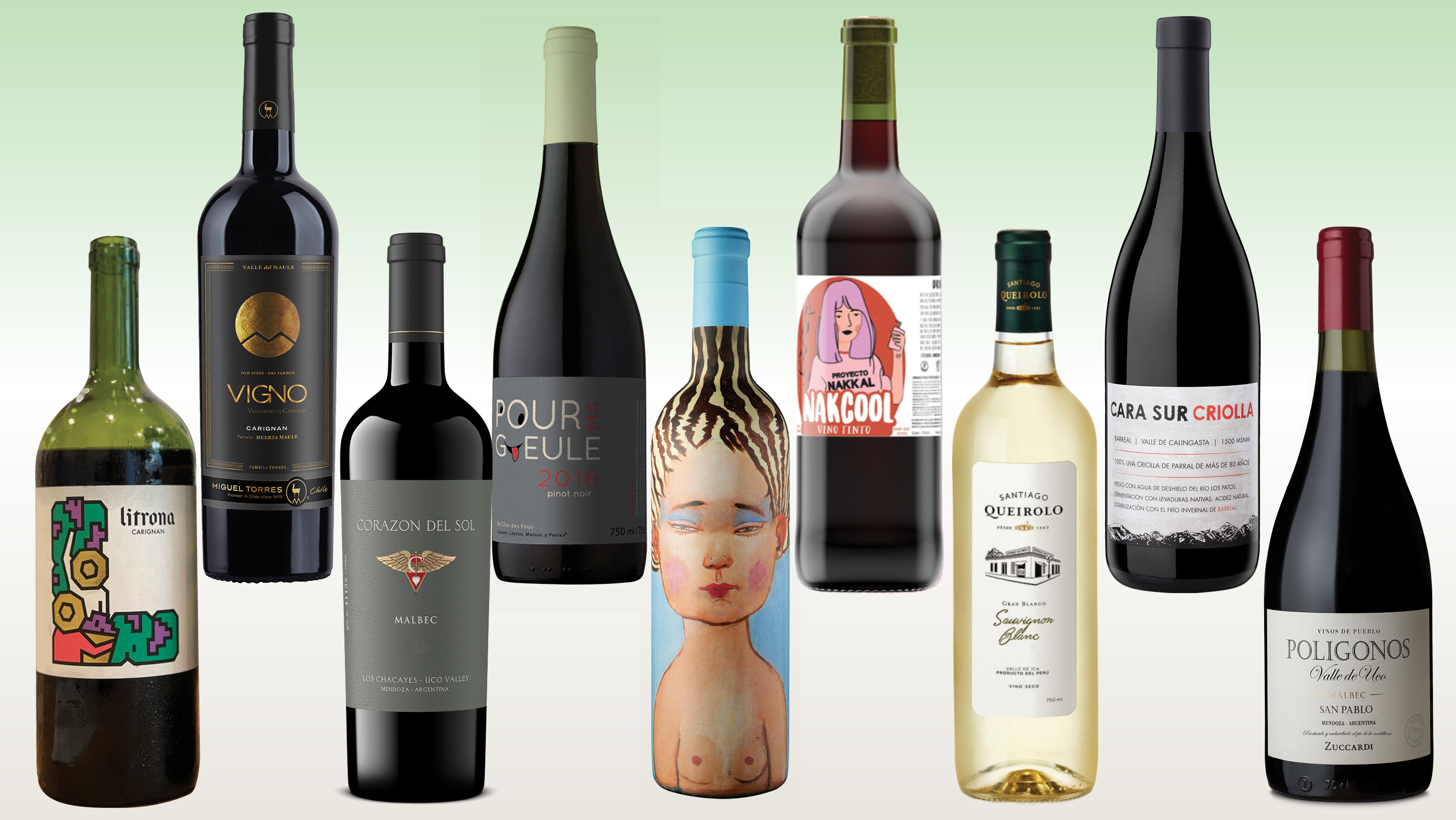
The world’s appetite for alcohol has waned in recent years, with U.S. consumers leading the pivot away from fine wine. But there are a few categories of wine that seem to be more immune to the downward trend than others. Take South American wine.
South America is home to long coastlines and soaring mountains, arid deserts and sprawling tropics. This extraordinarily diverse continent offers a range of terroirs and climates that make it one of the most exciting sources for wine in the world. And while countries in South America have been producing wine since the 1500s, it wasn’t until the 1990s that the top-producing countries began exporting wine to the U.S.
In recent years, U.S. consumers have scooped up South American wines with an eagerness that drastically outpaces their thirst for wine more broadly. In 2024, wine sales in the U.S. were down slightly more than seven percent in volume, according to SipSource data. But exports of wine from Argentina, Chile, and Uruguay to the U.S. increased by 13.7, 12.5, and 16 percent respectively.

Don’t miss the latest drinks industry news and insights. Sign up for our award-winning newsletters and get insider intel, resources, and trends delivered to your inbox every week.
Amid widespread palate fatigue, wines from Argentina, Chile, Uruguay, Peru, and Brazil—although they may be associated with one style or grape, as with Argentina’s powerhouse Malbec—offer so much more to buyers today, thanks to daring and progressive vintners who are embracing the full potential these diverse terroirs offer. From powerful Malbecs to light and bright Criollas, these are the South American wines that are intriguing wine professionals and resonating with their guests. (All wines are listed with suggested retail price per bottle.)
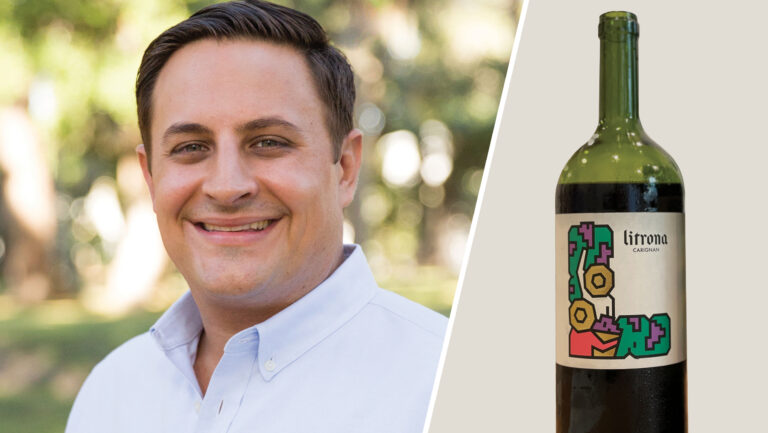 From left to right: Nate Siegel, the owner of Cheeky’s Fish & Raw Bar (photo by Darby Musha Photography); Villalobos Litrona Carignan (photo courtesy of Selections de la Vina).
Villalobos Litrona Carignan 2021, Colchagua Valley, Chile; $24 per one-liter bottle
Selected by Nate Siegel, owner, Cheeky’s Fish & Raw Bar, St. Petersburg, Florida
Most Carignan grows in southern France, where it serves as a blending grape. But old-vine expressions from Chile offer fruity food-friendliness that ticks all of the boxes at Cheeky’s Fish & Raw Bar.
“We love pouring this 100 percent Carignan by the glass,” says Nate Siegel, the restaurant’s owner. “The hand-harvested grapes, spontaneous fermentation with native yeast, the 80-year-old wild vines of Carignan on clay and quartz soils—it all adds up to a chillable, light, and bright red that is fresh and super joyful to drink.” It pairs with everything, he adds. “Don’t think, just drink!”
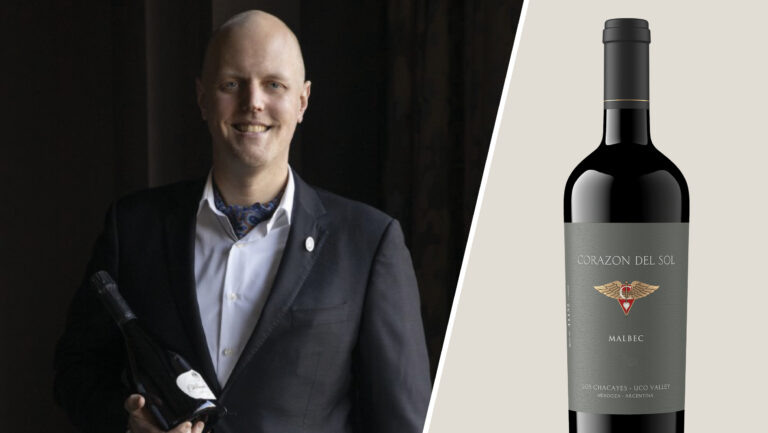 From left to right: Winn Roberton, the head sommelier of Bourbon Steak D.C. (photo courtesy of Winn Roberton); Corazón del Sol ‘Los Chacayes’ Malbec (photo courtesy of Revana Vineyards).
Corazón del Sol ‘Los Chacayes’ Malbec 2020, Uco Valley, Argentina; $28
Selected by Winn Roberton, head sommelier, Bourbon Steak D.C., Washington, D.C.
At steakhouses, Cabernet Sauvignon is often a go-to, but head sommelier Winn Roberton finds that diners at Bourbon Steak D.C. are embracing this Mendoza Malbec from Corazón del Sol.
“It can appeal for many reasons,” Roberton says. “On the palate, the wine showcases a ripe, luxurious fruit profile lifted with bright acidity and graceful tannins provided by the high-elevation vineyards of the Uco Valley. But what really stands out is the beautiful floral aromas.”
It’s a particularly good choice for tables that might be offering an array of dishes; Roberton calls it a “Goldilocks wine,” noting that it pairs just as well with steak as it does with tuna au poivre. “When a guest is looking for a great bottle under $100 on the wine list, this will certainly please the crowd,” he adds.
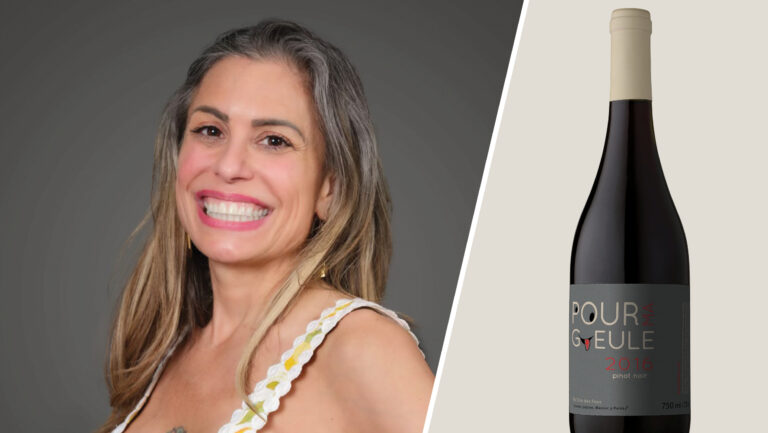 From left to right: Kat Thomas, the lead sommelier at Ada’s Wine Bar (photo courtesy of Ada’s Wine Bar); Clos des Fous ‘Pour Ma Gueule’ Pinot Noir (photo courtesy of Brazos Wine).
Clos des Fous ‘Pour Ma Gueule’ Pinot Noir 2023, Chile; $16
Selected by Kat Thomas, lead sommelier, Ada’s Wine Bar, Las Vegas
Kat Thomas, the lead sommelier at Ada’s Wine Bar in Las Vegas, appreciates the vision behind Chilean winery Clos des Fous (which translates to “madhouse”) as much as she loves the flavors and aromas in the glass.
“It’s a collaboration of geeked-out winemakers hunting extreme terroirs,” Thomas says. “They source from dry-farmed vineyards, use wild yeast, and their ‘why not’ attitude drives their small-lot wines.”
This cuvée blends a small portion of Cinsault with Pinot Noir, all vinified in concrete. “You find electric verve and juicy chaos in perfect balance,” says Thomas. “I love this one with pork belly and late night playlists.”
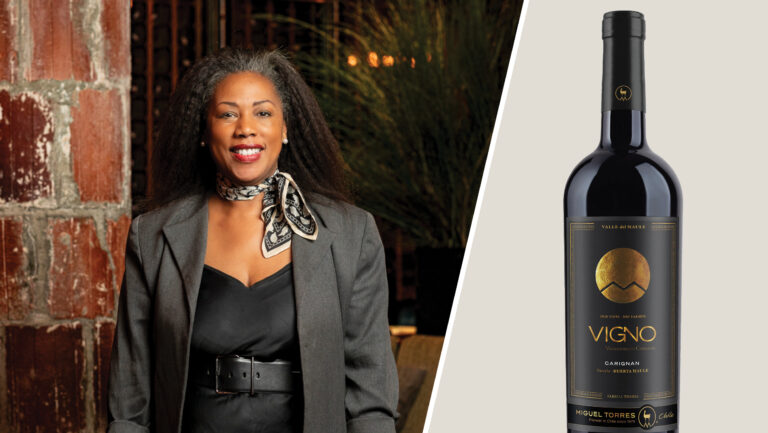 From left to right: Cheron Cowan, the beverage director of Craft (photo courtesy of Craft); Miguel Torres Cordillera de los Andes ‘Vigno’ Carignan (photo courtesy of Vineyard Brands).
Miguel Torres Cordillera de los Andes ‘Vigno’ Carignan 2018, Maule Valley, Chile; $21
Selected by Cheron Cowan, beverage director, Craft, New York City
Cheron Cowan has spent the last 20 years not just curating award-winning wine lists at restaurants like Craft, but also in connecting diners to new wines that will engage their senses, pair well with food, and excite their curiosity.
“This wine does that,” Cowan says. “It has big fruit and floral notes, with herbal components, and the French oak is so well integrated, it’s lush and amenable to a variety of palates. I love pairing it with duck breast or other rich meat dishes. And the price is so reasonable.”
Plus, it’s part of Miguel Torres’ broad push to revive Carignan by producing terroir-driven wines made from old-vine, dry-farmed grapes under the Vigno label—a fact that makes it an ideal vehicle for conversation with curious diners.
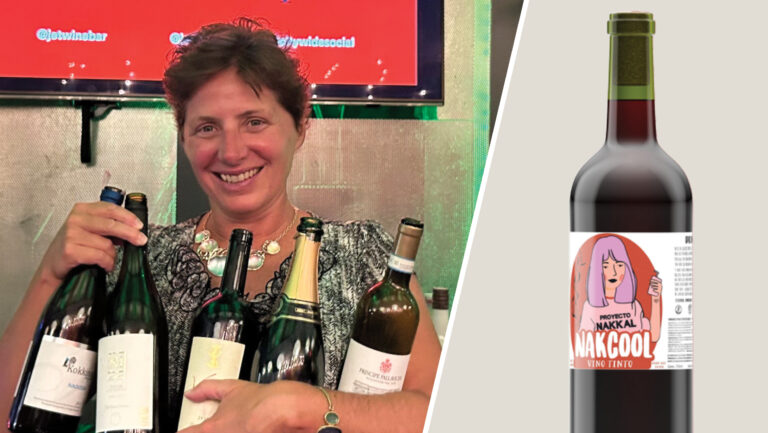 From left to right: Jill Weber, the founder and owner of Jet Wine Bar (photo courtesy of Jill Weber); Proyecto Nakkal ‘Nakcool’ Vino Tinto (photo courtesy of Selections de la Vina).
Proyecto Nakkal ‘Nakcool’ Vino Tinto 2024; Canelones, Uruguay; $15
Selected by Jill Weber, founder and owner, Jet Wine Bar, Philadelphia
Proyecto Nakkal, which started in 2020, makes this red wine in the Canelones region of Uruguay, about an hour north of the nation’s capital, Montevideo. Jill Weber, a professional archaeologist and restaurateur who owns and operates four restaurants, including Jet Wine Bar, says the unusual method in which it’s made sets the wine apart from its South American cohorts.
“The wine is a separate fermentation of Merlot and Muscat Ottonel, both of which are hand-harvested from organic, sustainably grown grapes,” Weber says. “The result is a lovely, well-balanced wine with bright berry and ripe plum notes, plus Muscat’s floral blossoms.”
Part of the Nat’Cool movement, which started in Portugal and aims to connect low-intervention producers around the world, the Nakcool sees no fining, filtration, or added sulfur dioxide. “I love the red and white grapes together,” says Weber. “The body is light, the flavors are juicy, and the feel is fresh.”
 From left to right: Joel Arias, the head sommelier and front of house manager of La Mar Cocina Peruana (photo courtesy of La Mar); Santiago Queirolo ‘Intipalka’ Sauvignon Blanc (photo courtesy of Santiago Queirolo).
Santiago Queirolo ‘Intipalka’ Sauvignon Blanc 2023, Ica Valley, Peru; $16
Selected by Joel Arias, head sommelier and front of house manager, La Mar Cocina Peruana, San Francisco
“We have several outstanding wines from South America on our extensive wine list at La Mar Cocina Peruana,” says Joel Arias, the restaurant’s head sommelier. “However, I especially enjoy introducing our guests to a standout Peruvian wine to pair with our cuisine: this Intipalka by the Queirolo family.”
The Queirolo family has been established in the Ica Valley, south of Lima, since the 1800s, and has pioneered both winemaking and Pisco production in the region.
“In Peru, we tend to drink wines with a touch of sweetness made from the Criolla grape,” Arias explains. “The family started planting Bordeaux grape varieties, and the Sauvignon Blanc is thriving. This one is tropical with aromas of passionfruit, kiwi, and hints of bell peppers. The mouthfeel has a great freshness and all these aromatics come back to the palate as well but add a kiss of salinity with high acid in the end.”
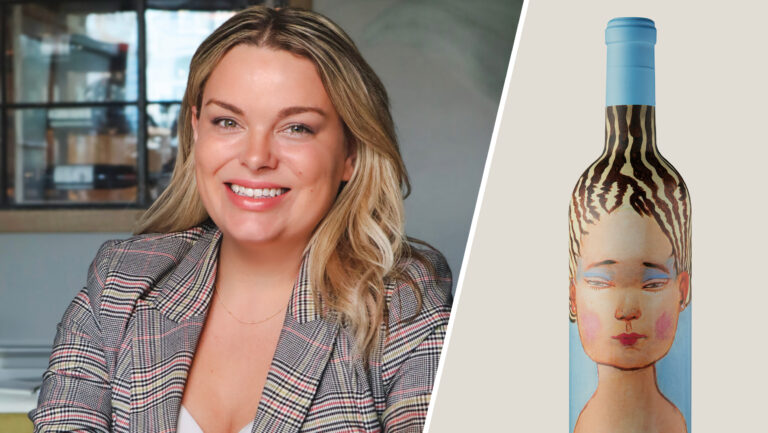 From left to right: Gracie Barwick, the wine director and lead sommelier of Lazy Betty (photo by Colette Collins); Vik ‘La Piu Belle’ Red Blend (photo courtesy of Vik).
Vik ‘La Piu Belle’ Red Blend 2021, Cachapoal Valley, Chile; $100
Selected by Gracie Barwick, wine director and lead sommelier, Lazy Betty, Atlanta
Gracie Barwick, the wine director and lead sommelier at the Michelin-starred Lazy Betty, says this blend of Carménère, Cabernet Sauvignon, and Cabernet Franc embodies the restaurant’s approach to modern, intentional food and drink pairings.
“We feature Vik for our beef pairing on the chef’s menu’s final savory course,” Barwick says, nodding to the Stone Axe Wagyu beef with porcini dish. “I love that they use clay from their vineyard and make them into clay pots, which they use to age the wine. Plus, they grow organically and biodynamically, and both the food and the wine are the best of the best in this course.”
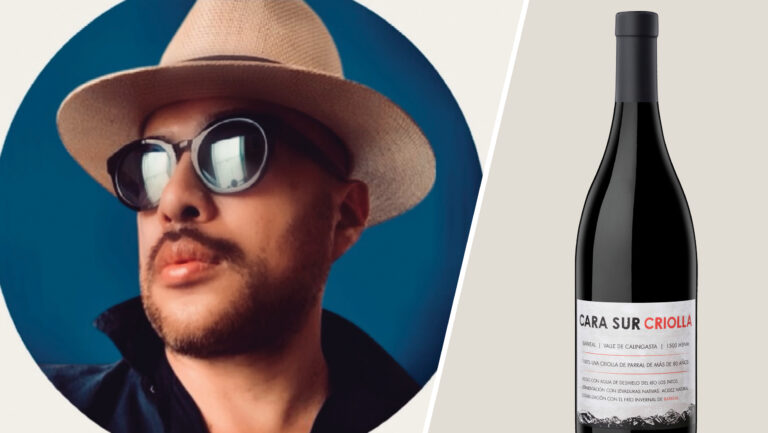 From left to right: Oscar Garcia Moncada, the wine and spirits buyer of 67 Wine and Spirits (photo courtesy of 67 Wine and Spirits); Cara Sur Criolla Chica (photo courtesy of Brazos Imports).
Cara Sur Criolla Chica 2022; Valle de Calingasta, Argentina, $28
Selected by Oscar Garcia Moncada, wine and spirits buyer, 67 Wine and Spirits, New York City
Criolla is not a single grape variety; it’s a handful of both red and white Vitis vinifera first brought to South America by the Spanish in the 1500s. One of those Criolla grapes—known under the names Listán Prieto, País, Mission, and Criolla Chica—is garnering new attention thanks to its light and bright attributes.
The Cara Sur Criolla Chica comes from the Valle de Calingasta in San Juan, where high elevation creates an extreme diurnal temperature, imbuing the wines with unusual freshness and brightness, says Oscar Garcia Moncada, the wine and spirits buyer at 67 Wine and Spirits in New York City.
“The Cara Sur Criolla has been a total hit with our customers looking for a lighter, fresher, and more ethereal option from Argentina,” he explains. “It has an almost weightless texture, and that, with the fruit purity and acidity, combines to give the wine drinker a celestial experience.” The wine is made from 80-year-old Criolla Chica vines, which adds extra dimension and complexity.
 From left to right: William Mellon, the general manager and proprietor of manna (photo courtesy of William Mellon); Zuccardi ‘Polígonos San Pablo’ Malbec (photo courtesy of Winesellers, Ltd.).
Zuccardi ‘Polígonos San Pablo’ Malbec 2021; Uco Valley, Argentina; $27
Selected by William Mellon, general manager and proprietor, manna, Wilmington, North Carolina
“I always blind-taste wines when I’m tasting with my vendors,” says William Mellon, the general manager and proprietor of manna in downtown Wilmington, North Carolina. “This was the first wine from Zuccardi that sort of stopped me in my tracks. The wine is so elegant it threw me for a loop. I thought, ‘this is quality Burgundy.’ I would have never thought it was a Malbec, because it was integrated, balanced, and the tannins were very sexy and refined.”
Zuccardi’s ‘Polígnos San Pablo’ Malbec, which aims to spotlight the terroir of the Uco Valley’s San Pablo subregion, reset Mellon’s perspective on the potential of Argentinian wine, he notes.
“It was the total package, and when I finally visited, I understood how they did it,” Mellon says. “The proximity to the mountains, the altitude, the beautiful diversity of soils, and the harsh desert climate. The wine is an amazing value and sophisticated enough to highlight any meal.”

Dispatch
Sign up for our award-winning newsletter
Don’t miss the latest drinks industry news and insights—delivered to your inbox every week.
Kathleen Willcox is a journalist who writes about food, wine, beer, and popular culture; her work has appeared in VinePair, Edible Capital District, Bust magazine, and Gastronomica, and on United Stations Radio Networks, among other venues. She recently coauthored, with Tessa Edick, “Hudson Valley Wine: A History of Taste & Terroir.” She lives in Saratoga Springs, New York.
Dining and Cooking