
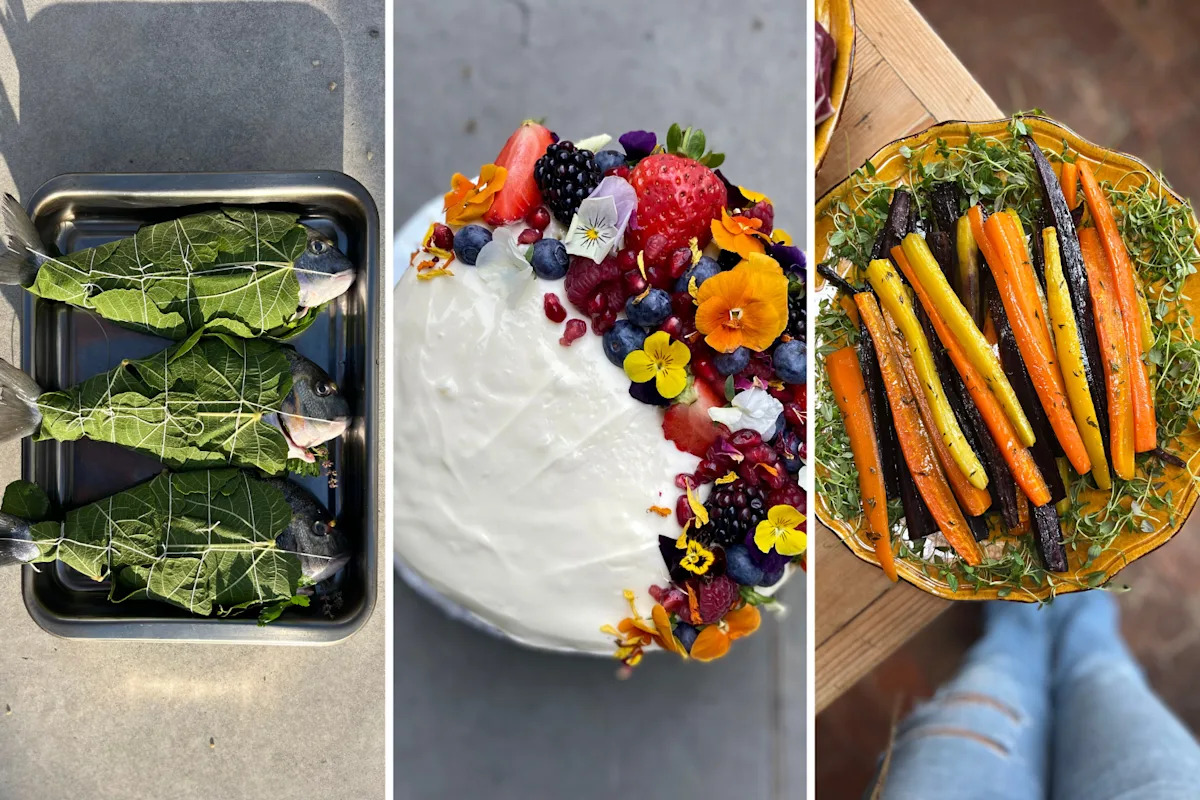
Home-cooked food is increasingly becoming a priority in British households, as we search for ways to eat healthier food and save money.
Awareness of the health risks linked to eating ultra-processed foods is continuing to rise, encouraging more people to head into the kitchen to cook from scratch with whole ingredients and fresh produce.
But cooking vegetables can sometimes be an uninspiring and overwhelming task. London-based private chef Atlanta Thompson was first faced with the dilemma of how to get her family to eat more vegetables when she began cooking for them during the COVID lockdowns of 2020.
“I started growing my own vegetables and fell in love with it, I was very interested in the provenance of food and knowing where my food comes from,” Thompson tells Yahoo UK. “But when you start growing your own vegetables, you tend to end up with a glut, which is too many of one thing.
“So I became obsessed with getting as many vegetables into my food as humanly possible without my brother and sister turning up their noses.”
Since then, Thompson has cooked for everyone, from family and friends to film producers and actors, learning everything she can about nutrition and how to get more plants onto their plates – sometimes without them even realising.
Here are her top six tips on how to add more fruits and vegetables into your diet.
1. The box grater is your friend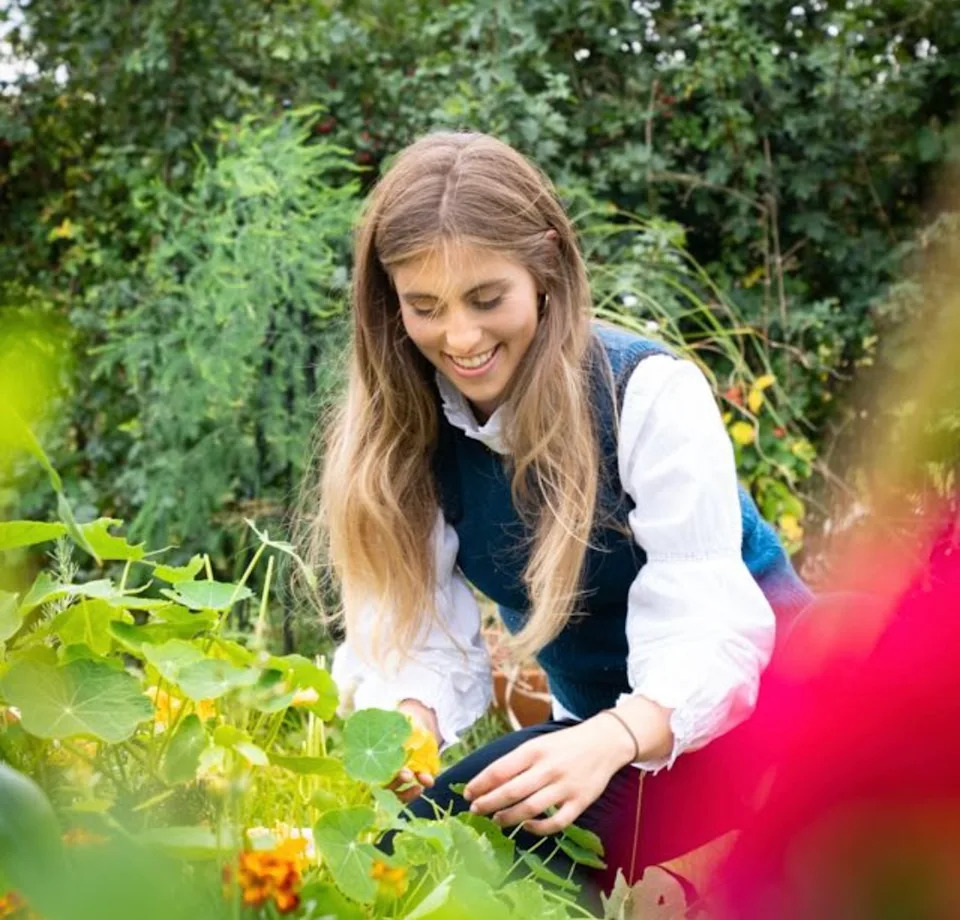
Thompson started cooking for her family after growing her own fruits and vegetables on their farm in Oxfordshire. (Atlanta Thompson)
Thompson comes from a family of cow farmers, so eating meat is a big part of their everyday diets. However, when she began cooking for them with produce from her vegetable garden, she found the perfect way to sneak more plants into their meals.
“It’s amazing what you can do with a box grater,” she says. “Just grate lots of vegetables – courgettes, carrots, celeriac, anything – into pasta sauces and stews, and they will almost just melt away and seamlessly become part of the dish.”
2. Aim for a rainbow on your plate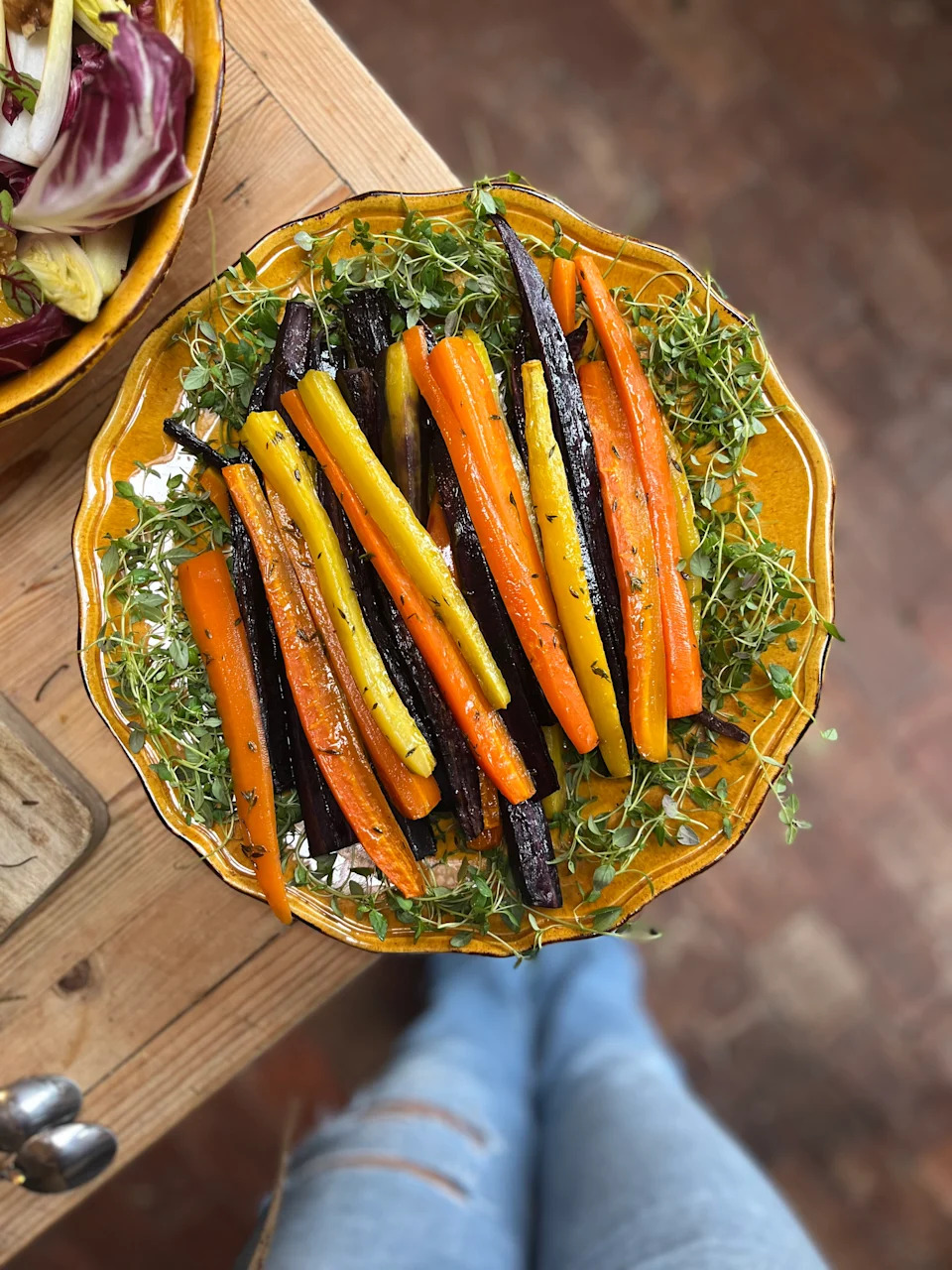
Using a variety of colours from each vegetable, as well as heirloom varieties, brings interesting colours, textures and tastes to each dish. (Atlanta Thompson)
When Thompson is developing a menu, her priorities are variety and colour.
“I look for a range of colours in the fruits and vegetables I choose, because different colours have different nutrients,” she explains.
“For example, if you’ve got green, red, yellow and orange tomatoes, each of them has a different set of nutrients despite all of them being a tomato.”
She also makes sure to look for heirloom varieties of vegetables, such as heirloom tomatoes, carrots or beetroots, because they provide more diversity in colours and flavours.
Thompson prefers using a wide assortment of colourful vegetables, because “not only do they look nice on a plate, but I know that my client or myself is getting a broader range of nutrients from eating orange, purple and white carrots as opposed to just eating orange carrots”.
3. Get creative with salads and slaws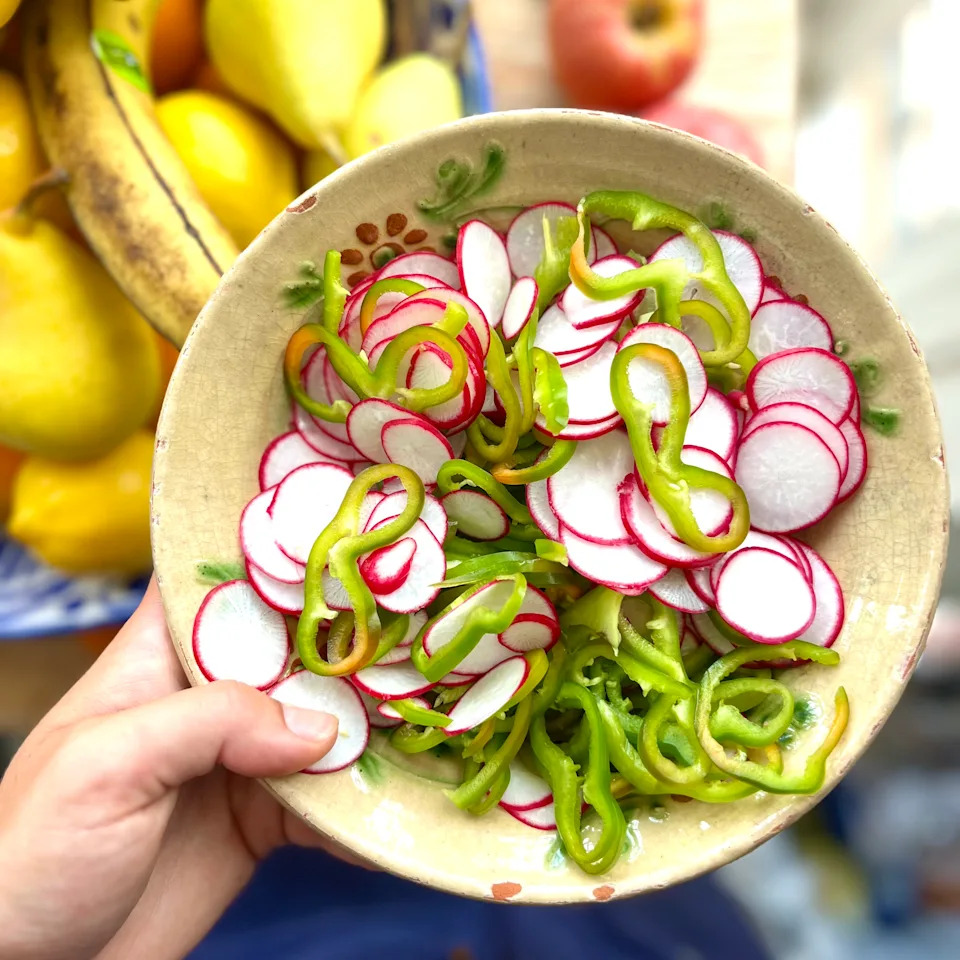
Thompson says she tries to use a rainbow of vegetables in her cooking, as different colours have different nutritional properties. (Atlanta Thompson)
Salads are always a popular request, and Thompson credits celebrity chef, restaurateur and author Yotam Ottolenghi for showing Brits that there are endless ways to make salads exciting.
“Lots of my clients ask for Ottolenghi-style salads, we really have him to thank for the love of salads taking over the food industry,” she says. “He has really revolutionised people’s view on salads for the better.”
She is also a fan of making slaws, to ensure there are lots of raw vegetables on the menu. These can be mixed with cooked vegetables to make it more texturally interesting.
“For example, today I made a slaw with edamame beans, tenderstem broccoli and shaved green cabbage. I think the balance of raw and cooked vegetables is another really good way of getting lots of nutrients into my clients’ bodies.”
4. Experiment with different cooking methods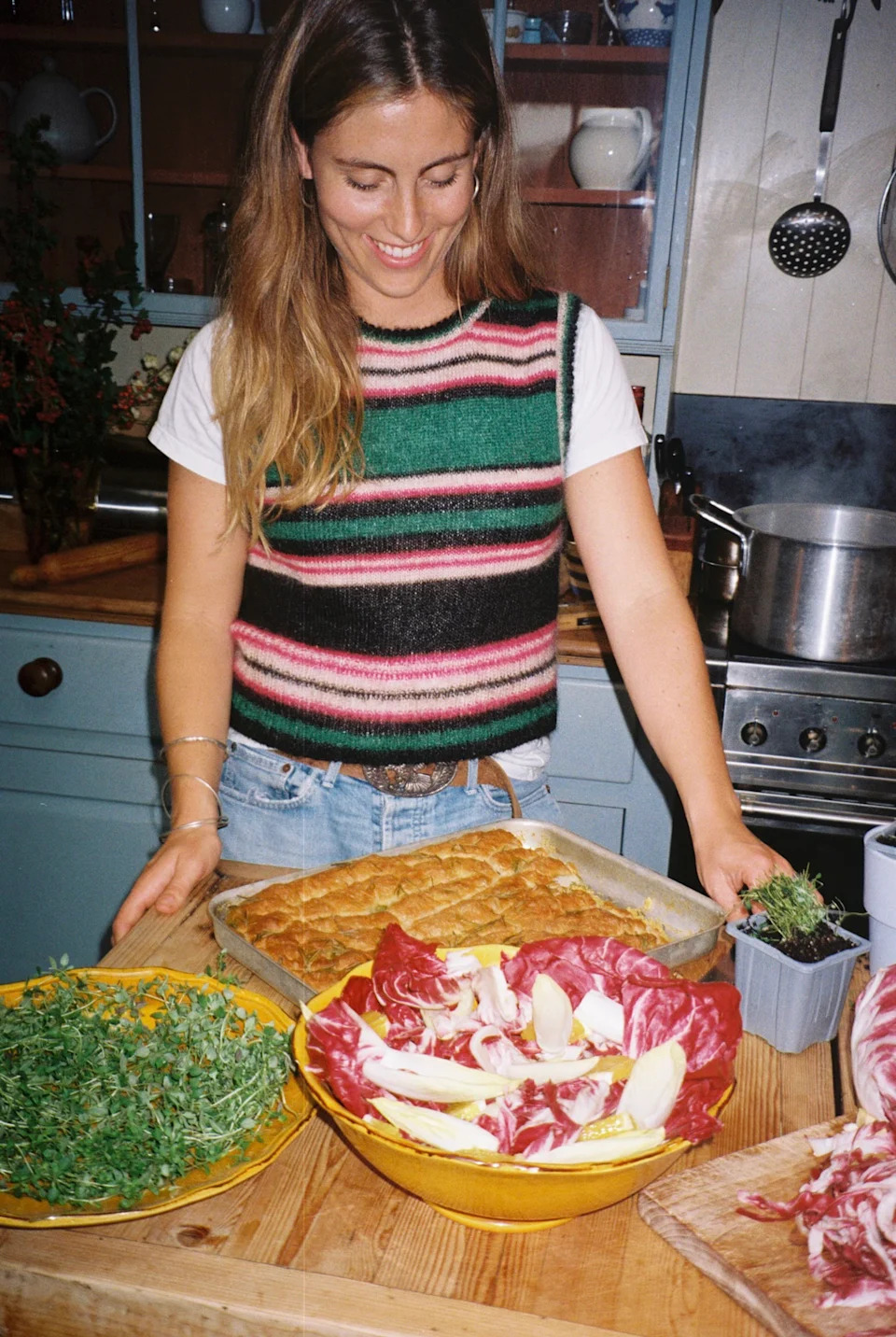
Salads are a highly popular request and Thompson says she often gets asked to make ‘Ottolenghi-style’ dishes. (Atlanta Thompson)
Britons have a notoriously bad reputation when it comes to cooking vegetables, but Thompson encourages home cooks to try new cooking methods to get the most out of produce.
When it comes to her own clients, nutrition is part of the conversation, but they also like that she can show them other ways to cook vegetables that they may not have known before.
“I think people enjoy that I can show them how to cook, for example, a cabbage in five different ways and make it really delicious,” she says.
“It doesn’t just have to be boiled or braised in loads of butter; you can actually have it raw or grilled, or having a really nice sauce on it makes a huge difference.”
The chef, who is often hired to cook for people on holiday, continues, “Every person I cook for says they want to eat really healthy food, they don’t want to come away from their holiday 10 stone heavier, but they also want to feel good about it and maybe learn some new ways of cooking that they wouldn’t have thought of before.”
5. Give beans a break and try other plant proteins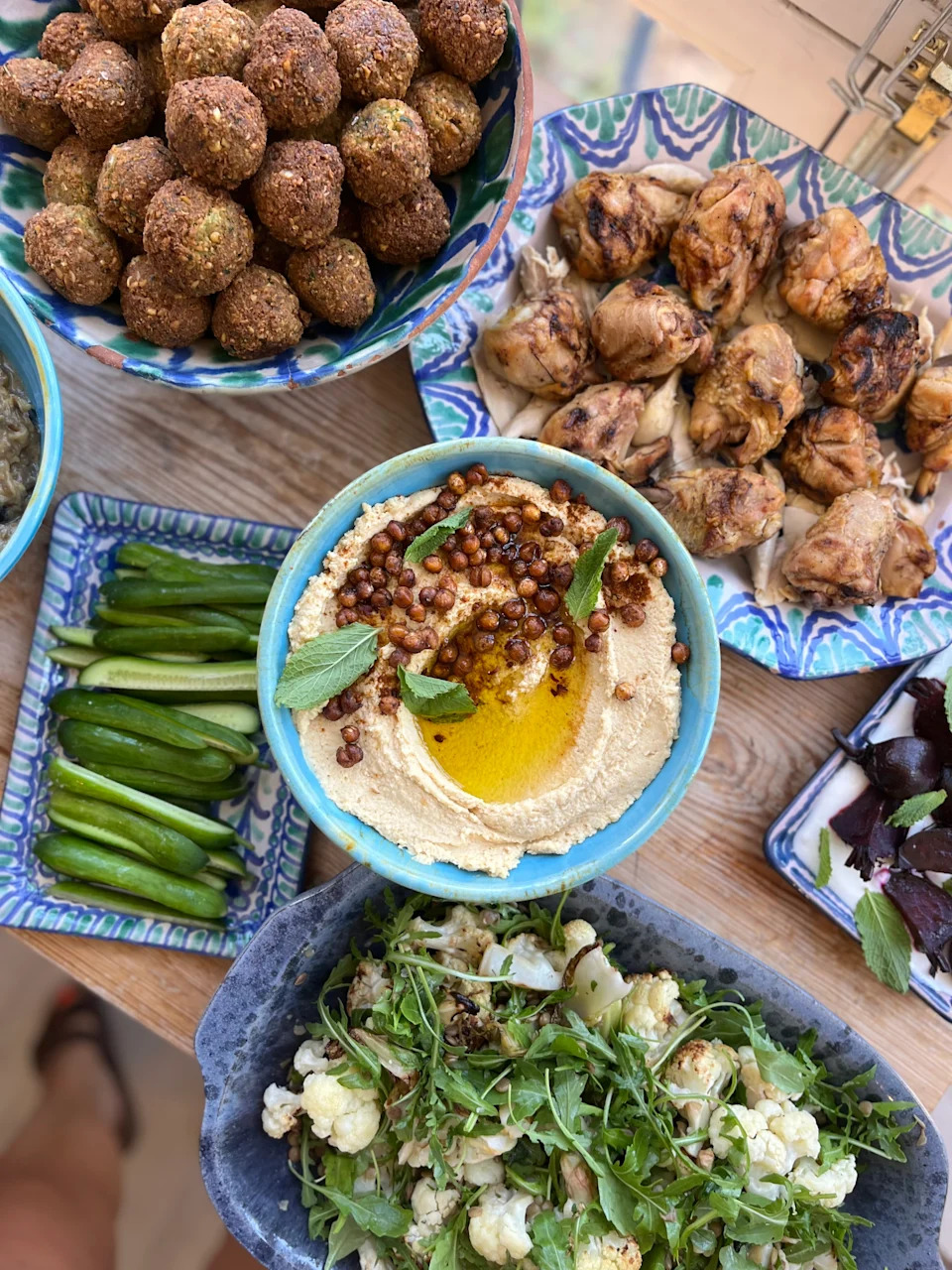
Beans are a good source of plant protein, but Thompson also urges people to try different ways of getting plant protein into their diet. (Atlanta Thompson)
Thompson does have a controversial opinion, however. She isn’t a fan of beans, which have become something of a culinary phenomenon in Britain over the last couple of years.
“I do include beans, and I will cook them quite a lot, but I am quite fussy when it comes to texture. I don’t like mushy textures, and everyone associates vegetarian food with beans, so I want to try and present something different.”
Beans are a good source of fibre and protein for vegans and vegetarians, but she says she tries to include other types of protein too.
“If you’re having falafels, I’ll serve them with hummus and put seeds on top of them, or I’ll include Greek yoghurt with roasted carrots. It’s important when you’re cooking vegetarian foods to get different types of protein from different plant sources, not just beans.
“I’ll include nuts, chickpeas, pulses, lentils – I like coming up with new ways of adding them to a dish without them being the main event.”
6. ‘Meat and two veg’ is a really useful guide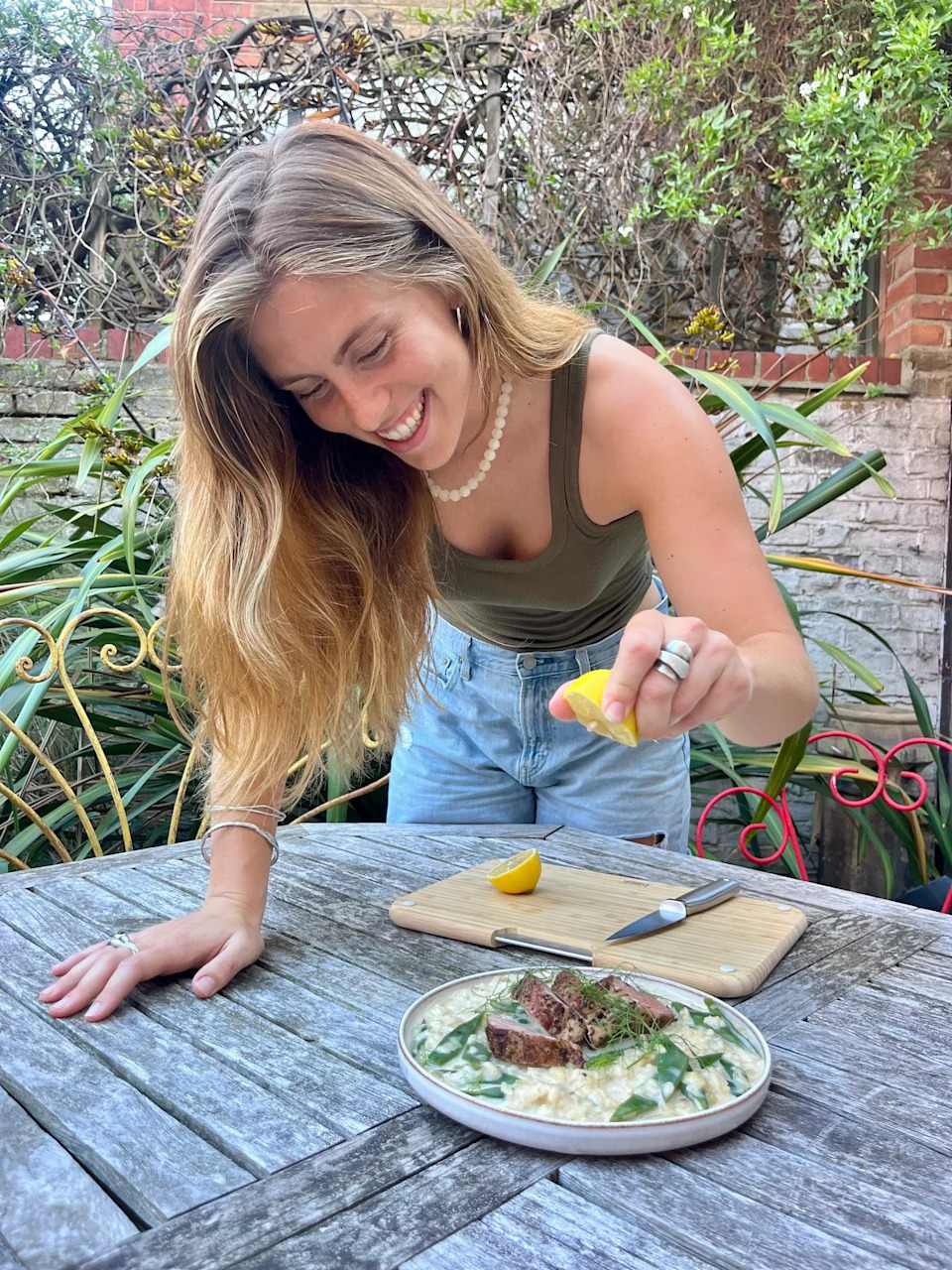
When it comes to eating healthy everyday, Thompson says it’s wise to ‘go back to the basics’. (Atlanta Thompson)
Thompson recognises that hiring a private chef to cook the most colourful, nutritious, diverse dishes is not a reality for most people. But she believes that going back to basics is the best way for everyone to eat a little more healthily.
“Meat and two vegetables gets a lot of flack, but it’s really useful,” she says. “It doesn’t have to be this big, crazy dinner, especially on a daily basis.
“Cook yourself a protein and a carbohydrate, and then some vegetables. It’s just making sure you have a good balance, in my opinion. If you were to have one protein and two types of vegetables or fruit for every meal of the day, you’ve immediately had six fruits and vegetables in your diet, and that doesn’t even include snacks.
“If you can manage to eat two types of vegetables or fruit at every meal, you’re already winning. Keep it simple, that’s my top advice when it comes to cooking more healthily at home.”
Read more about food and nutrition:
Dining and Cooking