
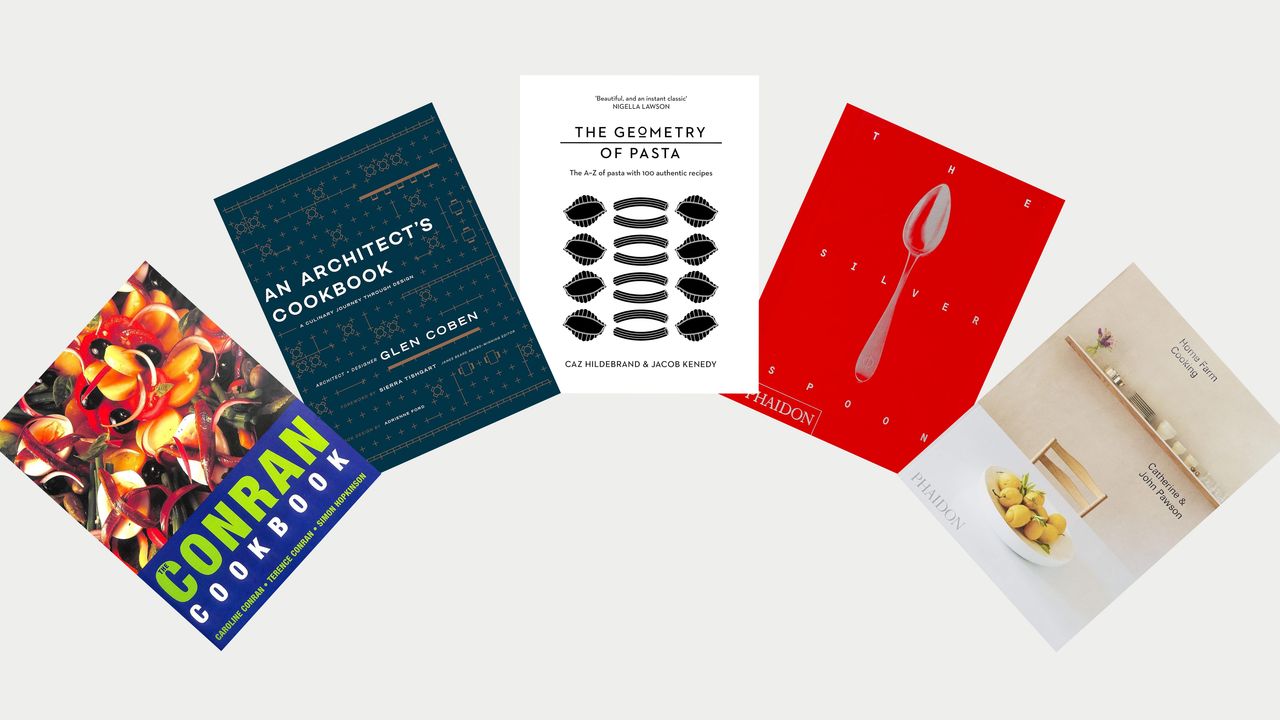
The best cookbooks often reveal more than recipes – when authored by architects and designers, they explore the deep connection between food and design, both of which often converge in many ways. Whether it is a beautifully designed dining room or the perfect balance of a chef’s knife, one cannot exist without the other, although each has very different timelines — one creating buildings and objects that can last lifetimes, and the other dishes that can be finished in minutes.
At their heart, however, both architecture and cooking are about creating something greater than the sum of their parts, with each requiring dedication, deep knowledge and frameworks to be successful, whether it be a blueprint or a recipe. It is no surprise, then, that some of the most influential voices in design have long been drawn to the world of gastronomy, applying their rigorous eye to create the spaces that define our dining experiences or indeed to run their own restaurant empire, often documenting their views in cookbooks that are less about fleeting food trends and more about a lasting philosophy of living. Here are some of our favourites:
John Pawson, Home Farm Cooking (Phaidon)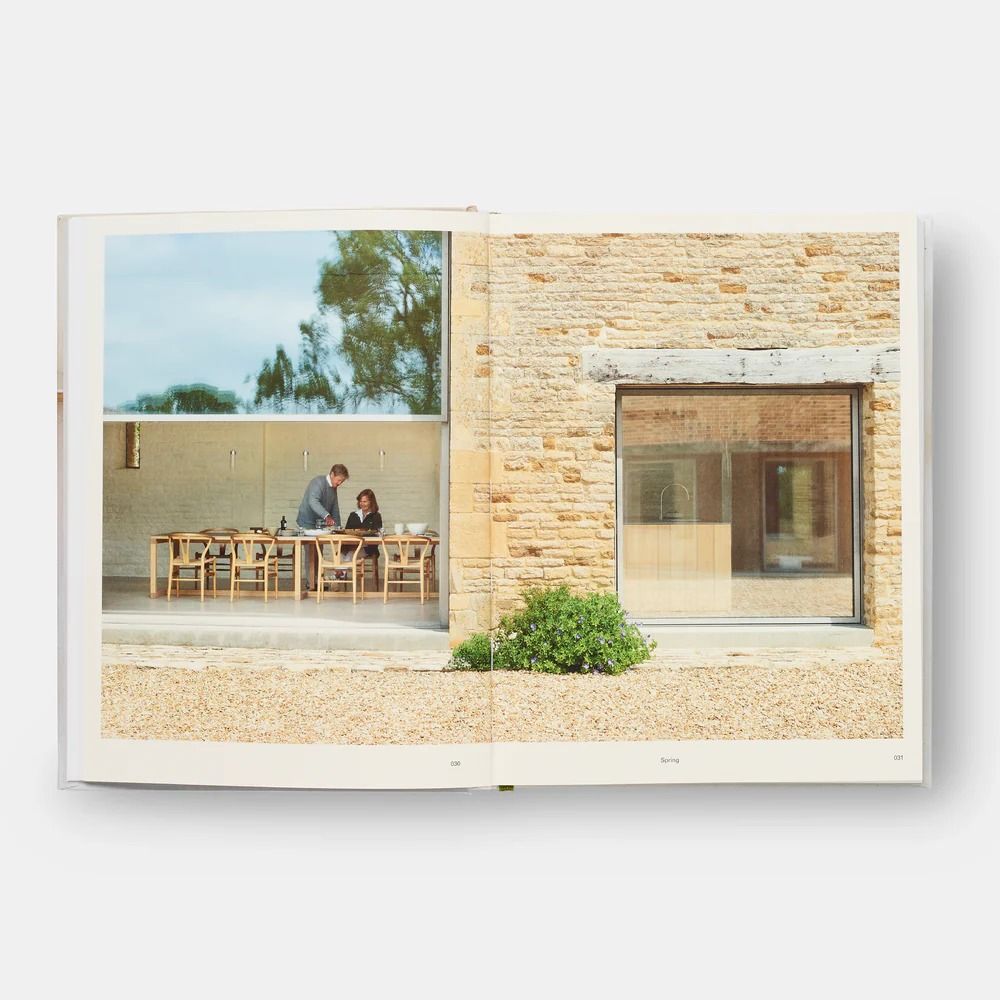

Renowned for being the so-called father of British Minimalism, architect John Pawson is revered for restraint. Fans still recall the excitement of 1995’s launch of Calvin Klein’s flagship store on Madison Avenue, a vast temple of honey-coloured Yorkstone flags, thick white walls and benches that appeared to float from the floor, and the reverberations of this iconic design can still be felt across retail spaces, as anyone who has been to an Apple store can testify. Pawson’s belief that Minimalism is a lifestyle is clear in Home Farm Cooking, a paean to his 24-acre Cotswolds retreat, a building that took five years to complete and has three kitchens (one at either end of a connected farmhouse and barn, and a third in the guesthouse). Whilst the recipes will not trouble more experienced chefs (think modern nursery food such as mushroom risotto and fish pie), the photography is like a Cotswolds version of Slim Aarons’ 1960s California — Pawson and his wife Catherine living the countryside dream that most of us only experience when visiting Daylesford Organic or Soho Farmhouse. One of the best cookbooks for the coffee table.
Glen Coben, An Architect’s Cookbook (Oro Editions)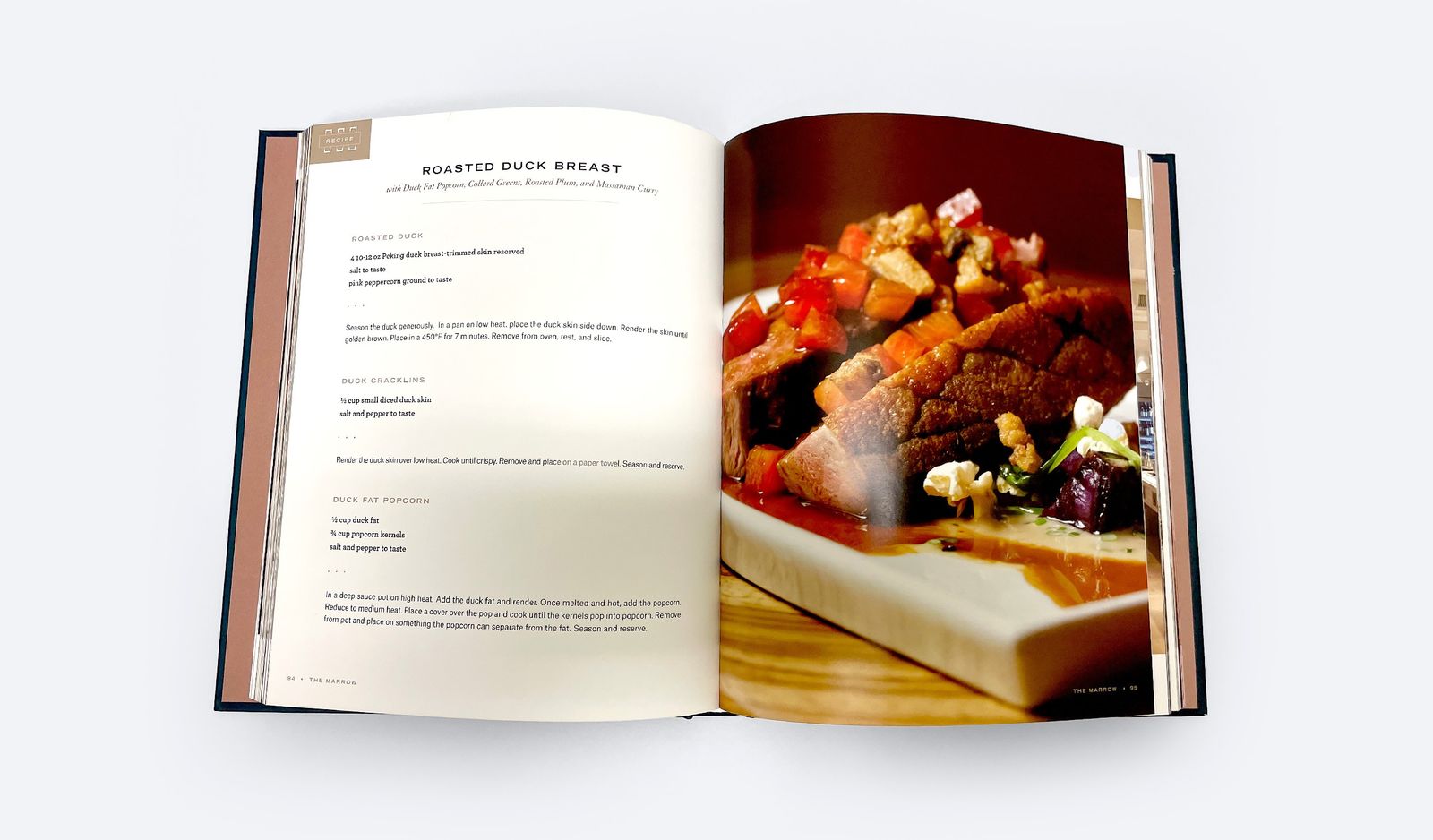
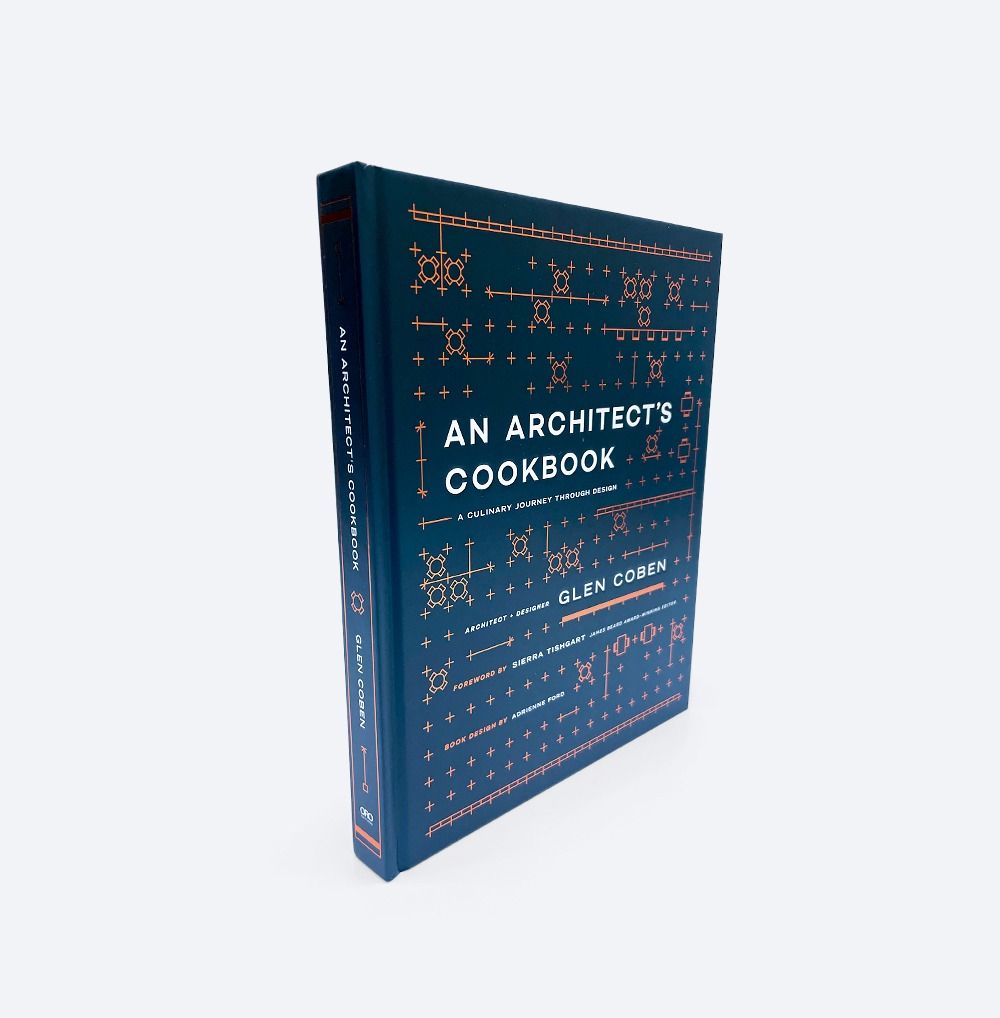
Few restaurants have buzzed as loudly as Carbone, the homage to 1950s ‘red sauce’ pasta restaurants that continues to take New York by storm since its launch in 2013. Famous for its prices, reservation list and clientele (respectively: wildly expensive, extremely tough and everyone from Obama, Bieber & Swift), its reputation continues to gain column inches in publications from the New York Times to Vogue. Architect Glen Coben was responsible for the original interiors, a Soprano-esque vision of burgundy leather banquettes, gold accents, polished wood and marble, a tale brought to life in An Architect’s Cookbook where recipes from Carbone and many other projects are included in this dynamic exploration of how an architect can bring together a chef’s vision. With outposts in Doha and Riyadh, we’re eager to see if the Q4 opening of Carbone at Atlantis The Royal in Dubai can emulate the original’s star-studded success.
The Silver Spoon (Phaidon)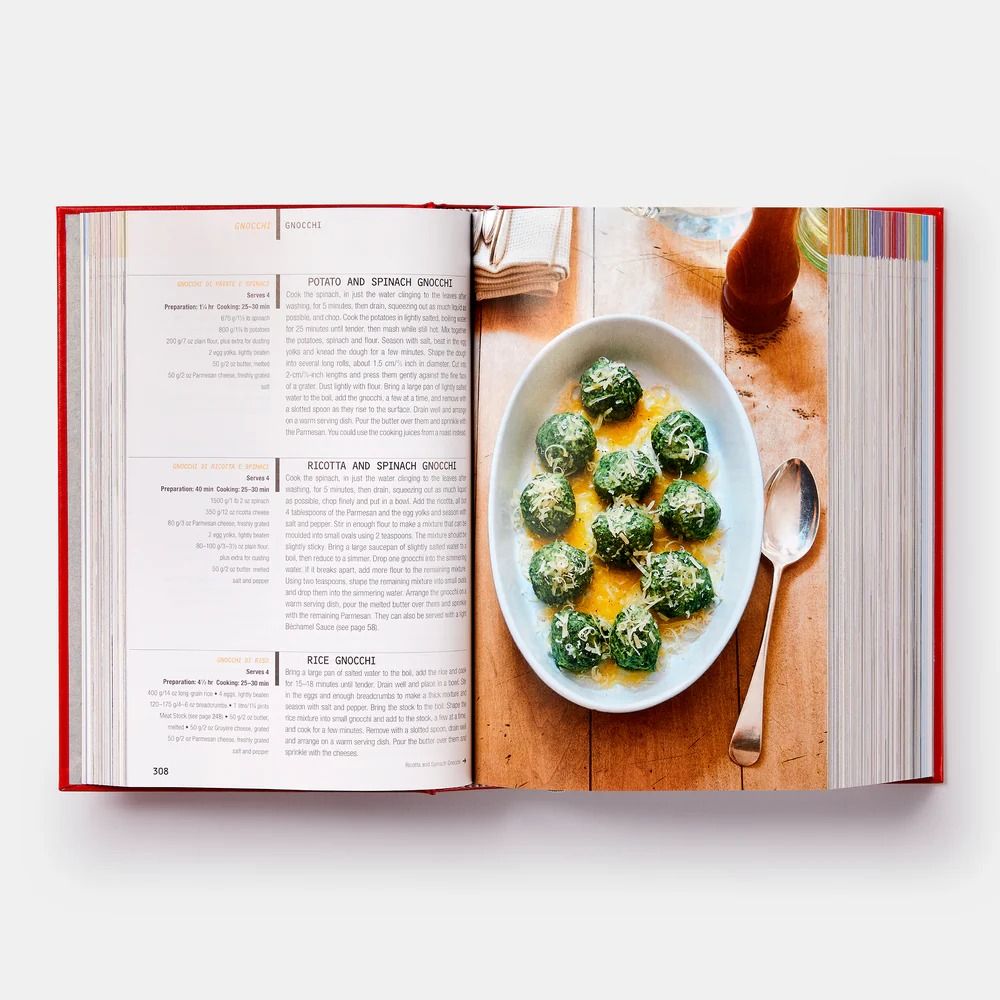
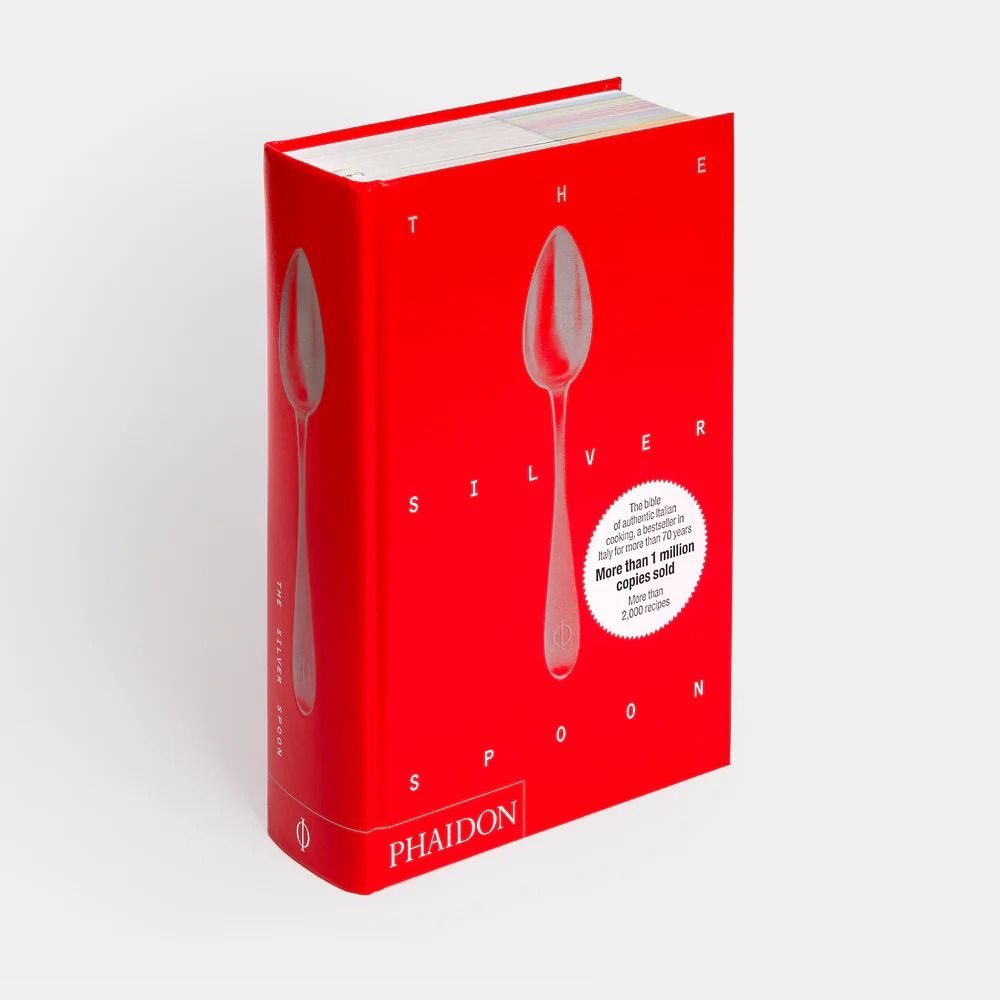
The Silver Spoon’s reputation is enough to make Julia Child and Delia Smith envious: “the most successful”, “the most influential”, “the definitive guide to Italian home cooking”. Lauded since its publication in 1950, it remains a perennial top-seller in Italy (helped by its reputation as a go-to wedding gift). As much as it is loved, its origins are rigorous as it was conceived not by a food publisher but by the visionary editors at Domus, the legendary design and architectural review helmed by the inimitable Giò Ponti. A manifesto for modern Italian living, Domus advocated a total design philosophy across all aspects of life and in Silver Spoon, they created a culinary reference that was as authoritative, practical, and beautifully composed as the finest modernist design. As always, Italians do it better.
Terence Conran, The Conran Cookbook (Octopus)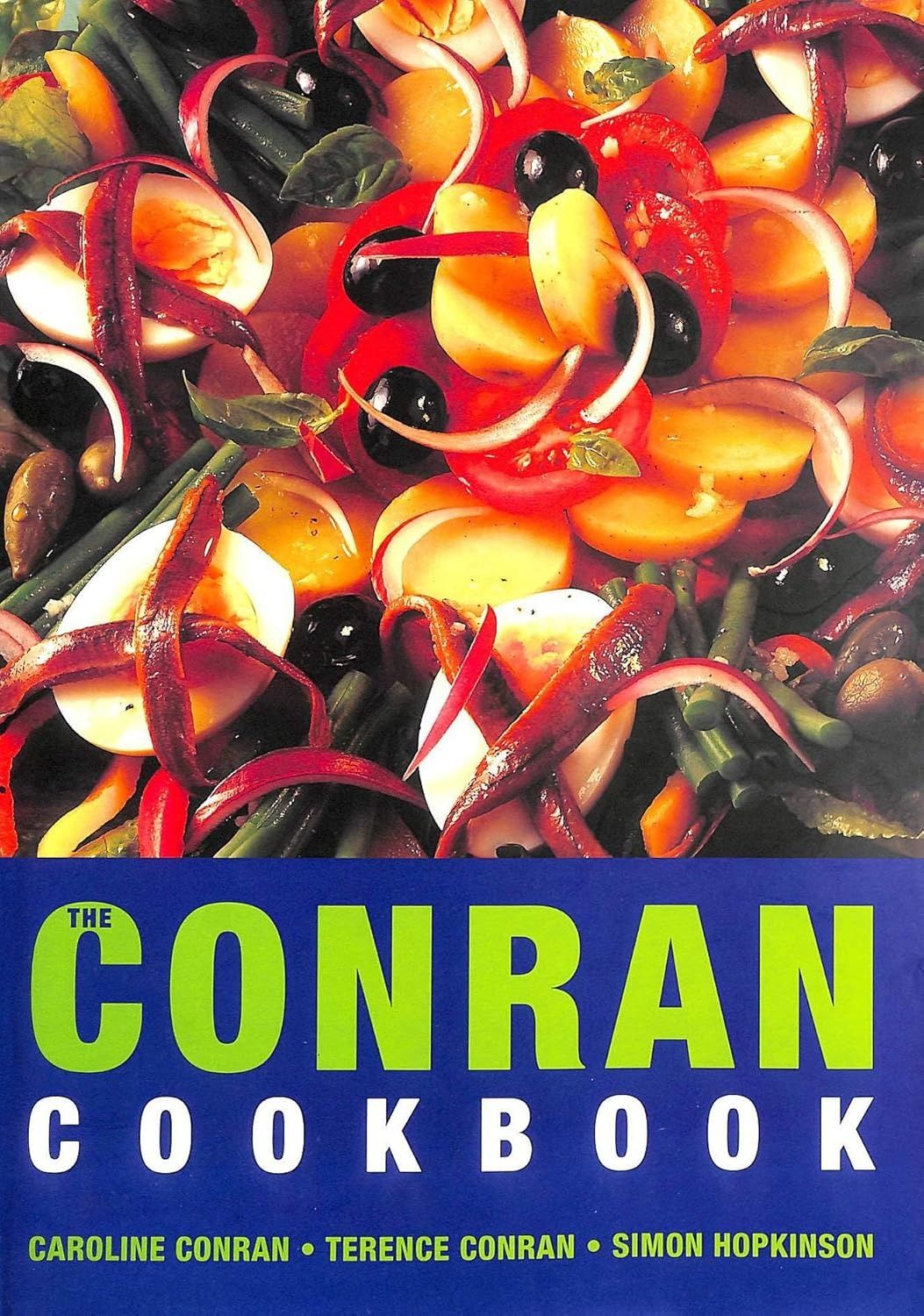
No person democratised modern design for the British public more than design genius Terence Conran. His shops, Habitat and The Conran Shop, liberated fusty post-war homes with simple and stylish designs, and Habitat’s influence rippled out globally, fundamentally reshaping retail culture. Conran expanded his lifestyle empire, building a restaurant group that included icons such as Bibendum and Le Pont De La Tour and Bluebird, the King’s Road gastrodome that was a trailblazing lifestyle destination including a foodstore, chef shop, restaurant, bar, café and private dining rooms. If you were more louche than lunch in the 1990s, you would probably be found in Conran’s Soho restaurants, Mezzo and Quaglino’s, mainly stealing the branded ashtrays. Always keen to impress his views on others, Conran had his own publishing imprint with Octopus (now owned by Hachette Livre), capturing his philosophy in multiple design books and several cookery books, including The Conran Cookbook, which highlighted the fin de siècle obsession with fusion cuisine. Co-written with the chef’s chef, Simon Hopkinson, it stands the test of time.
Caz Hildebrand, The Geometry of Pasta (Pan Macmillan)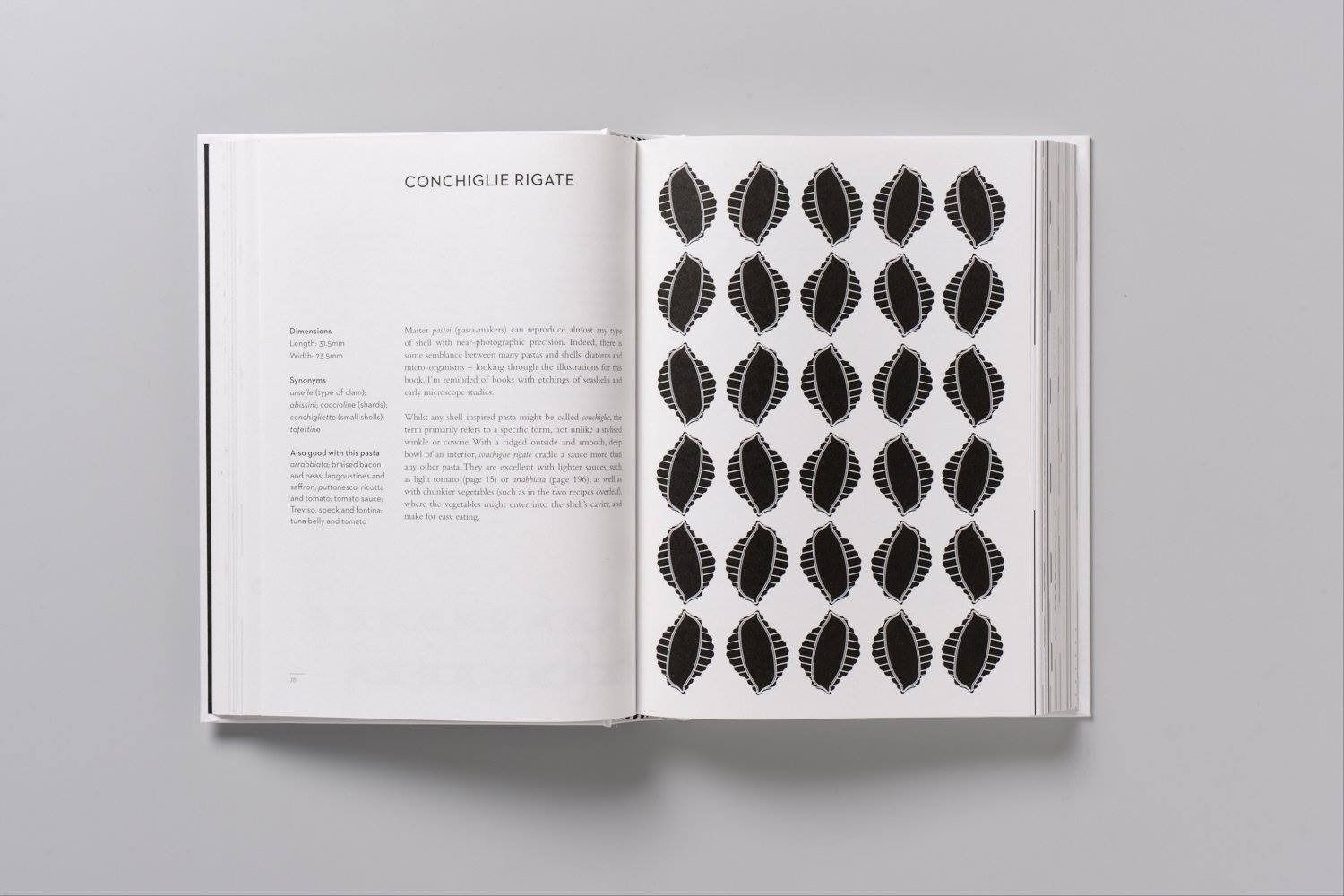
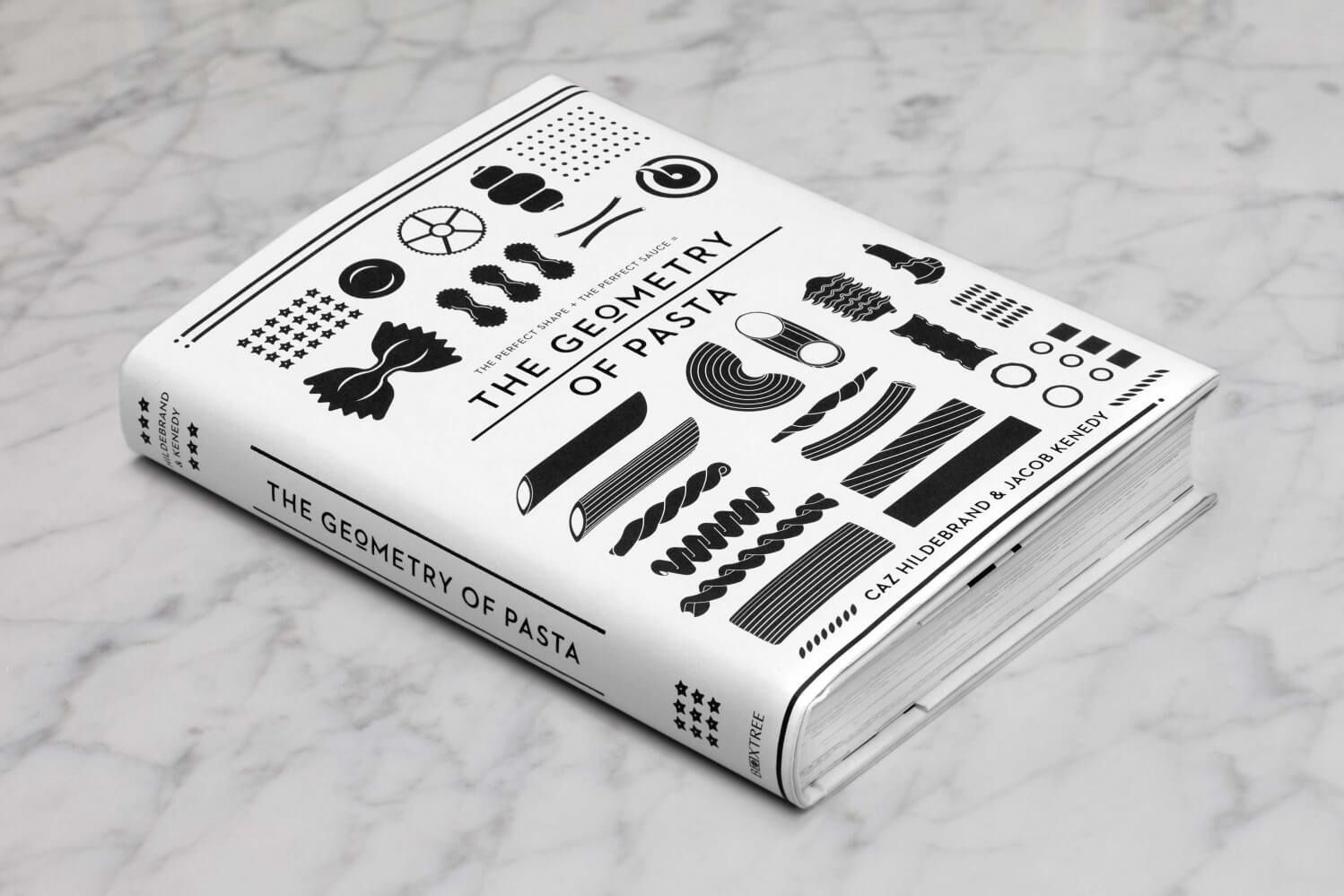
For the design-minded individual, Caz Hildebrand’s The Geometry of Pasta is nothing short of a revelation. The acclaimed graphic designer applies her exacting eye to Italy’s most famous export, presenting pasta not just as something to be picked up from the shelf in Waitrose but rather as bespoke objects that are a pure exercise in form and function. As you’d expect from the person who has art-directed all of Nigella Lawson’s books, Geometry has sleek, minimalist line drawings and elegant typography, deconstructing each pasta shape as a perfect design solution that reveals why a specific cut is engineered for a particular sauce. Partnering with renowned chef Jacob Kenedy for the recipes, it is a celebration of simplicity and the intelligence of timeless design.
Dining and Cooking