
Summary 
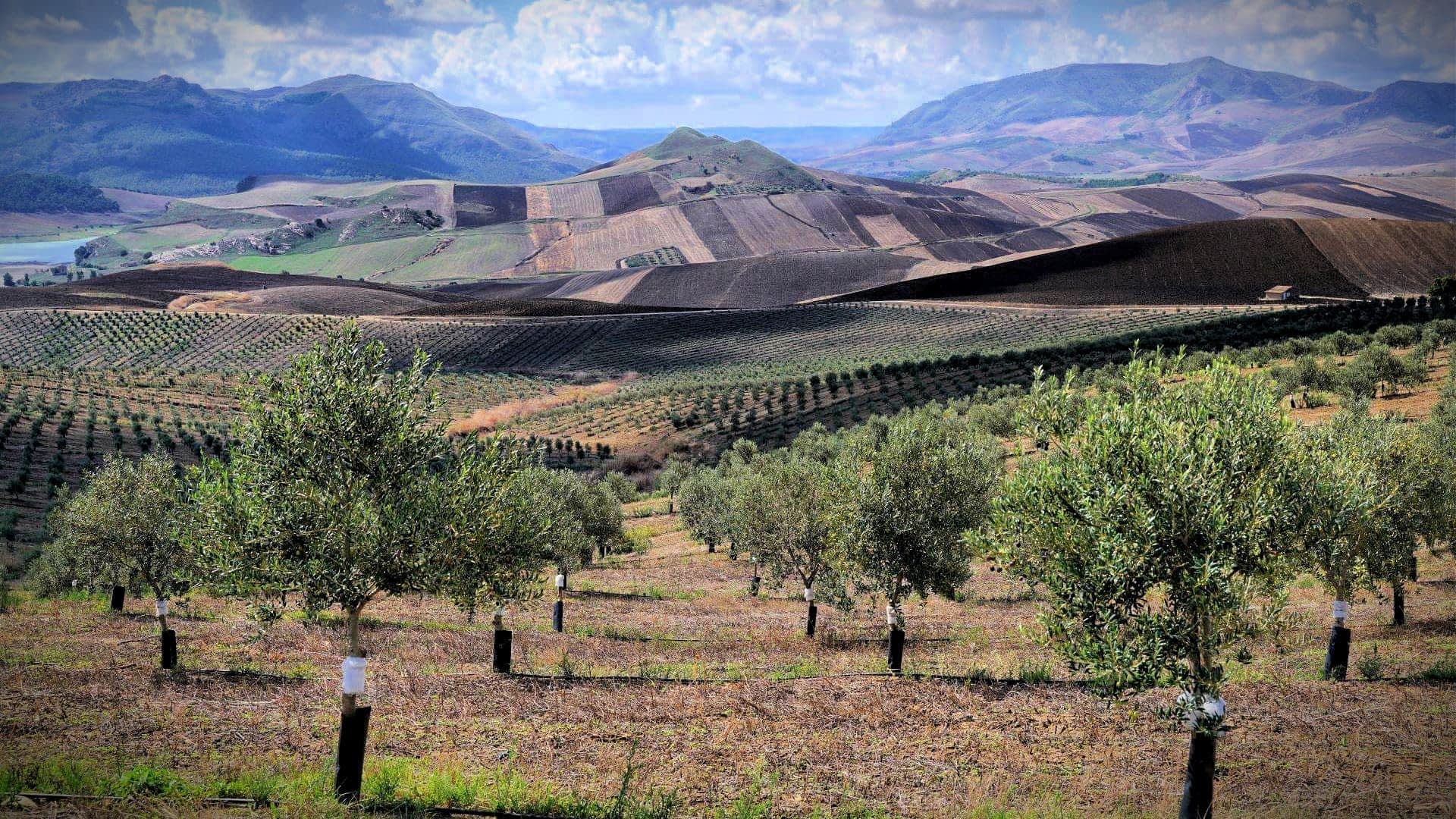
Sicily’s olive oil production has significantly decreased due to mild temperatures and persistent drought, with some growers reporting a 60 percent drop in yields. Despite the challenges, some producers have managed to achieve higher yields and maintain high-quality extra virgin olive oil through irrigation and dedication in the groves.
Unlike most of mainland Italy, Sicily’s olive oil yields align with or are slightly below those of recent years. However, production volumes have more than halved.
According to several growers on the Mediterranean island, this drop can be attributed to last winter’s unusually mild temperatures. At the same time, the persistent drought across the region continues to pose a threat.
There was essentially no winter. As a result, the olive trees didn’t enter their usual vegetative rest, and in spring, very few buds formed, leading to significantly lower production levels.- Antonella Titone, owner, Titone farm
“The reality is that we’ve seen a drastic decline in production, although it is at least offset by the quality of the extra virgin olive oil we’ve managed to produce,” said Maria Grazia Spanò from Buccheri, in the southeastern corner of the island, where she cultivates Tonda Iblea, Biancolilla and Moresca olives at Vernèra farm.
“This year, we began harvesting in the last ten days of September, starting with a yield of nine percent, which increased to about 13 percent in the first ten days of October and reached 15 percent in the following days,” Spanò noted.
See Also:2024 Harvest Updates
“However, after heavy rains starting on October 20th, yields dropped to 13 percent,” she added. “Even so, this is an excellent result since we are generally used to achieving yields of only seven, eight or ten percent.”
Producers in western Sicily, including Antonella Titone, who cultivates Cerasuola, Nocellara del Belice, Biancolilla, Coratina and Frantoio olives between Trapani and Marsala, reported similar experiences.
“The average yield this year was 14.8 percent, taking into account that certain varieties like Biancolilla yielded around ten percent, while Cerasuola performed better,” she explained.
“At the time of harvest, the olives were healthy and plump, thanks in part to emergency irrigation,” Titone added. “However, we faced a sharp decline in volumes due to the warm winter.”
She attributed this to the lack of chilling units the trees received during winter.
“There was essentially no winter,” she said. “As a result, the olive trees didn’t enter their usual vegetative rest, and in spring, very few buds formed, leading to significantly lower production levels. This issue was widespread across the region.”
“Fortunately, higher-than-usual yields saved our season, along with the high quality of the products we obtained,” Titone added.
Producers in the inland areas also expressed similar concerns, especially regarding the lack of rainfall.
“Drought remains a major issue here, and even the heavy rains we’ve experienced in recent weeks haven’t fully alleviated the dryness,” said Paolo Miceli, co-founder of Miceli & Sensat in Monreale, near Palermo, where he cultivates Nocellara del Belice, Biancolilla, Cerasuola, Arbequina and Picual olives.
“I believe this played a significant role in the 60 percent drop in production we’ve recorded,” Miceli said. “We also observed lower yields, starting around ten percent early in the harvest, which slightly increased to 11 percent as operations progressed.”
“On the bright side, the olive fruit fly was practically absent due to the prolonged heat waves,” he added. “Despite all the challenges, we’ve produced extra virgin olive oils of exceptionally high quality.”
On the island’s southwestern coast, in Menfi, yields were higher for Carmen Bonfante, producer of the extra virgin olive oil brand Embrace in the province of Agrigento.
Unlike many others, she achieved good production volumes from her Nocellara del Belice, Biancolla and Cerasuola trees.
“In terms of quantity, it was a good year for this area, resulting in an excellent product,” Bonfante reported. “I attribute this success to our dedication in the groves, where we implemented an irrigation system to counteract the drought.”
“Typically, my average yield is around 12 percent, but this year,” she concluded. “I managed to reach an impressive 16 percent. This makes up for last year when yields were quite low.”
Dining and Cooking