
#spaghettibolognese #comfortfood #recipe
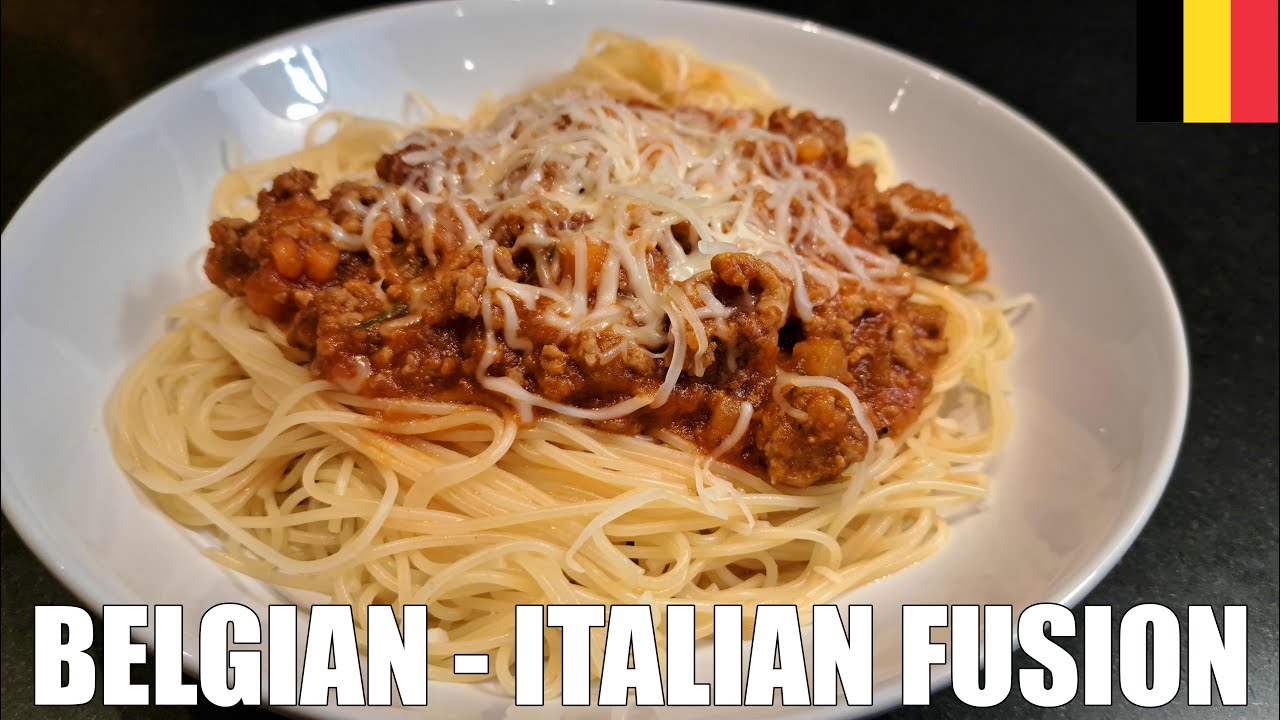
Spaghetti Bolognese is a true staple of Belgian cuisine , a delicious adaptation of the Italian classic, Ragu Bolognese.
We’ll take you through making this uniquely tomato-heavy sauce, which evolved from the culinary traditions brought by Italian immigrants after WWII.
TIMESTAMPS:
0:00 Introduction
0:49 Prepping the Mirepoix (Carrots, Onions, Celery)
2:16 Browning the Minced Pork & Beef
3:02 Adding the Tomato Base (Passata)
3:29 The Long, Slow Simmer
3:53 Batch Cooking & Freezing Tip
4:23 Cooking the Noodles (Capellini)
4:46 Plating
RECIPE:
Ingredients
Mixed Minced Meat (Pork & Beef): 1 kg / 2.2 lbs
Passata di Pomodoro (Strained Tomato Puree): 1 kg / 2.2 lbs
Onion: 1 medium
Carrots: 2 medium
Celery: 1 stalk
Olive Oil
Bay Leaves: 2
Thyme
Rosemary
Salt
Black Pepper
Sugar (Optional)
Spaghetti or Capellini Pasta: 500 g / 1.1 lbs
Grated Gruyère Cheese
Instructions
Finely dice the carrots, onions, and celery into a uniform brunoise (small cubes).
Place a large pot over low heat and add olive oil. Add the diced vegetables and cook gently until they are soft and translucent, making sure there is no browning.
In a separate pan on high heat, brown the mixed minced meat in batches to avoid overcrowding. Allow the meat to sit and develop a brown crust before stirring; you are looking for a good color, not to cook it all the way through.
Transfer the browned meat to the pot with the vegetables. Deglaze the meat pan by adding a splash of water and scraping all the flavorful bits off the bottom with a wooden spoon, then pour this liquid into your main pot.
Add the Passata di Pomodoro. Season generously with black pepper and salt, and optionally add a little sugar. Add the rosemary, thyme, and bay leaves.
Lower the heat to a gentle simmer, put a lid on the pot, and let it cook for at least one hour. Stir the sauce every now and then to prevent it from sticking to the bottom.
After an hour, the flavors will have melted together to create a rich sauce. Taste and adjust seasoning as needed. Cook the spaghetti or capellini according to the package instructions until they are al dente.
Place a nest of cooked pasta on the plate, generously spoon the Bolognese sauce over the top, and finish with grated Gruyère cheese.
Today we are making a dish that is a true
staple of Belgian cuisine, Spaghetti Bolognese. No, he may be thinking,
isn’t that an Italian dish? And while it has its roots in Italy, the version
we know and love here in Belgium is a creation all its own. Its story begins shortly after the Second
World War, when a large number of Italian immigrants came to Belgium, many
of them to work in the coal mines. They brought with them their culinary traditions,
like the Ragu Bolognese, which is a rich, meat-heavy sauce often served with
flat egg pasta like tagliatelle. The Belgian version evolved, becoming a more
tomato-heavy sauce with a focus on ease and affordability. It became a comfort food since the 1970s,
something we will find in any Belgian café, brasserie and at home. Let’s start with the heart of any good Bolognese,
the mirepoix, carrots, onions and celery. For the carrots, we’re going to cut them
in a brunoise, a small, uniform dice. To do this, first peel your
carrots and trim off the ends. Cut the carrot in half and lay the flat face
on your cutting board, this prevents the carrot from rolling. Now, cut your carrot into thin, even slices
and cut the slices into halves or thirds to ensure you have uniform strips. Finally, take those strips and
cut them into tiny, uniform cubes. To dice an onion, first cut them in half from
the root to the top, peel off the outer layers, lay one half flat on your cutting board, then
make verticale cuts from the top to the root end without cutting all the way through. Now, make one or two horizontal cuts,
again not cutting through to the root end. Finally, slice across your onion
and you will get a perfect dice. Last, the celery, just as with the carrots,
we’re going to slice it lengthwise into thin strips. Then, take those strips, turn
them into that small dice. Place a large pot on your stove
over low heat and add olive oil. Once the oil is warm, add your diced
carrots, onions and celery and gently cook them over low heat until they become soft
and translucent without any browning. While the vegetables are sweating
away, let’s get started on the meat. I’m using a mix of minced pork and beef and
I’m going to brown this in a separate pan on high heat. Do not overcrowd the pan, bake in multiple
sessions if you have to and resist the urge to stir it too often. Let the meat sit and develop a nice brown crust. Not looking to cook it all the way through,
just to get a good colour on the outside. Transfer the browned meat in
the pot with the vegetables. As you can see, there’s a lot
of flavour left in the pan. Deglaze the pan by adding a splash of water to
the hot pan and use a wooden spoon to scrape all those bits off the bottom and
pour that liquid into your pot. The pan is now ready for a second’s fry
of the remaining mince, if you have it. Now that the meat and the vegetables are
combined, it’s time to add the tomato base. I’m using Passata di Pomodoro, an uncooked,
strained tomato puree without any seeds or skins. Let’s season our sauce. Add a generous amount of black pepper, salt
and optionally a little bit of sugar to counter the acidity of the tomatoes. For herbs I use rosemary, thyme and bay leaves. With all the ingredients in the pot,
we just have to let thyme do its work. Lower your heat to a gentle simmer, put a
lid on the pot and let it cook for at least an hour. This long, slow simmer is where all those
flavours from the meat, vegetables and herbs melt together creating a rich sauce. Be sure to give it a stir every now and then
to prevent anything from sticking to the bottom of the pot. If you’re thinking “wow, that’s a lot
of sauce”, you’re absolutely right. When I make a Bolognese, I always make a big
batch and freeze in multiple portions for later. There’s nothing easier than being in a hurry
and just grabbing a portion of sauce from the freezer, warming it up and
cooking some noodles for a quick meal. In the video description you can
find the recipe for 4 persons. And if you enjoyed this video so far, please
like and subscribe for more Belgian dishes. After an hour, our sauce is done. Before serving, give that quick taste
for seasoning and adjust if needed. The sauce is ready, let’s get our noodles cooking. For this recipe I’m using capellini, it’s a type
of pasta that’s even thinner than spaghetti. Most Belgians seem to love a thicker spaghetti,
but we at home love the thinner variant. Just cook the noodles according to the directions
on the package until they are al dente. For plating, start by placing a nice
nest of your cooked noodles on the plate. Next generously spoon the
Bolognese sauce right over the top. And to finish we’re going to
use some grated Gruyere cheese. While traditional Italian would use Parmesan,
the slightly nutty flavour of Gruyere is a perfect match for the rich tomato based sauce. And there you have it, a true Belgian classic
that represents a perfect fusion of cultures. A lasting legacy of Italian
immigration to Belgium. Enjoy.
1 Comment
Ik zou graag punten willen geven nadat ik geproefd heb😬