
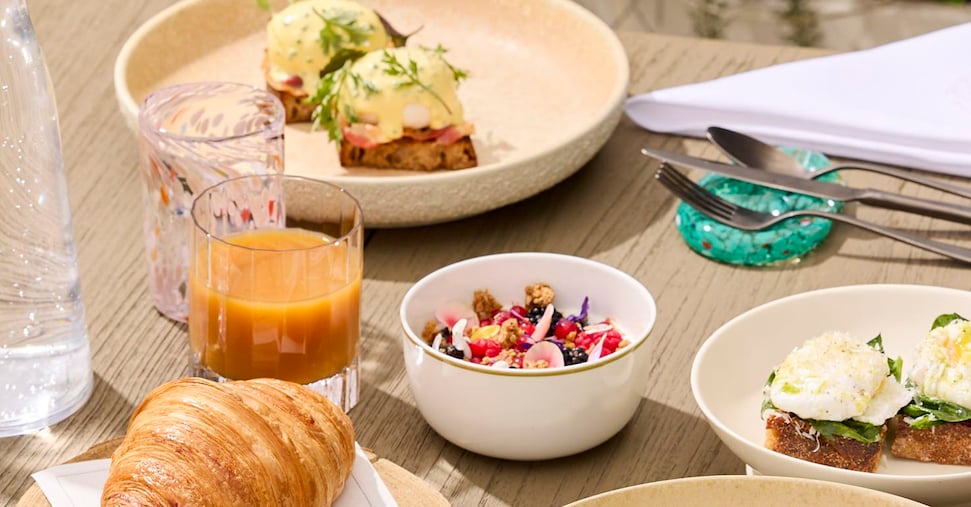
Breakfast is now eaten in a restaurant. Or in the luxury hotel (even if you slept at home at night). The first meal of the day is becoming increasingly important for Italians and can become a special moment in which they seek an extra culinary pampering. Also thanks to the proposals designed ad hoc by restaurants (the real novelty compared to hotels, which have more ‘simply’ opened their doors to external customers), the speed of the ‘cappuccino and brioche’ ritual at the bar next door can be transformed into a more intimate and relaxing occasion for conviviality, far from the habits of traditional lunch and dinner appointments, in a quest for wellbeing that goes beyond the sweetness of classic pastries, seeking hybrid offers that range between a refined tradition and a savoury sprint with an innovative and international flavour.
In short, breakfast ‘outside the home’ has been transformed from a frugal and occasional moment into a real structured consumption experience for food lovers but not only. So more and more restaurateurs are taking the opportunity to differentiate their offerings and extend their opening hours to make room for gourmet or healthy morning options.
Horto’s Ethical Hour
“Our breakfast proposal debuted in February and we are very satisfied with the results we are getting,” says Diego Panizza, co-founder with Osvaldo Bosetti of Horto a Milano. On a turnover of 3.48 million euro with a Mol of 7.5%, breakfast is now worth 8.5% of a target of 10% that we hope to reach soon”.The average receipt is 35 euro, the complete sweet and savoury course (drink, croissant, fruit, eggs, water and coffee, ed.) costs 50 euro. “We now also offer it as a possible gift voucher and it is doing well. Like the offer for business customers, which during the week covers 70 per cent of the covers, far more than the restaurant’s 46 per cent, is working very well. But the formula is also successful among the Italian private clientele, which at the weekend is much more present than foreigners: the proportion is about two-thirds/one-third, which is significant because at lunch and dinner the clientele is divided roughly in half,” continues Panizza.
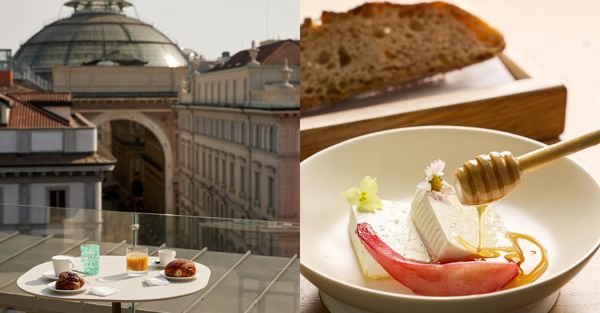
The entire menu follows the philosophy of the Ethical Hour, which distinguishes the entire gastronomic proposal of Horto, a double Michelin star: the traditional one and the green one. The raw materials must in fact come from suppliers no more than an hour away from the restaurant: “A virtuous model of synergy between cuisine and territory, in a reciprocal relationship of knowledge and respect, in the conviction that everything is close by”. So, for example, the much sought-after eggs that can be enjoyed on the terrace just a stone’s throw from the Galleria di Milano come from a small farm near Como, Il Principe di Fino, “which raises free-range chickens in the open all year round, where they can feed on wild herbs and seasonal fruit in much larger spaces than those provided for by the regulations governing organic products”, says the young executive chef Alessandro Pinton. The same care has been taken in the sourcing of fruit, yoghurt, cured meats and so on: a declination of the “Cook the Mountain” philosophy of the ristar-starred Nornert Nierdekofler, who has been behind the project since the restaurant’s inception in 2022 and heads the strategic and organisational direction of the kitchen.
Aprea at the Museum towards an encore
Success also for the “Breakfast at the Museum” format of the Caffè Bistrot Andrea Aprea, overlooking the inner garden of the Fondazione Luigi Rovati building. The initiative, also active since February, was particularly appreciated as a gift idea, thanks to its ability to combine culture and good food.
Dining and Cooking