
Irina Kozmova/Getty Images
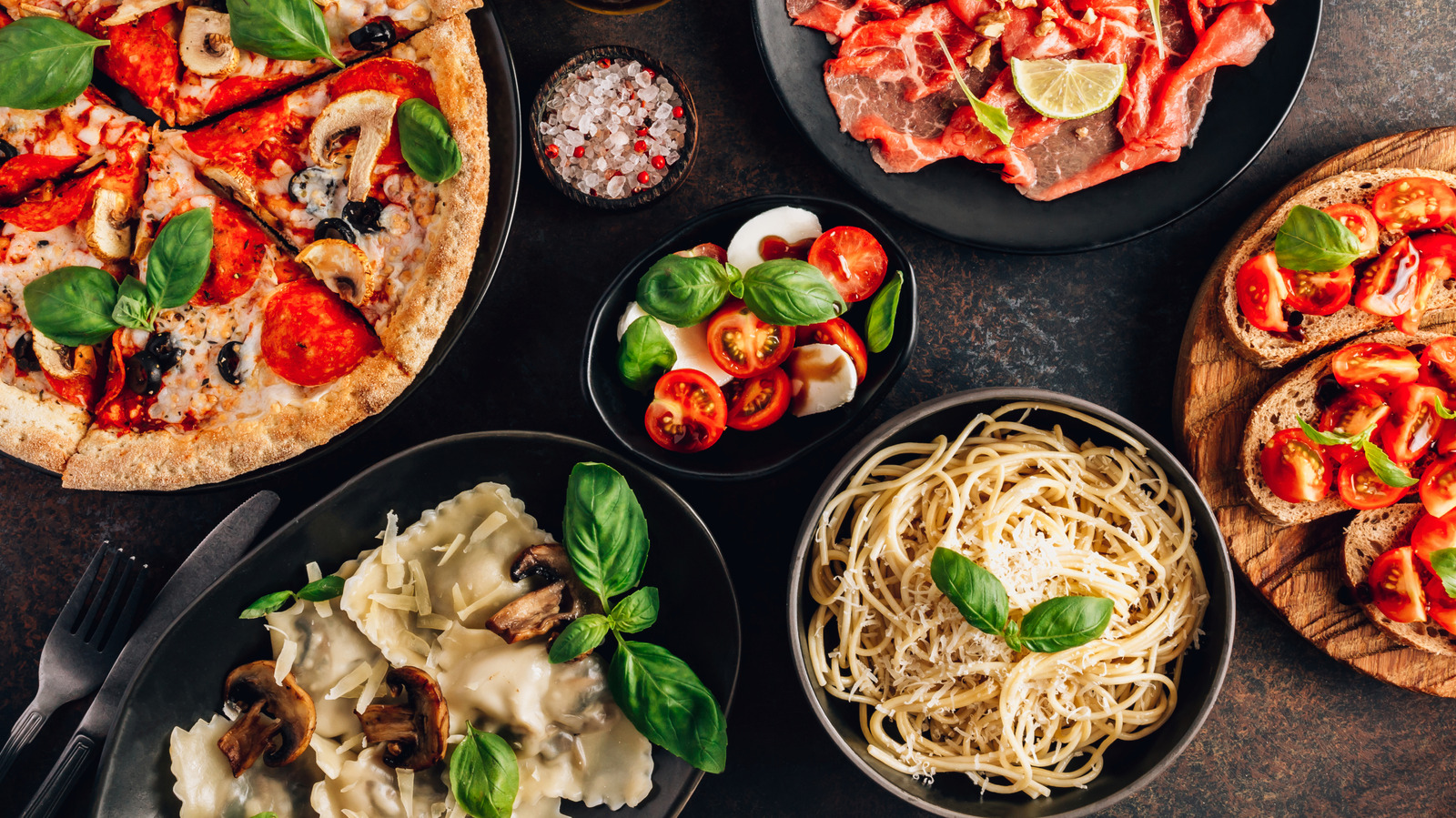
Italian cuisine is known for taking a few fresh, high-quality ingredients and turning them into appetizing dishes, leading many home cooks to believe that it is an easy cooking style to master at home. While there are many Italian dishes that can be easily whipped up by enthusiastic home cooks, not all classic Italian meals are as simple as they look. To find out which dishes we should be attempting and the trickiest ones that should be avoided, we spoke to five culinary experts who shared their best advice
Cristian Marino, Italian Executive Chef and Culinary Consultant with extensive international experience; Antonella La Macchia, a private chef and culinary educator; Michael King, executive chef of Sungold at Arlo Williamsburg; Matt Eckfeld, executive chef of Dimmi Dimmi Corner Italian; and Chef Fabrizio Carro, of Da Angelino Cucina Italiana, all have years of experience with Italian cuisine, and are well-placed to share which dishes are the most challenging. From deceptively simple classics such as carbonara and gnocchi, to showstopping Italian celebratory feasts like timpano and suckling pig, we take a look at the recipes we all know and love that may prove a step too far for many amateur cooks.
Risotto
Food magic/Shutterstock
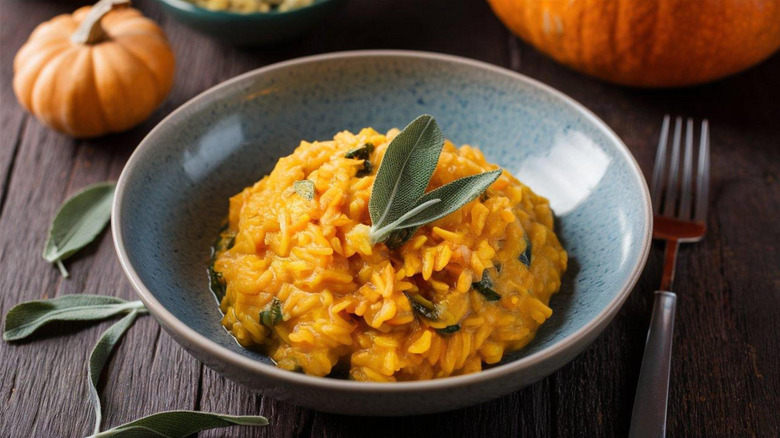
Risotto is one of the most classic dishes in Italy, and you will find it on virtually every Italian menu across the globe, but making it at home is more tricky than it seems. Cristian Marino points out that “achieving the perfect balance of creaminess (the mantecatura) without overcooking the rice is very challenging.”
There are no shortcuts when it comes to risotto, and if you want to do it justice, be prepared to have patience and focus on it fully. “It is all in the timing,” says Michael King. “If you are trying to multitask and don’t have all the elements ready to go, it is easy to overcook at the last moment.”
The extra ingredients you choose to add to the risotto will also impact the difficulty, with both Fabrizio Carro and Antonella La Macchia specifying that seafood risotto, known as Risotto ai Frutti di Mare, is particularly challenging. If you are planning to make risotto for the first time, stick to a simple Milanese recipe and avoid having to juggle getting the creamy rice just right without overcooking your shellfish in the process.
Carbonara
Food magic/Shutterstock
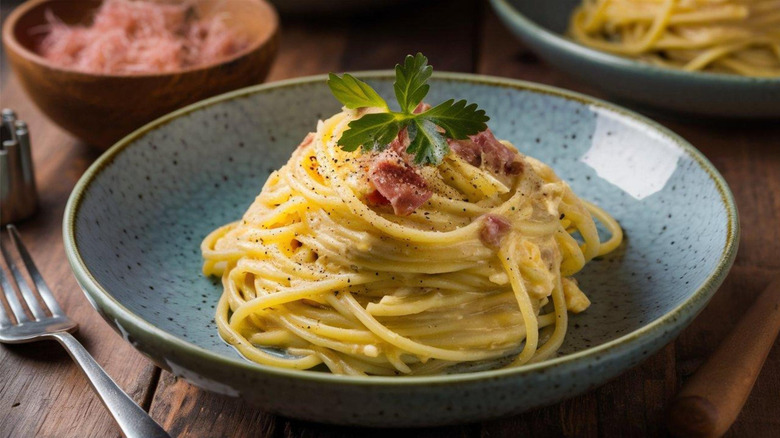
When it comes to Italian dishes that don’t seem complicated on paper, carbonara would fit the description. However, this is a dish that is deceptive and can be tricky to get just right. “Simple doesn’t mean easy,” says Antonella La Macchia. “Many Italian dishes rely on just a few ingredients, but there’s a lot of technique behind them. Take carbonara, for example.”
Though we may be used to carbonara dishes laden with cream, the authentic Italian version doesn’t contain any, relying solely on eggs and Parmesan to create the silky sauce. This is where the dish can trip up amateur chefs. “Carbonara is difficult to master,” confirms Michael King. “The temperature of your pasta and sauce has to be just right when you add your egg yolks or else you’ll scramble them, and then you’re eating breakfast for dinner.” If you are just starting to experiment with Italian cuisine, a simple marinara would be a better choice if you want to guarantee success.
Certain pasta shapes
ionelaalexandrescu/Shutterstock
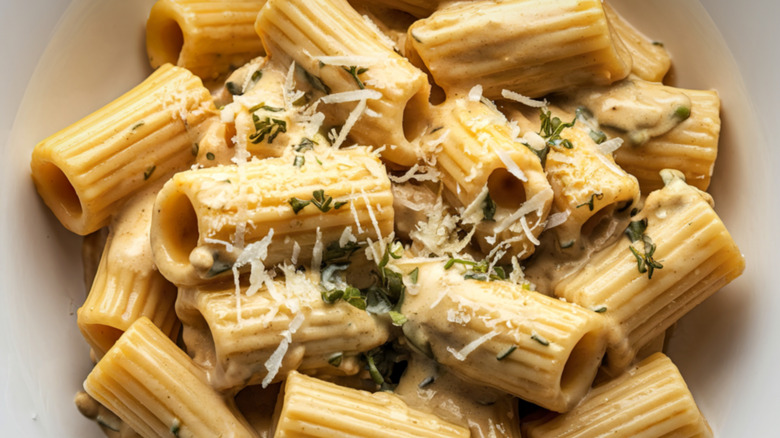
Some pasta shapes, such as spaghetti, lasagna, or tagliatelle, are relatively easy to create at home, once you’ve mastered your pasta machine. However, there are certain shapes that would be difficult for an inexperienced home cook to make, either due to the specialist equipment required or a tricky hand-shaping technique that takes years of practice.
“I make fresh pasta every day now, and in my experience, I can say without a doubt: orecchiette is the trickiest,” shares Antonella La Macchia. Orecchiette, which translates to “little ears,” are made from semolina and water, and getting the perfect consistency can be a challenge. Matt Eckfeld agrees, and also mentions extruded pasta, such as rigatoni and bucatini, which have ridges on the surface. This makes it easier for delicious pasta sauces to stick, but to create the effect, you need to push the dough through a metal die, something that even most keen home cooks are unlikely to have in their kitchen.
Fileja is a lesser-known pasta shape from Calabria that can also be tricky to get right. “Rolled by hand around a thin reed or wooden stick, this pasta demands even pressure and patience,” explains Cristian Marino. “Getting the shape consistent and avoiding cracks is deceptively hard for those unfamiliar with traditional techniques.”
Vitello tonnato
Zu Kamilov/Shutterstock
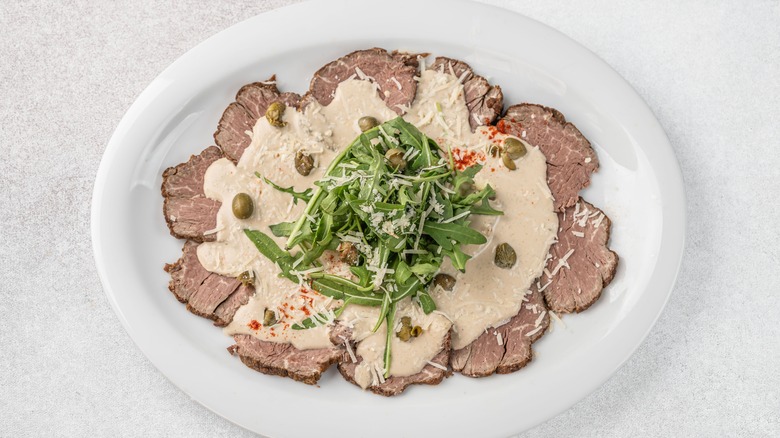
Vitello tonnato is a classic dish from the Piedmont area in the north of Italy, and it is notoriously difficult to cook correctly. It consists of very thin slices of veal that must be precisely cooked, and a sauce featuring tuna, anchovies, and capers that needs to be delicately balanced to make sure these strong flavors don’t overpower the meat.
“A good meat slicer and manual skill are essential to achieve the right texture,” says Cristian Marino, who believes that vitello tonnato is a tricky dish for home cooks. “Today, cooking the veal sous vide is highly recommended to maintain precise temperature control and guarantee perfect doneness.” Fabrizio Carro agrees, describing the tuna sauce as one of the “more challenging dishes for home chefs.” If vitello tonnato is a favorite of yours, you may want to save it for your next Italian night out, as attempting it at home may lead to disappointment.
Cacio e pepe
Vladislav Chusov/Shutterstock
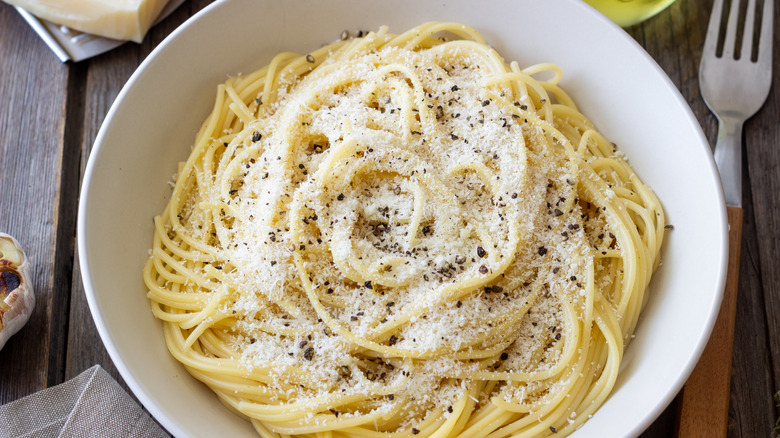
Glancing at a recipe and seeing only two ingredients may lead you to think that a dish is going to be easy to prepare, but that is not always the case. With so few elements on the plate, they must both be absolutely perfect, or the dish will be unbalanced. This is the case with the Italian sauce cacio e pepe.
Literally meaning “cheese and pepper,” the sauce consists of only pecorino cheese and freshly ground black pepper, and Antonella La Macchia insists that making it is harder than it sounds. “Take cacio e pepe, for example: if you’re only using two ingredients — cheese and black pepper — you need to know how to choose the right cheese and manage the temperature carefully.” The creamy sauce is poured over the top of pasta such as spaghetti or bucatini, and the luxurious texture makes a fantastic comforting meal — but only if you get the two star ingredients spot on.
Lasagna
Pablo Morales Food/Shutterstock
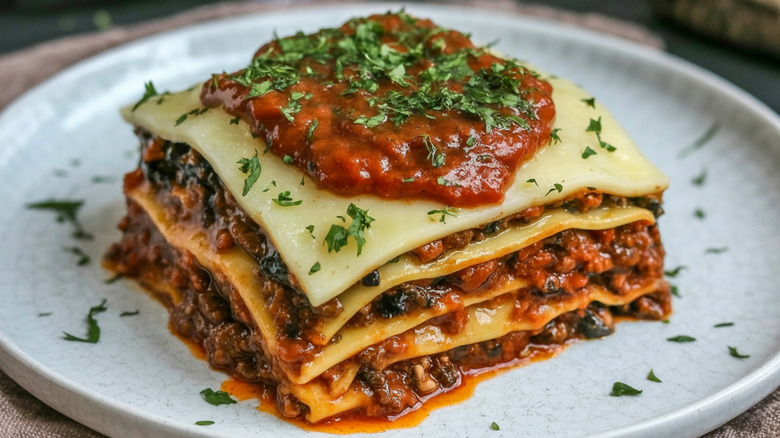
There are many individual steps involved in traditional lasagna preparation, including creating the fresh pasta, making a creamy béchamel sauce, and preparing the meat ragù, but Matt Eckfeld believes it is worth the extra effort. “It’s time-consuming and takes practice, but when done right, the result is incredibly satisfying,” he confirms.
If you are planning to make an authentic Italian lasagna, be sure to set aside plenty of time to prepare each of the three elements properly, and then layer everything together at the end. “Bringing these three components together with proper layering and baking requires time, technique, and patience,” says Cristian Marino. “Yet the result is one of the most beloved expressions of Italian culinary tradition.” Getting the seasoning right is also tricky, and Michael King advises seasoning each layer as you go to make sure the flavor is cohesive and even throughout the final dish.
Gnocchi
Food magic/Shutterstock
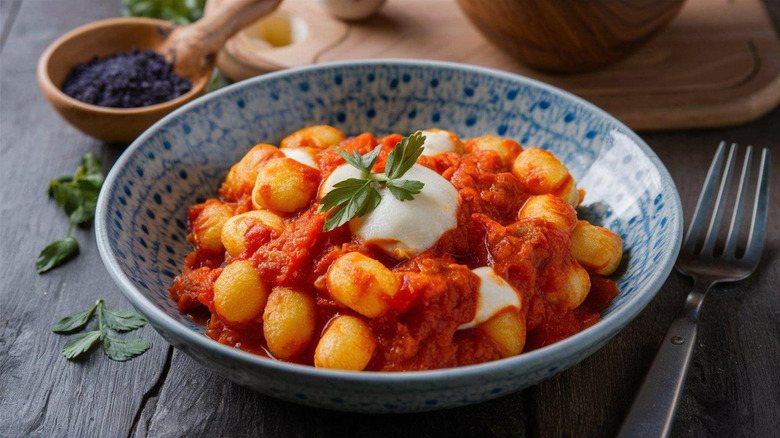
Gnocchi is a much-loved pasta alternative, made with potatoes instead of eggs, and served with a variety of pasta-style sauces. You may have thought that homemade gnocchi would be easier to master than traditional pasta, since the dumplings are entirely made by hand and don’t require rolling through a pasta machine, but Fabrizio Carro warns that this is not the case.
“Gnocchi may seem simple, but it is difficult to perfect at home because it requires high-quality potatoes and flour,” he explains. While beautifully-made gnocchi is a joy to eat, with a light and airy texture, poorly made gnocchi can be gummy or dry, and could make for an unpleasant dish. By choosing a starchy potato such as a Russet and using a potato ricer to keep the mixture as smooth as possible, you can increase the chances of creating beautiful pillowy bites. If in doubt, though, head to your local Italian restaurant and leave it to the experts.
Stuffed pasta
Alessio Orru/Shutterstock
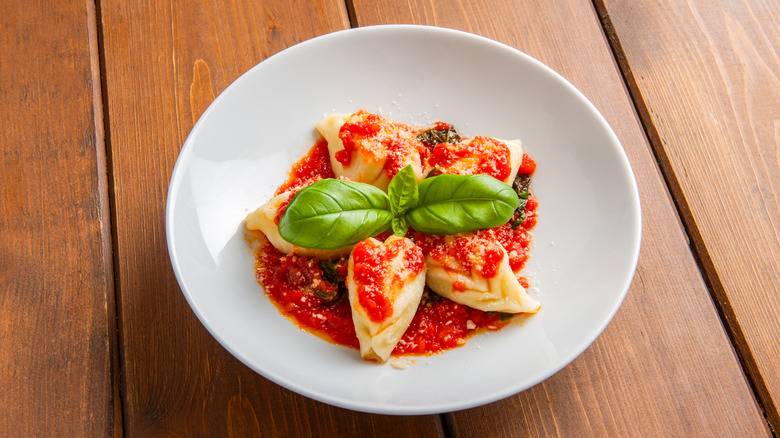
Pasta is, of course, the hallmark of Italian cuisine, and enthusiastic amateur chefs may relish the challenge of making fresh pasta at home. While spaghetti and tagliatelle may be fairly straightforward, stuffed pasta, while delicious, is a completely different story. When asked which pasta shape would be the most challenging to make, Michael King replied: “Any stuffed pasta. They require some practice and the courage to perfectly overstuff them.”
Matt Eckfeld agreed, admitting that most stuffed pasta dishes, including the popular ravioli and tortellini, are difficult to fill just right. You need perfect proportions to prevent the parcels bursting as they cook. “Agnolotti is also tricky because it’s a delicate stuffed pasta that demands thin, even dough and careful sealing,” he explained. “[They] are rewarding but definitely not beginner-friendly.”
Cristian Marino uses a lesser-known filled pasta from Sardinia as an example of a difficult pasta shape — culurgiones. Filled with potato, mint, and Pecorino cheese, culurgiones have a beautiful shape and are finished in a way that resembles an ear of wheat. “Achieving that intricate pleat without breaking the dough requires skill and practice,” Marino explains.
Eggplant Parmesan
Food magic/Shutterstock
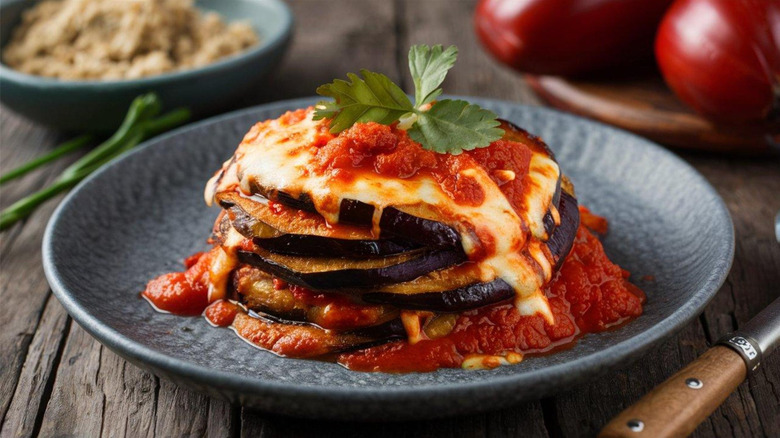
Eggplant Parmesan is a delicious vegetarian alternative to chicken parm, and at first glance, it may seem straightforward to create at home. However, Cristian Marino warns that getting eggplant Parmesan right is not as easy as it looks. “[This dish] looks simple, but precision makes the difference,” he explains. “The eggplant must be sliced, salted, and fried correctly to avoid sogginess, the tomato sauce should be rich but not watery, and the layering of sauce, cheese, and eggplant requires balance so the final bake is harmonious and not heavy.”
Like a good lasagna, the key to getting Parmigiana di melanzane right is to set aside plenty of time to focus on each layer before assembling it. Attention to detail is key: wait until the sauce has fully thickened and taste it as it cooks to perfect the seasoning, and don’t take the eggplant out of the pan until it has fully crisped up. By checking that each layer is spot on before putting it all together, you can make sure the final dish is a gooey, satisfying masterpiece.
Al dente pasta
Thai Liang Lim/Getty Images
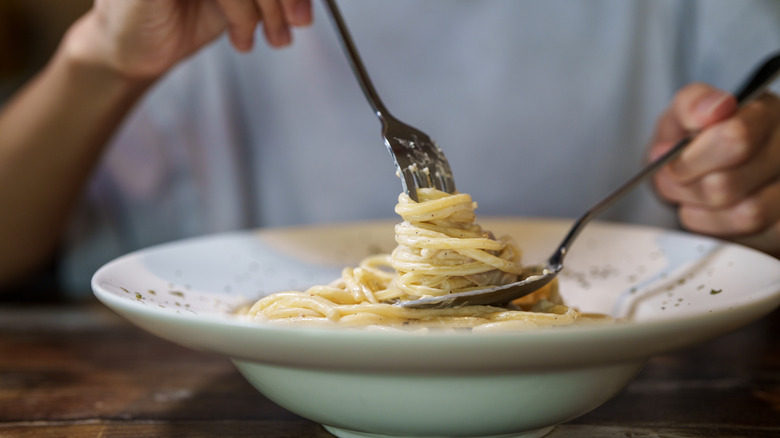
Cooking pasta is one of the first skills that many home cooks learn, and most of us do it on a weekly basis. However, boiling pasta to make it edible and cooking it to perfection are two different things, and the latter is not as easy as it seems.
“Spaghetti cooked al dente can be surprisingly difficult,” says Fabrizio Carro. “It’s very easy to overcook.” Al dente literally means “to the tooth” and describes pasta that still has a little bite left in it, while still being soft and enjoyable. Getting the balance right requires practice, and most of us tend to overshoot the cooking time to make sure our pasta isn’t too hard, resulting in an overly soft texture the Italians call “stracotto.” Additionally, there is a big difference in the required cook time for freshly made pasta and dried pasta, with the former only taking a few minutes to cook and dried pasta taking up to 15 minutes, depending on the shape. By shaving a minute or two off your usual cooking time, you have a good chance of catching the pasta before it overcooks, and getting that elusive al dente texture.
Gelato
Food magic/Shutterstock
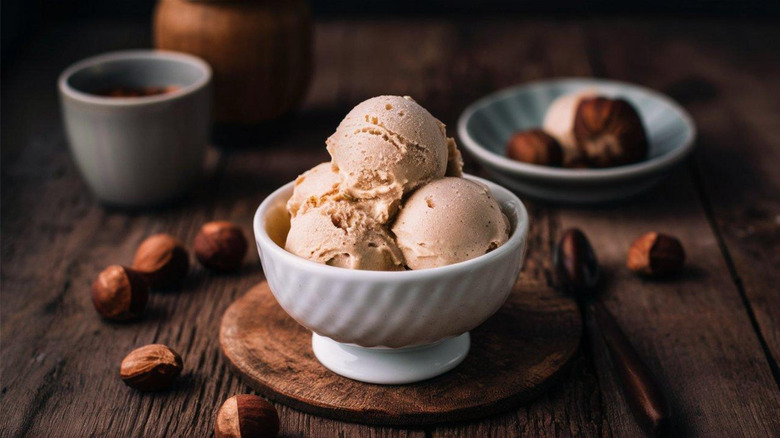
One of the most iconic foods that tourists enjoy when visiting Italy is creamy gelato. The Italians have a way of creating ice cream that seems to surpass all others, making it a dish that home cooks are unlikely to master in the comfort of their own kitchen.
Antonella La Macchia doesn’t see the point in trying to recreate authentic gelato at home, and admits that she would rather head to her local gelateria. “A good gelato machine is very expensive for home use, and true artisanal gelato needs to be eaten fresh,” she explains. Cristian Marino agrees, and counts gelato as a dish that can’t be accurately replicated at home without the specialized equipment that ice cream shops have access to. “Making authentic Italian gelato requires more than just freezing a custard base,” he says. “Professional gelato machines churn the mixture at specific speeds and temperatures to achieve the perfect density, creaminess, and balance of air.”
Suckling pig
smspsy/Shutterstock
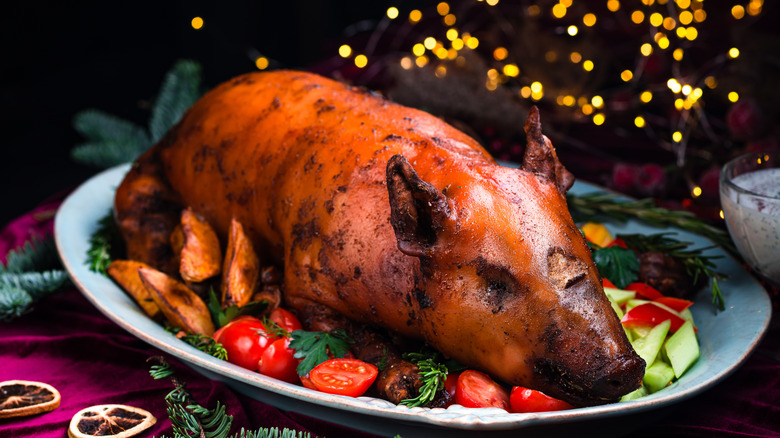
Roasting a whole pig is probably not something that most home cooks have considered trying in their kitchen, but in Italy, particularly in the Lazio region, smaller pigs are roasted at home for special occasions or celebrations. Cristian Marino advises, however, that this traditional Italian dish is not a meal that can easily be prepared in every home.
“Traditionally roasted, it demands hours of slow cooking to achieve succulent meat and perfectly crisp skin,” he explains. “Managing the temperature consistently and seasoning the pig evenly is difficult without professional equipment.” The first hurdle for most home cooks will be the size of the oven. Even a small pig is going to take up a significant space, and if fitting a holiday turkey in your oven can be a squeeze, then a suckling pig is likely going to cause problems too. In fact, in parts of Italy, this dish was traditionally made in the oven of the village baker when the bakery was not in use. While this dish is a classic Italian celebratory meal, it is one that’s best enjoyed in a restaurant setting, where you can relax and enjoy yourself, rather than worrying about how you will get the meat out of the oven.
Timpano
glowfolkstudios/Shutterstock
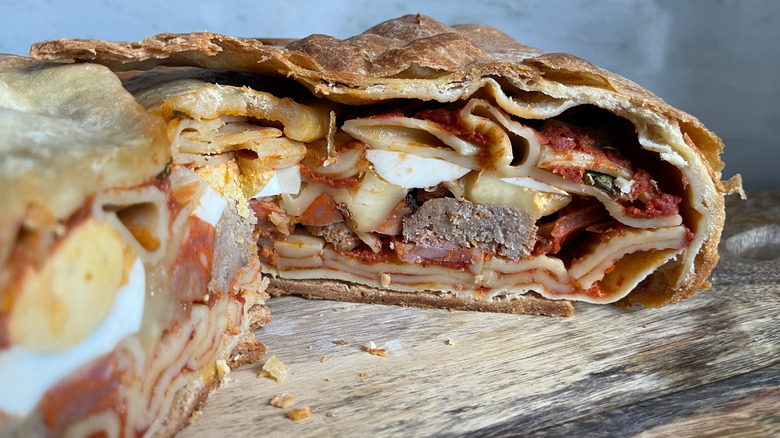
When it comes to showstopping Italian dishes, timpano has to be on the list. A huge pasta dish named after its resemblance to a drum, it is often served at special occasions and large gatherings, and requires a lot of time, patience, and skill to get it right.
“Timpano is one of the most challenging dishes — it’s essentially a massive baked pasta “drum” with layers of pasta, meat, cheese, and sauce,” explains Matt Eckfeld. “It’s very labor-intensive and requires precision to keep it from collapsing.” The enormous pie is usually filled with meatballs, sliced meat such as salami, a ragù sauce, hard-boiled eggs, and plenty of pasta, meaning that fitting all of the ingredients in without the whole dish caving in is a challenge. Timpano is very much a labor of love, and the chances of an inexperienced home cook managing it on the first attempt are not high. Instead, get yourself invited along to a big Italian celebration so that you can enjoy a timpano without the struggle of making one.
Lobster Tails (Sfogliatella)
Ermak Oksana/Shutterstock
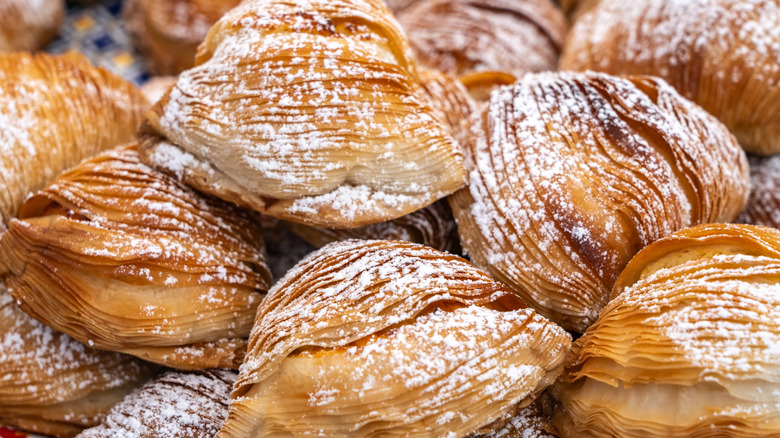
If you saw the literal translation of sfogliatella on an Italian menu, you may assume it belonged in the seafood section. Known as “lobster tails,” these shell-shaped pastries are filled with a delicious custard, and if they look tricky to make, it’s because they are.
“Lobster Tails (sfogliatella) are very difficult to make at home,” confirms Matt Eckfeld. “The dough is rolled and stretched into impossibly thin layers that get stacked to form the shell, and it takes a lot of skill and patience to pull it off.” The multi-layer approach is what gives sfogliatella its signature crunch, before giving way to the soft, creamy ricotta filling. Even a small difference in the thickness of the pastry can affect the texture, so unless you are an enthusiastic baking expert with exceptional patience, you may want to source your sfogliatella from a professional Italian bakery.
Real pizza without a pizza oven
Ievgen Z/Shutterstock
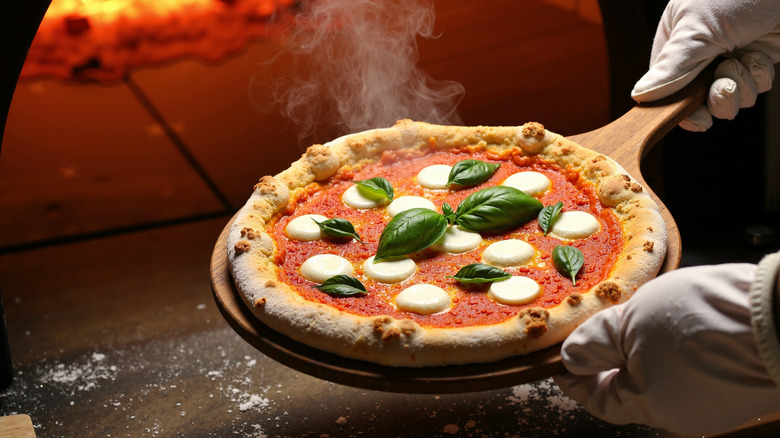
Popping a ready-made pizza in the oven is never going to compare to an authentic, crispy, Italian pizza cooked in a specialized wood-fired oven. While making a traditional pizza at home is achievable, it is technically difficult, and without the proper oven, the results won’t compare to the real thing.
“The dough needs proper fermentation, the balance of toppings has to be right, and most importantly, it’s hard to achieve that pizzeria-quality crust without a very hot oven,” explains Matt Eckfeld. While your oven at home will cook a thin pizza at 450 degrees Fahrenheit in around 10 minutes or so, pizza ovens can reach over a whopping 800 degrees Fahrenheit, allowing them to cook a mouthwatering pizza in a matter of minutes.
For this reason, Cristian Marino includes a traditional Neopolitan pizza as one of the Italian dishes that are hard for home cooks to master. “The real challenge is the oven,” he explains. “A wood-fired oven reaching nearly 500 degrees Celsius (900 degrees Fahrenheit) is essential to create the perfect charred crust and airy structure in just 90 seconds — something almost impossible to replicate in a home kitchen.”
Dining and Cooking