
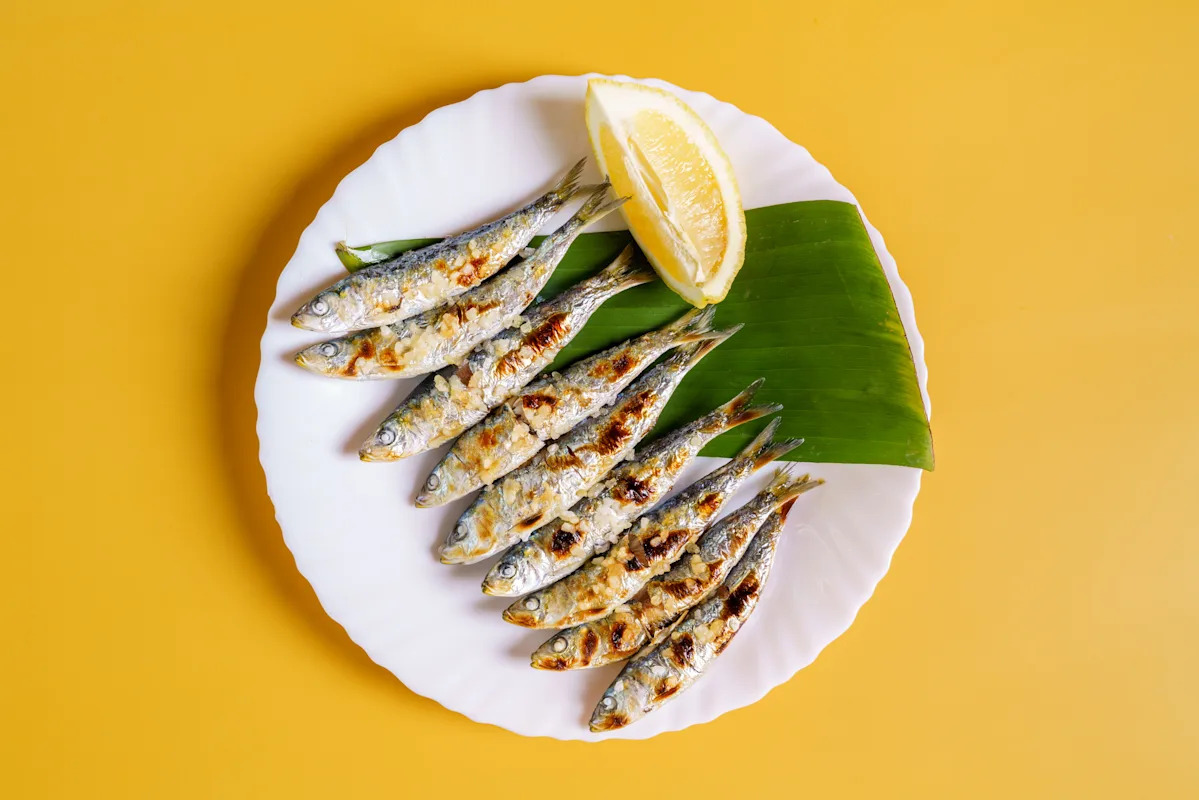
You may have heard of intermittent fasting, the Mediterranean diet or even the raw food movement, but there’s a new(ish) trend doing the rounds on social media that sounds… well, a little fishy.
The so-called “sardine fasting” or “sardine diet” is a form of ketogenic diet, and is designed to move away from carbohydrates and towards high-fat alternatives.
According to American physician and internet personality Dr Annette Bosworth – also known as “Dr Boz” – who popularised the trend in 2023, it’s “a short-term dietary strategy designed to reset your metabolism by focusing on sardines as a nutrient-dense, low-carb food.”
But is it as healthy as it’s claimed to be? Yahoo UK spoke to GP Dr Babak Ashrafi of Superdrug Online Doctor to find out more.
What is “sardine fasting”?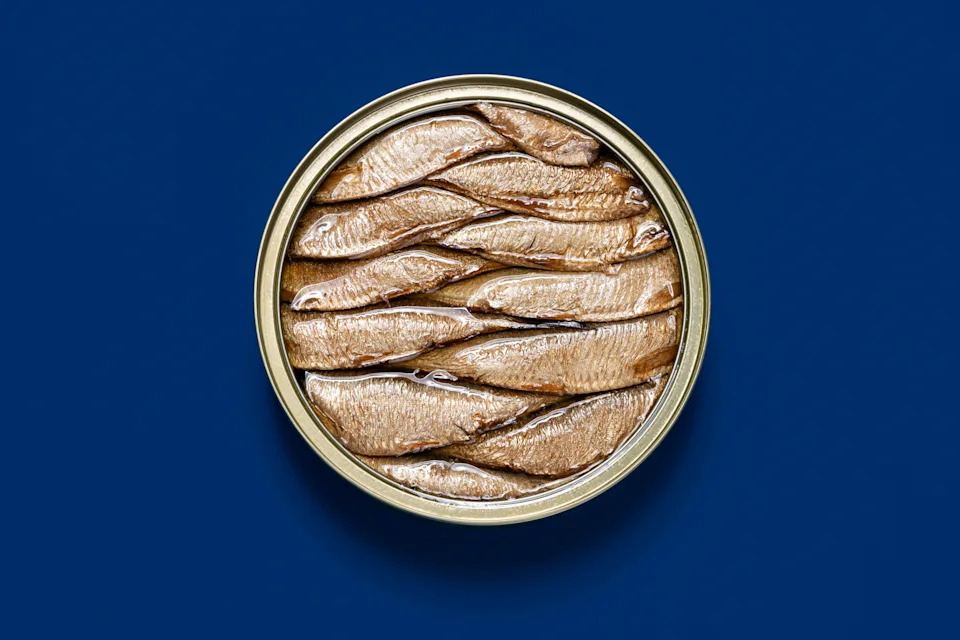
There are risks associated with the diet. (Getty Images)
Sardine fasting is where you eat nothing but sardines for a period of time. Although there’s no set amount of time outlined in the “rules”, when it reached peak popularity two years ago, many people were taking it on as a three-day challenge.
“The thought behind a sardine fast gained traction in low-carb and ketogenic diet communities as a ‘reset’ or metabolic experiment to support short-term metabolic goals,” Dr Ashrafi, explains.
However, he warns that restrictive diets are not recommended and should not be undertaken.
“Medically, eating only one type of food – in this case sardines – should not be done for more than a few days, even under the supervision of a medical professional,” he tells Yahoo UK.
Is the “sardine diet” healthy?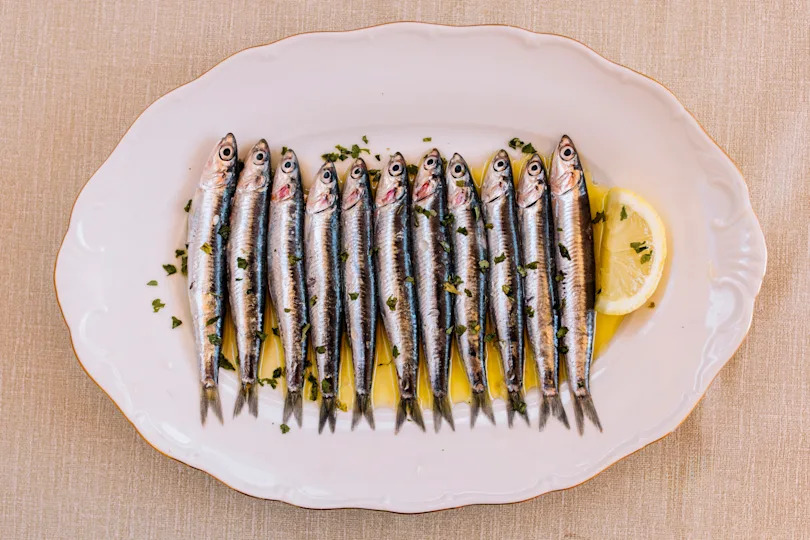
The best kind of diet is a varied one. (Getty Images)
While these short-term ‘mono-diets’ may not immediately harm a healthy adult, they are nutritionally unbalanced, Dr Ashrafi says.
For example, sardines may serve as a source of protein, omega-3 fatty acids, and some vitamins and minerals, but they lack other essential nutrients, such as fibre, carbohydrates, vitamin C, and several B vitamins, which can lead to a negative impact on digestion, energy, and weakened immunity.
“For most normal people, more than three to five days of an all-sardine diet would be considered unsafe,” he says.
“While sardines are a highly nutritious food source, a sardine-only diet is not a healthy or sustainable approach to nutrition or weight management. The lack of dietary variety means missing key nutrients vital for long-term health,” the expert explains
However, he says that “short-term inclusion or emphasis on sardines” could have some benefits. “As part of a balanced and varied diet, packed with fruit, vegetables and whole grains, eating sardines could definitely help support heart health and help increase omega-3 intake,” he says.
“However, these benefits only come from their inclusion as part of a diverse, balanced diet and not from exclusive consumption.”
In summary, sardines are an excellent addition to a healthy diet; however, a so-called “sardine fast” should only be attempted for a very short term, if at all, and should be done under medical or nutritional guidance.
What are the health benefits of oily fish?
When incorporated into a varied diet, oily fish can boost your health. (Getty Images)
When incorporated into a varied diet, sardines can offer several health benefits, according to the expert:
High in omega-3 fatty acids, which reduce inflammation and support heart, brain, and joint health.
Rich in protein, which is vital for muscle growth, maintenance and repair.
Good source of vitamin D, which is vital during the colder months when people experience less time in the sun.
A diet that includes oily fish is associated with a reduced risk of heart disease, cognitive decline, and certain inflammatory conditions.
Oily fish can be incorporated into diets in many ways, and NHS guidelines recommend at least two portions of fish per week, one of which should be oily.
“You can incorporate mackerel, salmon or sardines into meals such as salads, pasta dishes or simply serve them with potatoes and vegetables,” Dr Ashrafi notes.
“There are also cheap options such as tinned sardines in tomato sauce, which could be used for a simple lunch, served on toast.”
Read more about food, diet and nutrition:
Dining and Cooking