
Chef Snack — Episode 1
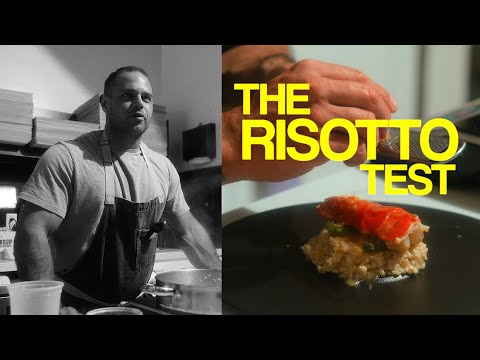
We’re kicking off the series with Chef Luke Steel, who takes us inside his process for making a lobster risotto that’s creamy, rich, and layered with flavor. This isn’t a recipe you just follow — it’s a masterclass in patience, balance, and technique.
From toasting the rice to pulling every ounce of flavor from the lobster, Chef Luke shows why risotto is a dish that tests even the best chefs. And yes — the results are worth every stir.
📌 Full recipe + step-by-step breakdown is on my Substack → https://open.substack.com/pub/solsnack/p/lobster-risotto-with-beurre-blanc?r=41ilvy&utm_campaign=post&utm_medium=web&showWelcomeOnShare=true
Follow Chef Luke Steel on Ig → ChefLukeSteel
The reason I became a chef is because I love fastpac insanity. If I had to describe passion, I feel like it’s very closely intertwined with insanity to a certain extent. Obsession. Anything in life, any facet of life where it’s like I’m not insanely obsessed. Insanity, obsession, and passion all are interwoven for me. Something that I would do every day, I do every day, you know, and money isn’t the cause of it or the sole proprietary focus. My inspiration behind this dish was how can I do something that’s a little more refined to just like a lobster risoto. I like doing scales on dishes cuz it’s like just aesthetic of this nice and I shaved plots really thin that looks like the color texture of like raw lobster. Why don’t I add that on top of the lobster to have cooked lobster look raw and it’s just also adds a little sweetness and a little crispness to it and it’s just different. And you can kind of just use your nail and just peel it right off. So that way you’re getting like maximum yield of your garlic. Chopping garlic. I like to just go down it very thin. You can keep garlic shaved and cook with it. For this application, I like it a little more fine. Come through like this. Just go back and forth. It’s also better to have a bench scraper and not use your knife. A little trick to get easier brun wall for shallot. I like to square it off. So I’ll take off the ends. Half it as well to make your life that much easier. Whatever ends or trim that I have, I’ll save for sauce. Now that we have our garlic and shallots brun loaded, we’re now going to start sweating those out before toasting the rice of our risoto. So, a brun wall is a 16th of an inch cut. You’ll learn uh different cuts as far as like rough chop, large dice, medium dice, small dice. Then when you get something more fine, you have a brun wall and a fine brun wall. Some people argue that a brun wall is an eighth of an inch. Some people argue it’s a 16th of an inch. I was always taught it was a 16th of an inch. Get it as fine as you can. So, now that we have our garlic and shallot sweating, we’re going to toast our rice. The reason you toast rice is one to add a little deeper, more complex nuttiness to the rice, as well as it allows it to soak up the moisture a little slower, creating a more even cook. You want to continue to toast the rice, constantly moving it so it doesn’t burn. But we want to make sure the pan’s getting hot enough that we’re going to be able to delaze with the wine. We’re going to delaze the pan with some white wine. To make this stock, you need to slaughter your finest and largest chicken. Sacrifice it for the dish. It makes it taste better when you loved it. When you’re making risoto, you look at your rice granule. You see that like that’s still very opaque, and you’ll be able to see the difference between a cooked and raw. So, when you’re cooking risoto, you slowly feed it. Allow it to soak up all that moisture before adding more stock to it. And it’s also a constant stir. You don’t want your rice to overcook. You don’t want it to cook unevenly. Since I added my stock, I’m going to slowly start to season it. I’m not going to season too heavy right now because it’s going to be a constant progression of seasoning where I just want to slowly start building that flavor. And at the end is when I’ll really adjust the seasoning. But just little bits of salt and pepper here throughout the cook process. The rice has begun to absorb that stock. We’re going to add some more little bit at a time and continue moving that rice around. I like to rotate the pan as well just to also ensure that everything is being evenly dispersed. So, now that there’s just a sliver of the opaque color left in the rice, I’m going to pull it off. A little trick to make sure your risoto doesn’t overcook when it’s cooling down is you’re going to want to flatten it out and spread it out into an even layer as even as possible. A sheet tray also works for this application. And then you’re going to draw some lines in it. So this allows cool air to be able to start to stop the cooking process of the rice without it stopping too suddenly like putting it in a walk-in or refrigerator. So for burblanc, we’re going to start to sweat out some shallots. That was the trim from the risoto as well as a clove of garlic. Now that we had the garlic and shallots going, we’re now going to delaze with white wine. With this recipe of burblanc, you could also add thyme, a little vinegar. I’m not doing that today. I’m just keeping it garlic shallot wine butter. The time period he grew up in, he was cooking in restaurants. It was more looked down upon. It’s like, “Oh, you’re going to work in restaurants? You’re going to cook?” You know, it was kind of like for outcasts and scoundrels. This dude was doing heroin, sleeping on the beach, and then going to work. I personally like to just leave the garlic and shallot in. You can strain it out. So, when we emulsify the butter, we’re going to take it off the heat to make sure that your sauce doesn’t break. So, you slowly just start adding cold butter in there. Little bits at a time. Whisk, whisk, whisk, whisk, whisk. And there’s enough residual heat in the pan to allow you to emulsify that butter. Now that we have our butter emulsified in our sauce, we’re going to adjust the seasoning. So for me, I like to adjust the acid as well as the salt at the end. So we’re going to have to throw some lemon juice in there. Always fresh lemon, none of that bottled stuff. If your burblanc starts to break, you can add cream as a stabilizer. Just be careful with the citrus because that could also curdle the cream. Now that I have the viscosity that I want from the lemon juice, we’re going to start adding salt. Little pinches at a time. Emulsify and taste. I can find a small enough spoon. All my spoons are massive. coming to taste this little finger bird blanc with like a spoon like this. Okay, we’re going to taste our sauce. We’re going to get the lobster tail ready to poach. For this preparation of the lobster, I’m going to come down the belly side and cut. Kind of just crack it, break it, and run your fingers along the top side so that you have this beautiful piece of lobster. Before we cook the lobster, we’re going to get two skewers. So, we’re just going to take the skewer and run it along the lobster on each side. The purpose of this is so when we start to cook the lobster, it doesn’t curl up. We want the tail to stay as flat and straight as possible. leftover butter from poaching the lobster in. We’re going to put that back into the pan. We’re now going to take our risotto rice that we had parcooked earlier. Put that back into the pan. We don’t really want to cook the rice. We just essentially want to heat it. Take it off the heat. [Music] I like using a marapon in this dish because it gives it a really rich creamy texture. Just fold it in a little more cuz why not? Now we’re going to take it off the heat. Fold in a little creme fresh. [Music] I had this when they were doing their taste testing for the restaurant and like I was like, “You have to make this for my chef snack series.” All right, let’s try it. Let’s try it. Fingers crossed. Oh, good. So, it’s tangy and like creamy and buttery textured. And I love the little citrusy ting that you get from the plots. Right. And then what did you put on top? That’s lemon zest. No, that’s cured egg yolk. That’s just an egg yolk. You just put on salt for 3 days and then dehydrate. I thought this was a mandarin. No, no, it’s egg yolk. It adds umami. Oh, interesting. It’s just another way to get It’s almost kind of like parmesan, but not. You guys have to see this. Just bury it in yolk and then you can shave it on top of anything. It’s very versatile. I love it as a garnish and it really impacts flavor as well. The the contrast between the the yolk with like the richness and the saltiness and then the freshness and bit of acidity and sweetness with the plot. It kind of balances, you know, and it everything goes together. It’s like perfect. It’s still so good. Taste. Make sure you’re not lying. I feel like chefs are always so hard on themselves. Oh, I’m hyper critical. It’s never good enough. The texture like I’ve had lots of risoto and it’s never like it’s almost like it has it does have like that al dente to it. The rice does. And I love that because I don’t want mush in my mouth. I want like a little bit of texture and I want to know that I’m eating rice for sure. Chef’s kiss. First episode of Chef Snack. Chef Luke Steel. Thank you so much for having us. Thank you guys. And hopefully we can come back. Definitely looking forward to it. Yay. Take care. Thank you, chef. Thank you, [Music] [Applause] [Music]
4 Comments
Very entertaining
This channel keeps getting better and better ❤
Omg more people should be watching this. The video quality is so gooooood I LOVE YOUR STYLE!
This channel is THE moment. You deserve a million subscribers for real