
From Instagrammable bathrooms to smoke-bubble cocktails, how foodfluencers turned city dining rooms into content factories—for better or worse.
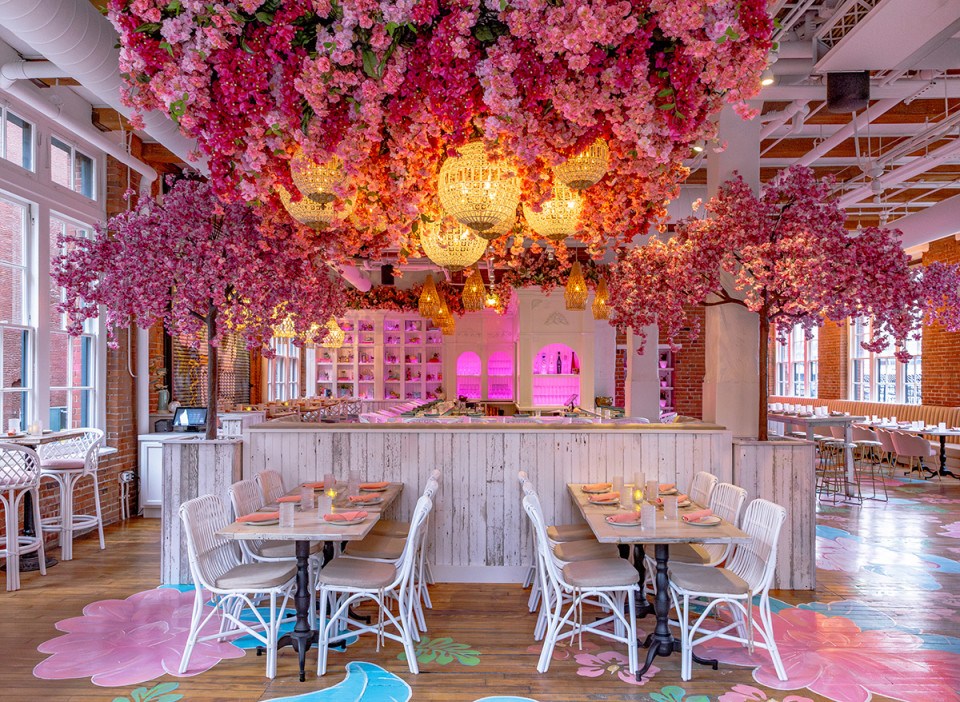
“Ten years ago, you’d go to a restaurant because of the chef—I think those days are gone,” says Jason Santos, Citrus & Salt is now open. / Photo by Mike Diskin
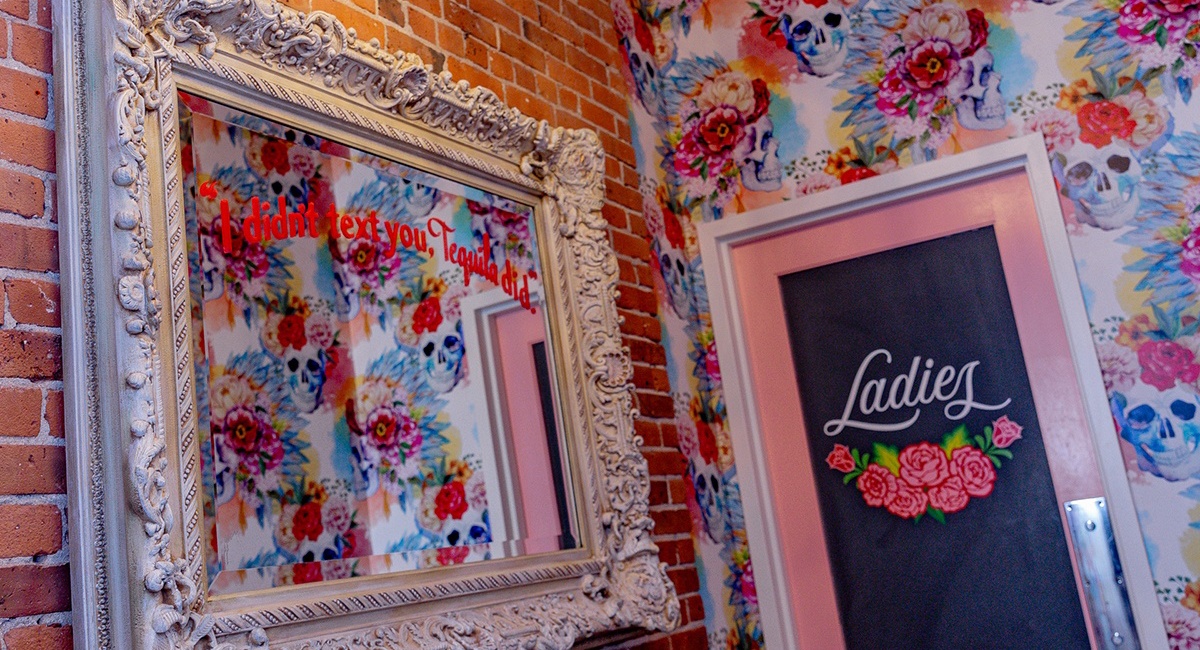
Celebrity chef and restaurateur Jason Santos has a mirror in the bathroom of his bustling Fort Point coastal-Mexican spot, Citrus & Salt. On it, scrawled in hot pink, is a boozy phrase: “I didn’t text you, tequila did.” It’s one of the most Instagrammed spots in a restaurant full of big visual moments—fluffy pink flowers cascading from the ceiling, glitzy chandeliers, margs served in a Patrón tree—and Santos says that’s by design. “If you create a conversation that people think is cool enough that they want to talk about it, you’ve sort of won,” he says.
Santos doesn’t mince words about food influencers’ impact on Boston’s restaurant scene: “Ten years ago, you’d go to a restaurant because of the chef—I think those days are gone,” he says. “[Now], it’s like dinner and a show.” And he isn’t the only restaurateur in Boston these days who’s considering how their dining room’s ambiance will translate on an influencer’s social media feed. Kevin Liu, cofounder of Notoro Hospitality Group, which just opened Mai, a buzzy French-Japanese spot in the Seaport, agrees. “Influencers coming in and describing their experience are the fastest way to get your restaurant’s image out there.” Though Liu is quick to underscore that quality is key, he admits he prioritizes over-the-top visuals at his restaurants (see: the smoke-bubble-topped cocktail at Mai). After all, “The more people that see a video, the more people come in.”
Restaurant design has changed most in the influencer era. Before social media, Boston’s dining rooms were all brick walls and wooden booths, says Assembly Design Studio co-owner Erica Diskin, who has dreamed up many of the city’s hottest restaurants, from Citrus & Salt to Prima. In the early days of Instagram, local restaurants began adding cool details—a neon sign or a colorful mural. Now, with the explosion of Reels and TikTok videos, “it’s kind of less about that one moment and more about the whole aesthetic of a place,” Diskin says. “It’s the whole movie that we’re putting together.” That shift, she believes, has had a positive side effect: “It’s helped Boston evolve into a more interesting dining scene in general, to kind of be more in line with New York, Miami, and Chicago.”
But this Instagram-first approach comes with complications. Some chefs and restaurant owners express frustration with the “dark side” of the industry—influencers with barely any followers sliding into their DMs asking to collab (a.k.a. get a free meal); ones who roll in with four guests instead of the reserved two; others who reschedule or fail to show up, taking tables away from paying customers. But most recognize it’s a game they’d be wise to play. As Liu puts it, “I would say they can make or break a business.”
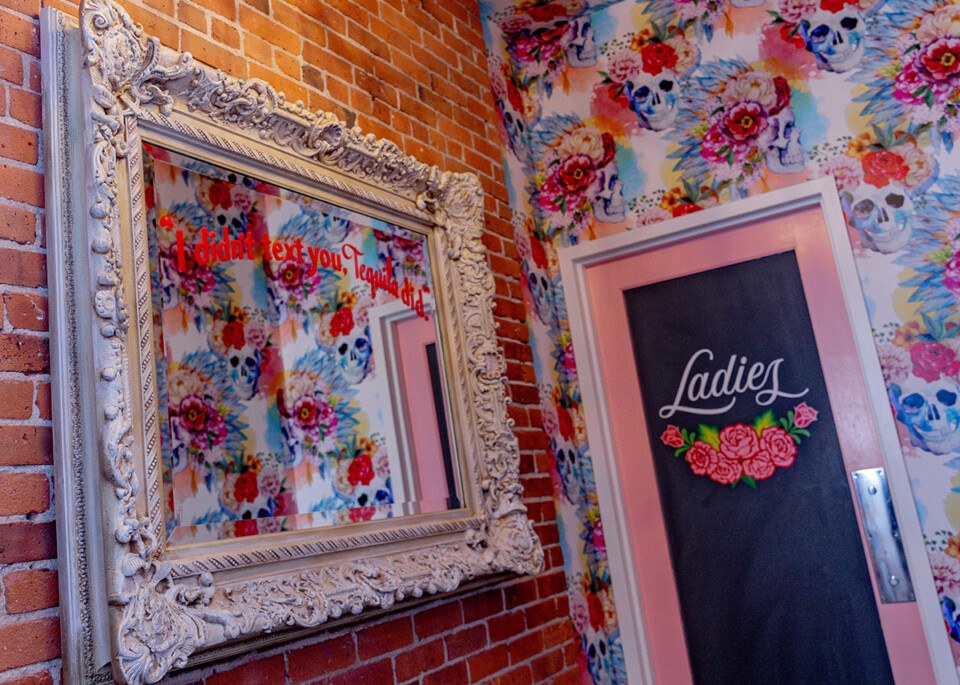
The mirror bathroom of bustling Fort Point coastal-Mexican spot, Citrus & Salt: “I didn’t text you, tequila did.” / Photo by Mike Diskin
First published in the print edition of our November 2025 issue, as part of our “The Relentless, (Sometimes) Lucrative, Surprisingly Wild World of Boston Influencers” package.
Dining and Cooking