
Key Takeaways
A pescatarian diet—vegetarian plus fish/seafood—can offer benefits like lean protein and omega-3 fats while emphasizing plant-based foods.Fish and seafood intake in a pescatarian pattern is linked to better heart health and may support metabolic health, though research is still emerging.Those following a pescatarian diet still need to monitor nutrients like iron, zinc, calcium, vitamin B12, and avoid high-mercury fish for safe, balanced eating.
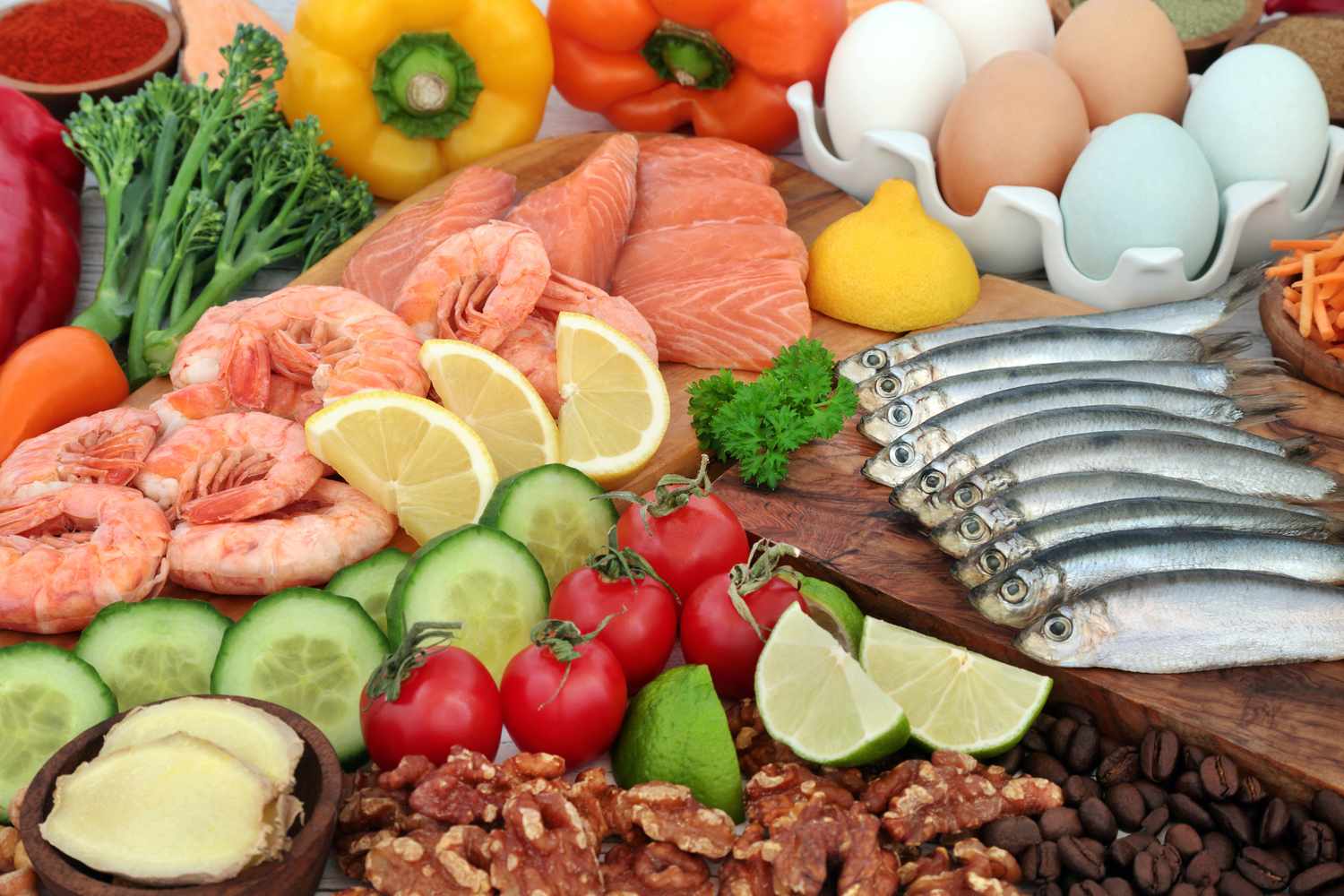
A pescatarian diet is a vegetarian diet that also includes fish and seafood, relying on whole, plant-based foods, vegetables, fruits, whole grains, nuts, seeds, and fish. These food categories are staples for most eating patterns that experts recommend for general health and disease prevention.
1. May Improve Heart Health
A pescatarian diet may improve heart health through weight loss, lowering your cholesterol, or mediating inflammation. Though there is very little research on the health benefits of pescatarian diets, there is data on the health benefits of vegetarian diets and fish consumption:
Vegetarian or vegan diets can lower total and low-density lipoprotein (LDL) cholesterol levels. Other studies have suggested that vegetarian and vegan diets can lower heart disease risk, but more studies are necessary to confirm these findings.
Higher fish intake is associated with lower heart disease incidence and mortality. One study found that for every additional 20 grams of fish intake, cardiovascular mortality risk decreased by 4%.
Fatty fish like salmon, mackerel, or herring provides the most benefits for heart health. One study suggests that the benefit is lost if eating fried fish, which may increase cardiovascular events. The American Heart Association and the Dietary Guidelines for Americans recommend eating at least two servings of fatty fish per week.
2. May Benefit Metabolic Health
There is little consensus on the definition of metabolic health. Metabolic syndrome is defined as a group of conditions that increase your risk of diabetes, heart disease, and stroke.
Metabolic syndrome is defined as having three or more of the following:
There is no specific diet for metabolic syndrome. There is also no research specific to a pescatarian diet and metabolic syndrome.
However, many foods recommended in a pescatarian diet are considered beneficial for metabolic syndrome. For example, some studies have shown that eating more fish may lower the risk.
Available data suggests that vegetarian diets, compared to standard therapy, can improve:
Blood pressureFasting glucoseHemoglobin A1CBody weightWaist circumferenceCholesterol levels
However, the improvements were modest and not without bias in some of the studies. Further research is still necessary.
If you are concerned about your metabolic health or have metabolic syndrome, consult with a registered dietitian nutritionist (RD or RDN) to determine an individualized eating pattern that is best for you.
3. Could Help Manage Type 2 Diabetes
Guidelines for nutrition therapy in people with type 2 diabetes recommend several healthy eating patterns, including vegetarian, Mediterranean, Dietary Approaches to Stop Hypertension (DASH), and low-fat diets. These diets can also help reduce the risk of developing type 2 diabetes.
These diets also may help with weight loss and reduce markers of increased disease risk (e.g., cholesterol levels).
Because a pescatarian diet is a relatively new regimen, there is not enough research to say it will have similar effects. Yet, the general principles of this diet are a blend of vegetarian and Mediterranean diets, two of the patterns mentioned as acceptable for people with type 2 diabetes.
Specific to fish, there has not been enough evidence to conclusively explain the effects of fatty fish on type 2 diabetes risk. However, higher fish intake has been associated with lower all-cause mortality in people with type 2 diabetes.
Working with an RDN can help you manage your diabetes through nutrition by establishing the best eating patterns for your needs and health goals.
4. May Reduce the Risk of Some Cancers
There are few studies specific to pescatarian diets and cancer prevention. However, some research has shown that:
Compared to meat eaters, vegetarians and pescatarians have a lower risk of overall colorectal and prostate cancer.Plant-based diets may help prevent gastrointestinal (GI) cancers.Dietary factors associated with reduced cancer mortality include vegetarian diets, fish consumption, Mediterranean diet, and more.
For overall health and cancer prevention, the American Cancer Society recommends an eating pattern that will:
Help maintain a healthy weightInclude a variety of vegetablesInclude a variety of whole fruitsFocus on whole grains and limit refined sugarsLimit red and processed meatsLimit heavily processed foodsLimit alcohol
Most of these recommendations are also recommendations for a pescatarian diet.
5. Possible Anti-Inflammatory Effects
Chronic inflammation can progress as we age and become a leading contributor to diseases like heart disease, cancer, and diabetes.
There are markers of chronic inflammation. A blood level of C-reactive protein (CRP) is probably the most popular.
Again, there are no studies specific to a pescatarian diet, but a vegan diet (compared to a meat-eating diet) can reduce CRP and fibrinogen levels. Adding omega-3 fatty acids to the diet from eating fish could also contribute to anti-inflammatory properties.
Pescatarian Diet vs. Mediterranean Diet
Some may think the pescatarian diet is the same as the Mediterranean diet. Though they both include similar plant-based foods and fish, there are a few differences. For instance, the Mediterranean diet allows meat and poultry. It also emphasizes olive oil as a primary fat source.
The Mediterranean diet also recommends:
Plenty of fruits and vegetablesWhole grains with a high fiber contentFish to provide omega-3 fatty acidsLimiting saturated fat found in red meat and dairyLimiting simple carbs and added sugars
What Do You Eat on a Pescatarian Diet?
A pescatarian diet will include many plant-based foods, such as:
Whole grains
Nuts
Legumes
Fruits
Vegetables
Healthy fats, including vegetable oils
It will also include fish and seafood like:
AnchoviesBlack codBluefin tunaClamsCobiaHaddockHakeHerringLobsterMackerelOystersPollockSalmon (including farmed salmon)SardinesScallopsShrimpStriped bassTilapiaTroutWhitefish
People following vegetarian and pescatarian diets may also include eggs and dairy.
Nutritional Benefits of Adding Fish to an Otherwise Vegetarian Diet
Fish and seafood are excellent sources of lean protein, meaning they provide fewer calories and fat but a similar amount of protein to red meats.
They also provide a good amount of healthy fats such as omega-3 fatty acids. Omega-3 fatty acids are known to be anti-inflammatory.
The three main omega-3 fatty acids are alpha-linolenic acid (ALA), eicosapentaenoic acid (EPA), and docosahexaenoic acid (DHA). Seafood and fish are excellent sources of EPA and DHA.
Consuming fish can help you meet your omega-3 fatty acid requirements if you follow an otherwise vegetarian diet. ALA is available from plant-based sources and then converted to EPA and DHA in the body but only in small amounts. Therefore, getting EPA and DHA from foods like fatty fish is recommended.
Omega-3 fatty acids from fish and seafood promote heart health and lower triglycerides. Some research (but not all) suggests eating fish and seafood may help:
Prevent some types of cancerPrevent dementia or Alzheimer’sReduce the risk of age-related macular degenerationBetter manage symptoms of rheumatoid arthritis
Fatty fish that are rich in omega-3 fatty acids include:
AnchoviesBlack codFresh or canned tunaCobiaHerringMackerelSalmon (including farmed salmon)SardinesSea bassStriped bassWhitefish
Certain types of seafood may also be an excellent source of micronutrients. For example:
Canned sardines or salmon (with bones) provide calcium
Oysters are rich in zinc
Clams, oysters, and some fish are good sources of vitamin B12
Oysters and sardines are good sources of iron
What Are the Drawbacks of a Pescatarian Diet?
Like a vegetarian diet, getting enough of certain nutrients that usually come from animal sources can prove challenging. This includes nutrients like iron, vitamin B12, zinc, calcium, and protein.
These nutrients are more available when following a pescatarian diet than a vegetarian or vegan diet, but only with select types of fish and seafood. For pescatarians, consuming fish and seafood will add to their protein intake.
Moreover, those following a pescatarian diet will want to make sure they include the types of seafood that contain these necessary nutrients. These may include:
If you are not a fan of oysters and some of these other specific fish and seafood options, then you will want to pay attention to other good plant-based sources or discuss whether supplementation is advisable with your healthcare provider or RDN.
Another potential drawback of the pescatarian diet is the mercury content of fish. Avoiding the types of fish that have the highest mercury levels is the best approach. These include:
King mackerelMarlinOrange roughySharkSwordfishTilefishBigeye tuna
Who Should Not Follow a Pescatarian Diet
People who should avoid a pescatarian diet or take precautions include:
Anyone with a fish or seafood allergy should avoid following a pescatarian diet.
Pregnant and breastfeeding people should limit fish intake to two to three 4-ounce servings of low-mercury fish per week. Popular choices for these include sea bass, cod, salmon, and most shellfish.
Children should have no more than two servings per week of low-mercury fish. Note that serving sizes differ depending on the child’s age.
Further information about the mercury content of particular types of fish and a table of good choices as opposed to fish to avoid are available from the U.S. Food and Drug Administration.
A Word From Verywell
A pescatarian diet is high in lean protein and heart-healthy fats, thanks to the inclusion of fish, while still offering the benefits of eating plant-based foods. Any diet that emphasizes fruits, vegetables, whole grains, and fish may provide health benefits. You might choose to follow a pescatarian diet to help manage a health condition such as heart disease or simply as an overall healthful diet.

Dining and Cooking