
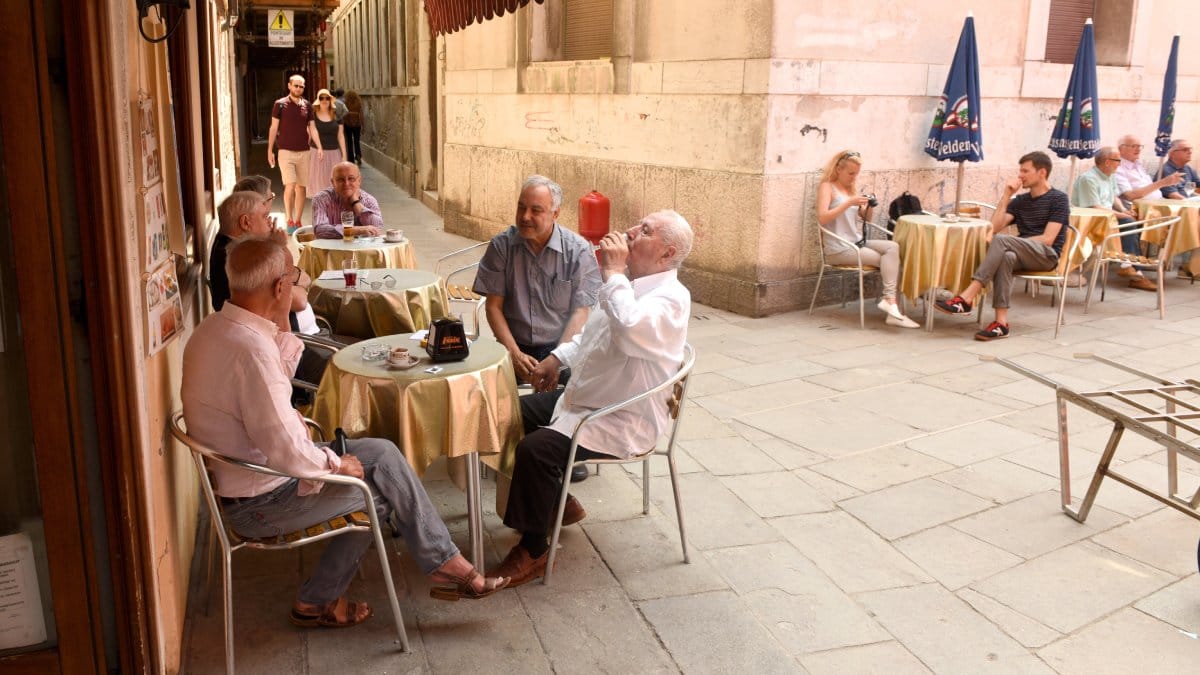
Italy is recognized worldwide as one of the countries with the highest life expectancy. Data from the Italian National Institute of Statistics (Istat) indicate that, in 2023, the average life expectancy in the country reached 82,7 years.
Several factors contribute to this longevity, with emphasis on the Mediterranean diet and lifestyle.
Mediterranean diet: a heritage of humanity
A mediterranean diet, recognized as an Intangible Heritage of Humanity by UNESCO in 2010, is the foundation of Italian health. Rich in olive oil, vegetables, fruits, whole grains, fish and moderate consumption of wine, it provides a combination of nutrients that help prevent cardiovascular diseases and chronic inflammation.
According to a study published in the scientific journal The Lancet, following this diet significantly reduces the risk of heart disease and obesity. In addition, the habit of consuming fresh and seasonal foods, often purchased at local markets, reinforces the nutritional quality of meals.
Balanced pace of life
Italians also value a balance between work and leisure. Long family meals, known as “lunch” (lunch), and the traditional “walks” (walks at the end of the day) not only strengthen social bonds, but also promote mental well-being.
According to one research do Italian Higher Institute of Health (ISS), maintaining an active social life is one of the factors that most contribute to healthy aging. Constant interaction between friends and family reduces stress, one of the greatest villains of modern health.
Physical activity in your routine
While not all Italians go to the gym, their active lifestyle is evident in their daily lives. Many cities have historic city centers where cars are banned, encouraging walking and cycling.
Um lifting da World Health Organization (WHO) highlights that Mediterranean countries, including Italy, have lower rates of sedentary lifestyle compared to other European countries.
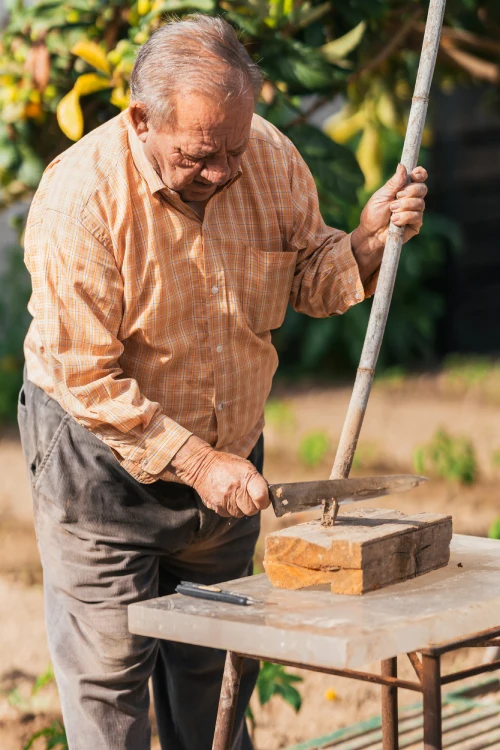 Elderly Italian man working on a craft project outdoors, an example of how keeping the mind active contributes to longevity | Photo: Depositphotos
The role of culture and genetics
In addition to external factors, studies suggest that genetics may also play a role. In regions such as Sardinia, one of the world’s five “blue zones” (areas with a high concentration of centenarians), the combination of genetic and cultural factors, such as simple diets and a strong sense of community, is decisive.
Dining and Cooking