
Part of our continuing coverage of the 2020 NYIOOC World Olive Oil Competition.
Producers from across the Mediterranean basin – the endemic home of the olive tree – once again dominated the results of the 2020 NYIOOC World Olive Oil Competition.
Entrants from 14 countries in southern Europe, the Middle East and North Africa combined to win 465 of the 584 awards.
Our team at Orchards of Laila are all ecstatic to know that all our hard work is being recognized globally.- Ibrahim Al Kaakour, owner of Genco Olive Oil
Among the many Mediterranean winners, two Lebanese producers claimed their hard-earned awards.
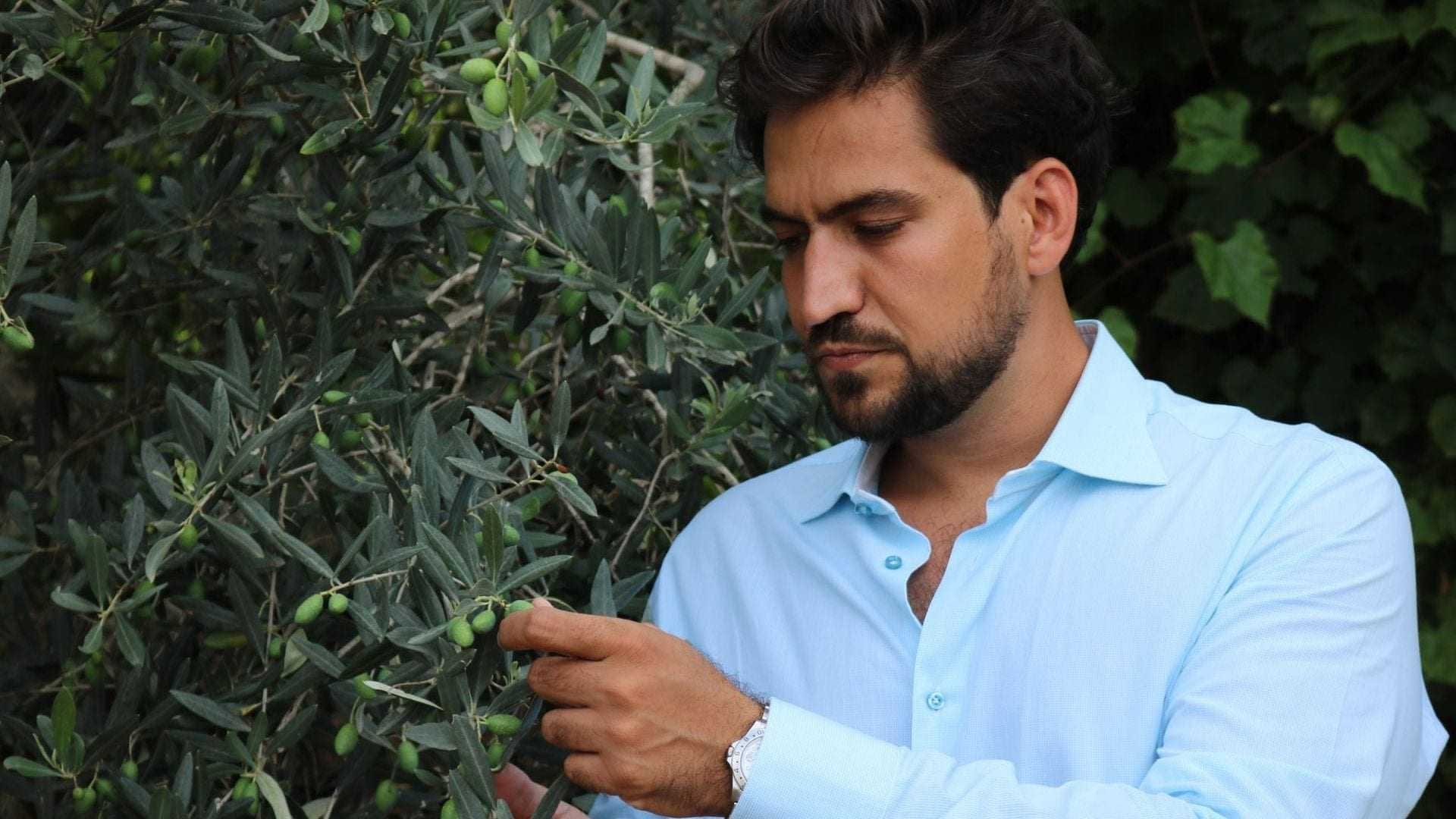
“It gives us great pride to represent the oldest country to ever produce olive oil, Lebanon, and its local cultivar, Souri,” Ibrahim Al Kaakour, the owner of Genco Olive Oil, said.
See Also:Special Coverage: 2020 NYIOOC
While there is some disagreement among archaeologists and historians about where exactly in the eastern Mediterranean olive oil production began, there is no disputing the role the Phoenicians (from what is now Lebanon) played in spreading the olive tree throughout the basin.
Traders from the southern port of Tyre – one of the oldest continually inhabited cities on earth – were responsible for bringing the tree to Carthage (modern-day Tunisia), the Tuscan coastline and the rolling hills of Andalusia.
In spite of this prominent role in the history and development of olive oil production, modern-day Lebanon is a minor player in terms of the global olive oil sector. In 2019, the country produced 19,000 tons of olive oil, according to International Olive Council data, most of which remained in the domestic market.
However, winning awards at the world’s most prestigious olive oil quality competition does help to raise the profile of the historic olive oil region and provides some producers with a window of opportunity to market their oils to the rest of the world.
“Our team at Orchards of Laila are all ecstatic to know that all our hard work is being recognized globally at this prestigious award ceremony,” Al Kaakour said. “We are happy to put Lebanon back on the world map after thousands of years!”
Orchards of Laila, Genco’s organic robust Souri, earned a Gold Award at the competition.
“Souri is a robust cultivar that is more intense on the taste scale rather than the aroma,” Al Kaaakour said. “It gives its maximum potential in the early harvest season, late September to early October.”
“It also represents Lebanon and its people in its resilience,” he added. “It can withstand harsh climates and drought better than any other cultivar we have come across.”
The hardiness of the cultivar aids Al Kaakour and Genco Olive Oil in the company’s main mission: to produce high-quality olive oils using only organic methods.
“Trying to maintain organic farming methods proves to be the most challenging for olive farmers,” he said. “We tend to be more exposed to disease, especially with the olive fruit fly.”
“However, despite the extra effort, time and cost that organic farming entails, the end product of a clean top-quality organic olive oil justifies all the hard work and makes us all proud,” Al Kaakour added.
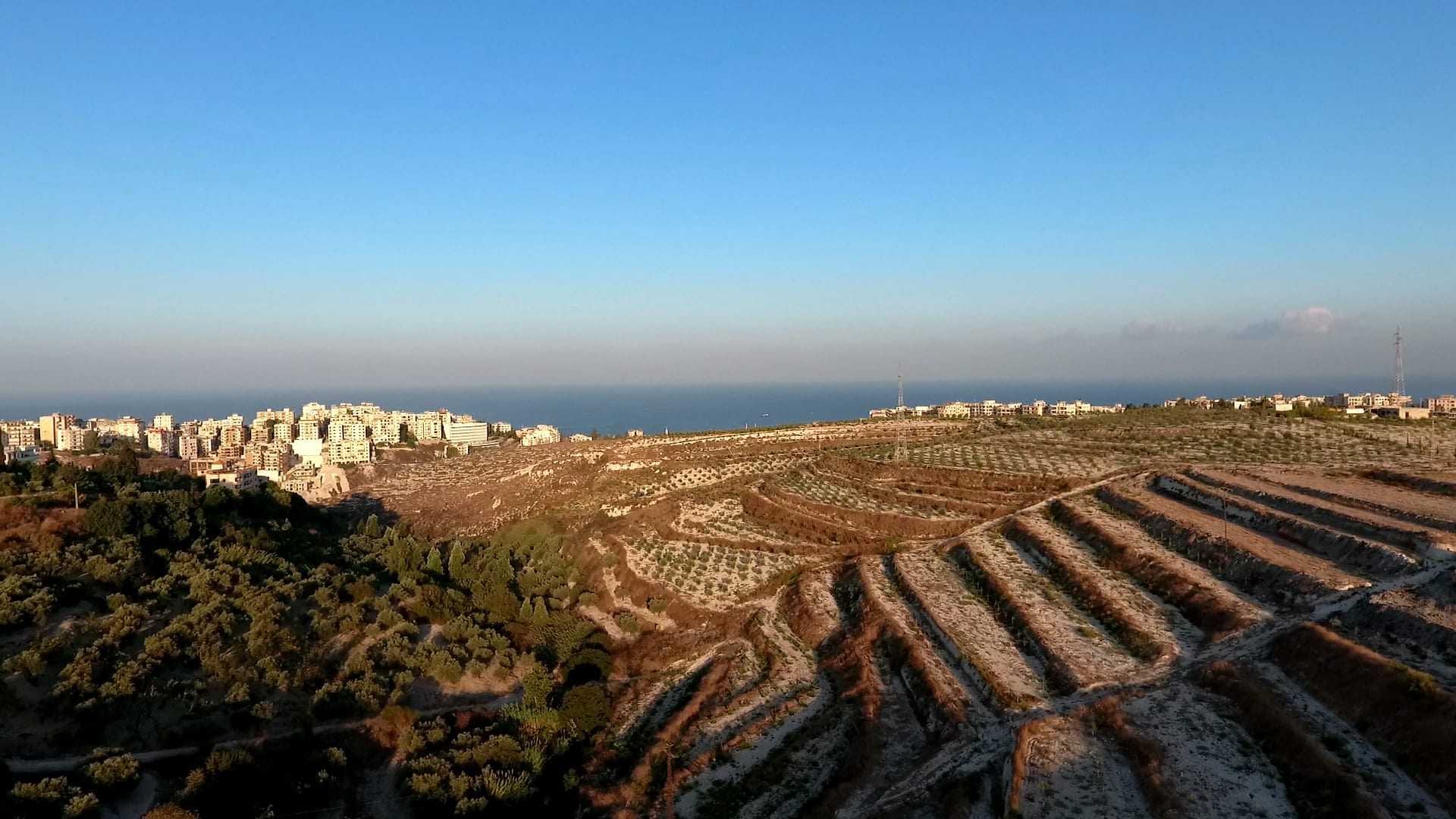 The Bustan el Zeitoun farm
Lebanon’s other award-winning producer was Bustan el Zeitoun, which was awarded for the third consecutive year at the NYIOOC.
At the 2020 edition of the competition, the south-central Lebanese producer earned a Silver Award for its medium Frantoio.
“We feel proud to be winners for three consecutive years at NYIOOC competition,” co-owner Walid Mushantaf said. “Professionals in the food industry and extra virgin olive oil lovers use these results to make their purchasing choices.”
In 2019, Bustan el Zeitoun produced 20,000 liters of extra virgin olive oil from its groves, which sprawl across the terraced hills of the Aabra region. Along with Frantoio, Mushantaf grows 11 other Italian varieties, including Maurino, Leccino, Biancolilla, Nocellara and Coratina.
During Lebanon’s bloody 15-year civil war, he left his homeland and studied olive oil production in Europe. Upon his return to Lebanon, he sought to rebuild some of what had been destroyed during the war and incorporate modern technology to his olive oil production.
However, he admitted that getting producers to abandon traditional methods has been a challenge.
 Photos courtesy of Walid Mushantaf.
“Lebanon has its own traditional cultivars and most oil mills operate with the traditional stones and means,” Mushantaf said. “People here stick to tradition and some even told me they do not trust the new mill transformation technologies. With these awards in New York, though, it will be easier to win the trust of some of them.”
Mushantaf said that he had invested heavily in a “new and innovative” oil mill for the coming harvesting season, in order to alleviate some of the problems that he ran into in 2019.
“We start our harvesting around mid-September when the olives are green in order to obtain good quality oil,” Mushantaf said. “During this early period of the season, no nearby olive mills were open, so we drove for two hours each day to process our olives in a modern olive mill during the same day of harvesting, and this lasted for almost a month.”
Mushantaf added that the new mill should be ready in time for the start of the 2020 harvest and imagines this will improve the chances of Bustan el Zeitoun earning a Gold Award once again at the 2021 NYIOOC.
Dining and Cooking