
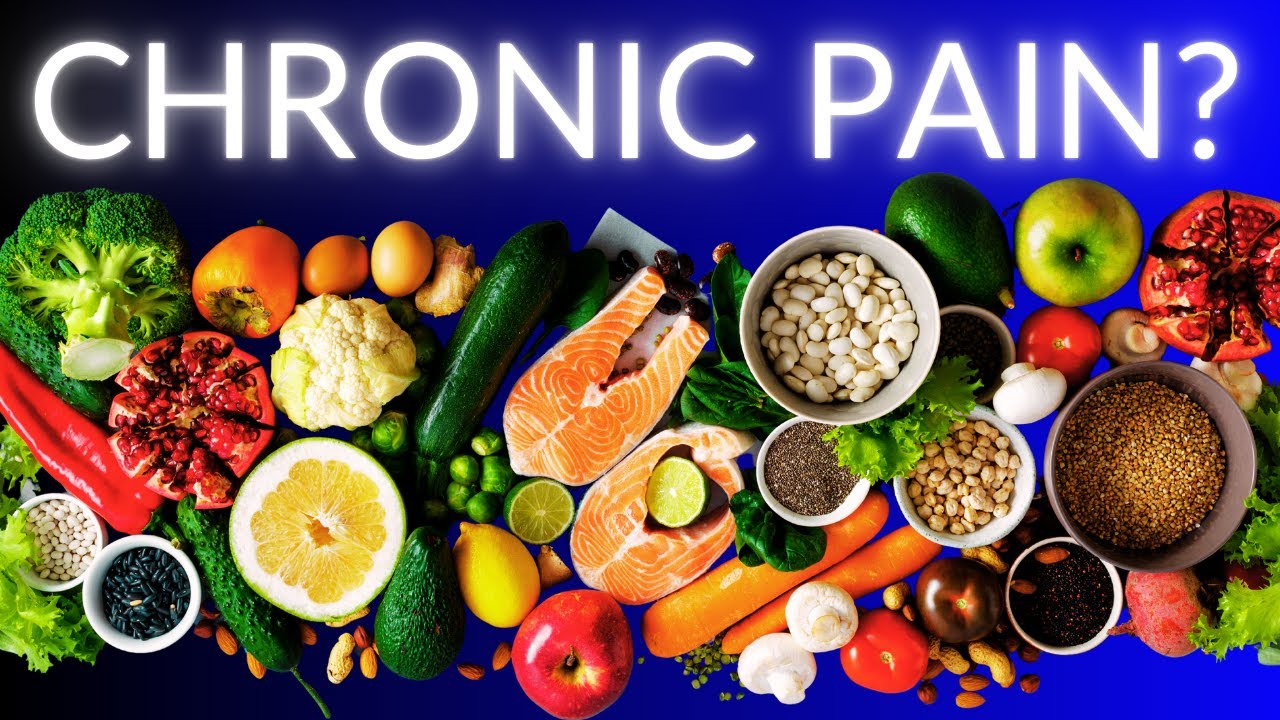
anti inflammatory diet, anti inflammatory foods, chronic inflammation, foods that fight inflammation, inflammation diet, pain relief foods, arthritis diet, anti inflammatory meal plan, best anti inflammatory foods, top anti inflammatory foods, anti inflammatory lifestyle, reduce inflammation naturally, foods for inflammation, natural inflammation remedies, anti inflammatory recipes, inflammation reducing foods, gut health foods, antioxidants foods, omega 3 foods, anti inflammatory herbs, turmeric benefits, ginger benefits, garlic benefits, berries anti inflammatory, broccoli anti inflammatory, cruciferous vegetables benefits, coconut oil benefits, mushrooms benefits, herbs spices anti inflammatory, omega 3 fats, pastured eggs benefits, olive oil benefits, avocado benefits, fermented foods benefits, probiotics foods, grass fed dairy benefits, green tea anti inflammatory, sweet potato benefits, dark chocolate benefits, bone broth benefits, papaya anti inflammatory, tomatoes anti inflammatory, anti inflammatory breakfast, anti inflammatory drinks, anti inflammatory smoothies, anti inflammatory snacks, anti inflammatory grocery list, anti inflammatory superfoods, inflammation pain relief, inflammation management, inflammation and diet, anti inflammatory eating, fight inflammation fast, natural pain relief foods, reduce swelling naturally, detox foods, immune boosting foods, anti aging foods, skin health foods, heart health foods, brain health foods, healthy lifestyle tips, immunity boosting diet, anti inflammatory nutrients, polyphenol rich foods, catechins green tea, bromelain pineapple benefits, sulforaphane vegetables, MCT oil benefits, lauric acid benefits, beta glucans mushrooms, probiotics gut health, kefir benefits, sauerkraut benefits, kimchi benefits, miso benefits, A2 milk benefits, vitamin K2 foods, EGCG benefits, lycopene foods, anti cancer foods, inflammation reducing spices, chronic pain diet, holistic healing foods, natural healing diet, whole foods diet, plant based anti inflammatory diet, anti inflammatory tips, anti inflammatory habits, foods for joint pain relief, anti inflammatory eating plan, natural wellness foods, wellness diet, healthy anti inflammatory choices
Anti-Inflammatory Diet, Chronic Inflammation, Pain Relief, Anti-Inflammatory Foods, What I Eat Every Week, Arthritis Diet, Anti-Inflammatory Recipes, Healthy Lifestyle
What is the #1 most anti-inflammatory food?
How to reduce inflammation in a child?
How to create a 21 day anti-inflammatory meal plan?
Is chicken inflammatory?
Top 20 anti inflammatory foods
21-day anti inflammatory diet
What are the 10 worst foods for inflammation
Inflammatory foods to avoid
Anti inflammatory foods in India
What can I drink to reduce inflammation
Anti inflammatory vegetables
Anti inflammatory supplements
https://healthandwellbytes.blogspot.com/2025/11/top-anti-inflammatory-foods-to-fight.html
https://qr.ae/pC4zr3
https://medium.com/@informediapage/17-foods-that-silence-inflammation-anti-inflammatory-diet-1cb62fd11ea6
Top Anti-Inflammatory Foods to Fight Chronic Inflammation, Pain & Premature Aging
https://pin.it/1rBXalKB7
Chronic inflammation is a condition characterized
by persistent low-grade inflammation in the body. While inflammation is a natural response that
helps protect the body against infections and speeds up wound healing, chronic inflammation
occurs when the body senses that it is always under attack. As a result, it produces more
white blood cells that attack nearby healthy tissues and organs. There are various factors
that can contribute to chronic inflammation, including exposure to chemicals in the air, food
and water, stress, sleep issues, and visceral fat cells. The consequences of chronic inflammation
can be severe and are linked to numerous health issues such as cardiovascular disease, arthritis,
diabetes, Alzheimer’s, and cancer among others. The prevalence of chronic inflammation is often
associated with dietary choices. Consequently, adopting an anti-inflammatory diet can play a
crucial role in combating chronic inflammation. In this video, we will explore the top 17
anti-inflammatory foods that you can include in your diet to fight chronic inflammation and
improve your overall health. These foods have been shown to reduce inflammation and offer a range of
other health benefits. So, let’s delve into each of them. Before we start, please do not forget to
subscribe to our channel and hit the notification bell so you never miss a video. And if you find
this information helpful, give us a thumbs up and share it with your friends. Anti-inflammatory food
number one, berries. Berries such as blackberries, strawberries, blueberries, and raspberries
are packed with vitamin C and anthocyanins, which have anti-inflammatory properties. These
compounds help reduce inflammation in the body and reverse cell damage. Surprisingly, pineapple also
falls into the category of berries and contains an enzyme called bromelain. Bromelain aids in
protein digestion, reduces gut inflammation, and boosts the immune system. So, if
you want to feel better and look better, eat more berries. Anti-inflammatory food number
two, cruciferous vegetables. Broccoli and other cruciferous vegetables like arugula, cabbage,
bok choy, Brussels sprouts, kale, mustard greens, cauliflower, and water crest contain sulforophane,
a potent anti-cancer compound. Sulforophane has been shown to neutralize toxins, reduce
inflammation, protect DNA, and slow tumor growth. These vegetables are rich in vitamin C and K,
folate, and flavonoids that combat inflammation and allergies. Anti-inflammatory food number
three, organic coconut oil. Coconut oil comprised of 92% saturated fats is a stable and
healthy cooking oil that does not release free radicals like polyunsaturated fats. It contains
mediumchain triglycerides MCT such as lauric acid, capric acid, and caprillic acid which offer
several health benefits. Unrefined coconut oil can reduce inflammation in the stomach, boost
energy levels, improve metabolism, decrease the risk of heart disease, and enhance mental focus
by producing brain food ketones. Anti-inflammatory food number four, mushrooms. Mushrooms are a
nutrient powerhouse containing various vitamins, minerals, antioxidants, fat burning components
and cancer fighting phyitochemicals. Common mushrooms like creamini and porttoelloo contain
natural chemicals that regulate estrogen levels. Shiake mushrooms in particular are rich in
B vitamins, riboplavin, niacin, ergoionine, betaglucans, copper, manganese, selenium and zinc.
All of which contribute to reduced inflammation, lower cholesterol, and enhanced energy production
in cells. Anti-inflammatory food number five, herbs and spices. Herbs and spices are powerhouses
of antioxidants, anti-inflammatory agents, and fat burning properties. Cinnamon, turmeric, ginger,
and garlic are particularly noteworthy for their health benefits. Basil, rosemary, oregano, thyme,
black pepper, cayenne, cloves, and cumin are other herbs and spices high in antioxidants that combat
inflammation. Anti-inflammatory food number six, omega-3 fats. Omega-3 fats are essential
for reducing inflammation and oxidative stress. They offer protection against heart
disease, Alzheimer’s disease, depression, and other neurological disorders. Fatty fish
such as wild salmon, sardines, mackerel, herring, trout, seaweed, and algae are excellent sources of
EPA and DHA omega-3s. Plant sources like walnuts, chia seeds, flax seeds, hemp seeds, pumpkin
seeds, sunflower seeds, edetamame, kidney beans, and Brussels sprouts provide all omega-3s.
Anti-inflammatory food number seven, pastured eggs. Eggs from hens that roam free in green
pastures contain higher levels of omega-3 fats, protein, and vitamins’s A, D, and D compared to
regular eggs. They also offer anti-inflammatory carotenoids like zeazanthine and luden, beneficial
for eye health, and choline, which supports brain and heart function. Anti-inflammatory food number
eight, extravirgin olive oil. Olive oil comprised of 71% monounsaturated fat called oleic acid is a
healthy fat with anti-inflammatory properties. It contains the phenolic compound olioanthl which
functions similarly to ibuprofen providing pain relief. Studies have also shown that oolioanthl
can kill cancer cells. Anti-inflammatory food number nine avocados. Avocados are rich in
monounsaturated fats. magnesium, fiber, folate, vitamins K and E, carotenoids, and luden. These
compounds have been found to reduce inflammation, stabilize blood sugar and insulin, prevent
arterioclerosis, fight cancer, aid in weight loss, promote eye health, and contribute to healthy
skin. Anti-inflammatory food number 10, fermented foods. Fermented foods are excellent for improving
gut health due to their probiotic content, which enhances digestion, boosts mood and energy
levels, reduces inflammation, and supports the immune system. Some of the best fermented foods
to incorporate into your diet are natto, kombucha, kimchi, kafir, sauerkraut, miso, unsweetened
yogurt, and puer tea. Anti-inflammatory food number 11. Grass-fed milk and dairy. Contrary
to popular belief, grass-fed dairy products like full fat milk, butter, and ghee play a
vital role in reducing body inflammation. These dairy products are rich in anti-inflammatory
vitamin K2, omega-3 fatty acids, carotenoids, vitamin E, and other antioxidants. A two milk
derived from grass-fed cows containing only A2 protein is a suitable alternative for individuals
experiencing issues with regular milk consumption. Anti-inflammatory food number 12. Green teas.
Green tea is considered anti-inflammatory due to its rich content of polyphenols specifically
kakans. The primary kakin found in green tea is epigalicatakin golate EGCG which is a potent
antioxidant with anti-inflammatory properties. It neutralizes harmful free radicals, inhibits
inflammatory pathways and blocks certain enzymes involved in inflammation. Green tea also supports
gut health and helps modulate the immune system for a balanced response. Drinking tea regularly
may help prevent inflammation related health conditions like diabetes, heart disease and
cancer. Anti-inflammatory food number 13, sweet potato. Sweet potatoes are rich in antioxidants
like betaarotene, corsetin and anthocyanins which have anti-inflammatory properties. These compounds
help reduce cellular damage and oxidative stress, combating inflammation in the body. Additionally,
the fiber in sweet potatoes supports gut health, which also contributes to their anti-inflammatory
effects. Including sweet potatoes in your diet can be beneficial for fighting inflammation and
promoting overall health. Anti-inflammatory food number 14, dark chocolate. Dark chocolate
with over 70% cocoa content is a delicious way to combat inflammation and promote heart health.
It is loaded with antioxidants and flavonols that suppress inflammation and keep arteries healthy.
Anti-inflammatory food number 15, bone broth. Bone broth is a rich source of collagen, gelatin,
glutamine, arginine, and glycine, which have anti-inflammatory properties. These compounds
strengthen the gut lining and are beneficial for individuals with leaky gut or irritable bowel
diseases. Anti-inflammatory food number 16, papaya. Papaya is anti-inflammatory due to its
rich content of enzymes like papayan and kimopen which help reduce inflammation in the body. These
enzymes break down proteins and aid in digestion potentially alleviating gut-related inflammation.
Moreover, papaya is an excellent source of vitamins C and E, both powerful antioxidants that
neutralize free radicals and combat inflammation. The presence of beta carotene in papaya also
contributes to its anti-inflammatory properties. Regularly consuming papaya can be beneficial
in reducing inflammation and supporting overall well-being. Anti-inflammatory food number 17.
Tomatoes. Cooking tomatoes is a healthier option as it aids in better lycopine absorption.
Lycopine is a powerful antioxidant known for reducing inflammation and preventing cancer
growth. Additionally, lycopine supports heart, brain, and bone health by protecting cells from
damage. Adding olive oil to tomato sauce enhances lycopine absorption. While including these
anti-inflammatory foods in your diet can be highly beneficial, it’s equally crucial to reduce
or avoid consuming pro-inflammatory junk foods, refined carbohydrates, fried foods, sugar
sweetened beverages, processed meats, trans fats, gluten, and alcohol. In addition to incorporating
anti-inflammatory foods, adopting a healthy lifestyle is essential for managing chronic
inflammation. This includes getting enough sleep, engaging in regular exercise, managing stress,
staying well hydrated, and spending time in the sun to optimize vitamin D levels. Please note that
this video is for educational purposes only and should not be considered medical advice. If you
are experiencing chronic inflammation or related health issues, it is essential to consult
a health care professional for personalized guidance and treatment. With this, we end this
video. Don’t forget to hit that like button if you found this video helpful and subscribe
to our channel for more exciting content.
Dining and Cooking