
#cannedsardines #sardine #healthyeating #suggestedvideo #suggestion
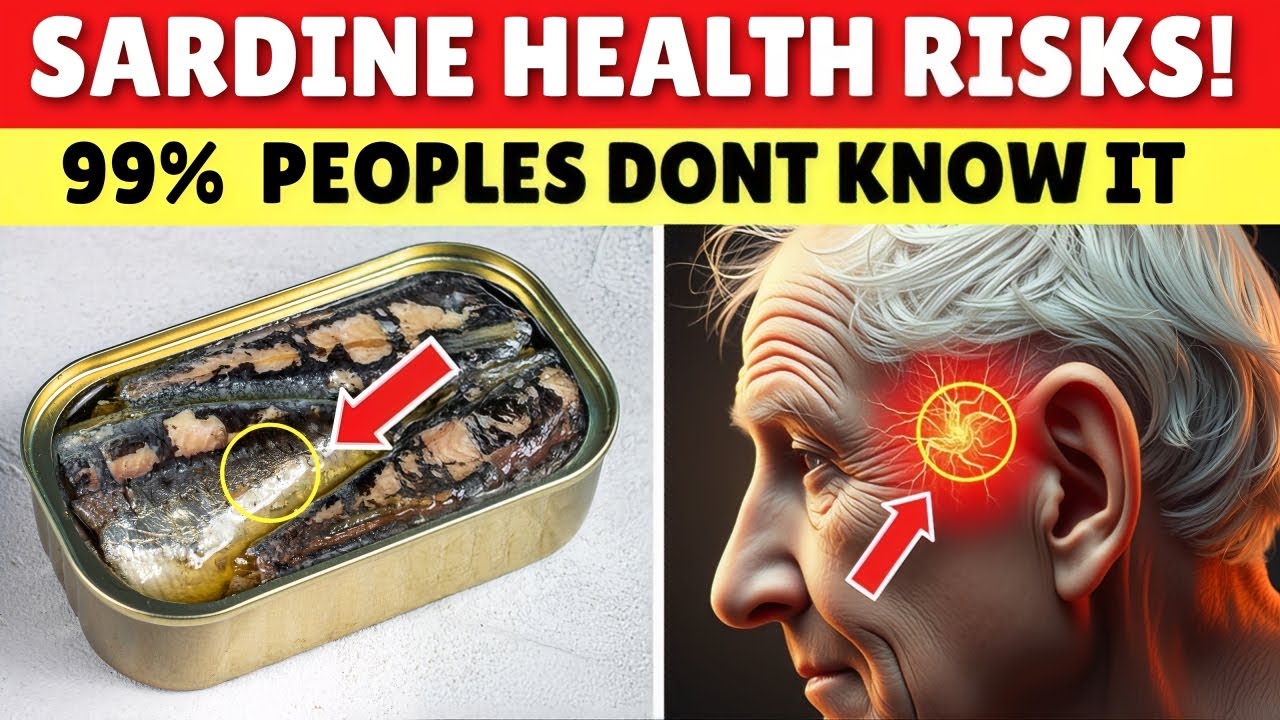
SARDINES: SHOCKING Hidden RISKS Every Senior Needs to Know Before Eating Them
Sardines may seem like a healthy snack, but before you reach for that can, there are some surprising risks every senior should know! In this video, we dive deep into the hidden dangers lurking in canned sardines, from harmful chemicals to unhealthy fats, and how they can impact your health.
Whether it’s mercury levels, BPA exposure, or the high sodium content, we break down everything you need to watch out for when choosing sardines. Plus, get expert tips on how to make healthier choices and still enjoy the benefits of fish in your diet!
👉 What You’ll Learn:
The truth behind BPA in canned sardines
How mercury and trans fats affect senior health
Safer alternatives and healthier sardine options
Don’t miss out on these crucial health tips! Watch now to stay informed and make better food choices for your well-being.
⌛Timestamps:
⏱️ Intro – 00:00
❌RISK 1 – 01:10
❌RISK 2 – 03:00
❌RISK 3 – 05:07
❌ RISK 4- 06:53
❌ RISK 5 – 08:15
📚 Academic Sources Referenced Throughout This Video:
Source: Journal of Nutritional Biochemistry, 2014.
Source: USDA National Nutrient Database.
Source: Food Chemistry, 2016.
Source: Journal of Bone and Mineral Research, 2013.
Source: University of California Culinary Arts Program, 2020.
Source: Seafood Health Facts, 2017.
Source: The Mediterranean Journal of Fisheries, 2019.
Source: Food Science & Technology International, 2015.
——————————————————————————————————————————————————-
► Medical Disclaimer: Senior sphere is not a medical provider. All content on this channel—including videos, descriptions, graphics, and any linked resources—is created purely for general educational and informational purposes. It should never be considered a substitute for professional medical diagnosis, advice, or treatment. Always seek the guidance of your physician or other qualified health-care professional with any questions you may have regarding a medical condition, and never disregard or delay professional advice because of something you watched here.
► Copyright / Fair-Use Disclaimer: Under Section 107 of the U.S. Copyright Act (Title 17, United States Code), allowance is made for “fair use” for purposes such as criticism, comment, news reporting, teaching, scholarship, and research. This channel’s use of copyrighted material is intended strictly for non-profit, educational, and commentary purposes and is believed to constitute a “fair use.” No copyright infringement is intended. All rights to any third-party footage, images, trademarks, or music remain with their respective own
———————————————————————————————————————————————————
#cannedsardines #sardinesrecipe #healthyeating #cookingtips #nutrition #foodsecrets #healthyrecipes #omega3 #superfoods #mistakes #sardine
Many seniors choose sardines, praising them as a superfood. But what if I told you there’s a darker side to these tiny fish that could be impacting your health in ways you don’t expect? Behind their impressive nutritional profile, there are hidden risks that could surprise you, especially for seniors. While these small fish are seen as a convenient, healthy snack, the truth is that they may not be as universally beneficial as many believe. For older adults, the very nutrients that make sardines popular can also pose serious health risks if not consumed mindfully. High sodium levels, for example, could increase the risk of high blood pressure. While there’s also the potential danger of mercury exposure. So before you reach for that next can of sardines, it’s important to understand both the benefits and the risks. In this video, we’ll dive into the benefits and the dangers of sardines for seniors, offering crucial insights that could change the way you think about this superfood. By the end, you’ll know whether these tiny fish are a true health hero or something you need to reconsider in your diet. Stay with us to find out more. Number one, high sodium content. Let’s start with one of the most overlooked dangers of canned sardines, their sodium content. Most canned sardines are preserved with salt, and the amount of sodium in just one serving can be shocking. For seniors, this can be a major concern. The average can of sardines contains between 400 to 500 mg of sodium per serving. Now, imagine eating several cans a week, which is quite common among sardine lovers. This sodium overload can push you well over the daily recommended limit, raising your blood pressure and significantly increasing your risk for heart disease and stroke. A study by the American Heart Association reveals that excessive sodium intake is a leading contributor to high blood pressure, which over time can damage the heart and blood vessels. But the problem doesn’t stop there. For seniors, hypertension isn’t just a number on a chart. It can lead to kidney damage, cognitive decline, and even vision loss. So, while sardines might be beneficial in many ways, their sodium content could be a ticking time bomb for your heart health. But don’t panic just yet. There are ways to reduce the impact of these salty little fish. Choose low sodium or no salt added canned sardines whenever possible. Read labels carefully. Look for options that offer less than 100 mgs of sodium per serving. Rinse canned sardines. This can help reduce the sodium content by up to 40%. And include more fresh fish in your meals. Fresh fish like grilled salmon provides similar benefits with less sodium. By following these simple steps, you can still enjoy sardines while keeping your heart and overall health in check. Number two, mercury in sardines. Now, let’s talk about something that often flies under the radar when it comes to sardines. Mercury. While these small fish are much lower on the food chain than larger fish like tuna or swordfish, they’re not entirely free from the risk of mercury contamination. And for seniors, even small amounts of mercury can be problematic. Mercury is a toxic heavy metal that accumulates in the body over time. And studies have shown that exposure to mercury can negatively affect neurological function. The FDA and EPA have raised concerns about the effects of mercury, particularly for older adults. Research has shown that those who’ve been exposed to mercury may be at higher risk for cognitive decline, including conditions like Alzheimer’s disease. For seniors whose kidney function may already be compromised, mercury can be especially damaging. It can impair brain function, harm vital organs, and exacerbate cognitive decline, putting older adults at risk for conditions that impact both their quality of life and their independence. But here’s the good news. There are simple ways to still enjoy sardines while minimizing the risk of mercury exposure. For starters, try to limit your consumption of sardines to two servings per week to avoid excessive mercury exposure. This way, you can avoid excessive mercury buildup without missing out on their health benefits. Another tip is to choose sustainably sourced sardines. Brands that follow eco-friendly practices tend to use clean water and safe fish stocks. Finally, diversify your fish intake by adding other low mercury fish like trout, cod, or anchovies to your diet. This not only lowers your mercury exposure, but also helps you enjoy a variety of flavors and nutrients. By following these simple guidelines, you can continue to enjoy sardines while taking steps to protect your heart, brain, and overall health. Number three, potential for BPA exposure in cans. Now, let’s talk about something often overlooked in canned food. BPA. BPA or bisphenol A is a chemical used in many cans to line the interior and prevent corrosion, but it can leech into the food and for seniors this is harmful. BPA is a known endocrine disruptor, meaning it interferes with the body’s hormone system. For older adults, this can exacerbate age- related diseases like osteoporosis, heart disease, and metabolic disorders. A study in environmental health perspectives found that people who eat canned foods regularly, like sardines, have higher BPA levels in their urine. BPA is a chemical used in the lining of many canned products, and research shows that it can leech into food during the storage process. What’s even more concerning is that the higher fat content in foods like sardines may increase the likelihood of BPA being absorbed into the food. This means that while sardines are a nutritious and convenient option, regular consumption could unknowingly expose you to higher levels of this harmful chemical. But don’t worry, there are ways to minimize your exposure to BPA while still enjoying sardines. Look for sardines labeled BPA free or packaged in glass jars. Limiting canned foods in favor of fresh or frozen fish can also help you avoid BPA exposure. Additionally, some brands offer sardines in vacuum-sealed pouches that are free of BPA. By making these simple choices, you can continue to enjoy sardines without compromising your health. Number four, omega-3. Now, let’s talk about one of the biggest selling points of sardines, omega3 fatty acids. We’ve all heard how these healthy fats can do wonders for our heart, reducing inflammation and supporting brain health. But here’s the twist. For seniors, too much of a good thing can be risky, especially when it comes to omega-3. Sardines are packed with omega-3. And while these fats have been shown to improve cardiovascular health, they can also thin the blood, something that’s particularly concerning for seniors who are on blood thinning medications like Warin. Excessive omega-3 consumption can increase the risk of bleeding, whether it’s excessive bruising or even more severe complications like internal bleeding. A study in JAMAMA internal medicine revealed that high doses of omega-3 supplements significantly increased bleeding risks in older adults. While moderate omega-3 intake is still beneficial, seniors need to be cautious and mindful of how much they consume, especially if they are already on blood thinning medication. The key here is moderation. Sardines should still be part of your diet, but it’s important to limit intake to one to two servings per week, especially if you are taking medications that affect blood clotting. Number five, the risk of overconumption. While sardines are nutrientdense, consuming them too frequently can lead to some unexpected health risks, especially if they become a daily staple in your diet. Sardines may seem like a super healthy choice, but even the best foods can have hidden risks, especially for seniors. Sardines are packed with essential nutrients like protein, omega-3s, and calcium. But they also contain high levels of certain vitamins and minerals such as vitamin A and calcium. And while these nutrients are important, overconumption can lead to toxicity or other health issues. For example, too much vitamin A can cause nausea, liver damage, and bone problems as found in a study published in the American Journal of Clinical Nutrition. Similarly, excessive calcium intake can increase the risk of kidney stones. Seniors should be especially cautious about how much calcium they consume as overloading on it can strain the kidneys and interfere with medications. The solution is simple. Limit sardine intake to a few servings per week and make sure your diet includes a variety of other nutrient sources to avoid an overload of any one vitamin or mineral. Balance and moderation are key to making the most of sardines without overdoing it. So, after examining the potential risks and benefits, what’s the final verdict? Should seniors avoid sardines altogether, or can they still enjoy this nutrient-packed food? The truth is, sardines offer a wealth of health benefits. They’re rich in omega-3s, calcium, and protein, all of which are great for heart health, and overall well-being. However, for seniors, the key is moderation. Like anything in life, too much of a good thing can quickly turn into a risk. From the high sodium content that can impact heart health to the potential for mercury exposure and BPA contamination, it’s clear that seniors need to be cautious when it comes to sardine consumption. But this doesn’t mean you have to completely cut them out. Instead, focus on consuming sardines in moderation. Choose healthier preparation methods and opt for low sodium or BPA free options whenever possible. Now tell me this, what surprised you most about the risks of sardines? Have you considered the hidden dangers like trans fats or mercury before? Or is this your first time hearing about them? Leave a comment below and let us know your thoughts. If you found this video helpful, don’t forget to hit the thumbs up and subscribe for more useful tips.
9 Comments
Thanks for this video! It really opened my eyes to the potential risks in canned sardines. I’m definitely more cautious now when picking out products. Any recommendations for the healthiest sardine brands or tips for choosing the best one? Would love to know!"
What the video does not reveal is sardines have a high level of purine which raises the level of uric acid in the body causing gout when consumed regularly or often. If you have gout and you have been eating sardines, now you know why.
I've been eating sardines and fish for the past 3 years and my Mercury level was extremely low and my sodium level is low I need to eat more salt😅
IM 66 And I Eat Mustard Covered SARDINES TWICE A WEEK
Come on. "Salt is bad" is a lie.
There are so many bullshit explanation given by so many cooks…
This shows how insignificant are contents received on youtube..
These are all jokes….
You are traumatizing and holding seniors culpable…
All this bull shit , it is so much crap , who made you the final proof talker ! Salt is bad for every one not just us old people ! So stuff it ! 😮
Mercury exposure is rather in big fishes like tuna. This video can confuse a lot of people.
Eating too many sardines each week is harmful regarding mercury. A podcaster on Utube was eating a couple of cans a day. Over a period of time the mercury built up in his system and he had to be treated for mercury poisoning.