
From Michelin-starred kitchens to boutique bakeries, pastry chefs are leaving butter behind in favor of refined, luxurious plant-based creations.
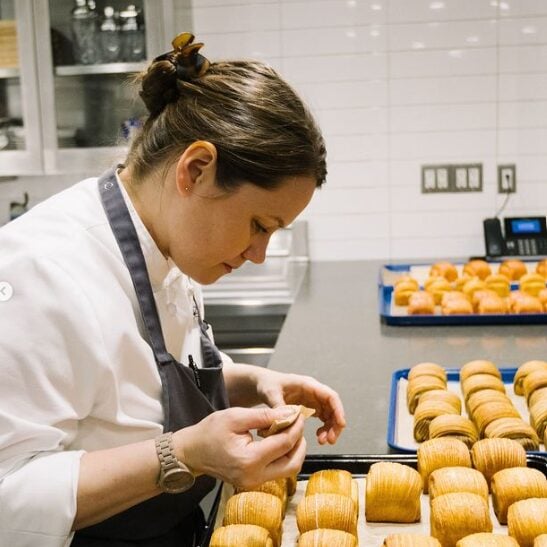
On a quiet stretch of Madison Avenue, a line forms early outside Eleven Madison Park. The attraction isn’t a tasting menu or celebrity sighting, but a glistening laminated pastry that, despite its decadence, contains no trace of butter. Dubbed a “Madison Square,” the pastry is the work of executive pastry chef Laura Cronin, whose vegan baking program has become a quiet obsession among New York’s fine dining set.
“It took a lot of trial and error and experimenting with different ingredients to achieve the flavors and textures that we were looking for,” Cronin told the New York Post. Since the restaurant eliminated animal products from its menu in 2021, she’s pioneered a pastry kitchen that relies entirely on plant-based fats, milks, and stabilizers to emulate the elegance of classic French techniques — and in some cases, surpass them.
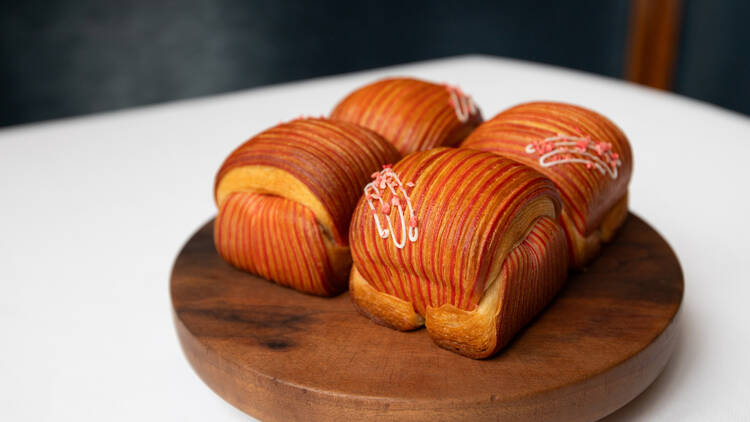 The Madison Square | Courtesy Eleven Madison Park
The shift isn’t isolated. Across Europe and the United States, pastry chefs known for precision and rigor are turning away from butter and cream. Some are driven by sustainability. Others by health, ethics, or the challenge itself. But together, they’re changing the definition of what dessert can be, without sacrificing sophistication.
In London, Kirk Haworth of Plates became the first chef to earn a Michelin star for a fully plant-based restaurant in the U.K. Known for his appearances on the Great British Menu, Haworth avoids the word “vegan” in favor of a broader philosophy. “Butter is a perception,” he told The Guardian. His tasting menus feature savory leeks with frozen verjus and desserts like a delicate white chocolate and miso confection, all without dairy or processed substitutes.
Zurich-based chef Zineb Hattab, who trained under Andreas Caminada and worked in the kitchens of El Celler de Can Roca, opened KLE in 2020 and received her first Michelin star three years later. Her take on pastry is vibrant and seasonal: think passionfruit and coconut tartlets, or beetroot chocolate mousse.
In Los Angeles, Crossroads Kitchen by chef Tal Ronnen remains one of the earliest examples of high-end vegan dining in the U.S. Its dessert menu, anchored by rich ganache tortes and creamy panna cottas made with almond and cashew milks, is built not on imitation but innovation. The restaurant attracts a clientele that ranges from long-time vegans to omnivores curious about what the future of food might taste like.
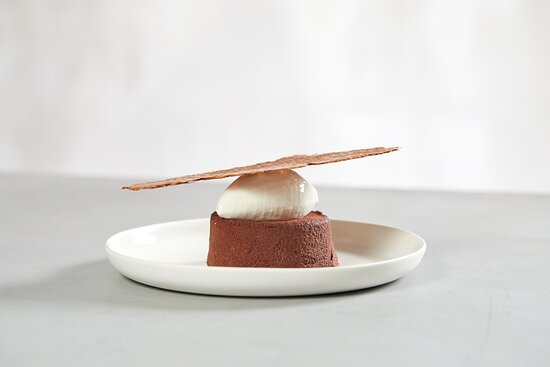 Chocolate mousse | Courtesy Plates
That curiosity is increasingly common. According to 2024 data from the Plant Based Foods Association, nearly sixty-two percent of U.S. households now purchase plant-based products. Sales of nondairy milk have surged in recent years, with oat and almond milk leading the category. In the past year, more than 30 percent of U.S. households purchased dairy-free milk, according to recent data. At the same time, the number of people identifying as “flexitarian” continues to grow. A 2023 Statista survey found that nearly one in four Americans is actively reducing animal products from their diet without eliminating them completely.
For pastry chefs, this presents both a challenge and an opportunity. Butter, once considered irreplaceable for texture and flavor, is being reconsidered. Brands like Miyoko’s Creamery, ForA:Butter, and Wildbrine have created cultured, plant-based butter that performs in laminated doughs and emulsified batters with near-identical results. Some chefs, like Cronin, choose not to rely on branded products at all, instead building proprietary blends from scratch using coconut oil, cocoa butter, and fermented soy.
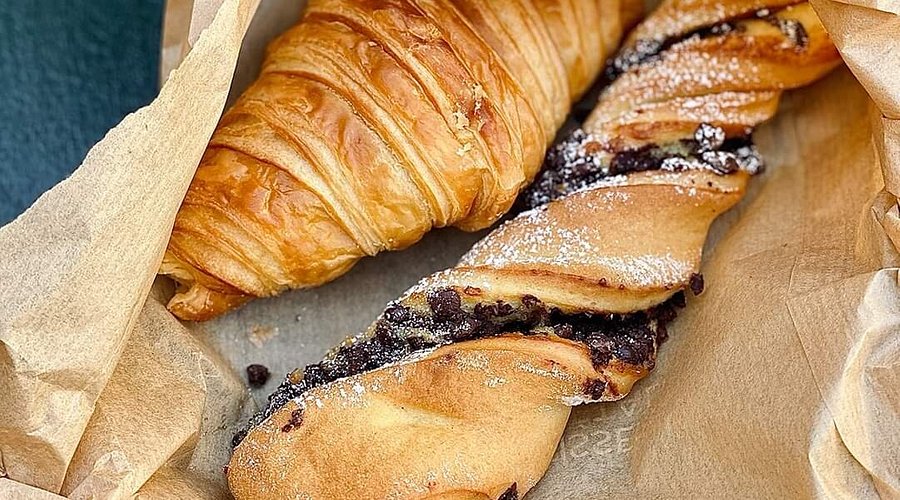 Courtesy VG Pâtisserie
In Paris, a city long defined by its devotion to butter, a new crop of pastry chefs is embracing plant-based methods without compromising tradition. At VG Pâtisserie in the 11th arrondissement, chef Bérénice Leconte creates croissants and entremets that mirror their dairy-laden counterparts in every detail, from lamination, sheen, crumb. The boutique, opened in 2016, has become a destination for Parisians and tourists alike, proving that even in the heart of France, vegan pastry has a place.
Michelin recognition, high-profile clientele, and placement in cities known for culinary innovation are helping to shed outdated assumptions about what vegan baking is. And with climate concerns growing — animal agriculture accounts for over 14 percent of global greenhouse gas emissions, according to the United Nations Food and Agriculture Organization — plant-based fine dining is no longer a novelty. It’s a response. A way of doing better, beautifully.
As Cronin continues to develop new creations in her pastry lab beneath Eleven Madison Park, the demand only grows. For those waiting in line for a Madison Square on a rainy New York morning, it’s not about the label. It’s about pleasure, craft, and maybe, just maybe, the future of dessert.
Related on Ethos:
Dining and Cooking