
At first glance, the district of Montagnac in southern France seems to exude an ancestral art de vivre.
Town houses built by prosperous 19th-century winemakers overlook plane trees providing shade in the central square. In the surrounding countryside, gently undulating vineyards are bathed in sunshine even as winter approaches. From some vantage points, there is a view of the Mediterranean; from others, a glimpse of the Pyrenees.
But a closer look offers a different picture. There are “for sale” signs amid the vines. Many have been abandoned. Some are overrun by weeds. The local mood is sombre and angry.
“I see things in a very black way,” said Didier Gadéa, 60, who, like his grandfather, father and father-in-law before him, supplies grapes from his land to the district’s winemaking co-operative.
“I have experienced crises in the past but this one is very, very serious because there seems to be no outlook, no way that things can improve.”
Such feelings are widespread across a sector that is far from the bonhomie and elegance that wine-lovers associate with their favourite drink.
Amid a collapse in demand for all wines, but particularly for the heavy reds produced across swathes of southern France, prices are in freefall and many vineyards sell their grapes at a loss. Climate change has added to the sense of looming disaster following a succession of small harvests.

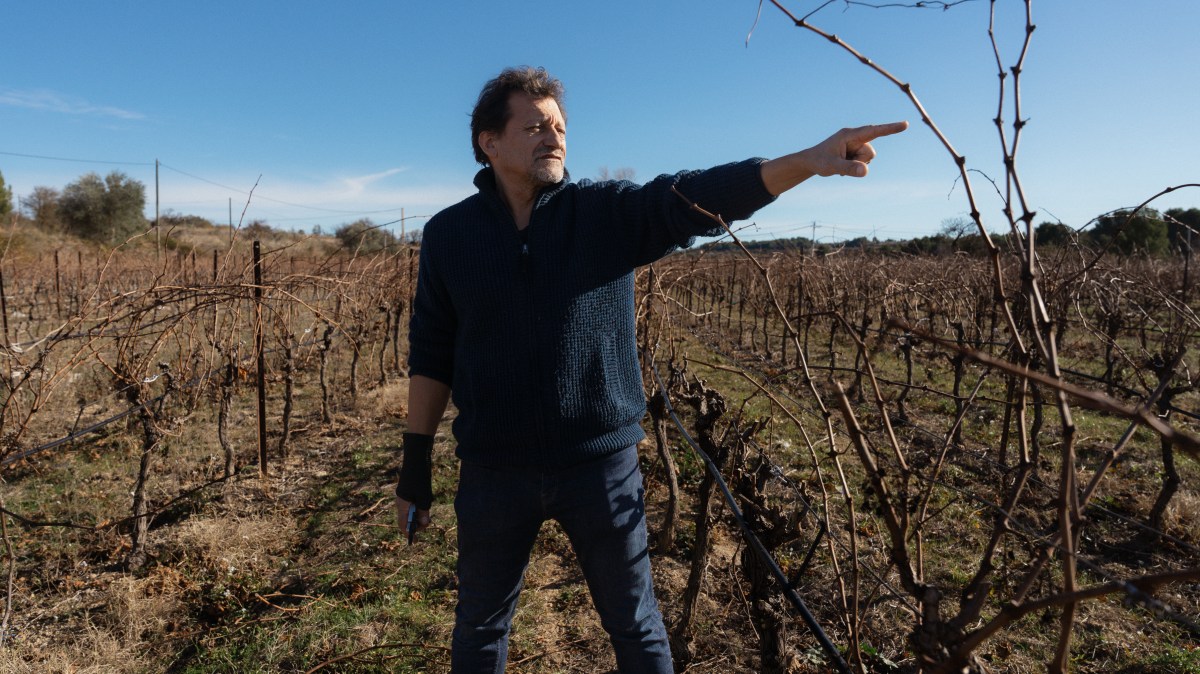
Didier Gadéa’s vineyard: some winemakers are uprooting vines year as part “grubbing-up” schemes
MILIE DEL FOR THE TIMES
Some observers believe the country’s winemaking regions are heading for one of the uprisings that have marked their history, such as the 1907 revolt, where there were mass protests, demonstrators were shot dead by army units sent to restore order, and a subsequent mutiny by soldiers.
Gadéa, who is head of the winemaking committee of the Movement for the Defence of Family-run Farms, fears that violence is brewing again. “I think this will all end badly. There are people who are going to want to settle scores.”
But Joël Boueilh, chairman of the winemaking co-operative federation, is not so sure. He says the main sentiment among the 5,000 or so people who joined a protest march to call for state help for the wine industry in Béziers last month was “desperation”.
“I saw people who were downcast, who can take no more, who are at the end of their tether. Even a revolt is beyond them.”
In response to the protest, President Macron’s government announced plans to encourage lossmaking vineyard owners to abandon the activity. These included a €130 million fund to subsidise those who rip up their vines, on top of the €120 million already spent on similar schemes over the past two years. The aim is to reduce the land given over to winemaking — 789,000 hectares in 2023 — by about 10 per cent by the end of 2026.
The paradox is that production is already falling as climate change brings warm winters, wet springs, hot summers, frequent hail storms, and the growing threat of diseases such as downy mildew, according to Boueilh. “I am 57 and I have been in this business for 35 years,” he said. “You always used to get difficult conditions from time to time. What is new is that we’ve now had them five years in a row.”
The 2024 harvest of 36.3 million hectolitres was amongst the smallest recorded, for instance. This year’s is almost identical, according to the agriculture ministry.
In most markets, a fall in production leads to a rise in prices. It does not seem to work that way with French wine, however. Take the Gers département of the southwest where Boueilh lives. Production of the local Saint-Mont and Côtes de Gascogne wines has fallen by about 30 per cent in recent years but he says retailers have simply replaced them with bottles from elsewhere.
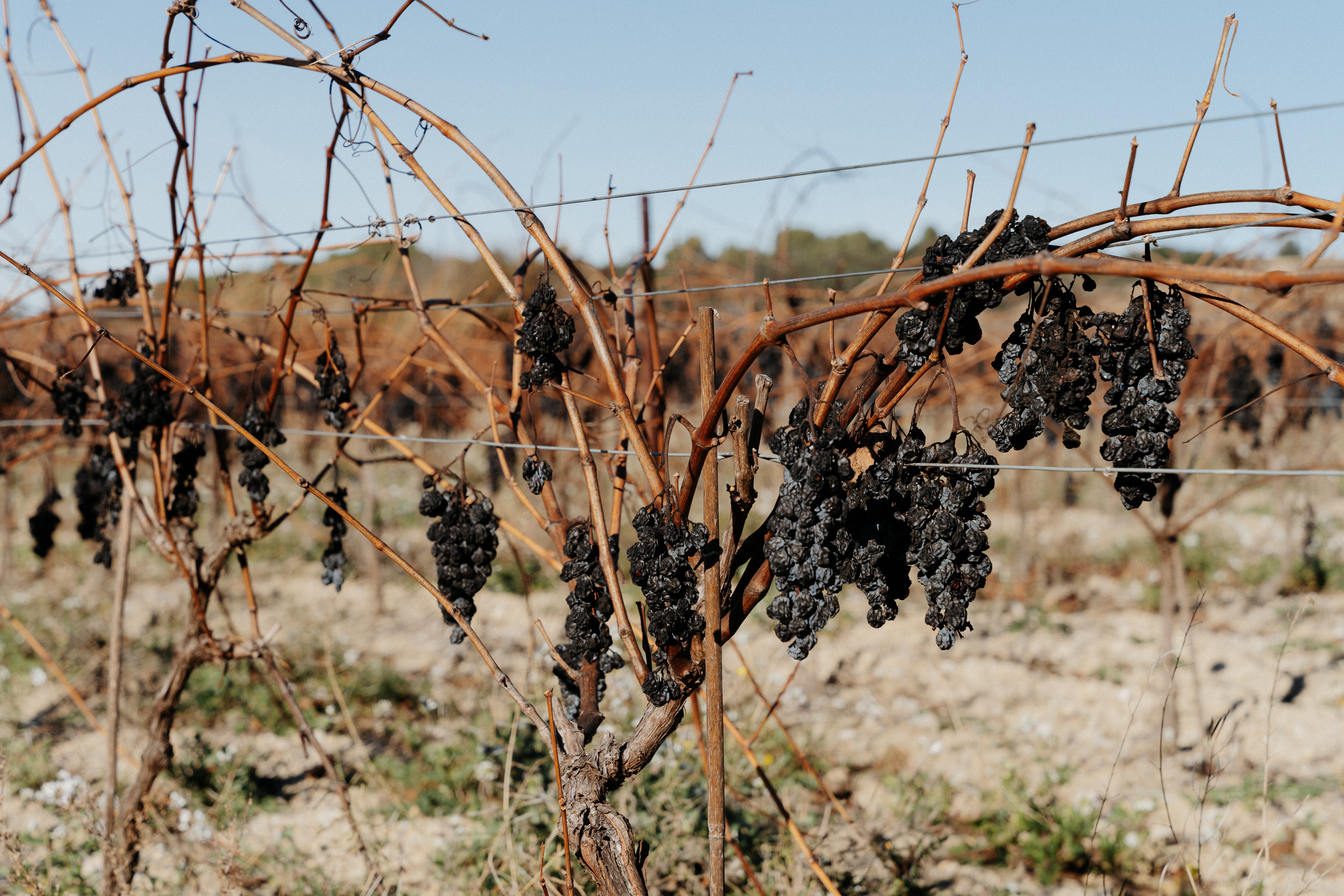
The 2024 harvest of 36.3 million hectolitres was among the smallest recorded
MILIE DEL FOR THE TIMES
“We losing markets because of this,” he says.
In a sense, Boueilh and his fellow winemakers from the Gers can count themselves fortunate that anyone still wants their bottles at all. Other French regions, from Bordeaux on the Atlantic, to the Hérault, where Montagnac is located on the Mediterranean, struggle to find buyers for theirs.
Against the backdrop of a long-term decline in wine consumption — from 46 million hectolitres in France in 1970 to 23 million in 2024 — a total of 257 vineyards were placed in receivership in the year to October, a 37 per cent increase on the previous 12 months. Thousands more are said to be in financial difficulty, notably those which have continued to produce tannic reds with high alcohol contents that are meant to accompany traditional three or four-course meals.
They failed to anticipate the end of such dining habits.
“France was the land of the good life where people spent a lot of time drinking and eating,” said Boueilh. “But today society is changing. People may have a drink in a bar but they don’t open a bottle of wine when they sit down to eat at the table.”
In the Gers, winemakers are scrambling to meet new tastes, bringing out reds that can be served cold and reducing ABVs to as little as 9 degrees, down from 14 or 15 degrees.
But change is a long-term process in winemaking — “When you plant vines, it is for 20 years,” said Boueilh — and in the meantime, despondency is deepening in a sector that is strategic for the French economy, employing 600,000 or so people and generating annual sales of about €32 billion.
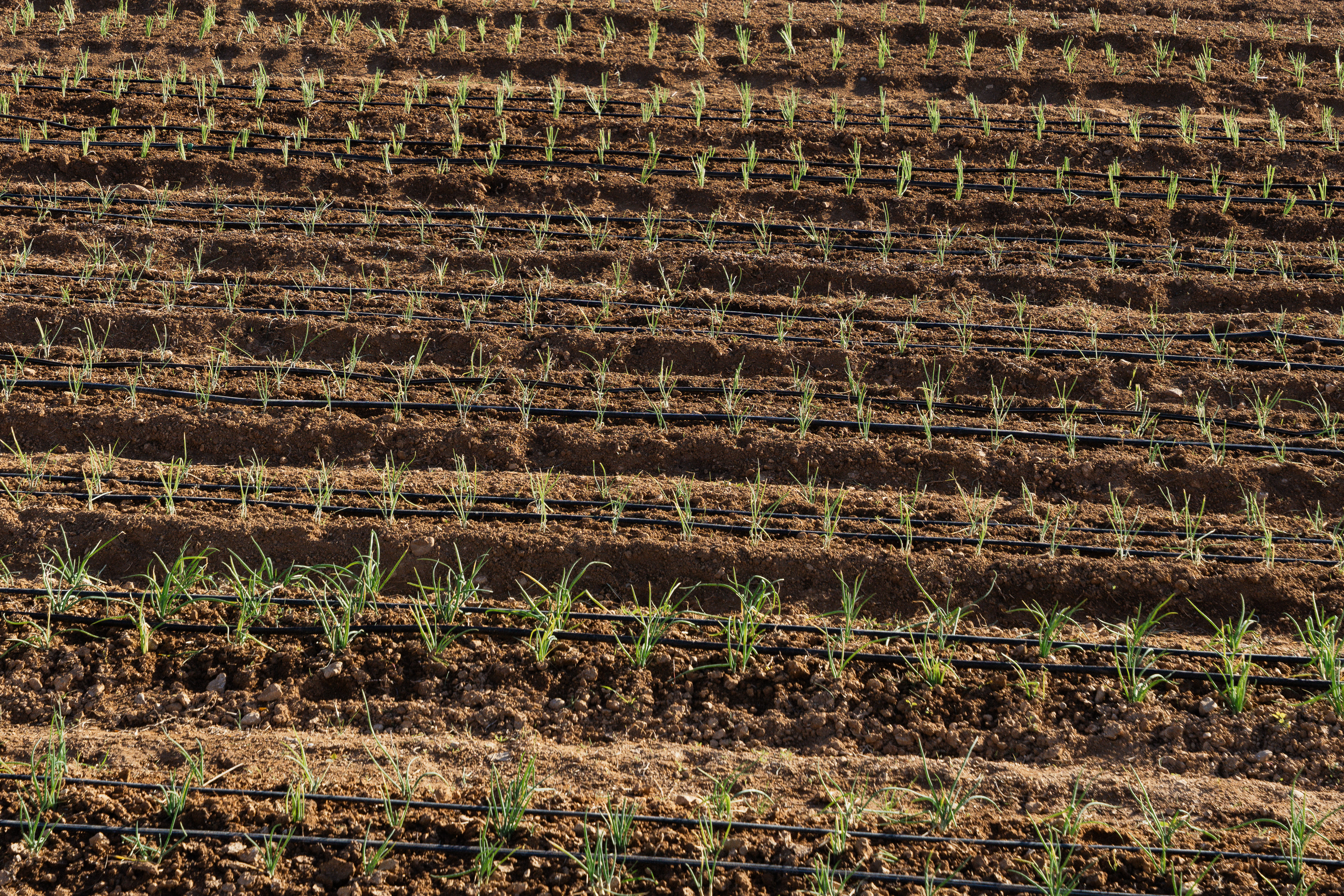
Gadéa has seven hectares of vines
MILIE DEL FOR THE TIMES
In Montagnac, Gadéa has seven hectares of vines, some inherited, others purchased in the 1990s when the wine trade was flourishing. His grapes go to the local co-operative where they are mixed with those from other vineyards, sold to merchants and transformed into table wine (or country wine as it is now officially known).
The bottles sell for upwards of €3. Gadéa says he is paid about 0.50 euros a litre, whereas his production costs are about €1.35.
He would have liked his two children to take over the vineyards but neither is keen. “They see how hard I work, that I’m all broken, and that I get nothing for it at the end of the day, and they don’t want to do that,” he said from between rows of vines at the start of what will be three months of pruning.

Gadéa and his son Hugues, who said the collapse of winemaking was hurting the whole area
MILIE DEL FOR THE TIMES
Still, he says he is better off than many local winemakers. He has avoided debts, keeping his old Fiat tractor rather than buying a new one, for instance, and is lucky that some of his vines are on fields suitable for the local variety of sweet onion, the Cèbe de Lézignan. Given that the onions can generate a profit of up to €36,000 per hectare — compared with a €3,000 loss for grapes — he is planting them where he can.
Nevertheless, he is worried about the impact of the wine crisis. “It’s not just the vineyards. There’s everything that is around them, the workers, the suppliers. The entire economy is in difficulty,” he said.
Hugues Gadéa, his son, a vet in nearby Montpellier, agreed. “Wine was the main economic activity here and its collapse is hurting the whole area. There is no other big employer and it’s no coincidence that you find many young people living from odd jobs or out of work now.”
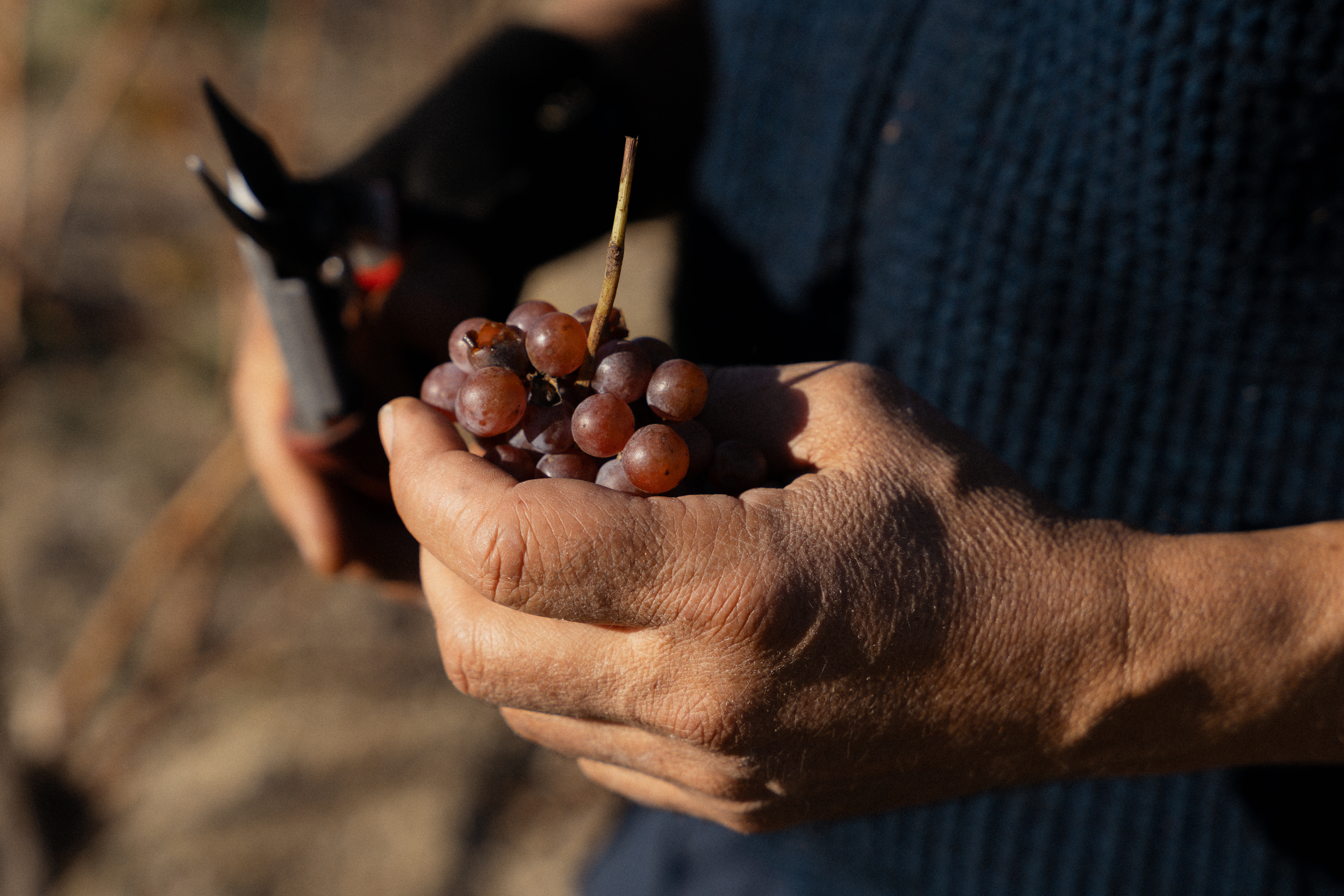
Gadéa, who has three months of pruning ahead, would like a return to the days of a fixed-minimum-wine price
MILIE DEL FOR THE TIMES
Gadéa acknowledges the impact of climate change and consumer trends, but says the root of the difficulties lie in the liberalism which swept across the world at the end of the 20th century. He cites Margaret Thatcher, the 1993 Maastricht Treaty and the 1994 General Agreement on Tariffs and Trade (GATT) among the instruments of woe and argues that it was a huge mistake to leave anything so important as wine to the mercy of market forces.
He would like to return to what he views as the better times of the 1970s, when French governments fixed a minimum wine price to keep vineyards afloat.
“What we need is more regulation,” he said.
Dining and Cooking