
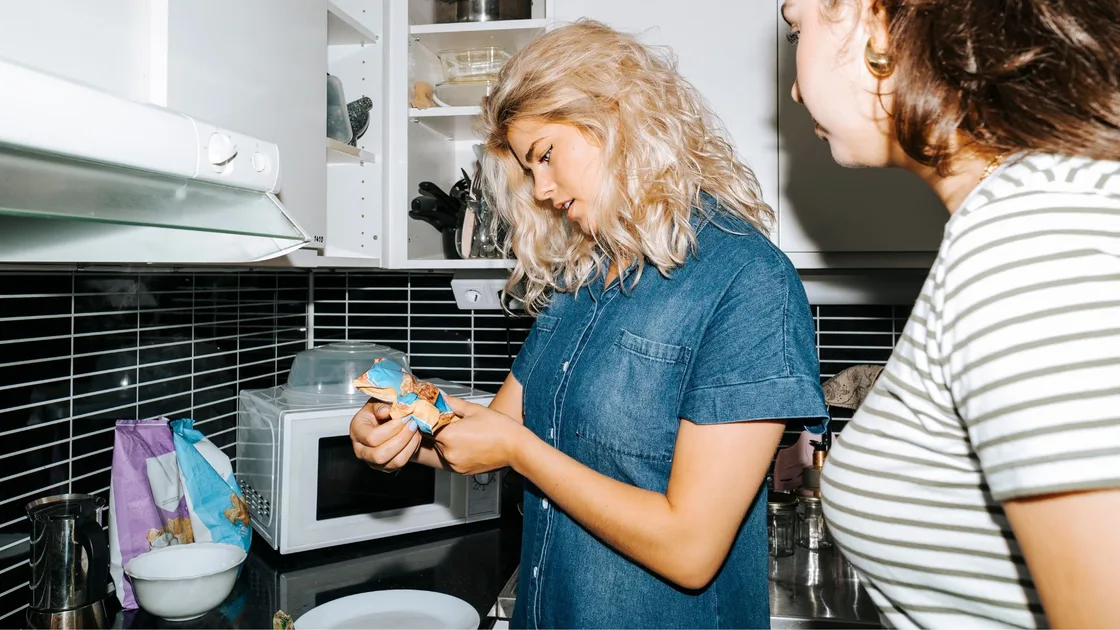
This festive season, we’re taking a closer look at labels. And no, we’re not just talking about the gift tags on our prezzies.
When you’re stocking up for the holidays – long lunches, cheeseboards for Christmas catch-ups, decadent desserts – it’s easy for packets and containers to start jostling for space in the fridge and pantry. And just as easy to fall into the trap of tossing something you think has gone “bad” in favour of a whole new set of goodies. The cycle continues.
Before you dive into a binning frenzy, take a moment to check those food labels. Many festive favourites have best-before dates stretching well past December. Love Food Hate Waste is on a mission to help Kiwis understand what those labels actually mean.
With a little know-how, you might just save your fridge – and our landfills – from overflowing.
Language matters
When you’re checking if food is still good to eat, the first thing you probably look for is the date. But the words before it – ‘best before’ or ‘use by’ – make all the difference. If you’re not sure of the distinction, you’re not alone: two in five Kiwis misinterpret at least one of these key food date labels.
Let’s break it down.
USE BY
Don’t eat past this date.
If a date is preceded by “use by”, that’s a hard rule. Think of it as a deadline. For your safety, these foods must be eaten by that date – otherwise, it’s time to bin them (responsibly, using your home compost or recycling where possible).
Important to note: Foods with a use by date can spoil without showing obvious signs, so pay close attention to these labels while shopping. Plan to use these products earlier in the week to avoid having to throw them out later.
Christmas culprits: Raw meats, bagged salads, seafood, pate, hummus and some chilled desserts.
BEST BEFORE
You might still be fine to eat it – but use your (common) senses.
This is the label that causes the most confusion. Think of it as a guideline. While the food might not be at its best quality, it’s often still perfectly good to eat. Don’t be one of the one-in-eight Kiwis who bins food past its best-before date without even checking it first.
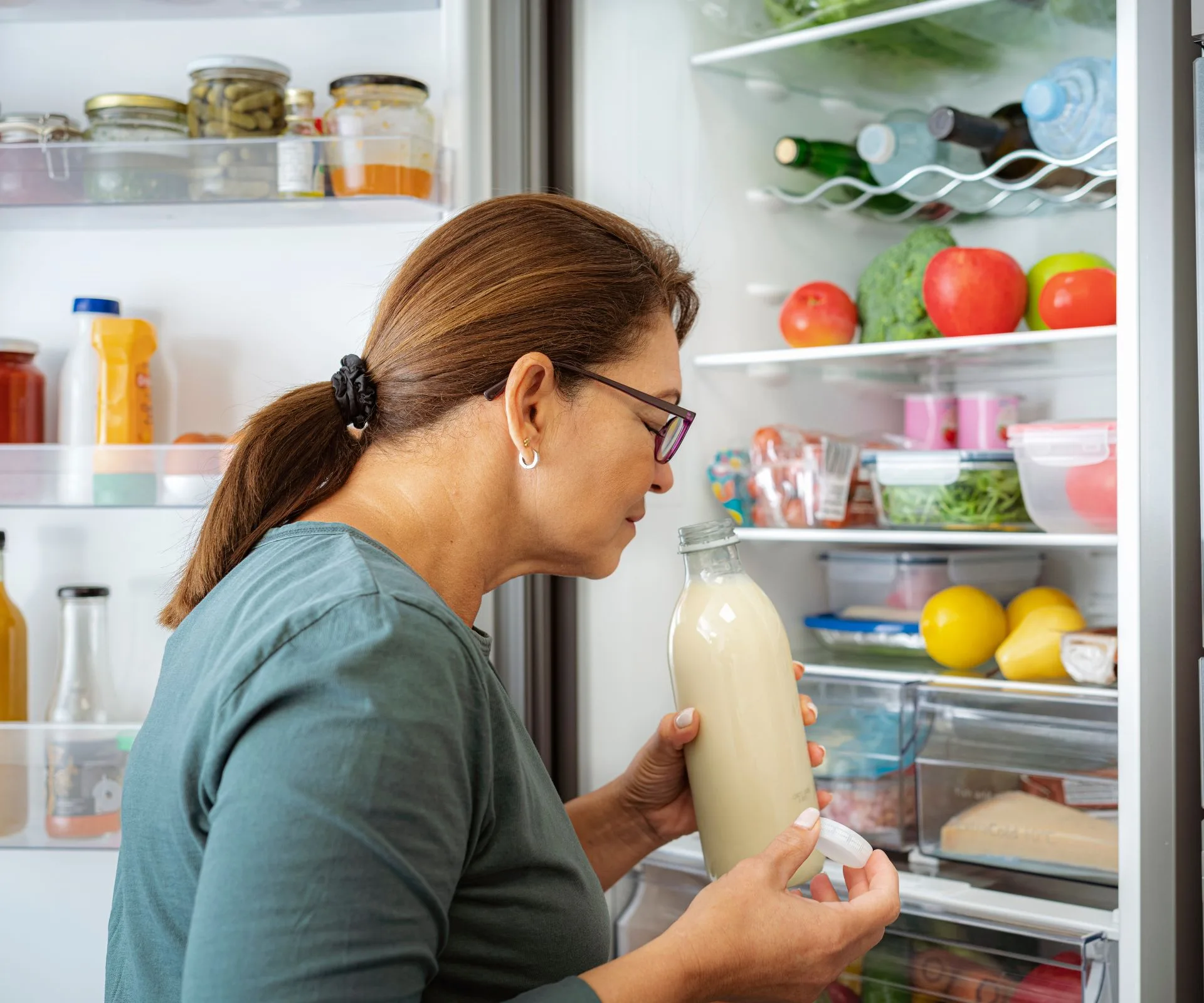
This is where your spidey senses come in. Long before we had labels, people used their sense of smell, sight, and taste to decide whether something was okay to eat.
Check it: Check for any changes in colour, texture, or signs of mould.
Smell it: Give it a sniff – if it smells off, it’s time to toss it.
Taste it: Try a small bite to see if it still tastes fresh.
Trusting your senses helps reduce food waste while making sure you’re not eating anything truly spoiled.
Christmas culprits: Crackers, cheese, eggs, croissants, fresh custard, cream, biscuits, chocolate, canned goods (like beetroot, beans, tinned fruit and more).
For help performing a sensory check, head online for a handy guide from Love Food Hate Waste.
Put your skills to the test
Think you can tell your best before from your use by? Take the Great Date Debate quiz on the Love Food Hate Waste website to find out. While you’re there, you’ll discover more recipes, tools and resources to help you reduce food waste this festive season.
Related

Dining and Cooking