
Summary 
Italian police task force seized over 14,000 liters of untraced extra virgin olive oil in two operations in southern Italy, lacking legal documentation and potentially misleading consumers. Authorities warn that such illegal activity threatens the integrity of the domestic olive oil sector, leading to rising insurance costs and increased criminal activity.
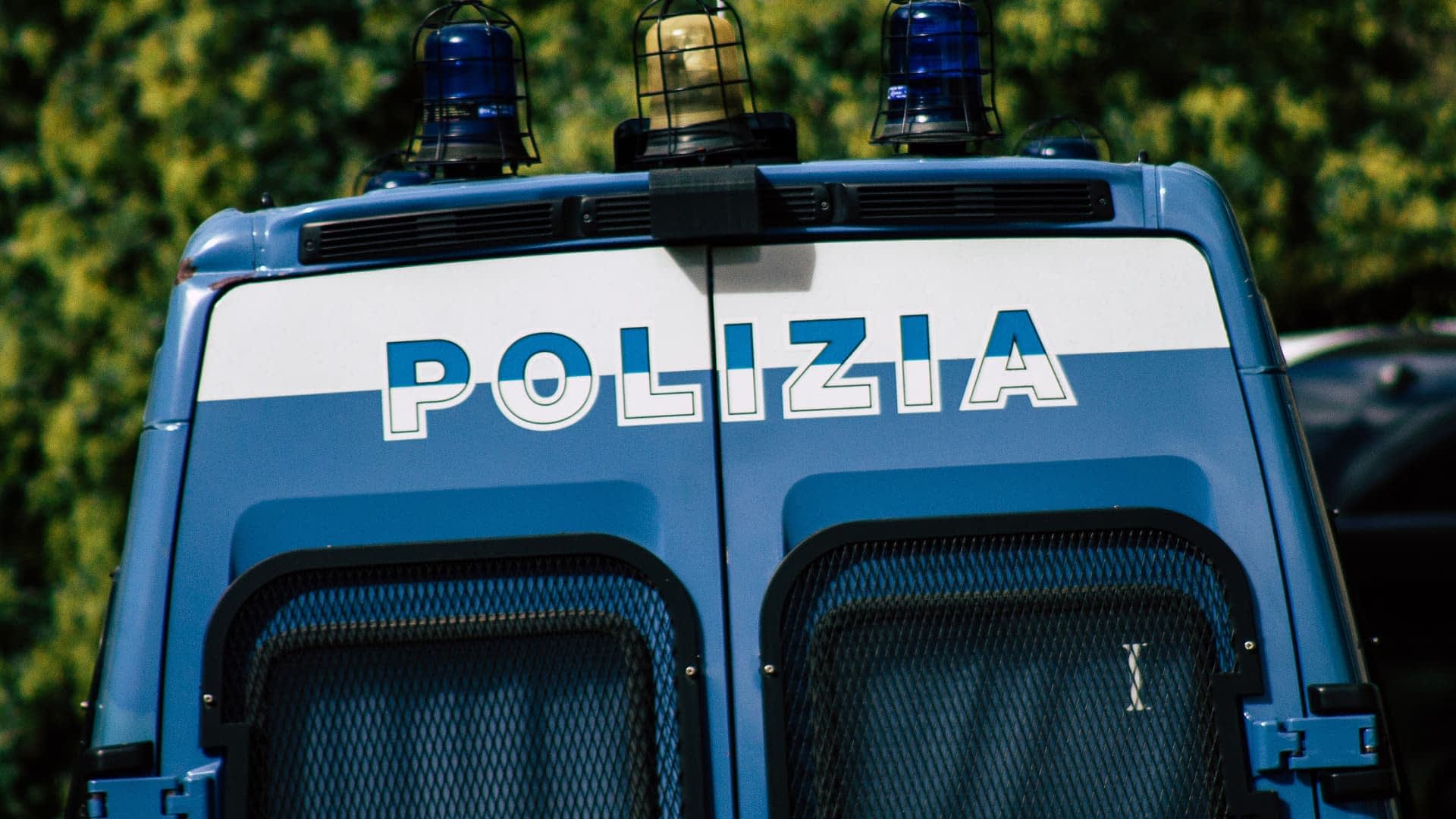
A task force of the Italian police seized more than 14,000 liters of untraced and therefore illegal extra virgin olive oil in two operations between the port of Bari and the Lecce area in Puglia, southern Italy.
If this predatory situation continues, the real danger is that some operators may reduce or suspend shipments for fear of further attacks, which would push up costs and risk devaluing the price of our oil.- Elia Pellegrino, vice president of the Italian Olive Millers Association (AIFO)
Investigators from ICQRF, the central inspectorate for quality protection and anti-fraud of agri-food products, along with the Guardia di Finanza and Customs, intercepted a shipment that lacked the legally required geographical origin indication on its transport documents.
The olive oil was stored in three tanks. In a note, Guardia di Finanza officials said the product had no legal documents and was identified as extra virgin only after a physical inspection. Investigators said the scheme could have misled consumers and generated tens of thousands of euros in illegal profits.
Authorities warned that placing untraced oil on the Italian market threatens the integrity of the domestic extra virgin sector. “By passing imported oil off as domestic, those involved could have created unfair competition, undermining the value and reputation of genuinely Italian producers who comply with strict quality and traceability rules,” officials wrote.
Initial analyses suggest that at least part of the seized batches may have entered Italy from Greece before distribution.
In a separate inspection at a business in Lecce, ICQRF officers found olive oil stocks that were not recorded in official accounting ledgers, indicating attempts to conceal their provenance and commercial destination.
Within hours of these seizures, gangsters assaulted and stole a truck transporting €300,000 worth of extra virgin olive oil. Earlier the same day, criminals hijacked another vehicle carrying 150 quintals of olives.
“Two closely timed incidents confirm an already tense and alarming situation,” Elia Pellegrino, vice president of the Italian Olive Millers Association AIFO, told Olivonews. He said producers and transporters face rising insurance and logistics costs as attacks increase.
“If this predatory situation continues, the real danger is that some operators may reduce or suspend shipments for fear of further attacks, which would push up costs and risk devaluing the price of our oil,” he added.
High market prices for olive oil have historically fueled criminal activity and fraud. Officials warn that illegal shipments could affect both availability and pricing. Puglia remains Italy’s dominant producing region, accounting for 50 to 60 percent of national output.
After weeks of decline, Italian olive oil prices are stabilizing, even as deep discounts offered by major retailers widen the gap between supermarket oils and premium extra virgin products.
A medium- to high-priced environment is also considered a trigger for increased criminal activity.
In 2024, ICQRF conducted thousands of inspections on extra virgin olive oil in Italy, finding discrepancies in transport documents in 15 percent of cases.
As the harvest moves forward, industry groups are closely monitoring prices and anti-counterfeiting efforts. Many fear that large-scale illegal trade operations could bring significant quantities of untraced Tunisian olive oil into Italy, a concern also voiced by Spain’s COAG farmers’ union.
In a note to Olive Oil Times, Gennaro Sicolo, president of Italia Olivicola and national vice president of CIA Agricoltori Italiani, said emergency measures are needed. At the same time, long-term protections for farmers’ income are considered. Safeguarding prices, he said, is essential to protecting the “image of green gold,” a hallmark of Made in Italy.
Sicolo pointed to the potential activation of an E.U.-approved mechanism for regulating an olive oil supply. “The temporary withdrawal from the market of quantities of national extra virgin oil can prevent turmoil and ensure orderly commercial flows, benefiting both producers and consumers,” he said.
“I would like to express my appreciation and thanks to ICQRF Puglia-Basilicata, the Guardia di Finanza and Customs for the major operation carried out between the port of Bari and the province of Lecce,” Sicolo concluded.
Dining and Cooking