
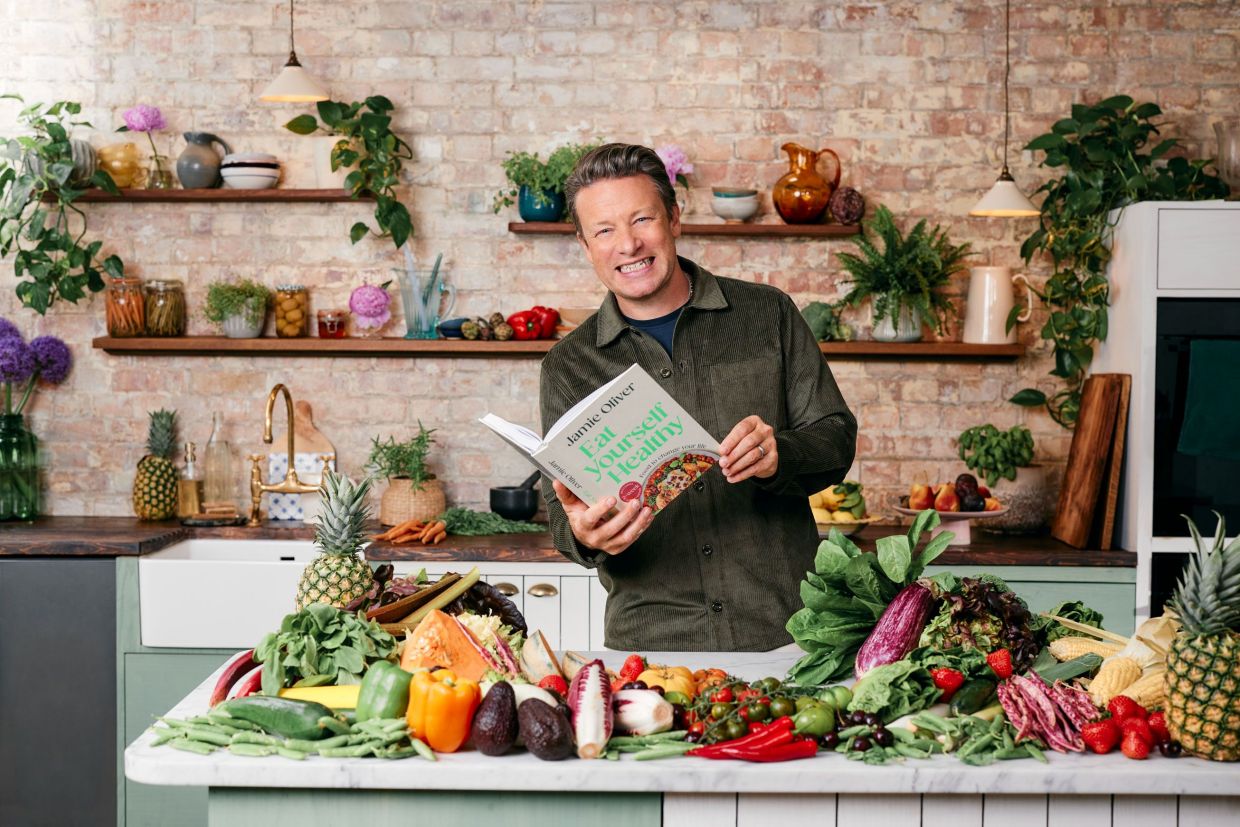
Jamie Oliver is bringing his Italian restaurants back to Britain six years after the chain collapsed into insolvency, returning at a time when the industry’s facing what he calls a “horror show” of higher costs and weak demand.
The celebrity chef-turned-entrepreneur is reviving the Jamie’s Italian brand, and aims to open the first site of its UK reincarnation in London’s Leicester Square in February.
This time, instead of taking on all the risk himself, the 50-year-old has agreed a franchise deal with Brava Hospitality Group, the company behind the Prezzo Italian chain, that will earn him part of the money made from the restaurants.
Oliver rose to prominence in the late 1990s when he was in his twenties, becoming a popular TV chef who focused on simple recipes and went on to become of Britain’s best-selling authors with his cookery books.
But the string of business ventures that followed didn’t all end happily. In 2019, Jamie’s Italian went into administration, a form of British insolvency, that forced him to shutter all 25 of its restaurants, leaving creditors nursing heavy losses and at a cost of more than 1,000 jobs. Oliver closed the last branch of his chain of cookery shops in 2015 and the last of his four British-themed restaurants closed two years later. Profits from his media business helped to cushion the losses incurred from Jamie’s Italian’s demise, which also affected his Fifteen London and Barbecoa restaurants.
Oliver said that he’s learned lessons from last time round, saying he was too “boisterous” and opened sites that were larger than they needed to be. The second attempt at a chain aimed at the masses will begin with just one location, with Oliver taking a more active role in approving the locations and rents.
“When the high street decline happened, when the Uberization of food happened, we were too big, too stuck, and not able to adjust,” he said in an interview at his more upmarket Jamie Oliver Catherine St restaurant in central London. “With hindsight on my side now, we’re going again. There’s a lot to gain, but a lot to lose.”
If the launch goes well, he could open four new restaurants a year. The international business was unaffected by the insolvency.
The chef is bringing the business back at a time of renewed pressure for the industry. Consumers are eating out less, business rates will soar for many next year after last week’s budget, and the British high street has suffered steady decline. Restaurants have also grappled with a higher minimum wage and national insurance contributions, a payroll tax, that came into effect earlier this year.
“The industry’s really tough. When you do a synopsis of mid-market dining, it’s a horror show,” Oliver said, adding that no restaurateur is pleased with any of the recent government decisions related to hospitality.
Offering fresh pasta and crowd favorites like prawn linguine should still lure Britain’s squeezed consumers, Oliver said. Loyalty programs too will aim to attract customers looking to eat out at an affordable price, he added.
“Ultimately, people going out and spending money is about confidence,” Oliver said. “People aren’t going to come if they can’t afford it.” – By Maddie Parker/Bloomberg
Dining and Cooking