
Italian cuisine has edged closer to recognition as a global cultural treasure from UNESCO, an agency of the United Nations.
UNESCO (United Nations Educational, Scientific and Cultural Organization) aims to foster global peace and security through international cooperation in culture, science, education and communication. It doesn’t recognize specific dishes often, but food traditions, techniques and food-centric cultural practices have been included on its Intangible Cultural Heritage list.
UNESCO is expected to make a final decision on Wednesday, December 9. If Italian cooking makes the list, it will be recognized not just as delicious food but as a deeply rooted social practice that unites communities and brings different generations together—a sort of holistic cultural system with shared rituals and knowledge passed down through the generations.
PMQ’s Pizza Power Report 2026: Why Independent Pizzerias Might Be Perched in the Catbird Seat
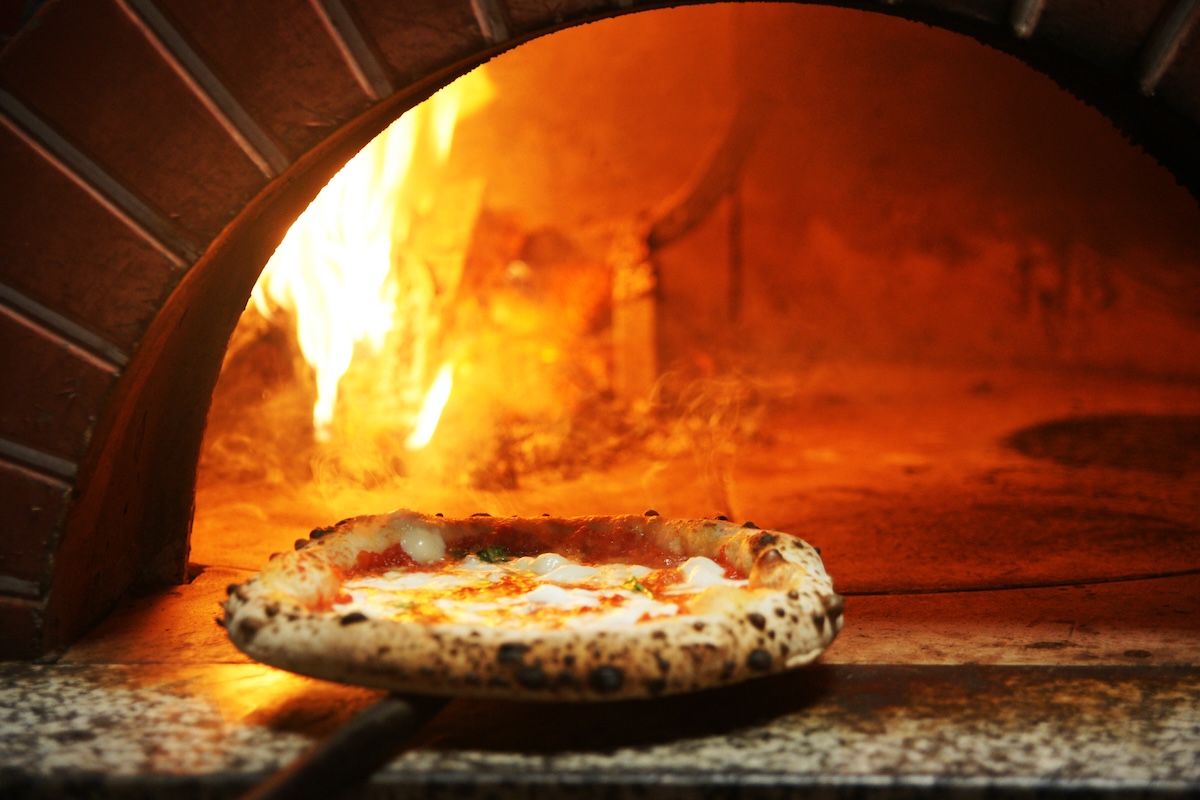
It should be noted that Neapolitan pizza—or, rather, “The Art of the Neapolitan Pizzaiuolo”—earned UNESCO recognition in 2017. That’s because the tradition follows a rigorous, centuries-old method that has been transmitted from master pizzaioli to apprentices since at least the 18th century.
Also on UNESCO’s list: Traditional Mexican Cuisine, the Mediterranean Diet, Belgian Beer Culture and Washoku—Traditional Dietary Culture of Japan, among others.
Italy’s agriculture and culture ministries started lobbying for the UNESCO honor in March 2023, pointing to the power of pizza, pasta, risotto, cannoli and other dishes to bind families and communities together. “There is no single Italian cuisine, but a mosaic of local expressive diversities,” the Italian government has said in a statement.
Italian cuisine is essentially inseparable from Italian identity, marked by daily rituals like Sunday family lunches, handmade dishes made with locally grown ingredients, and social gatherings in both residential and restaurant dining rooms. It incorporates coastal seafoods, Roman and Etruscan culinary practices, the Campagna cooking of central Italy and the mountain foodways of the Alps. And from pressing olive oils and aging cheeses to artisanal pasta making, it preserves ancient techniques and sustainable agricultural practices dating back many centuries.
Related: AVPN and VPN: Learning the Hard and Fast Rules of Authentic Neapolitan Pizza
According to Reuters, UNESCO recognition could boost tourism by up to 8% in two years and result in 18 million overnight stays. Italian cuisine also connects the people of Italy with as many as 85 million people of Italian descent living around the world, including, of course, Italian-Americans and the U.S. pizza industry.
The worldwide Italian foodservice market was valued at 251 billion euros (or $293 billion) in 2024, accounting for 19% of the global restaurant market, according to Deloitte.
But food historian Alberto Grandi has argued that many Italian dishes, such as pasta alla carbonara, are relatively modern inventions influenced by the cuisines of other countries rather than indigenous traditions. In fact, Grandi published a controversial book last year titled Italian Cuisine Doesn’t Exist (or, in Italian, La Cucina Italiana Non Esiste).
Massimo Bottura, a three-star Michelin chef, disagrees. As he told Reuters, “Italian cuisine is an ancient, daily, sacred ritual—the art of caring and loving without saying a word.” Which sounds a lot like American pizza, no matter the multicultural influences that have tweaked it over the past century.
Dining and Cooking