
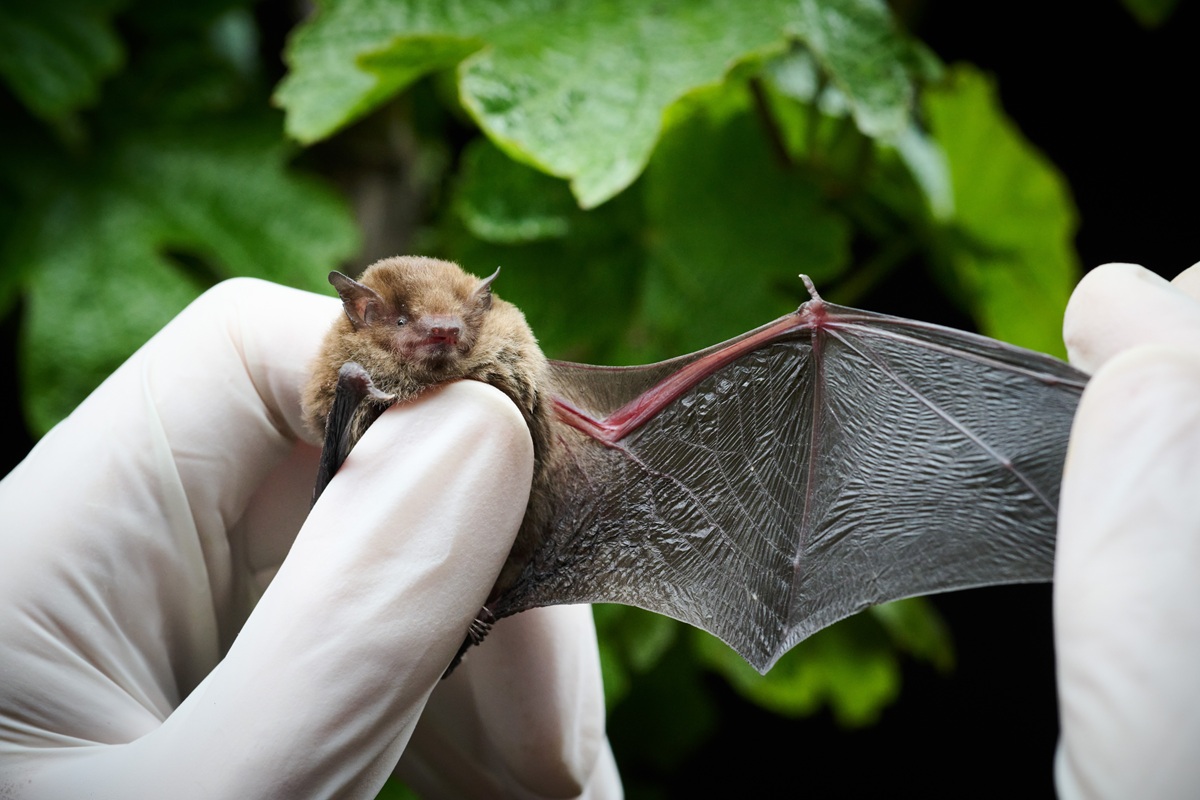
Fowles Wine has received a $500,000 Coles Nurture Fund grant, which is being put towards developing its ‘BatNav’ system, which has the potential to reduce reliance on pesticides in vineyards and save Australia’s wine industry $50m per annum.
The world-first BatNav project introduces interventional structures throughout vineyards to guide microbats further into cropping zones, allowing the nocturnal predators to feed more effectively on light brown apple moth, beetles and other high-impact agricultural pests.
The BatNav system is designed around microbat echolocation patterns. While the insect-eating species use soundwaves to navigate and hunt, their feeding range is typically limited to the edges of vineyards, where remnant vegetation offers the vertical structures needed for echo bounce-back.
By installing custom-designed reflective structures inside the rows, the BatNav system manipulates those signals, effectively steering microbats into the pest-rich zones where growers most need natural suppression.
Fowles Wine CEO and owner Matt Fowles said the Coles Nurture Fund grant has enabled the business to advance an Australian-first approach with the potential to deliver significant cost and environmental savings across the sector.
“We’re very excited about the potential impact of our BatNav system in controlling agricultural pests in Australian vineyards, which could save the wine industry $50 million a year in pesticide costs and deliver a host of other environmental benefits” he said.
“The potential impact goes beyond Australia’s vineyards and we’d love nothing more than to see this system adopted in vineyards, orchards, market gardens and other pest-prone crops across the country – and world – because it represents a genuine win-win for producers and biodiversity.
“Our goal is to develop a cost-effective solution that’s simple for producers to install and maintain and integrates seamlessly into existing operations – encouraging its adoption on a broad scale.
“Wine-lovers are also winners because the BatNav system improves vineyard health, reduces wine cost and enhances wine quality.”
Microbats are capable of eating their body weight in insects each night, but their populations continue to decline due to habitat loss, pesticide exposure and broader environmental pressures. Fowles Wine’s trial aims to turn this threatened species into a frontline biological control partner, reducing both pest pressure and operational chemical costs.
Fowles said: “The current phase of the project, which will take us through to the new year, is focusing on trialling the system across four vineyard sites, with one for control purposes and three for testing different BatNav prototypes co-developed with Cobalt Design, one of Australia’s leading industrial design agencies.
“After that, we’ll go into extensive field testing, data collection, analysis and system refinement, striving towards our aim of launching into market in late 2026.”
Related
Dining and Cooking