
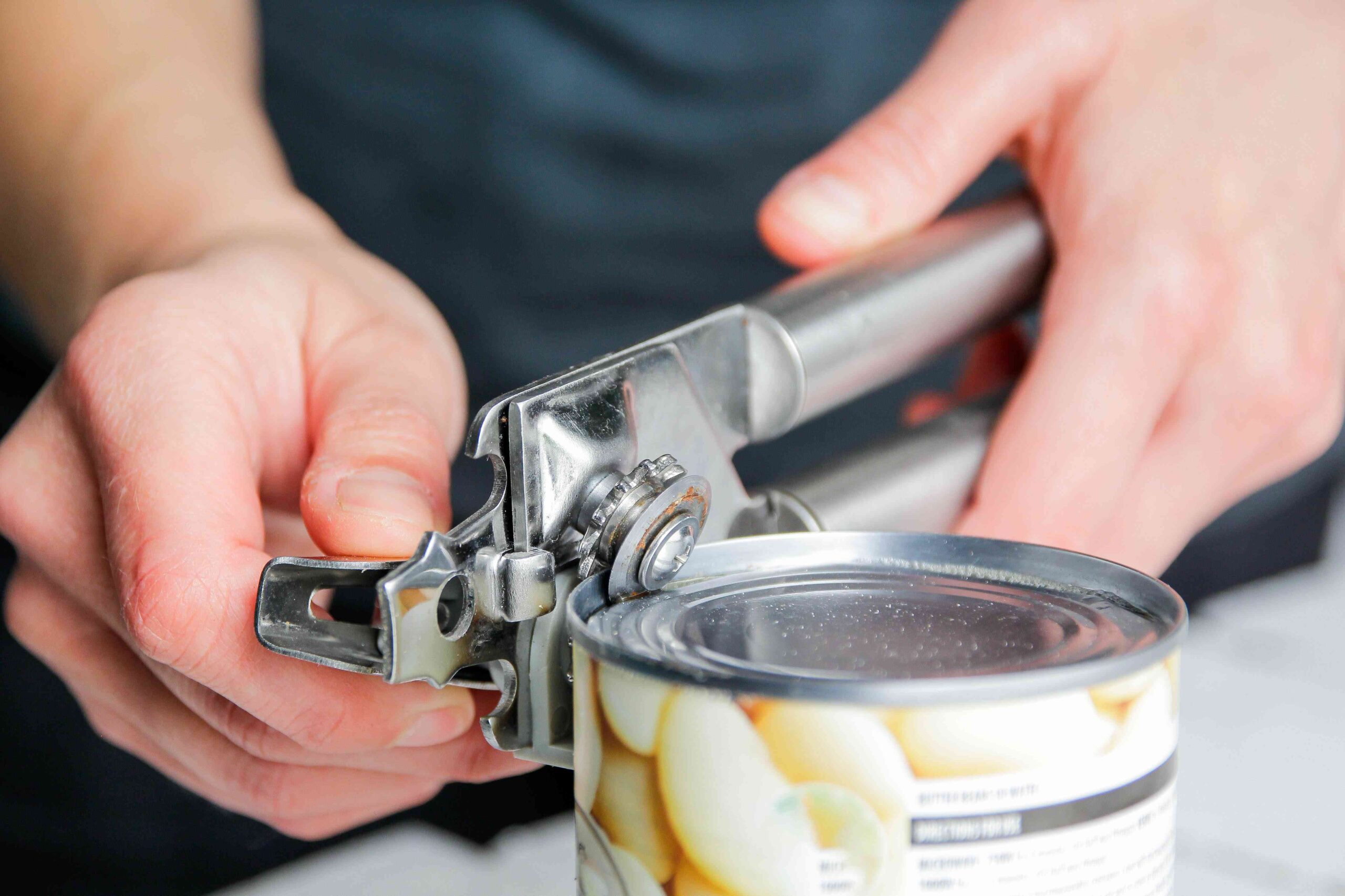
Canned beans are a pantry staple across the U.S., but the next time you add them to a recipe, experts say you should take the time to rinse them first. Rinsing canned beans before eating or cooking with them helps limit your salt intake and cut down on gassiness, making eating the legumes a more nutritious (and potentially more enjoyable) experience.
One well-established benefit of rinsing canned beans is that it helps lower the high sodium load of the product.
Sodium is typically added to canned beans for not only taste, but preservation purposes. Though it varies by brand, 1/2 cup of canned black beans can contain anywhere from about 80 mg to about 400 mg of sodium, for example.
And the majority of Americans consume more sodium than they need.
However, “rinsing canned beans removes up to 40% of the sodium content and washes away the starchy liquid that can alter the flavor and texture of dishes,” Amy Davis, RDN, registered dietitian and owner of Amy Davis Nutrition, told Health.
Rinsing canned beans could help minimize any gas or other gastrointestinal issues often associated with plant-based proteins.
“Beans are in a category of foods called FODMAPs, an acronym for fermentable oligosaccharides, disaccharides, monosaccharides, and polyols,” explained Lindsay Malone, RDN, LD, a nutrition instructor at the Case Western Reserve University School of Medicine. “These are types of carbs that can contribute to gas and bloating in certain people, though some are more sensitive to them than others.”
But washing canned beans may be able to remove some of those oligosaccharides, which might otherwise cause gas during digestion, Davis said.
“Rinsing can reduce the amount of difficult to digest carbohydrates, and for many people, it can help reduce gas,” Malone told Health.
To further avoid gassiness from beans, Malone suggested “cooking them in a pressure cooker” to improve digestibility, while Davis said adding ingredients such as cumin or ginger to your beans could help further soothe the stomach.
“Beans are truly a nutritional powerhouse,” Willbur said. “Incorporating them into your diet will not only have health benefits, but can even make it easier to stick to your grocery budget.”
The protein and fiber found in canned beans slow digestion, which can help regulate the body’s blood sugar response and make you feel more full. This results in less extreme spikes and dips in blood sugar and energy levels after eating.
Fiber from beans also “supports gut health through encouraging regularity and feeding good bacteria in the gut microbiome,” Malone said. It could even help lower cholesterol levels, too.
Canned beans also have plenty of micronutrients, including vitamins, minerals, and phytonutrients (also known as plant compounds).
“Vitamins like folate and minerals such as iron, phosphorus, potassium, and magnesium are found in meaningful amounts in canned beans,” said Davis. These nutrients—in combination with the array of plant compounds in beans—support metabolic, immune, and heart health.
You might want to hold onto canned bean liquid if you have a specific culinary purpose for it.
For example, aquafaba—the liquid from canned chickpeas—is often used as a vegan egg white substitute. Similarly, some people like to utilize canned bean liquid for thickening sauces, soups, and stews, or even as a source of sodium in a dish.
Otherwise, draining and rinsing any residual canned bean water is generally a smart idea to reduce the salt intake and potential digestive discomfort associated with these pre-cooked legumes.
Luckily, all the other beneficial nutrients found in beans—from fiber to micronutrients—will still be present regardless of whether you rinse them before consumption.
Dining and Cooking