
In fact, in an October 2025 issue of the European Journal of Nutrition, researchers analyzed 47 studies on health outcomes associated with adherence to the Nordic diet. People who stuck closely to the Nordic style of eating had a 22 percent lower risk of dying prematurely from any cause, a 16 percent lower risk of dying of cardiovascular disease, and a 14 percent reduced risk of dying from cancer, compared to those with lower adherence.
What makes the diet so protective of health is the combination of its anti-inflammatory- and antioxidant-rich foods, along with its high-fiber content and healthy oils. “It’s a high-quality diet that’s firing on all cylinders,” Katz says.

National Geographic History Magazine
The gift that brings the past to life – now with a free tote
What’s in the Nordic diet?
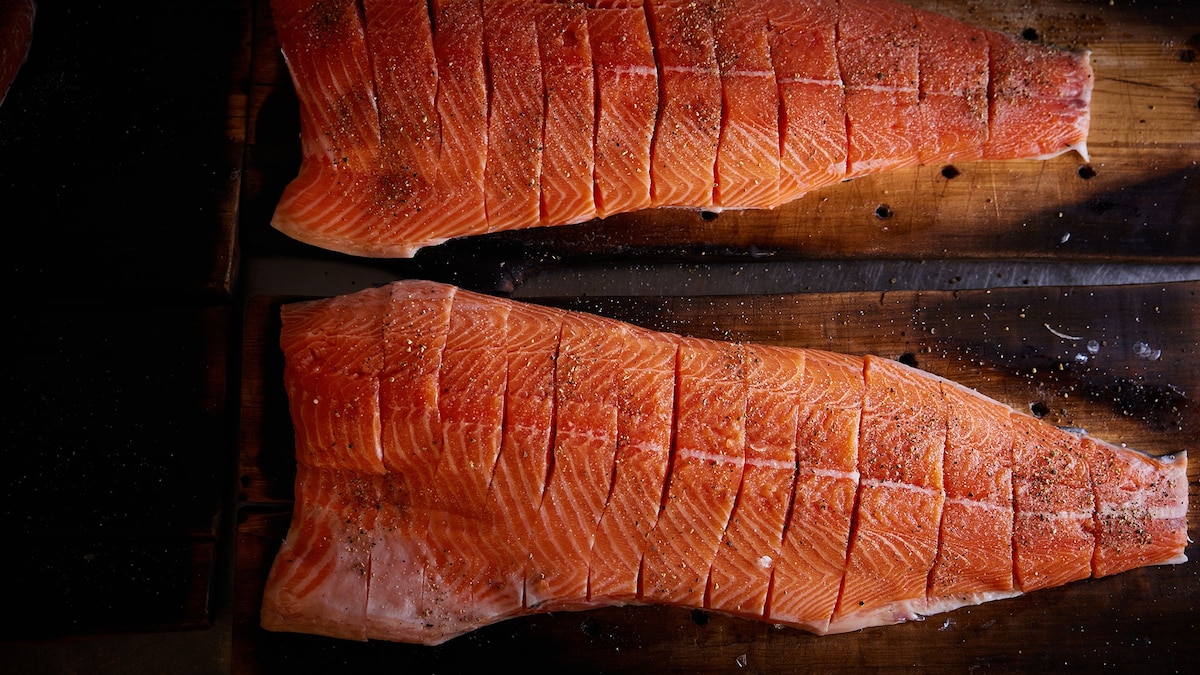
The Nordic diet is a primarily plant-based approach to eating, emphasizing fruits (especially berries like blueberries, raspberries, and lingonberries, as well as apples and pears), root vegetables (like beets, potatoes, turnips, parsnips, and carrots) and cruciferous vegetables (like cauliflower and cabbage). It also calls for whole grains (like rye, barley, and oats), fatty fish (like salmon, herring, sardines, and mackerel), legumes (such as lentils, beans, and peas), and nuts and seeds.
(Want a better high-protein diet? You don’t have to eat more meat.)
These foods are often cooked with seasonings like parsley, dill, mustard, horseradish, vinegar, and/or chives, plus heart-healthy oils such as canola (a.k.a., rapeseed) oil.
Dining and Cooking