
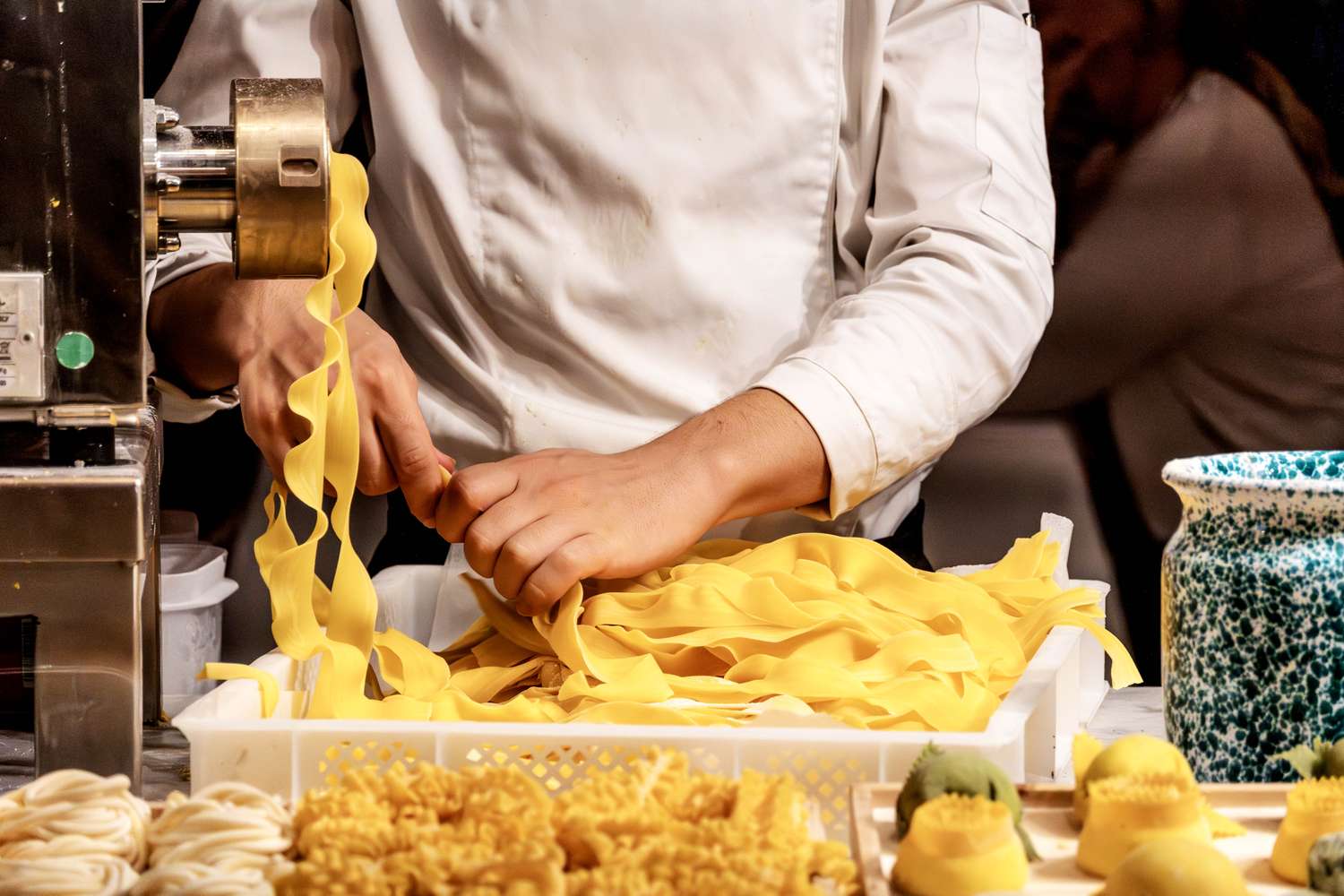
UNESCO officially recognized Italian cuisine as an Intangible Cultural Heritage of Humanity, marking the first time an entire national cuisine has received this distinction.The designation highlights Italy’s culinary traditions as a communal, daily practice rooted in seasonality, regional identity, and shared rituals that extend far beyond individual dishes.Italian officials and experts say the recognition strengthens efforts to protect authentic Italian products from imitation while acknowledging the global influence and widespread popularity of Italian food.
Rome’s Colosseum glowed with celebratory lights this week as Italy marked a historic milestone: Its cuisine was officially recognized by the United Nations Educational, Scientific, and Cultural Organization (UNESCO) as an Intangible Cultural Heritage of Humanity — the first time an entire national cuisine has received this honor.
“Italian cuisine has been recognized by UNESCO as an Intangible Cultural Heritage of Humanity,” Erica Di Giovancarlo, trade commissioner and executive director for the U.S.A at the Italian Trade Agency, said in an emailed statement. “This honor pays tribute to our traditions and the passion we have long brought to the table. It is a recognition that highlights Italian cuisine as a profound expression of our nation’s identity and culture that is cherished and celebrated across the globe.”
Italy’s recognition goes beyond recipes. In its official listing, UNESCO describes Italian cooking as a “communal activity” and a “daily practice,” language that underscores how food in Italy is deeply woven into everyday life. From olive oil pressed with neighbors to Sunday dinners at Nonna’s table, the designation affirms what historians and chefs have long said: Italian cuisine is less a set of dishes than a living ritual shaped by community, seasonality, and identity.
UNESCO’s Intangible Cultural Heritage list already includes foodways such as the French baguette, Neapolitan pizza‑making, and the Mediterranean diet, alongside traditions like flamenco and yoga. But those entries honor a single product, technique, or shared lifestyle. Italy’s designation is the first to recognize an entire national cuisine — from pasta and olive oil to regional harvest rituals — as a cultural practice in its own right.
Where everyday cooking becomes cultural identity
Food historian Francine Segan sees the UNESCO phrasing of cooking as a “communal activity” as especially fitting.
“That is the essence of Italian cuisine — the community,” she says. “They’re such an agricultural country, and have been for centuries, and many of their efforts historically had to be communal. Think about the passata di pomodoro, having to make that thick concentrate of tomatoes when the tomatoes are in season. It’s the whole family, the whole neighbors, and then they share it.”
Segan points to olive oil harvests, grape pressing, and Sunday dinners as examples of how food traditions became embedded in daily life.
“Even today in modern Italy, where there are big supermarkets, people still tend to shop every day, depending on how they feel, what they want to eat,” she says. “They value the freshness. That’s part of the funny thing tourists always love to take pictures of — the fruit vendor who hands you peaches for tonight or tomorrow, depending on when they’ll be ripe.”
At Eataly, the world’s largest Italian marketplace, CEO Tommaso Brusò echoed that sentiment. “In Italy today, there is still a common tradition of making daily trips to the market to pick up fresh, local products and cooking with what is seasonally available,” he said in an email interview. “Most importantly, Italian cuisine is at the center of everyday life. It’s how we spend quality time together with our loved ones and our family.”
Keeping Italy’s culinary heritage unbroken
UNESCO’s recognition also carries a practical mission: protecting authenticity from the proliferation of counterfeit goods. Italian officials have long pushed back against “Italian-sounding” products — items marketed as Made in Italy but produced elsewhere.
These imitations mimic products with Protected Designation of Origin (DOP) status, such as Parmigiano Reggiano, Prosecco, Mozzarella di Bufala, Prosciutto di San Daniele, and Aceto Balsamico di Modena, yet have no actual ties to Italian producers.
“The goal is closely aligned with Eataly’s mission to be the ambassador of authentic Italian food,” Brusò said. “One example of this issue is the widespread presence of ‘Italian-sounding’ products in international markets. With the UNESCO recognition, I’m confident that consumers will continue to deepen their understanding of authenticity and how to identify a traditional ‘Made in Italy’ product.”
Segan notes that this fight is centuries old. “There are historic references back in the 18th century,” Segan says of counterfeit products. “Italians are so vociferous right now, you can almost see it every week in a different newspaper, magazine — they are trying to fight certain makers who are, what they think, stealing a name that should be a trademark.”
How Italian food conquered the world
Why Italy first? Segan points to the worldwide popularity of Italian food. “For the United States, Italian cuisine is the number one restaurant food,” she says. “And I think that’s true in most countries. Italians transmitted the importance of their cuisine as they immigrated, because one of the first things they could do was sell food. They opened pizzerias, they sold vegetables from pushcarts. Even way back in the early 1800s, when they traveled within Europe, they opened restaurants in Paris. They spread their cuisine because it was what they knew.”
“It honors the richness of our regions, the dedication of our producers and chefs, and the generations who have preserved and passed down recipes, techniques, and values,” Di Giovancarlo said.
Dining and Cooking