
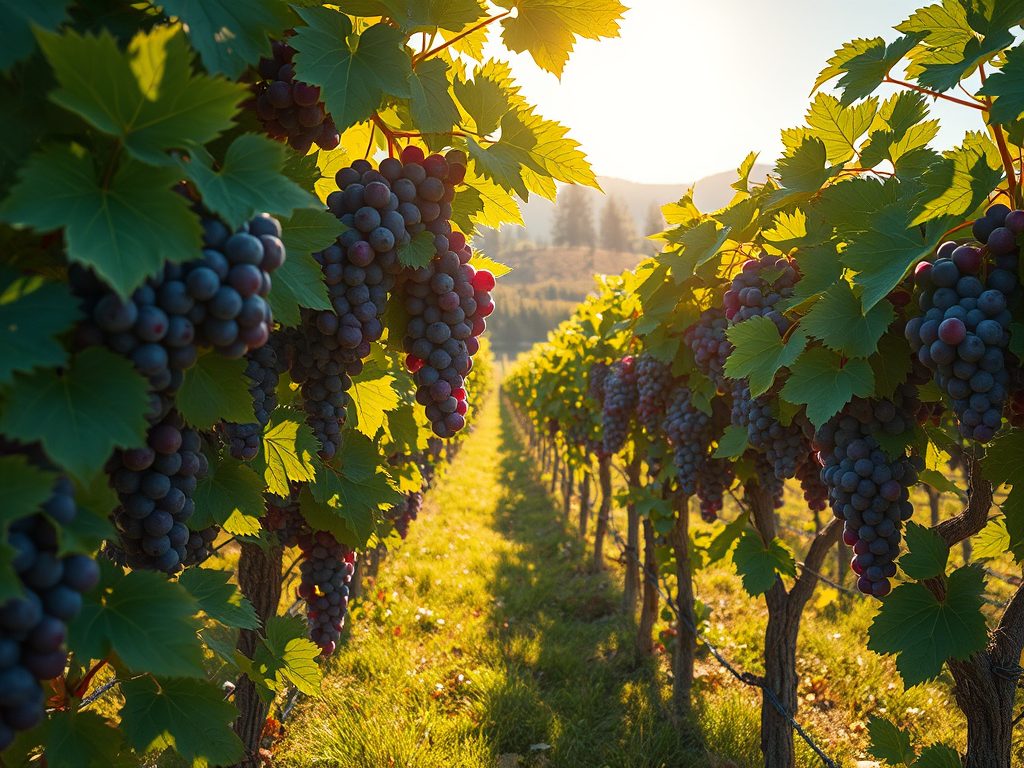
PAARL – Wine lovers have reason to celebrate as South Africa’s wine regions prepare for what could be another bumper harvest in 2026.
Early signs suggest vineyards across the winelands are thriving, with experts predicting wine production could match or even exceed last year’s strong performance.
For consumers, this could mean better availability and potentially more competitive prices for South African wines in local stores and restaurants.
Unlike previous years that saw devastating frosts and floods destroy crops, South African vineyards have now enjoyed two seasons of near-perfect weather.
Dr Etienne Terblanche, who monitors vine conditions across the region, says the signs are encouraging.
“The vines are looking healthy and showing good fruit development,” Terblanche explained. “If the weather holds, we’re expecting a harvest similar to last year – possibly even better.”
Spring arrived early this year, with vines starting to bud about 10 days ahead of schedule. Most wine regions report excellent vine health, with only minor frost damage in some mountain areas.
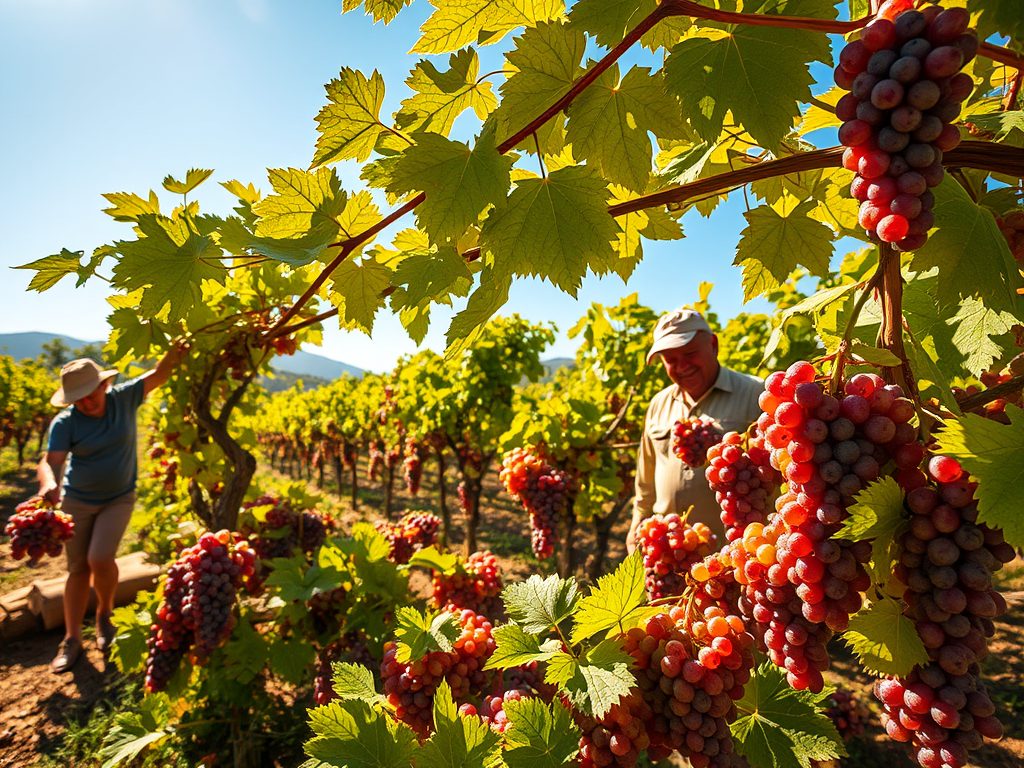 The South African wine harvest for 2026 is looking promising, but farmers are keeping a keen eye on dam levels as hot and dry weather prevails.
Popular varieties like Chenin Blanc – South Africa’s signature white wine – are showing particularly promising fruit development.
But it’s not all smooth sailing. The biggest concern facing wine farmers is water shortage, especially in dry regions like the Swartland.
Areas have received no summer rainfall, forcing farmers to rely heavily on irrigation systems and stored water.
The dry conditions have been a double-edged sword. While it has helped prevent disease and improved fruit quality, it has also stressed some red wine varieties like Cabernet Sauvignon.
“Water availability will make or break this harvest,” said Terblanche. “Farmers are watching dam levels carefully.”
Rico Basson, who heads industry body South Africa Wine, says a strong harvest is crucial for keeping South African wines competitive globally.
“When we have consistent, quality harvests, it helps stabilise prices and ensures good wine remains accessible to consumers,” Basson said.
The industry has been working to improve vineyard efficiency, replacing older, less productive vines with newer varieties that produce better quality grapes.
South Africa currently has about 86,500 hectares under vine – an area roughly the size of Hong Kong.
A successful harvest doesn’t just benefit wine drinkers – it’s also good news for South Africa’s growing wine tourism industry.
Stable harvests help wineries invest in better facilities and experiences for visitors, supporting jobs in rural communities across the Western Cape and beyond.
The industry is focusing on attracting more tourists to wine estates, which brings additional income to farming communities.
Wine farmers will know more about final harvest quantities over the next few months as grapes ripen.
Weather conditions during January and February will be crucial, particularly rainfall patterns and temperatures.
If current trends continue, wine enthusiasts can look forward to good availability of quality South African wines from the 2026 vintage, which typically reach stores 12-18 months after harvest.
The optimistic outlook comes as welcome news for an industry that has weathered challenging years of drought, economic uncertainty, and global competition.
ALSO READ: South African wine industry eyes promising 2026 harvest after favorable winter weather conditions
Dining and Cooking