
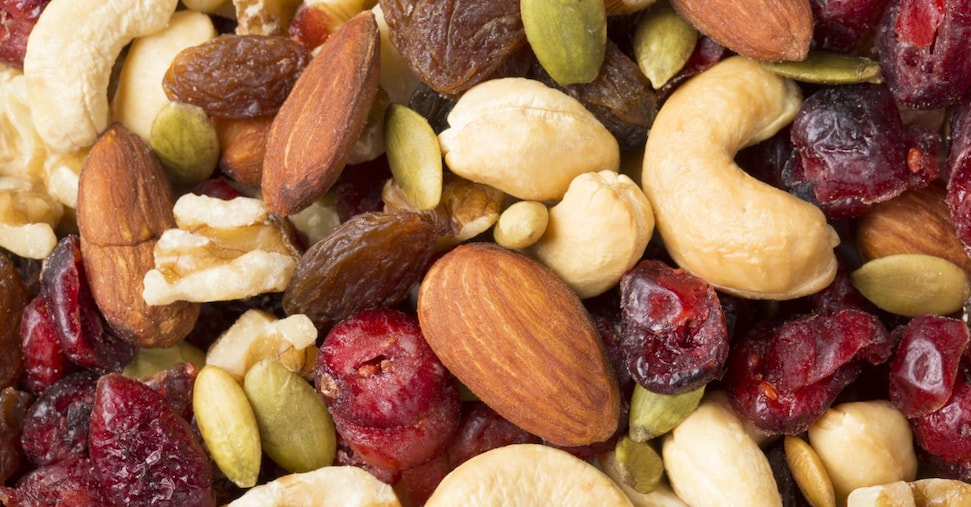
For lunches and dinners, free everyone. According to taste and tradition, one can exceed. But let us remember that ‘semel in anno licet insanire’, so we should not continue for weeks with binges and overindulgences. And so, if we want to take advantage of the end-of-year holidays to leave with healthy food choices on the basis of the Mediterranean model that will accompany us throughout 2026, let us keep in mind what is proposed by research by experts from King’s College London published in BMC Medicine. Also because it offers ‘tasty’ indications for everyday diet, with potential beneficial effects on health. Just think: by regularly taking good quantities of polyphenols, contained above all in coffee, cocoa, berries, dried fruit, tea and whole cereals (as well as olive oil, the classic Evo, as a condiment) it would be easier to reduce the cardiovascular risk profile and thus also to prevent heart attacks and strokes. In fact, the study, coordinated by Ana Rodriguez-Mateos (first name Yong Li), shows that the consumption of foods rich in polyphenols is associated with lower blood pressure values as well as an average increase in HDL cholesterol (the ‘good’ one, to be precise).
Anti-ageing strategies
Polyphenols are natural compounds (there are several types) found in plants with a high antioxidant action that protects cells from stress and free radicals as well as promoting immune system activity and controlling inflammation. The study examined a population of over 3,100 adults in the TwinsU cohort for more than ten years, analysing not only classic cardiovascular risk parameters but also numerous urinary metabolites resulting from the breakdown of the polyphenols themselves. And it was precisely the study on urine biomarkers that showed that those who had higher levels of polyphenol metabolites, particularly those derived from flavonoids and phenolic acids, had a better cardiovascular risk profile. In short: although cardiovascular risk naturally increases with age, higher polyphenol intake was associated with a slower progression of the risk profile of heart and vessel disease throughout follow-up. The research also highlights another finding: using a polyphenol diet score (termed PPS) to record the intake of 20 polyphenol-rich foods commonly consumed in the UK (from tea and coffee to berries, olive oil, nuts and whole grains). Targeted associations with cardiovascular health can be derived from estimates of total polyphenol intake. In practice, therefore, it is necessary to look at the whole diet rather than a single element to understand the relationships of these foods with heart and artery health.
Models to follow
“Our results show that long-term adherence to polyphenol-rich diets can substantially slow the increase in cardiovascular risk with advancing age,” Ana Rodriguez-Mateos commented in a note from the British Institute. Even small and sustained changes in choices towards foods such as berries, tea, coffee, nuts and whole grains can help protect the heart over time’. The results of this study thus confirm one of the many benefits associated with plant-based eating patterns, such as the Mediterranean model, which includes foods rich in polyphenols, such as nuts, whole grains, fruits such as berries, and extra virgin olive oil. This is confirmed by Daniela Martini, Professor of Human Nutrition at the University of Milan, who explains how polyphenols, although they do not have reference intake levels unlike macro- and micronutrients, constitute a group of more than 8000 different bioactive molecules capable of potentially influencing health as widely demonstrated in the literature. Of the various recognised actions, the best known is probably the antioxidant activity which, according to the most recent evidence, is achieved through the activation of endogenous antioxidant enzyme defences’. Caution though. One cannot speak of miracle foods, but rather of the overall quality of the diet that must be maintained over time. ‘The study tells us once again that the key to reducing cardiovascular risk and modulating parameters such as blood pressure and blood lipids is a balanced diet,’ Martini concludes. And above all that it is the dietary pattern as a whole, rather than the individual food, that determines the beneficial effects on health’.
Dining and Cooking