
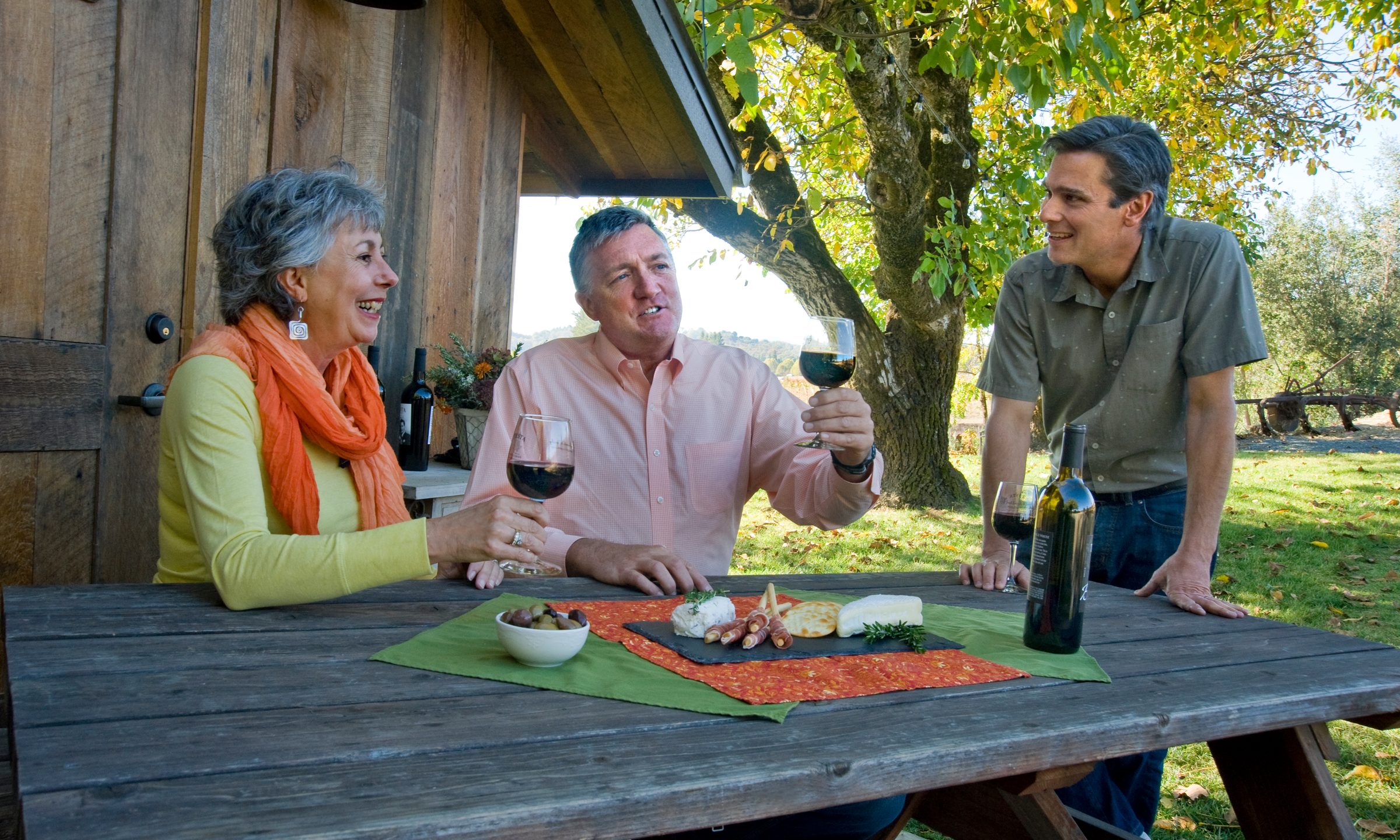
Napa Valley gets the glory, but California produces 90% of America’s wine across dozens of distinctive regions. From Sonoma’s laid-back tasting rooms to Santa Barbara’s beach-and-wine combo, these lesser-known destinations offer world-class vintages without Napa’s premium price tags or tourist crowds.
Even better: Most of these regions pair wine tasting with other activities, like hot springs, coastal hikes and even a winter light show. That all makes them ideal for travelers who want variety beyond the vineyard.
Best for: Combining wine with beaches, walkable downtown tasting and a variety of activities.
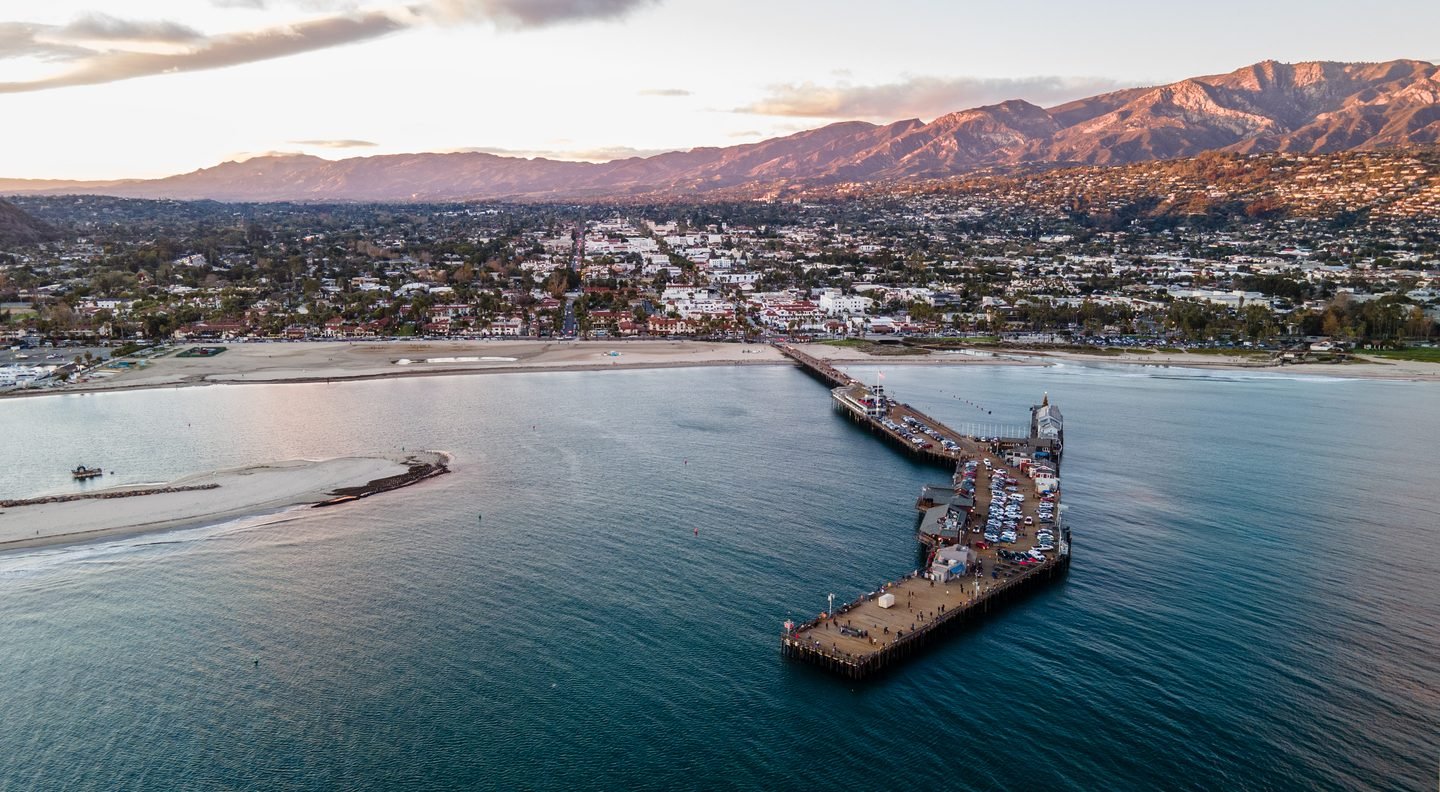 Santa Barbara’s Stearns Wharf Southern California’s wine capital offers something Napa can’t: ocean beaches within minutes of world-class wineries. Santa Barbara County’s 275+ wineries specialize in cool-climate varietals like Pinot Noir and Chardonnay, but the real advantage here is the sheer variety of experiences beyond wine tasting.
The main wine region, Santa Ynez Valley, sits about 45 minutes north of downtown Santa Barbara. Tasting fees typically run $15-$30 at mostly small, family-owned boutique wineries. Many fees are waived with purchase.
Why Santa Barbara stands out
Can’t dedicate a full day to wine country? The Santa Barbara Urban Wine Trail brings the vineyards to you. It’s a collection of tasting rooms concentrated in walkable downtown Santa Barbara. You can alternate wine flights with beach time, courthouse tours and tacos.
The Santa Ynez Valley itself offers more than wine: Visit the Danish-themed village of Solvang with its distinctive windmills and thatched roofs. Don’t skip the Aebleskiver (puffy Danish pancakes).
Beaches: Downtown Santa Barbara has some of California’s best coastline.
Architecture: The historic courthouse is stunning and free to visit.
Food scene: No shortage of excellent tacos and fresh seafood.
Outdoor activities: Hiking, kayaking, surfing.
Best for: Relaxed atmosphere, accessibility from San Francisco and variety.
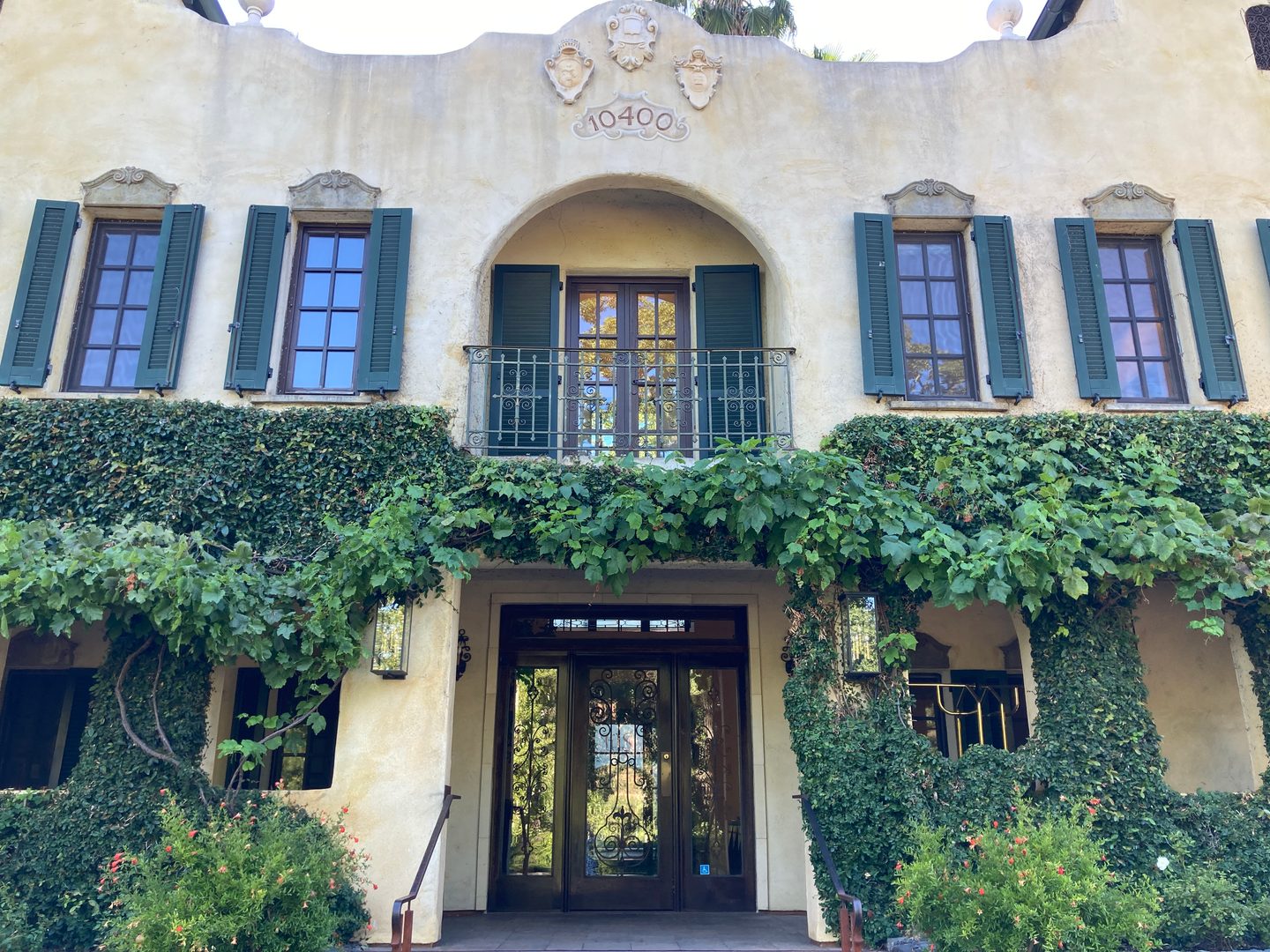 Kenwood Inn & Spa. (Photo by Sally French)
While Napa gets the headlines, many Bay Area locals prefer Sonoma. The county encompasses multiple wine regions, including the Russian River Valley (known for Pinot Noir and Chardonnay) and Kenwood (offering full-bodied reds), all with a more laid-back vibe than its famous neighbor.
Sonoma County spans nearly 200 square miles with more than 400 wineries, ranging from family-owned boutiques to major producers. Tasting fees typically run $20-$40, often waived with purchase. Unlike Napa’s Michelin-starred restaurant scene and luxury hotel rates, Sonoma offers excellent food and accommodations at more accessible price points.
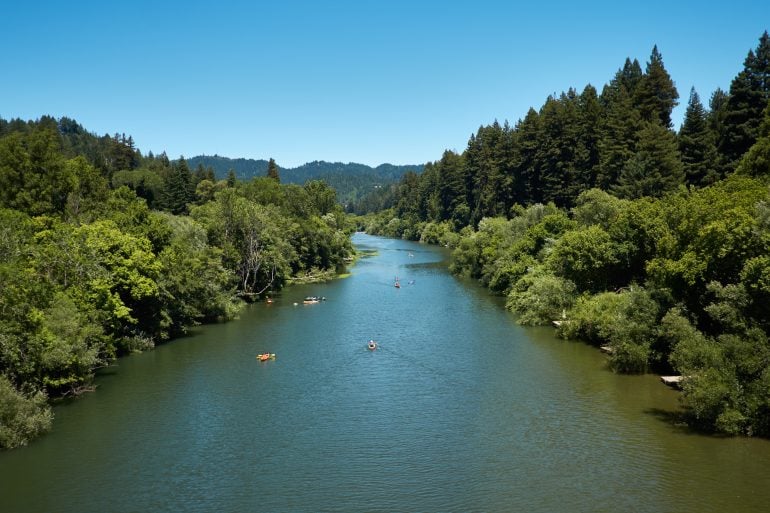 Kayakers paddle up and down the Russian River.
Russian River Valley isn’t just about wine. The river itself draws kayakers and beach-goers during summer months. Kenwood offers access to Sugarloaf Ridge State Park, featuring hiking trails, a waterfall and the Robert Ferguson Observatory for stargazing.
For something unusual, visit Wildwood Nursery’s sculpture garden, where art installations wind through five acres of Japanese maples, dogwoods and bonsai-style trees.
Luxury without the Napa price tag: Kenwood Inn & Spa offers Mediterranean villa-style accommodations with gourmet breakfast (choose your entree — no buffet), evening wine hour with substantial appetizers and fresh-baked cookies throughout the day.
Points option: World of Hyatt members should consider the Hyatt Regency Sonoma Wine Country in Santa Rosa (Category 4). It’s walkable to Historic Railroad Square and downtown, making it one of the best-value Hyatt properties in California.
About 1 hour from San Francisco; 1.5 hours from San Francisco International Airport (SFO).
Best for: Hot springs and mud baths, a castle winery and quirky accommodations.
Calistoga combines two things: wine and wellness. This Napa Valley town at the northern end of the valley has carved out its own identity around geothermal hot springs and mud baths, making it the rare wine destination where you can soak away your tasting tour in mineral pools.
While technically part of Napa Valley, Calistoga feels distinct — less polished, more eclectic. The volcanic soil produces excellent Cabernet Sauvignon, but the real draw is the combination of wine, wellness and unusual attractions.
Castello di Amorosa: A 121,000-square-foot medieval-style Tuscan castle complete with a moat, drawbridge and torture chamber. Yes, it’s a fully functioning winery. Tours and tastings are available (reserve ahead as castle tours sell out).
Spa and soaks: Calistoga built its reputation on volcanic hot springs. You’ll find everything from upscale spa treatments to no-frills mineral soaks.
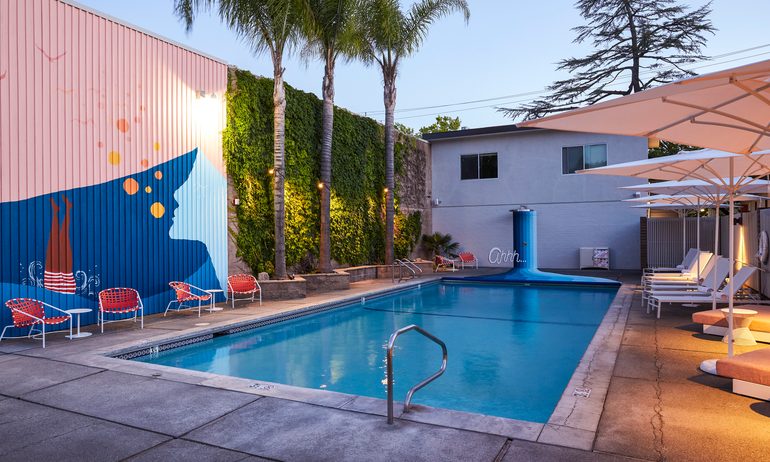 (Photo courtesy of Dr. Wilkinson’s Backyard Resort & Mineral Springs)
Quirky stay: Dr. Wilkinson’s Backyard Resort & Mineral Springs leans into mid-century nostalgia with a fun, retro vibe. The property offers mud baths (a Calistoga signature) and mineral pools alongside standard lodging.
About 1.5 hours from San Francisco; at the northern end of Napa Valley.
Best for: Winter visits, large-scale wine region and a central California location.
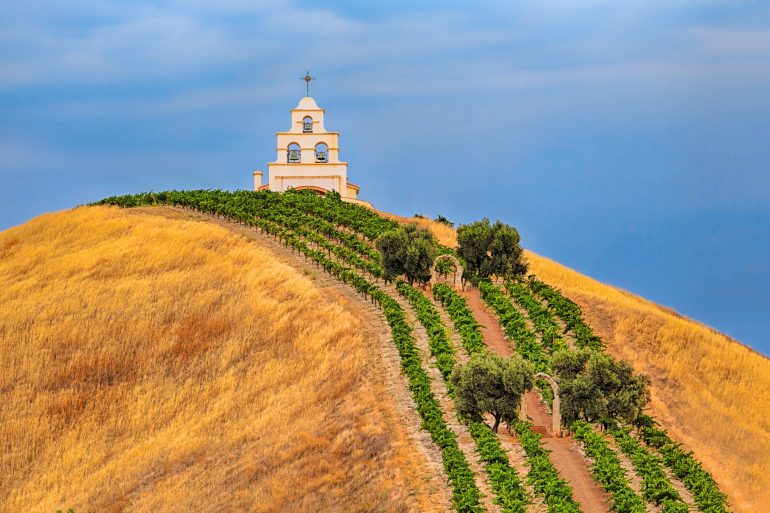 A small chapel on a hill which can be seen while driving on Highway 46 east of Paso Robles.
Positioned between Los Angeles and San Francisco on California’s Central Coast, Paso Robles spans 26,000 acres of vineyards producing more than 40 grape varieties. The region’s size and diversity mean you’ll find everything from intimate family wineries to large commercial operations.
Paso Robles produces bold, full-bodied reds (particularly Cabernet Sauvignon and Zinfandel) primarily due to warm days and cool nights. The landscape ranges from river beds to rolling hills to dramatic mountains. Downtown Paso Robles offers upscale wine shops, restaurants and boutiques.
Winter highlight: Sensorio
Most wine regions are best in summer or fall. Paso Robles has a winter draw: Sensorio, an immersive light art installation featuring tens of thousands of illuminated stems creating waves of color across rolling hills. The outdoor exhibition runs year-round but is especially magical during winter’s early sunsets (roughly 5-10 p.m. depending on season). Book timed tickets in advance.
Hearst Castle: About 45 minutes north.
California coast: Stunning beaches within 30 minutes.
Hot springs: Paso Robles has its own geothermal springs and spa resorts.
Roughly equidistant from Los Angeles and San Francisco (3-3.5 hours from each).
5. Valle de Guadalupe, Ensenada
Best for: International wine experience close to California, cruise excursions and overall value.
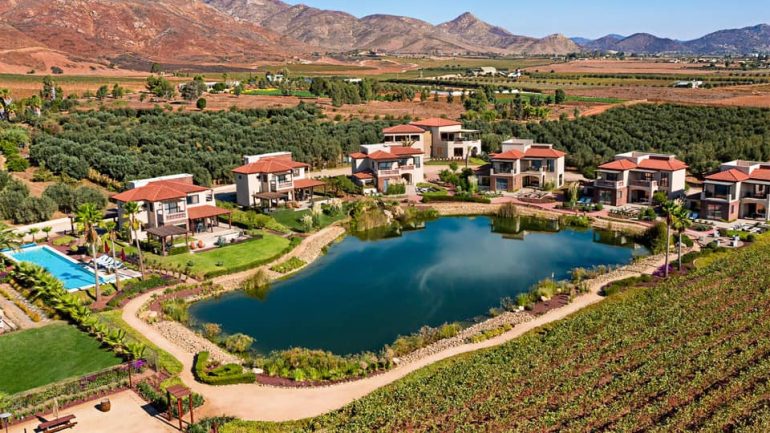 (Photo courtesy of El Cielo Resort)
This isn’t California, but at just 70 miles south of the San Diego border in Baja California, Mexico, Valle de Guadalupe deserves consideration for its proximity, value and more than 100 boutique wineries.
Often called “Mexico’s Napa,” Valle de Guadalupe offers a more rustic, farm-to-table wine experience. Many wineries double as restaurants serving innovative Baja Med cuisine (a fusion of Mexican and Mediterranean flavors). The region has positioned itself as an eco-tourism destination.
Don’t want to drive across the border? Valle de Guadalupe is now accessible as a cruise excursion. Royal Caribbean’s Ovation of the Seas offers Ensenada port calls where you can book winery tours as shore excursions, making it possible to visit Mexican wine country as part of a broader cruise vacation.Day trip option: It’s easy to visit from San Diego as a day trip (bring your passport). The drive time is about 1.5-2 hours from San Diego, though border wait times vary.
Where to stay (if you’re spending the night)
Resorts like El Cielo Resort focus on eco-tourism, offering romantic getaways with grapevine cultivation tours and wine production education.
From San Diego: 70 miles south; cross at Otay Mesa border crossing.
Via cruise: Book as shore excursion when your ship ports in Ensenada.
Requirements: Valid passport for all travelers.
How to maximize your rewards
Dining and Cooking