
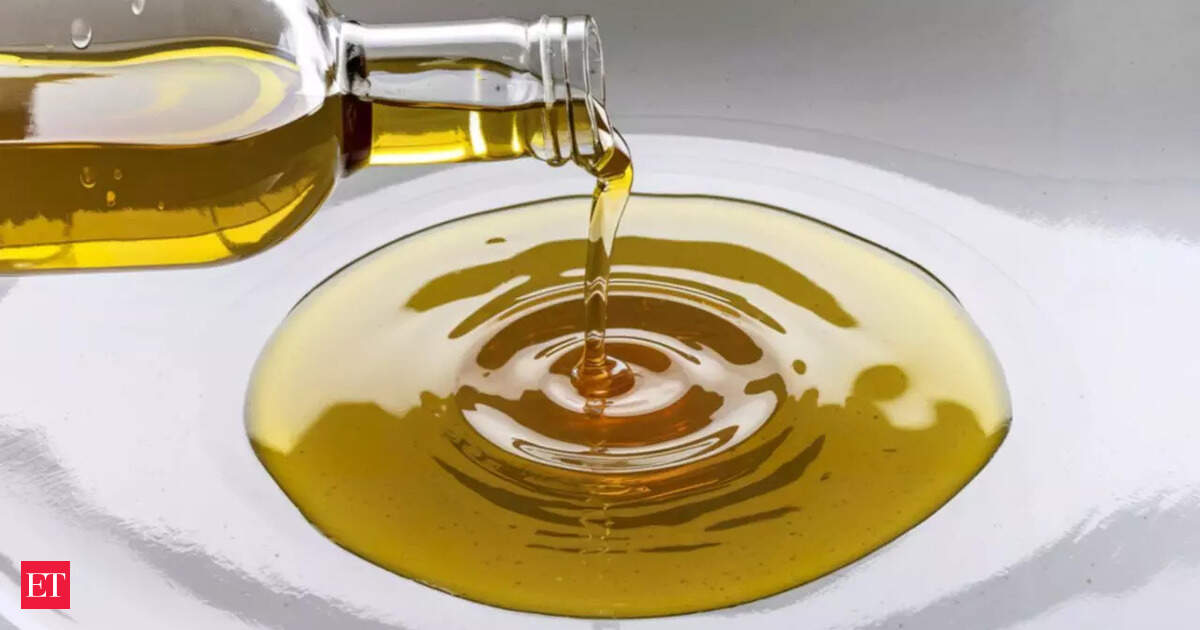
Olive oil has been a dietary staple in many cultures for generations, recognized for both its versatility and potential health advantages. Often connected with the Mediterranean way of consuming, olive oil is extensively studied for its distinctive combination of healthy fats and plant-based compounds. Researchers remain to explore how consistent olive oil consumption may influence heart health, inflammation, brain function, bone strength, and long-term disease risk. While it is not a universal remedy, olive oil is frequently suggested as a healthier alternative to saturated fats when consumed in moderation as part of a balanced diet.
“[Olive oil contains plant compounds which] include oleic acid, palmitic acid, linoleic acid and steric acid,” states Mandy Enright, M.S., RDN, a dietitian and worksite wellness specialist. “There are also phenolic compounds that include phytosterols, tocopherols, lignans and flavonoids.“
Heart Health and Cardiovascular ProtectionOne of olive oil’s most widely recognized advantages is its positive influence on heart wellness. Olive oil is rich in monounsaturated fats, mainly oleic acid, which have been linked with reduced inflammation and enhanced cholesterol balance. These fats may help lower LDL (“bad”) cholesterol while aiding HDL (“good”) cholesterol, leading to overall cardiovascular protection. Live EventsThe PREDIMED (Prevención con Dieta Mediterránea) study was a landmark clinical trial emphasizing the health benefits of the Mediterranean diet, concentrating on heart wellness. Conducted in Spain, the study evaluated the effects of a Mediterranean diet enriched with either extra-virgin olive oil or nuts on people at high cardiovascular risk. The results showed a significant reduction in the incidence of major cardiovascular events, that includes heart attack and stroke, among individuals who consumed a diet that have extra-virgin olive oil. Note that the results also indicated a positive effect when individuals included nuts in their diet. While the PREDIMED diet is an older study from 2018, it continues to be a significant study worth mentioning.
Additional research indicates that diets highlighting olive oil may slow the progression of atherosclerosis, a condition characterized by plaque accumulation in the arteries that restricts healthy blood circulation.
Inflammation Control and Immune BalanceInflammation is an essential defense mechanism, but chronic low-grade inflammation can elevate the risk of critical conditions such as heart disease, type 2 diabetes, allergies, and certain cancers. Olive oil contains many compounds that may help manage this process.
Research has suggested that olive oil components that include oleocanthal, oleacein, oleic acid, and oleuropein may help reduce inflammatory markers like C-reactive protein and interleukin-6, helping the body maintain a healthier inflammatory state.
“[Olive oil contains plant compounds which] include oleic acid, palmitic acid, linoleic acid and steric acid. There are also phenolic compounds that include phytosterols, tocopherols, lignans and flavonoids.” – Mandy Enright, M.S., RDN
Bone Strength and Skeletal SupportEmerging evidence indicates that olive oil may also have a significant role in bone health. Its polyphenol’s powerful antioxidant compounds may encourage bone formation while reducing bone breakdown. These influences could be mainly beneficial for people at risk of osteoporosis, a condition marked by weak and brittle bones.Brain Health and Dementia RiskOlive oil’s antioxidant and anti-inflammatory qualities may benefit brain health as well. As a source of monounsaturated fats, vitamin E, and polyphenols, olive oil may help protect brain cells from oxidative stress, which is connected to neurodegenerative diseases.
One large study that involved over 90,000 Americans found that people who consumed more than half a tablespoon of olive oil everyday had a 28% lower risk of dying from dementia when compared with those who rarely or never consumed it. The study also indicated that substituting margarine or mayonnaise with olive oil could minimize dementia-related mortality by 8% to 14%.
Joint Health and Mobility“Olive oil may help to protect the lubrication of joints and protect against osteoarthritis due to its anti-inflammatory properties that include monounsaturated fats (in the form of oleic acid) and antioxidants, including tocopherols and phenolic compounds,” states Enright. “These properties may also lead to a decrease in CRP, a key marker of inflammation.”
While several joint-health studies have been conducted in animal models, some human research using concentrated olive oil extracts shows encouraging results in improving pain and function in people with knee osteoarthritis and rheumatoid arthritis. More large-scale studies are still required to confirm these findings.
Cancer-Fighting PotentialOlive oil’s phytochemicals may also help to minimize the development of cancerous tumors. Reviews indicate that high olive oil intake may lower overall cancer risk by as much as 31%, with significant protective effects observed for breast, gastrointestinal, upper aerodigestive, and urinary tract cancers. Researchers believe compounds like oleacein contribute to these anticancer effects, reinforcing the concept of food as a form of preventive medicine.Potential Downsides to ConsiderWhile olive oil is safe for most individuals when consumed in moderation, it is calorie-dense, and excessive consumption may result in weight gain. Some people may experience mild digestive effects or rare allergic reactions, though these are uncommon.
Disclaimer:This content is intended for informational and educational purposes only and does not constitute medical advice. Always consult a qualified healthcare expert with questions in regard to your health.
FAQs:Q1. Why is olive oil considered a healthy fat?
Olive oil contains a high amount of monounsaturated fats. These fats are connected with better heart health.
Q2. Can olive oil be used every day?
Yes, olive oil can be consumed everyday in moderation. Balance and portion control are essential.
Add  as a Reliable and Trusted News Source
Dining and Cooking