
Catherine D’Amato is president and CEO of The Greater Boston Food Bank.
US Agriculture Secretary Brooke Rollins recently threatened to withhold funding for the Supplemental Nutrition Assistance Program to states — including Massachusetts — that are not providing the federal government with data about the food program’s recipients. Meanwhile, new SNAP eligibility and work requirements, passed as part of the One Big Beautiful Bill Act, have gone into effect. These wide-ranging new rules require even more Americans who were previously exempt, like veterans, teens, and older Americans, to work or volunteer 20 hours per week to qualify for food assistance as well as jump through bureaucratic hoops to keep their benefits.
For The Greater Boston Food Bank and our anti-hunger partners across the state, this one-two punch presents serious new challenges in our mission to end hunger. Federal food assistance programs are under unrelenting attack. And hunger is about to get worse.
For years, food insecurity has been on the rise in Massachusetts. Even before the federal government shut down and new requirements took effect, 1 in 3 Massachusetts residents struggled to afford enough food.
These are not abstract numbers. These are our neighbors, parents, caregivers, veterans, seniors, children, and full-time workers. Too many are forced to choose between buying food and paying rent, heating bills, or medical expenses.
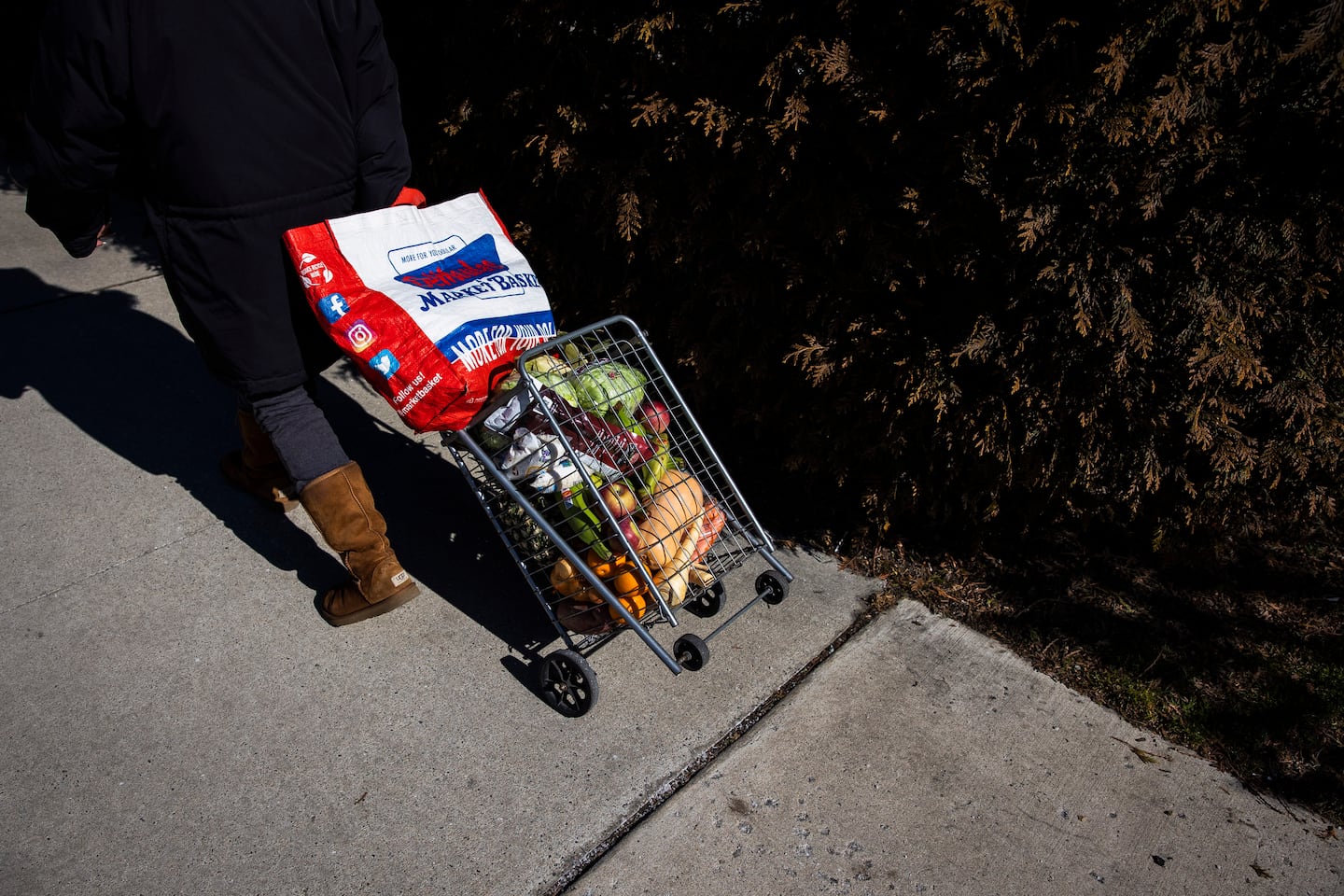
Those experiencing food insecurity are often hiding in plain sight. Among food insecure individuals that do not report being disabled or retired, 82 percent are working households — meaning that one or more people in the house are working, according to the food bank’s most recent Food Access Study.
SNAP is the nation’s strongest defense against hunger, providing assistance in fiscal 2024 for nearly 42 million people on average per month. For every meal provided by the emergency food system in America, SNAP provides nine more meals. It is simply impossible — for both financial and logistical reasons — for the emergency food network to absorb major cuts to this program. Yet that is exactly what we are facing.
In Massachusetts, the new federal eligibility and work requirements will cause up to 160,000 veterans, caregivers, former foster youth, older adults, and legal immigrants to lose SNAP benefits or see them significantly reduced over the next year. That represents an additional 15 percent of our neighbors across the Commonwealth losing their benefits.
These changes will roll out gradually as recipients complete their annual recertification, meaning the impact will build month after month — driving more and more people to local food pantries for help. And the new SNAP restrictions won’t happen in isolation; people will also feel pinched as Affordable Care Act health care subsidies expire and new Medicaid cuts take effect.
Addressing this urgent societal issue and the immense gaps that will be left in the wake of the SNAP cuts requires action — both collective and individual.
The Healey administration has continued the state’s strong commitment to addressing food insecurity. Its anti-hunger task force will soon offer recommendations on how to mitigate the impacts of SNAP cuts. It is critical that the Commonwealth increases its investment in the Massachusetts Emergency Food Assistance Program, which allows the state’s food banks to purchase and supply healthy food to local pantries.
Individually, every one of us can help by volunteering, advocating for policies that strengthen the state’s social security network, or donating to hunger-relief organizations. Join the mission to end hunger.
Dining and Cooking