
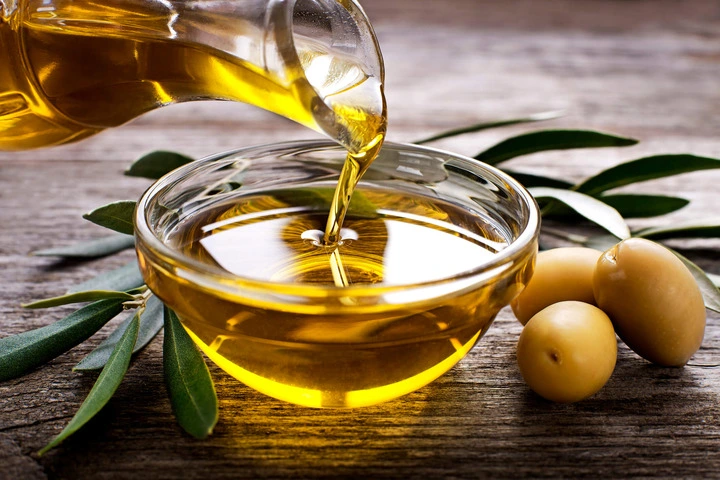
Extra virgin olive oil as an excellent alternative to ultra-processed products. The new invitation to a healthy diet through the use of the main product of the Mediterranean diet comes from the United States.
The spokesperson is the North American Olive Oil Association which recalls how “Many common cooking oils undergo complex processing, but extra virgin olive oil (EVOO) stands out as one of the least processed oils available.”
When asked how to reduce the consumption of ultra-processed foods, the Association responds that “When it comes to cooking oils, there is nothing less processed than extra virgin olive oil. It is obtained by mechanically pressing the olives, without high heat, and no solvents or chemicals are used in the extraction.”
On the contrary, it highlights the association, “Typical seed oil production involves high-temperature pressing, a high-temperature bath in hexane (a chemical solvent derived from petroleum), and then evaporation of the hexane with heat before the oil is refined (removing odors and color) once again at high temperature. Seed oils are then exposed to high temperatures multiple times before ending up in a bottle on the supermarket shelf, which contributes to their poor cooking stability.”
Precisely for this reason, it is underlined, “Deciding to use olive oil in cooking, baking, and dressing—and looking for olive oil on the ingredient labels of other processed foods you purchase—can be the first step in reducing your consumption of ultra-processed foods. While some research suggests that these foods may cause chronic inflammation, there is substantial scientific evidence to support the anti-inflammatory properties of olive oil, especially extra virgin olive oil (EVOO).”.
Here are some key points highlighted by the Association:
Polyphenols: Extra virgin olive oil is rich in polyphenols, such as oleocanthal, which has been shown to mimic the anti-inflammatory effects of ibuprofen. Research indicates that oleocanthal inhibits pro-inflammatory enzymes such as COX-1 and COX-2, helping to reduce inflammation in the body. Extra virgin olive oil is produced using methods that preserve the polyphenols.
Reduction of inflammatory markers: Studies have shown that olive oil consumption can reduce biomarkers of inflammation, such as C-reactive protein (CRP) and interleukin-6 (IL-6). These markers are often elevated in people with chronic inflammatory diseases.
Studies on the Mediterranean diet: Many of the health benefits of the Mediterranean diet, rich in olive oil, are attributed to its anti-inflammatory effects. Long-term studies have shown that individuals who follow this diet have lower levels of inflammation and a reduced risk of inflammatory diseases.
Impact on gene expression: Research has found that compounds in olive oil can modulate the expression of genes involved in inflammation. This means that olive oil may help “turn off” genes that promote chronic inflammation.
Cardiovascular health: Olive oil’s ability to reduce oxidative stress and inflammation has been linked to improved heart health. Inflammatory processes are a significant contributor to atherosclerosis, and olive oil has been shown to mitigate this risk.
Randomized controlled clinical trials: Clinical studies have confirmed that consuming olive oil as part of a healthy diet can reduce inflammatory markers. For example, a study published in the journal Nutrients found that participants who consumed olive oil daily experienced significant reductions in C-reactive protein levels.
Synergistic effects: Foods cooked in extra virgin olive oil are protected from oxidation during the cooking process, and research has shown that nutrients in EVOO move from the oil into the food during cooking.
Olive oil also contains bioactive compounds whose benefits go beyond heart health, supporting brain function, reducing chronic inflammation, and giving it anti-cancer properties.
Link: https://www.aboutoliveoil.org/ultra-processed-foods-olive-oil
Dining and Cooking