
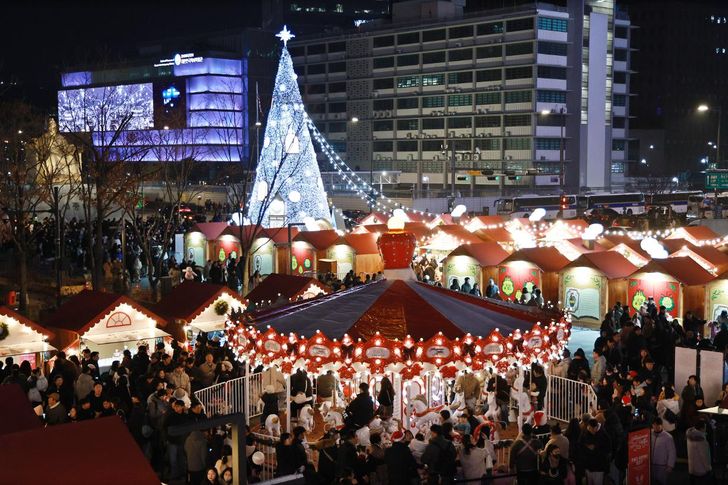
People visit the Christmas Gwanghwamun Market at Gwanghwamun Square in central Seoul, Dec. 14. Yonhap
Every December, Seoul embraces the seasonal festivities with widely advertised Christmas-themed specials. Through the years, Christmas in Korea has evolved from a small religious affair to an extravagant celebration of the end of the year with family and friends.
Christmas became popularized in Korea as different forms of Christianity spread in the 18th and 19th centuries, and emerged as a secular celebration in the 20th century. The celebration was first designated a national holiday in 1945 under the U.S. military government.
As the holiday’s spirit of joy, love and hope resonated, get-togethers, gift-giving and festive celebrations became more widespread, especially among younger Koreans. These are now part of the local Christmas culture, but draw heavily from European and North American traditions.
As the air turns crisp and city streets glow with lights, many Koreans find themselves thinking of Europe’s Christmas markets. Scenes that once required flights no longer feel so far away, with snow-dusted public squares, warm mulled wine and sweet treats found in spots all over Seoul and around the peninsula.
From Germany’s stollen to France’s buche de Noel, or Yule log, Seoul’s cafe and bakery scene has brought Christmastime culinary traditions from the Continent to our doorstep. Here is a closer look at five European year-end desserts to enjoy in Korea.
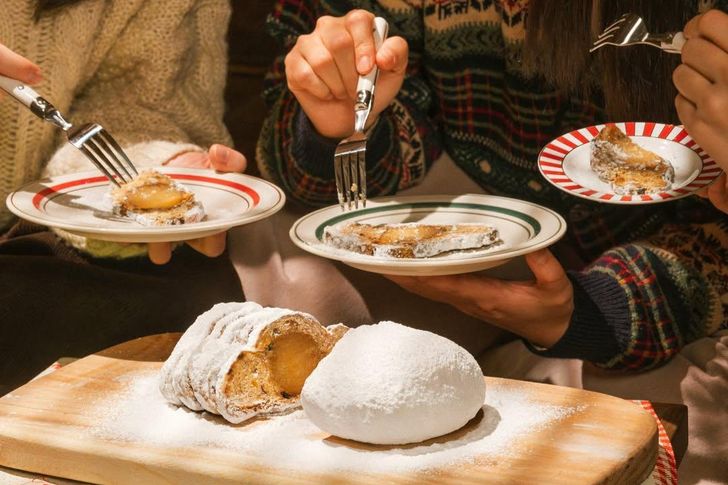
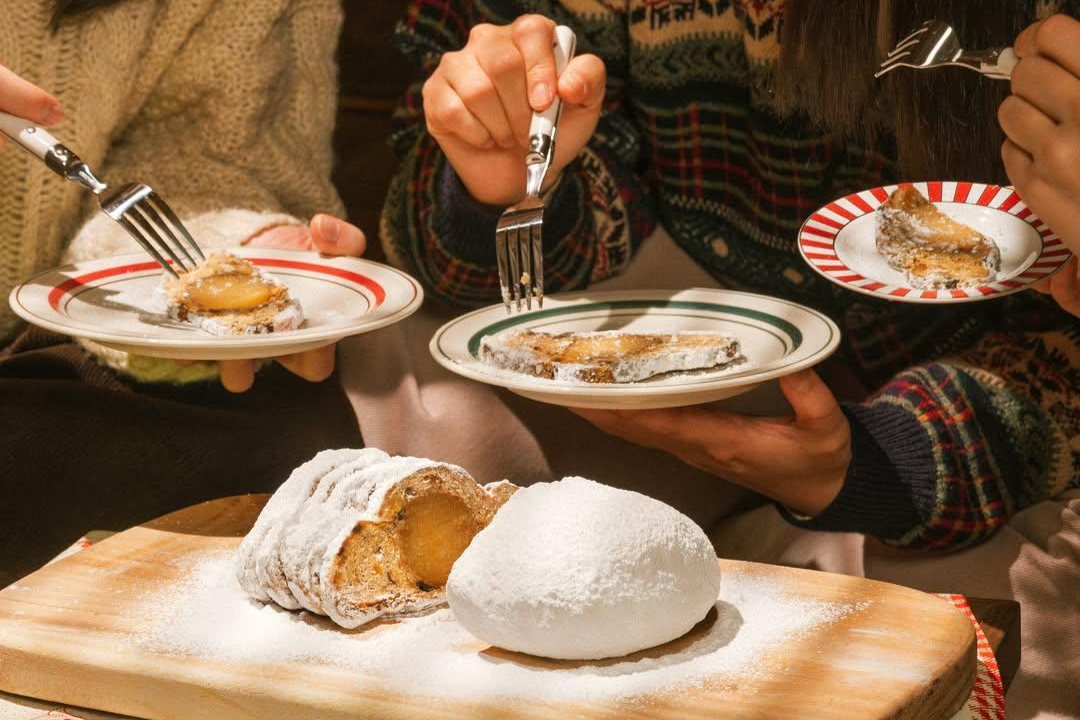
Stollen / Captured from Fritz Coffee Company on Instagram
1. Stollen (Germany)
Stollen is a traditional German Christmas bread made with dried fruits, nuts and spices. It is coated in a thick layer of powdered sugar, resembling snow. In recent years, stollen has surged in popularity during the Christmas season, becoming widely available through limited-time sales at well-known bakeries like Sungsimdang in Daejeon.
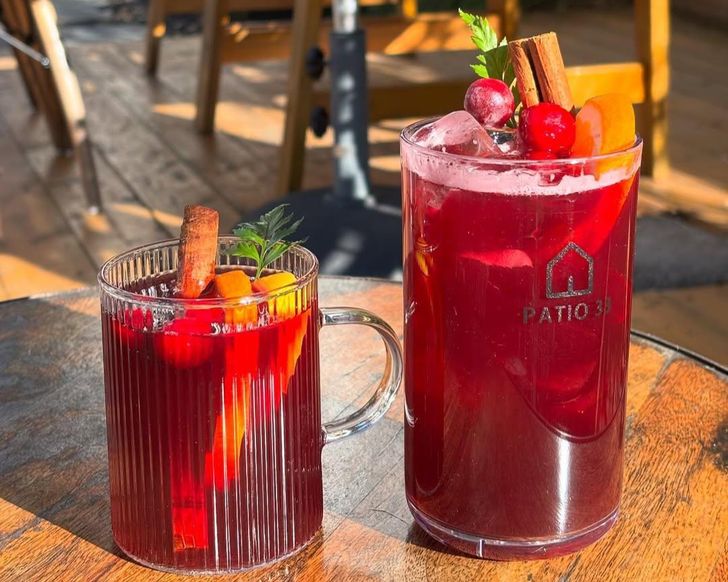
Vin Chaud / Captured from Patio33 Cafe on Instagram
2. Vin Chaud (France)
Vin chaud is a warm mulled wine infused with citrus, cinnamon, cloves and other spices. True to its name, which means “hot wine” in French, it offers warmth and comfort during the winter months. In Korea, many cafes offer vin chaud as a seasonal menu item during the winter. Trend-conscious variations, such as low sugar or nonalcoholic versions, are also available.
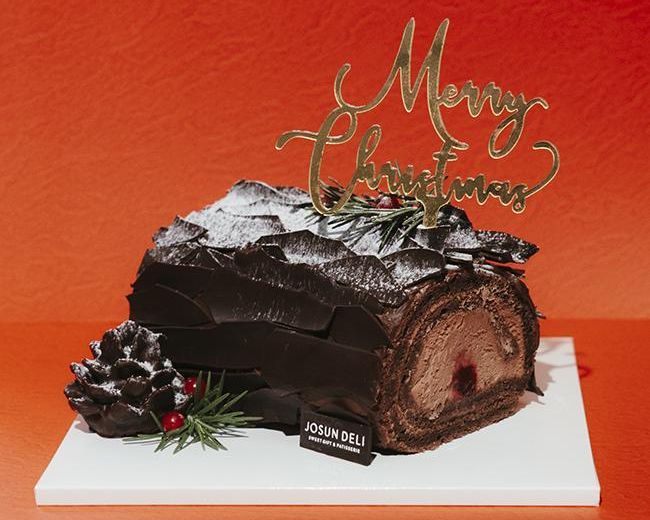
Buche de Noel / Courtesy of JOSUN HOTELS & RESORTS
3. Buche de Noel (France)
Another iconic Christmas dessert is the buche de Noel, a rolled sponge cake filled with cream and decorated to resemble a Yule log. Rooted in an old European tradition, the dessert symbolizes the burning away of misfortune and welcoming of good fortune in the coming year. In Korea, many hotels and cafes including Josun Hotel and Starbucks feature buche de Noel as a specialty item during the Christmas season.
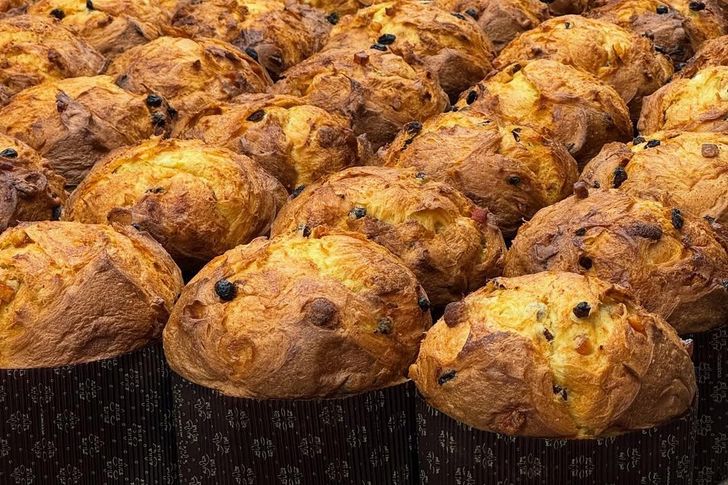
Panettone / Captured from Honeybee Seoul on Instagram
4. Panettone (Italy)
Originating in Milan, panettone has become a symbol of Italy in Korea. This tall, dome-shaped sweet bread is filled with candied orange peel and raisins. Lightly crisp on the outside and soft and airy within, panettone is a popular Christmas treat in Korea, easily found at major retailers like Costco.
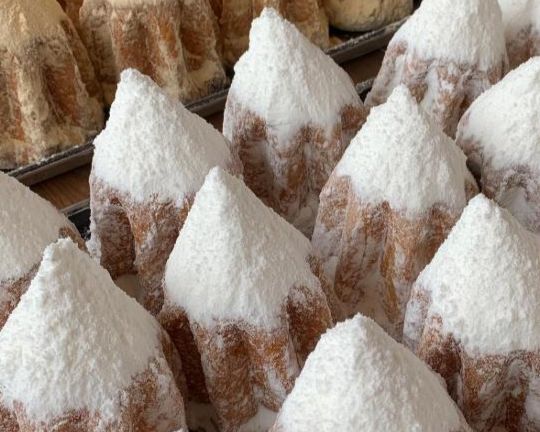
Pandoro / Captured from Kimsfoodguide on Instagram
5. Pandoro (Italy)
Pandoro is a traditional Christmas cake from Verona, Italy. Meaning “golden bread,” its star-shaped form is finished with a generous dusting of powdered sugar, evoking the image of snow-covered peaks. While pandoro is enjoyed during the holidays in Italy, it is available year-round in Korea. Cafe Onion, with locations in Anguk-dong in central Seoul and Seongsu-dong in eastern Seoul, is one of the most well-known places to experience this iconic dessert.
Ahn Seo-hyeon is a Korea Times intern.
Dining and Cooking