
Olive oil is a staple ingredient in many households around the world. While the oil is used primarily in Mediterranean dishes, olive crops are found across many latitudes worldwide.
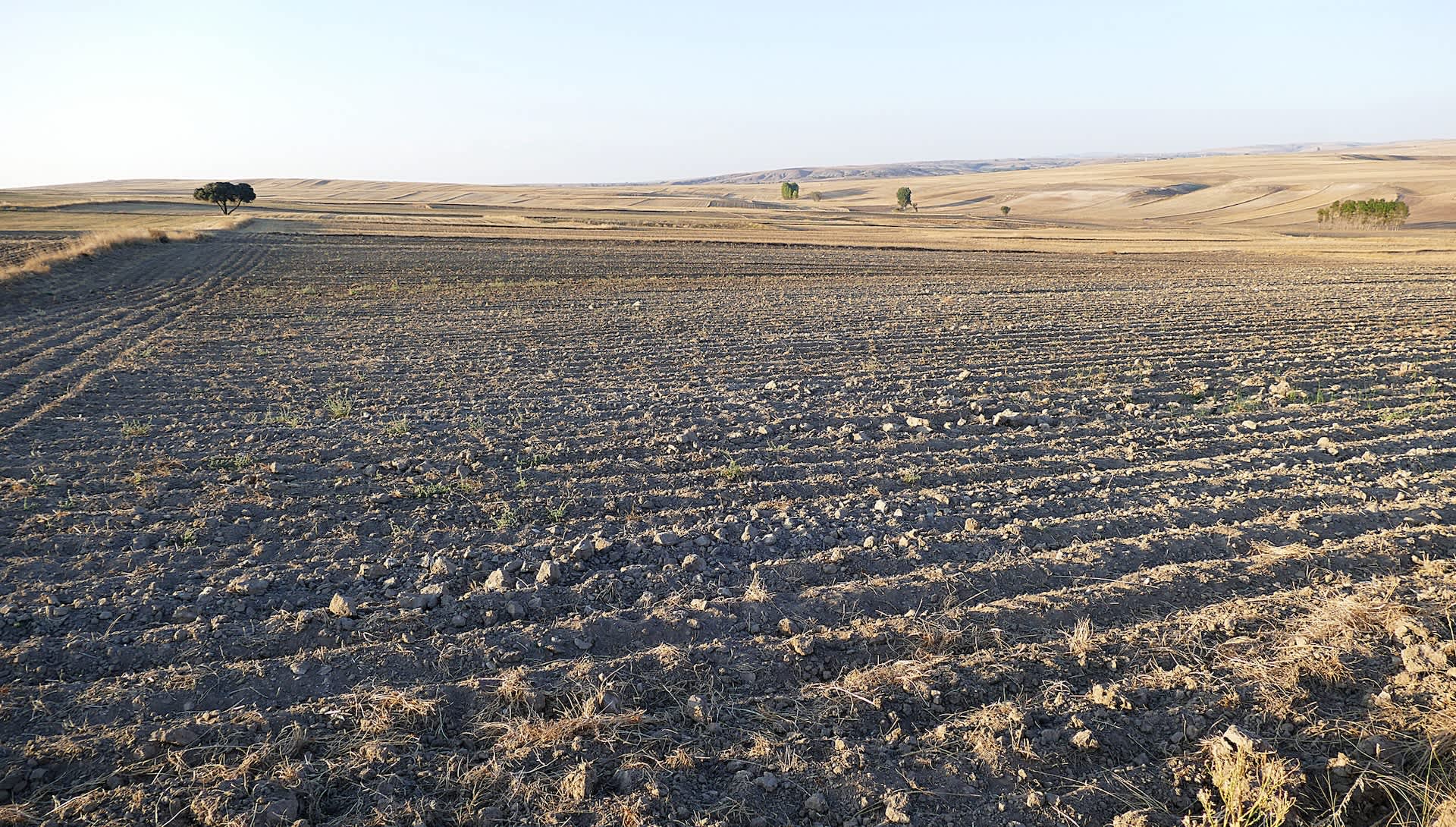
Unfortunately, rising global temperatures and changing rainfall patterns have taken a toll on olive crops, especially in Turkey.
What’s happening?
Olive oil producers in Turkey have announced that this year’s yield is projected to fall drastically from last year’s 475,000 tons. They say the changes can be attributed to harsh weather during flowering, according to the Olive Oil Times.
“The 2025/26 National Olive and Olive Oil Harvest Forecast and Assessment Committee has determined that Turkey will produce 310,000 tons of olive oil and 740,000 tons of table olives in the 2025/2026 production season,” Mustafa Tan, chairman of the Turkish National Olive and Olive Oil Council, said, per the industry publication. “As in all countries, these estimates may be revised as the harvest progresses and concludes.”
The International Council projected an even lower range — between 280,000 and 290,000 tons — while agriculture journalist Ali Ekber Yıldırım reported that many producers are expecting 150,000 to 180,000 tons.
“The yield this season is very low, well below our expectations,” İsmail Şahin of Zagoda Olive Oil told the Times. “This low yield applies to all of Turkey, which will cause prices to rise.”
Why is an olive oil shortage concerning?
Turkey has historically been one of the world’s top producers of the ingredient, sitting in the top 10 according to the World Olive Oil Ranking. Meanwhile, various sources are expecting their lowest yields since 2013-2014, as reported by The Olive Oil Professor. And many other countries are expecting much lower yields as well, which is set to affect pricing worldwide.
Turkey’s producers are also struggling with production costs due to an unfavorable exchange rate against the Turkish lira, which in turn affects farmers’ profits, employment opportunities, and export volumes.
The damage to olive crops is just another example of farming being affected by changing, often extreme weather, despite climate preparedness. According to the International Olive Council, studies have shown that increased heat and water stress can result in lower yields. Other crops that have taken a major hit due to fluctuating rainfall have included chili peppers, almonds, and blueberries.
What’s being done about an olive oil shortage?
Producers are using their remaining stocks from last year to meet demand, hoping to stabilize market prices. Many are also hoping for government assistance to protect everyone’s livelihood.
Around the world, Indigenous knowledge keepers, agricultural workers, and researchers are pursuing development of heat-, drought-, and flood-resistant crops. In 2022, the Environmental Defense Fund also noted the possibility of leveraging “new food oil sources, such as oil produced from yeasts and algae, that have the potential for a far lower environmental footprint.”
Get TCD’s free newsletters for easy tips to save more, waste less, and make smarter choices — and earn up to $5,000 toward clean upgrades in TCD’s exclusive Rewards Club.

Dining and Cooking