
Milano, 10 December – The Italian cooking officially enters the UNESCO Intangible Cultural Heritage of Humanity, confirming not only the prestige of a global gastronomic tradition, but above all the strength of a culinary culture that has built its identity through centuries of evolution, contamination and international exchanges.
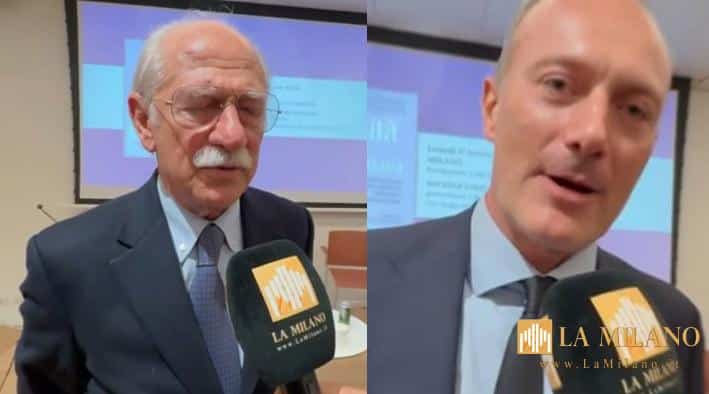
An acknowledgement which, according to the professors Michael Carruba e Pietro Paganini, represents “not the celebration of an immobile tradition, but rather the crowning of a history of continuous transformation”.
A heritage born from the encounter between peoples, territories and cultures
The common narrative portrays Italian cuisine as a monolith, an ancient treasure preserved unchanged over time. In reality, as Carruba and Paganini point out, it’s the exact opposite:
our kitchen it is a constantly evolving mosaic, built over the centuries through global contamination.
Many of the ingredients today considered symbols of Italian gastronomy come from elsewhere:
tomatoes, potatoes, closest e pepperoni arrived from the Americas after the 16th century;
le olive andgrape, arrived on the Mediterranean routes;
spices and culinary techniques introduced by oriental trade;
Arab influences in confectionery preparations and preservation techniques.
Italy has not simply adopted these elements: it has transformed them, elevated them and shaped them according to its own territories, creating a unique gastronomic language, recognized and loved throughout the world.
The leading role of the Mediterranean Diet
To support this wealth there is a method, a scientifically validated nutritional philosophy: the Mediterranean Diet, already a UNESCO heritage site since 2010.
According to Carruba and Paganini – authors of the volume “Obesity: Instructions for Rebellion: The Mediterranean Way to Balance, Longevity, and Freedom of Choice” – the strength of Italian cuisine lies precisely in thebalance between variety, seasonality, quality and conviviality.
This approach:
promotes the consumption of fresh and local foods,
enhances Italian biodiversity,
integrates health, taste and sustainability,
enhances the meal as a moment of connection and culture.
It is a modern model, capable of communicating with nutritional science and the challenges of the present, from well-being to environmental sustainability.
A cultural and industrial heritage: 190 billion in value
Italian cuisine is not just culture: it is one of the main industries of the country.
The Italian agri-food sector:
is worth over 190 billion euros,
includes thousands of businesses distributed along the entire supply chain,
generates millions of jobs,
exports identity products such as pasta, olive oil, cheeses, wines and preserves all over the world.
It is a dynamic, innovative industrial fabric, where tradition meets technology, and which every day brings a piece of Italy to global tables.
An ecosystem that protects territories, promotes sustainability, safeguards denominations, and contributes to the country’s international reputation.
A living heritage, not a museum exhibit
Celebrating Italian Cuisine means recognizing not only a glorious past and a vital present, but also a future in motion.
Carruba and Paganini emphasize how our gastronomy does not fear change:
he drives itIt adapts, innovates, experiments, and engages with the world.
It is alive because it continues to transform, finding new languages through chefs, producers, researchers, entrepreneurs, and territories.
Today UNESCO does not consecrate an immovable monument, but a dynamic heritage, made of everyday gestures, simple ingredients, family rituals and a mix of contemporary creativity.
An identity-based and global recognition
The entry of Italian Cuisine into the Intangible Heritage of Humanity is more than an award: it is the confirmation that the value of our gastronomy does not only reside in taste, but in a story of adaptation, openness and transformation which he was able to embody.
A heritage that continues to grow, evolve, and surprise.
And which today – as yesterday – brings Italy to the world, spoonful after spoonful.

Reproduction reserved © Copyright La Milano
Dining and Cooking