
As the calendar flips decisively into 2026, there’s an unmistakable sense of renewal in the air; perhaps an opportunity not to renounce pleasure per se, nor to stride grim-faced into a monastic-like abstinence, but to embrace a more mindful kind of enjoyment. Given how bleak January tends to be, a completely Dry month has never appealed to me, but what does is the opportunity to refine my drinking habits and explore the wealth of low and no-alc options now appearing on bar menus and retailer’s shelves.
Increasingly, drinkers are discovering that moderation needn’t feel like a compromise; in fact, it can open the door to a richer, more curious world of flavour. And at the heart of this shift sits a burgeoning sector of non-alcoholic alternatives: drinks crafted with the same intent, creativity and provenance we’ve long admired in fine wines and spirits- yet engineered to offer the drinker greater control over how, when and why they imbibe.
What does ‘Non-Alc’ actually mean?
Today’s most credible non-alcoholic alternatives, in the truest sense, are not merely soft drinks dressed up in fancy packaging. They are thoughtfully built beverages designed to replicate the structure, complexity and ritual of alcoholic drinks – minus (or with minimal) alcohol.
For wine, this often means de-alcoholised expressions: wines that begin life exactly as any conventional bottle would, grown in the vineyard, fermented, and nurtured into a well-balanced liquid. Only then is the alcohol removed, usually through techniques such as vacuum distillation or reverse osmosis. Both methods allow producers to retain the aromatic compounds and flavour nuances that define the original wine. The result is a drink that feels familiar in the glass: structured and tannic, food-friendly and genuinely vinous, yet invites us to sip without consequence.
Creating a credible – and tasty – spirit without the alcohol content is devilishly tricky. The inherent complexity of a spirit is intensified by the distillation process, so resorting to other means to create similar flavours has meant that the results are never quite as robust or mouth-filling as the original. Some are made in the same way, ie distilled from a beer or wine, with the alcohol molecules removed post-distillation. Others use what is called a hydrosol: distilling water, or tea and adding specific flavourings, such as ginger and citrus elements, salts, acids and flavour stabilisers, to mimic the flavour and mouthfeel of a spirit, which is combined with other flavourings such as gin botanicals and spices – and in the case of low-abv spirits, a small amount of spirit, such as gin etc.) This results in a concentrated, realistic spirit flavour. Adding a small amount of glycerol, post-distillation can also help to develop the thicker, perceived ‘unctuousness’ that an alcohol-rich spirit brings.
What feels most exciting about entering 2026 with these drinks at our disposal is the sense of possibility they offer. it’s about expanding our toolkit of pleasure. It’s about pacing ourselves across the night, staying present in the conversation, waking up clear-headed, yet still feeling like you’ve indulged in something crafted, thoughtful and delicious.
Five Solid Non-Alc ‘Wines’ to try:
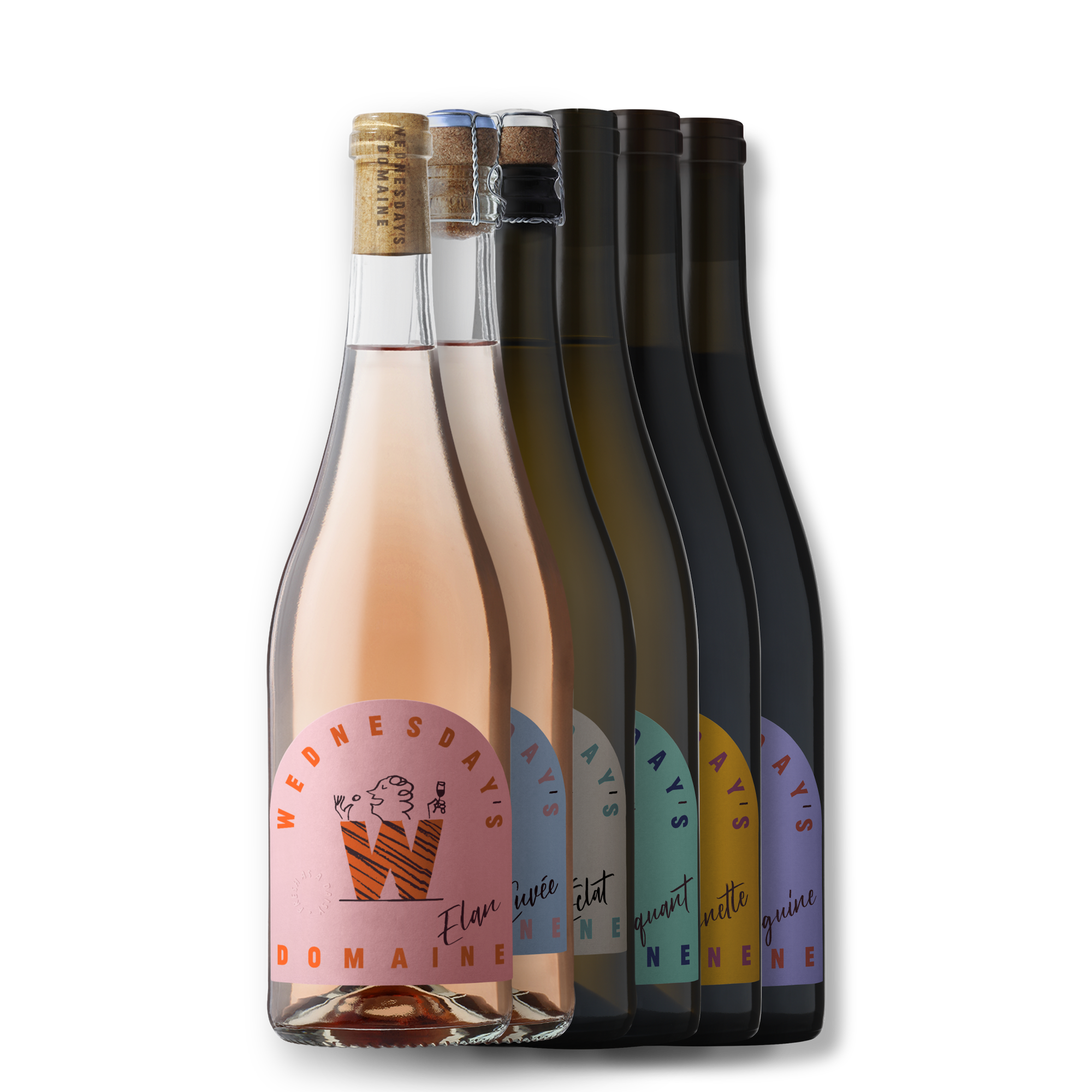
Wednesday’s Domaine
Taster Box
This fizz has been on my radar for some time and made an excellent alternative for non-drinkers on NYE. It uses Verdejo grapes from the historic La Mancha region of Central Spain, and the wine is de-alcoholised before being blended with a handful of natural ingredients in pressurised tanks to create its effervescence. Fresh and floral with a touch of green fruit and a touch of earthy spice on the finish.
Laithwaites Wine
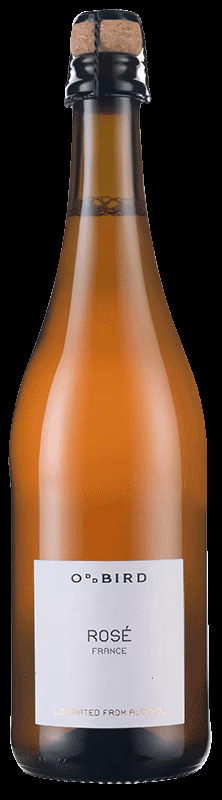
Oddbird Alcohol-Free Sparkling Rose
Founded by in Sweden by Moa Gürbüzer, Oddbird Sparkling Rosé brings together Chardonnay and Pinot Noir wines from southern France. The grapes are picked young to retain a brighter aroma and the wine is then aged to retain a brighter aroma. The wine is then aged for twelve months before being de-alcoholised. Fruity and zesty, it certainly has enough vibrancy to hold its own against regular pink fizz.
Thomson & Scott
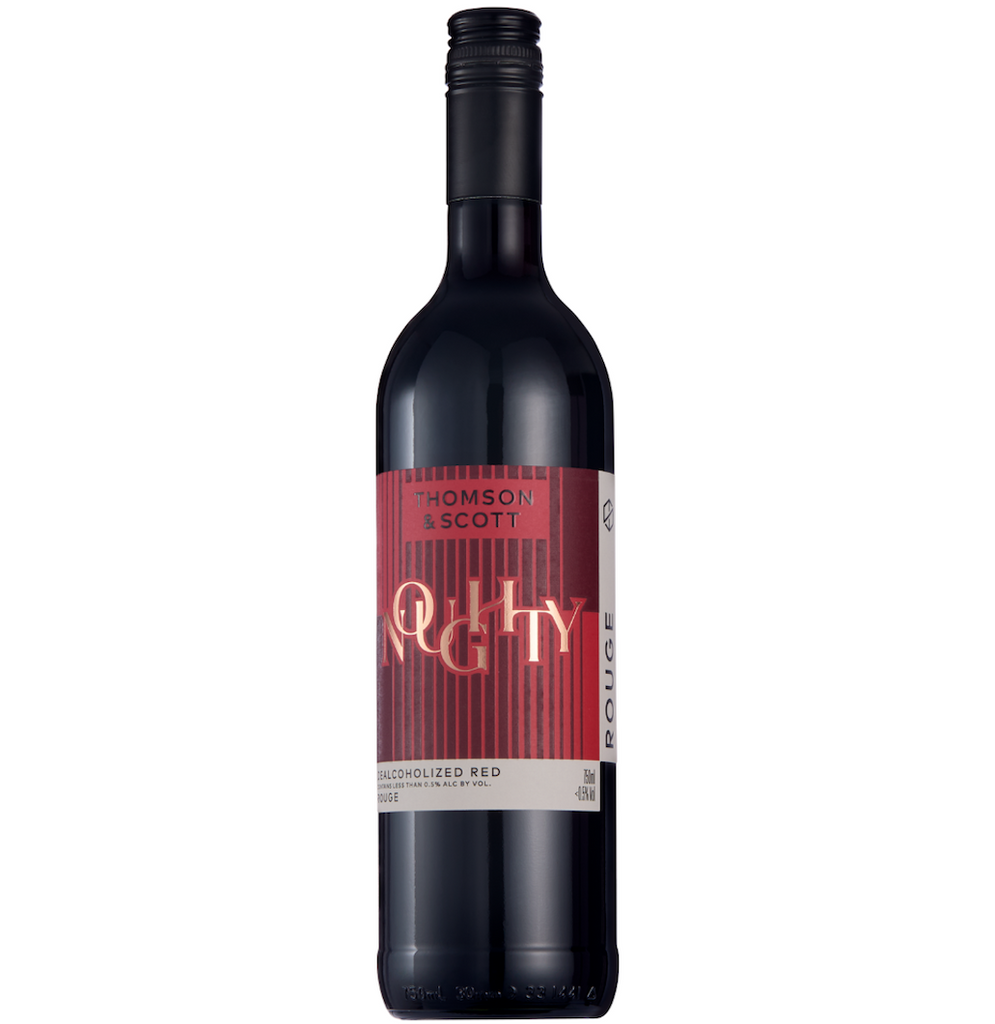
Noughty Non-Alcoholic Rouge
Created by Amanda Thomson, a former BBC Arts broadcaster with South African heritage, who was recently awarded the Drinks Business Entrepreneur of the Year. This South African Syrah comes from vines planted in the Western Cape and is dealcoholised to 0.5% under vacuum and at low temperature, to ensure that the wine retains its distinctive body, colour and flavour. It’s spicy, tannic and surprisingly fruity.
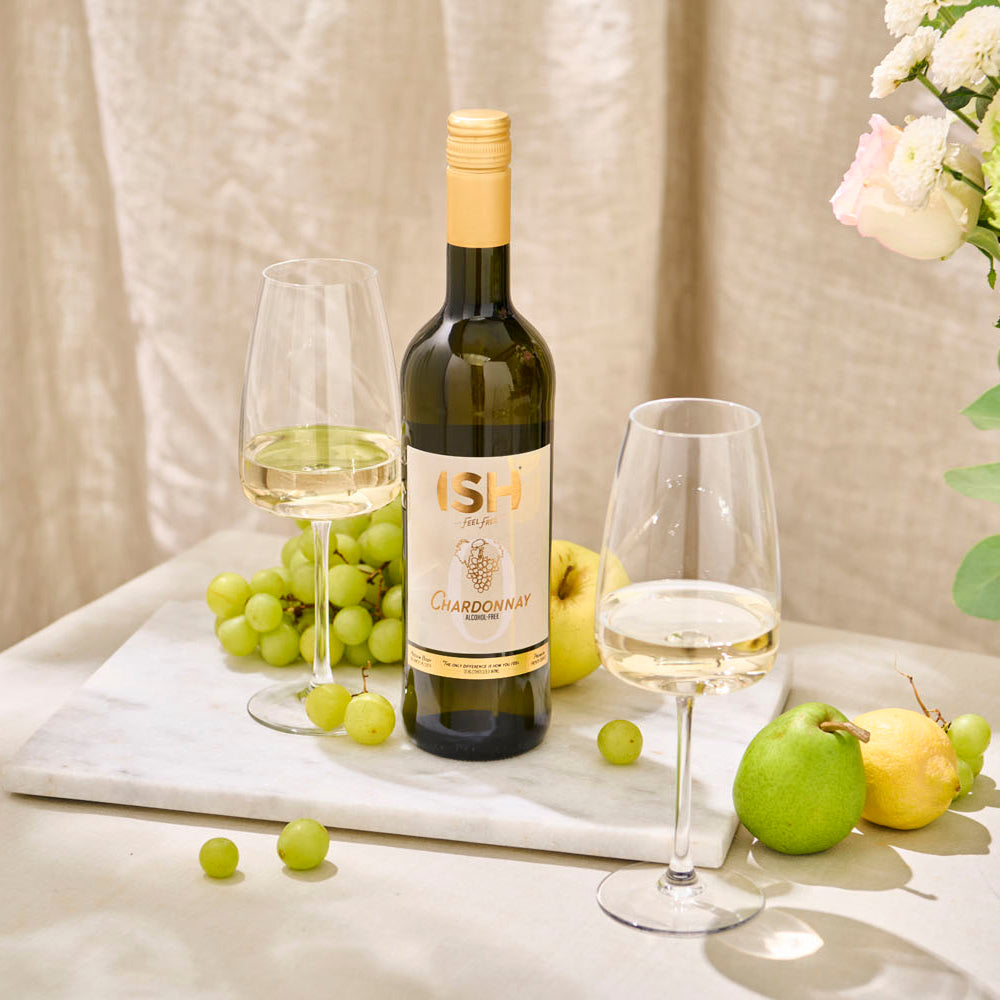
ISH Spirits
Alcohol-Free French Chardonnay, 750 Ml
ISH is a Danish company which specialises in creating both non-alc wines and spirits and this Chardonnay has been developed from 100% French-grown grapes. Whilst it doesn’t have the same weight as a full-bodied, full-fat Chardonnay, you’ll find delicate notes of orchard fruit, vanilla, lemon zest and a decent minerality on the palate.
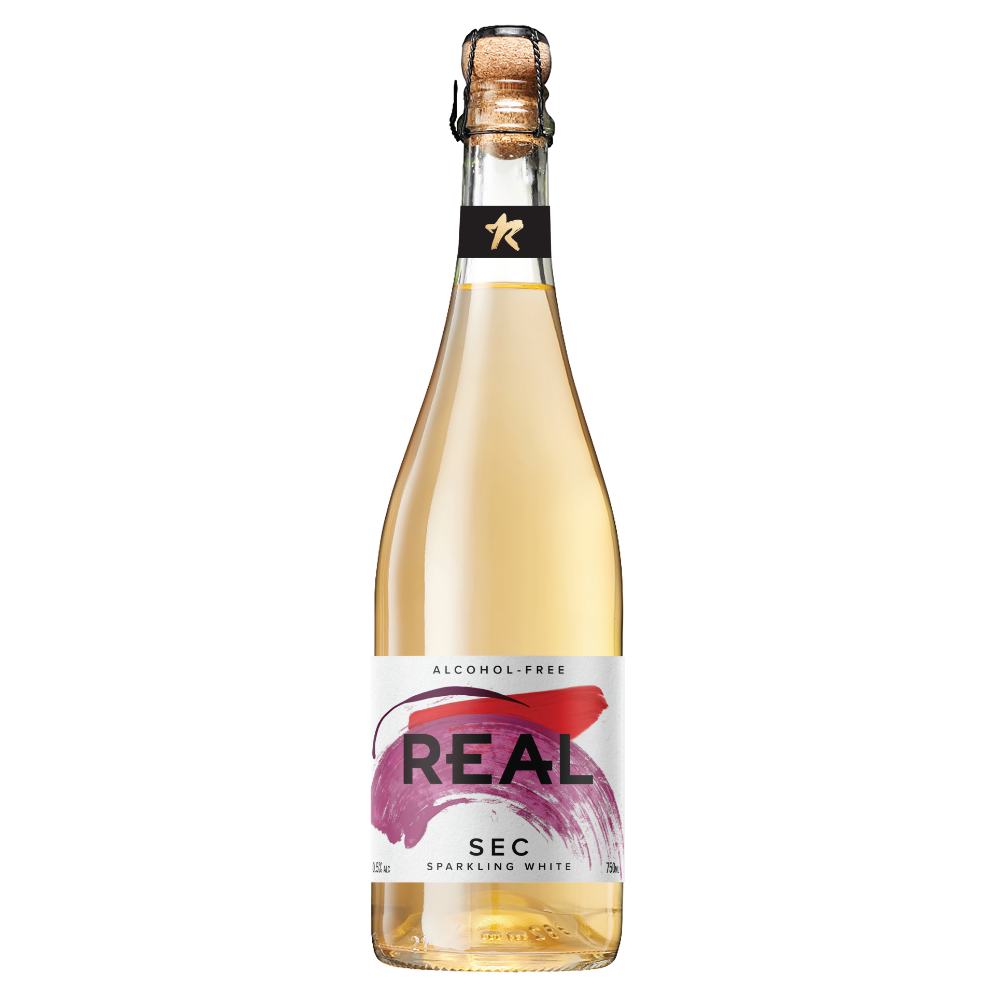
The REAL Drinks Co.
Real Sec Alcohol-Free (750ml X 6)
So technically not a ‘wine’ but a worthy inclusion, nonetheless. Real is a first-of-its-kind fermentary based on the Waddeston Estate in Buckinghamshire and brings together Darjeeling tea and red grape skins, which are fermented using techniques inspired by traditional winemaking, to produce a sparkling, wine-like drink, which is both dry, well-structured and full of fresh, light orchard fruit and rhubarb flavours.
Five Non-alc ‘Spirits’ to seek out:
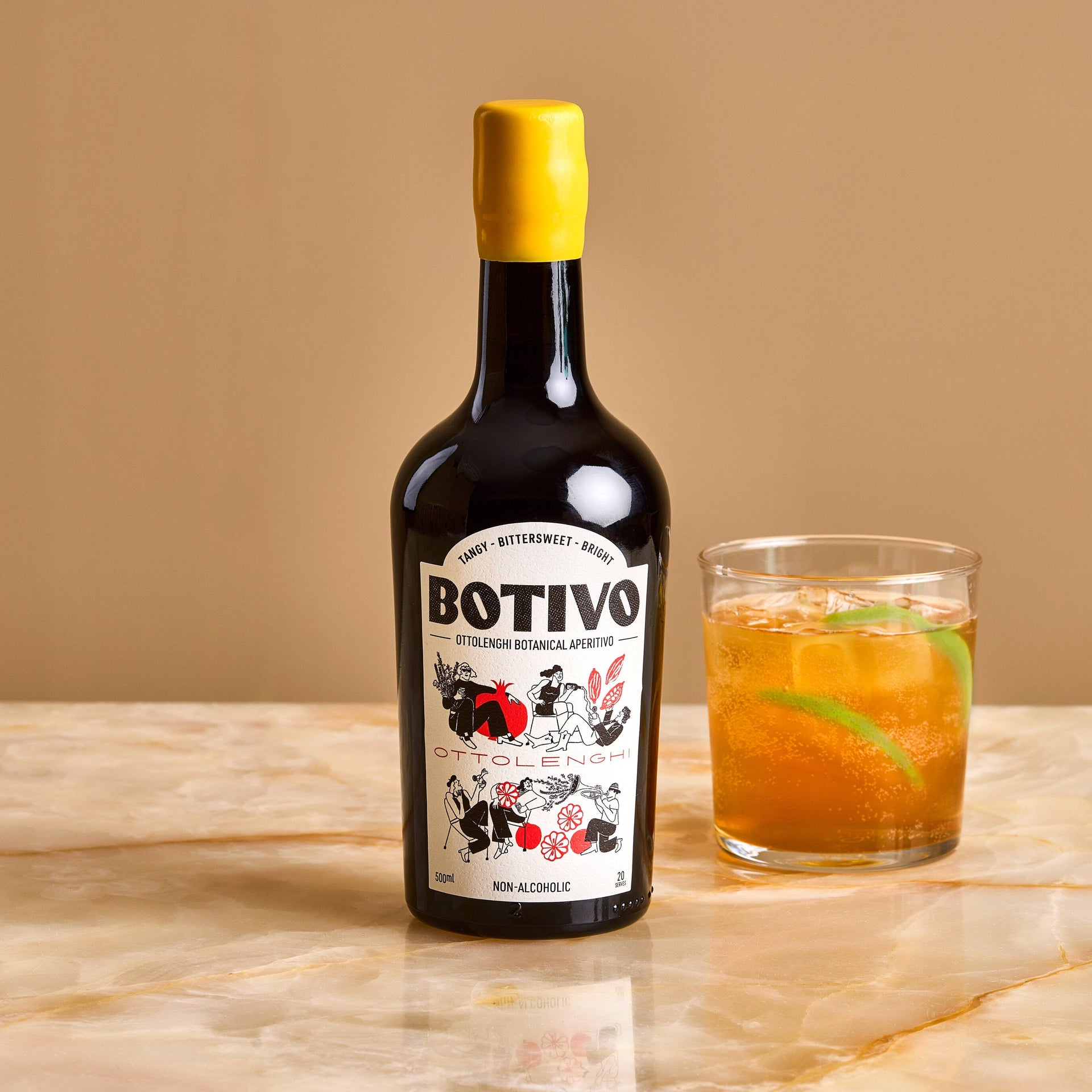
Ottolenghi
Ottolenghi X Botivo
Botivo has fast established itself as one of the leading lights in the non-alc scene, thanks to its characterful flavour, driven by macerating botanicals (the proprietary recipe uses thyme, wormwood, rosemary, gentian and orange zest) in aged apple cider vinegar and honey. This collaboration with acclaimed the chef, Ottolenghi ups the ante with black lime, cardamom, rose, and pomegranate molasses. Bold and hugely drinkable. Think of this as not a non-alc substitute, but something marvellous in its own right.
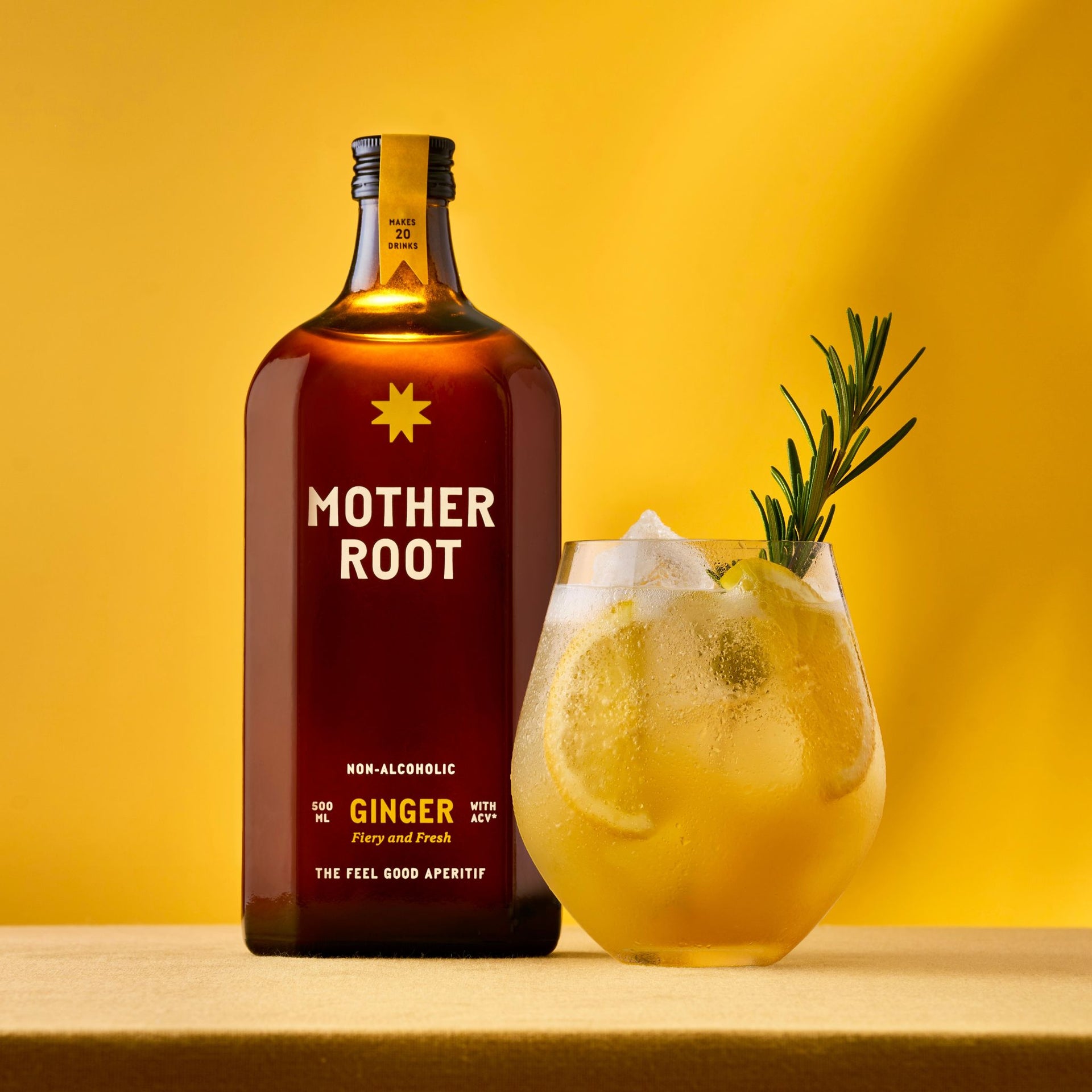
Mother Root
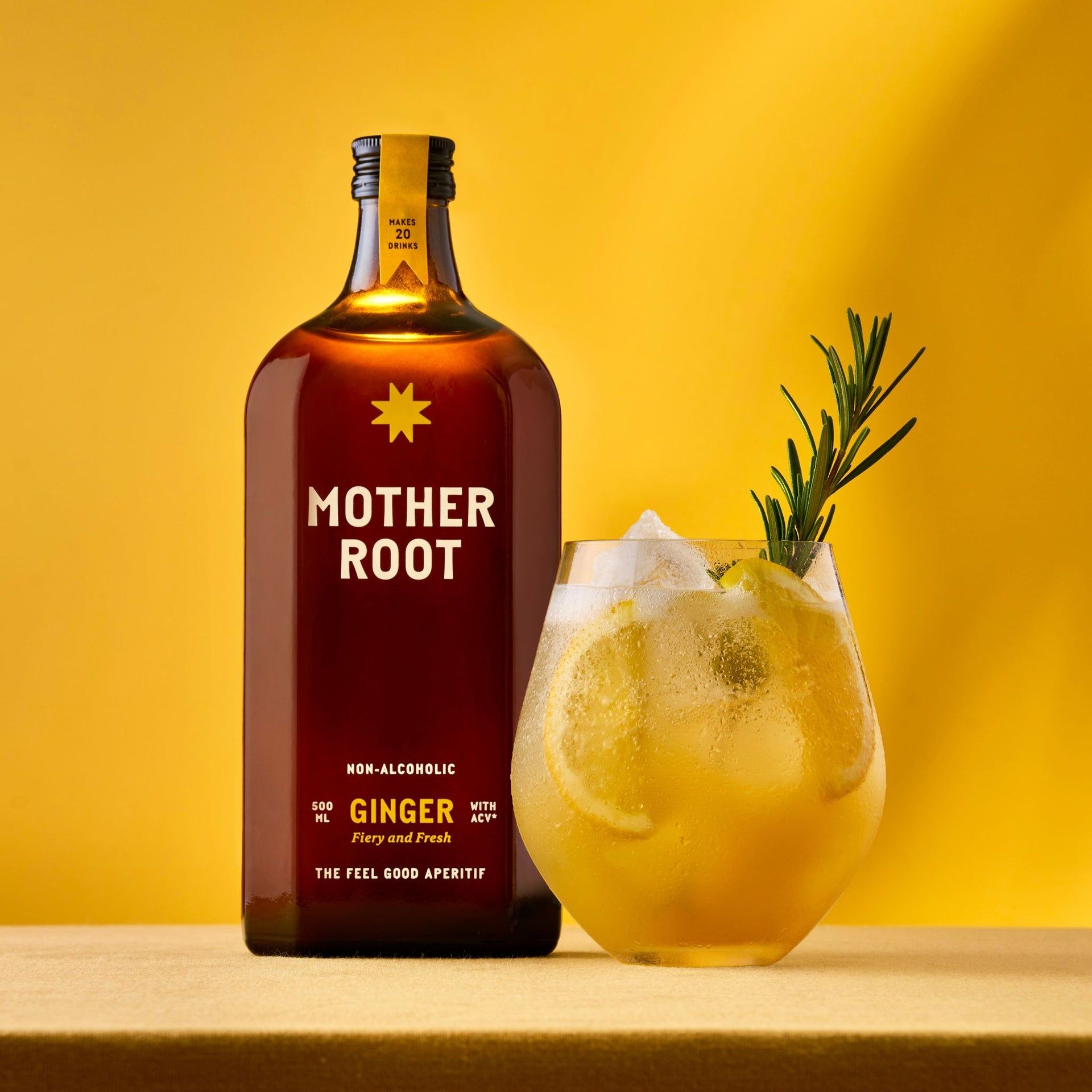
Mother Root Ginger
Like Botivo, Mother Root’s DNA is built around apple cider vinegar as the canvas to deliver both flavour and mouthfeel – this time focusing heavily on the warming, restorative power of ginger, honey and a touch of chilli. Mixed with sparkling water this makes for a surprisingly robust highball.
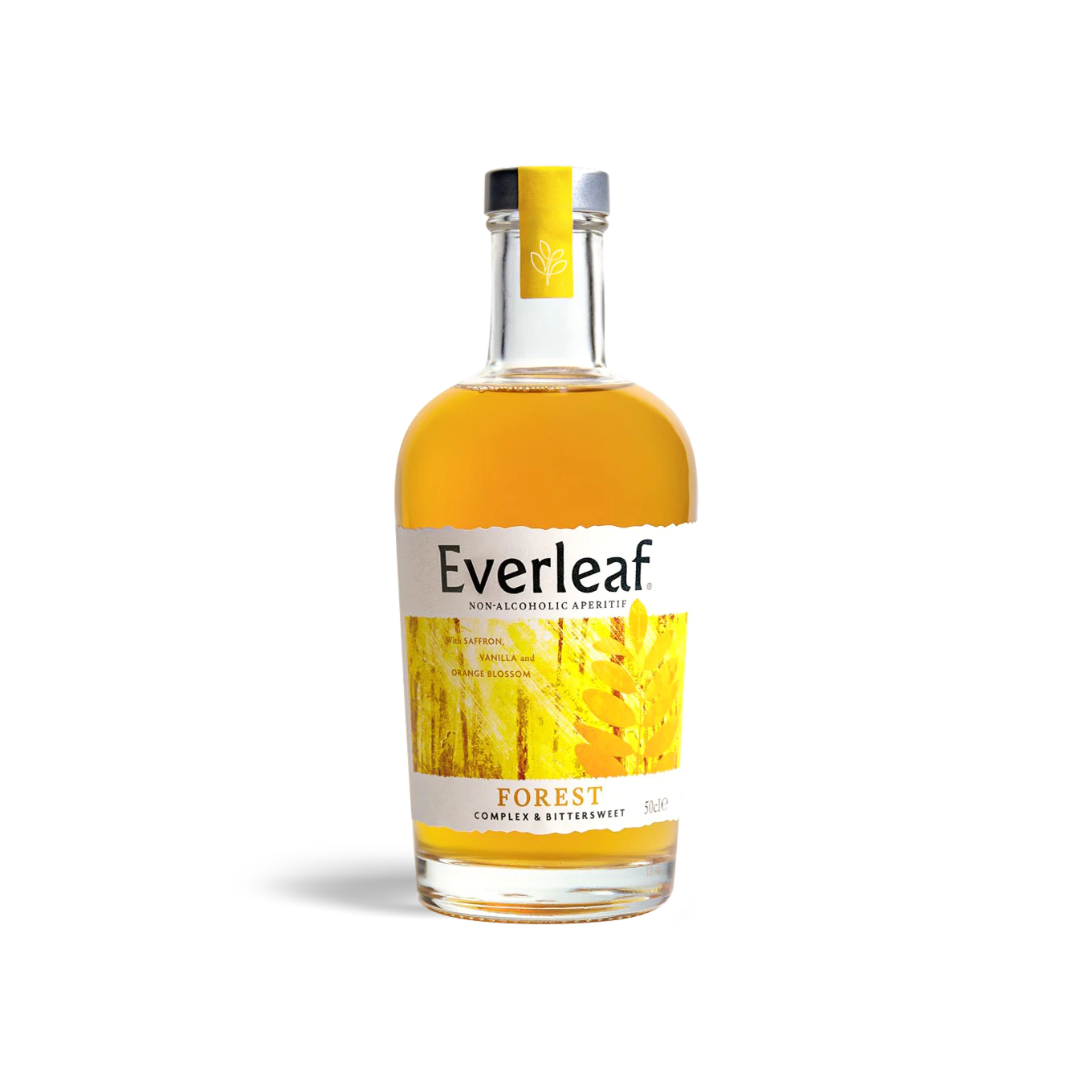
Created by bartender and former conservation biologist, Paul Mathew, Everleaf comprises a trio of distinctive aperitifs, designed for mixing as spritz-style drinks with a mixer. Forest is a deliciously bittersweet blend of sustainably sourced botanical distillates and extracts, bringing a darker, herbal and more complex flavour.
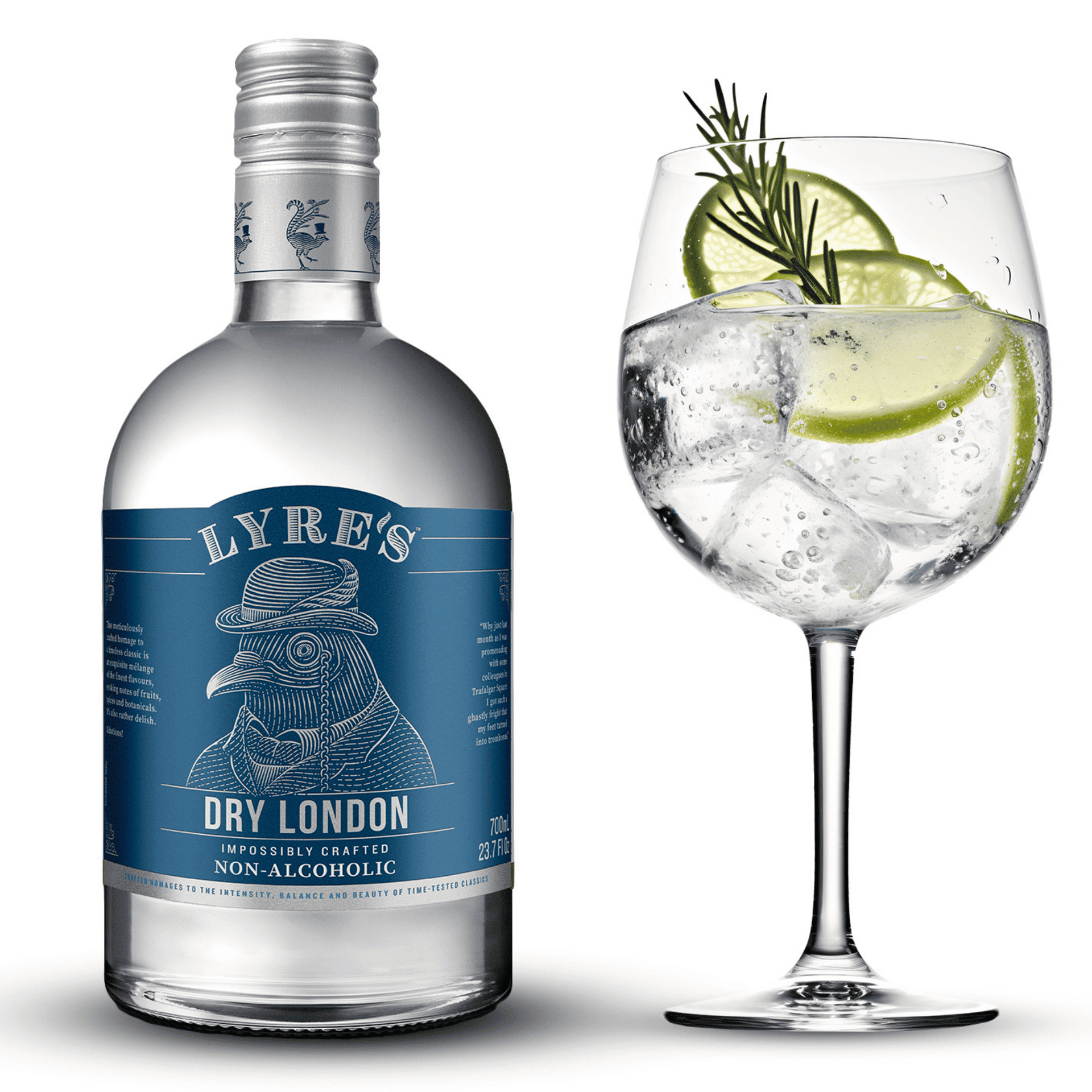
Lyre’s Spirit Co
Dry London Spirit
I must confess that I have found most ‘non alc gins’ to be insipid, pale imitations of the real thing, but this doesn’t do a bad job at all in bringing bold juniper and citrus flavours to a mock version of a G&T or other gin-based cocktail. Worth considering if you are looking for a completely non-alc version, or you could also consider Hayman’s Small Gin – 43% ABV – (£20 – haymansgin.com) – which is not technically a No-Lo, but actually a super-concentrated gin recipe from Hayman’s, which means you only need to use a minuscule ‘thimble-sized’ measure in your G&T, (5ml, as opposed to the regular 25ml,) giving you plenty of flavour, but only a fraction of the alcohol content.
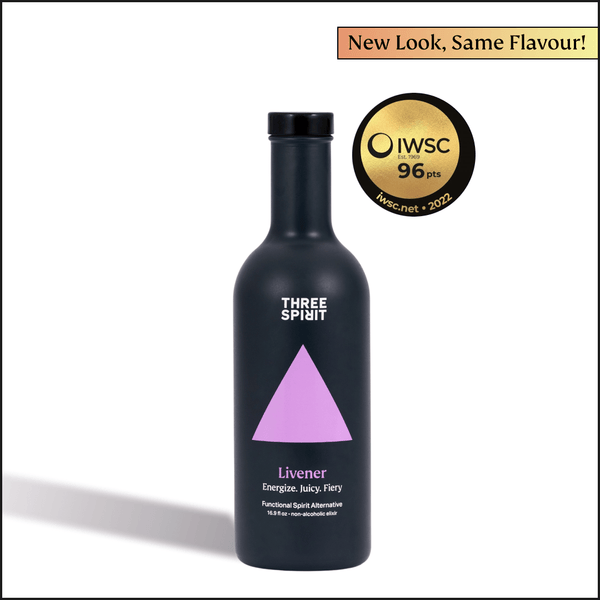
Three Spirit
Livener • Non-Alcoholic Botanical Elixir • the Pick-Me-Up
Three Spirit’s mantra is providing ‘functional spirit alternatives’, which it delivers by blending adaptogens, nootropics, herbs, distillates and ferments, from a variety of exotic ingredients, including Lion’s Mane mushrooms Schisandra berries, guayusa, hops and cacao.
Dining and Cooking