
Summary 
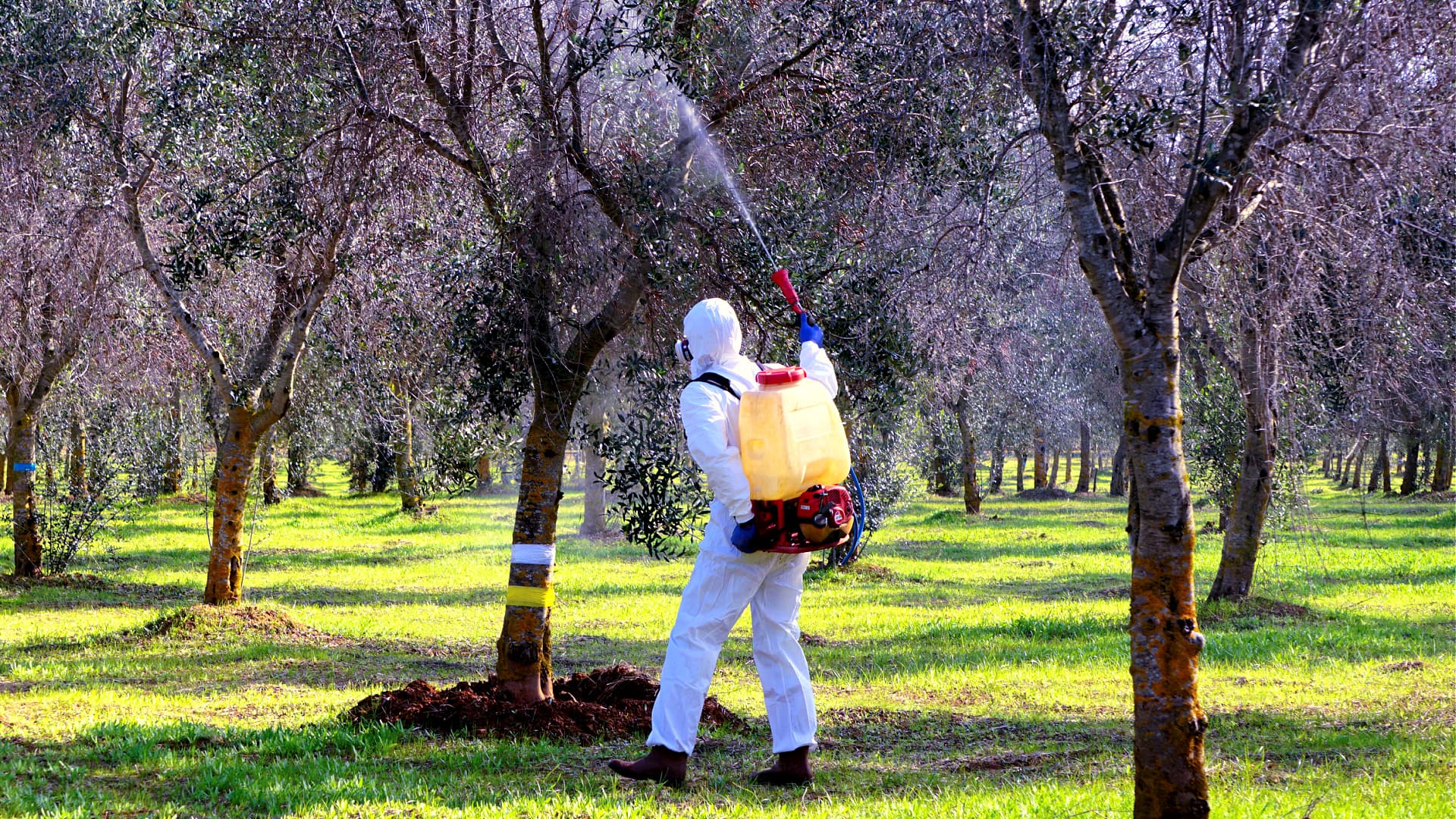
The Biovexo project has developed three new compounds to target the Xylella fastidiosa bacterium, which could help combat the epidemic, although they cannot cure infected plants. Extensive field trials have been conducted on olive trees in infected areas to evaluate the efficacy and sustainability of the products, with hopes of making them available on the market pending regulatory compliance checks and industry interest.
Three new compounds targeting the Xylella fastidiosa bacterium, developed within the European Union-funded Biovexo project, may soon be available for purchase.
Once available, the products fine-tuned by the Biovexo consortium would represent a crucial step towards curtailing the Xylella fastidiosa epidemic.
“Those new biopesticides can not cure the plants that have been infected, as they cannot eliminate the bacterium from an infected olive tree,” Stéphane Compant, Biovexo’s scientific coordinator and a senior scientist at the Austrian Institute of Technology, told Olive Oil Times. “Still, some slow down Xylella fastidiosa’s symptoms or reduce insect vector populations.”
See Also:Revitalizing Salento — Entrepreneurs Fight Xylella with New Ideas
“Their application in the field showed that they can relieve the pressure of the bacteria while also supporting the greening of infected olive trees,” he added.
Since 2020, the consortium’s researchers and partners have tested several different solutions aimed at curing olive trees from the bacteria or enhancing their chance of surviving the infection and returning to production.
A crucial part of Biovexo’s work has been turning promising lab discoveries into practical tools for farmers.
The focus was on formulating substances for biopesticides targeting both bacteria and insects, and scaling them up from laboratory experiments to industrial production, enabling large-scale field trials.
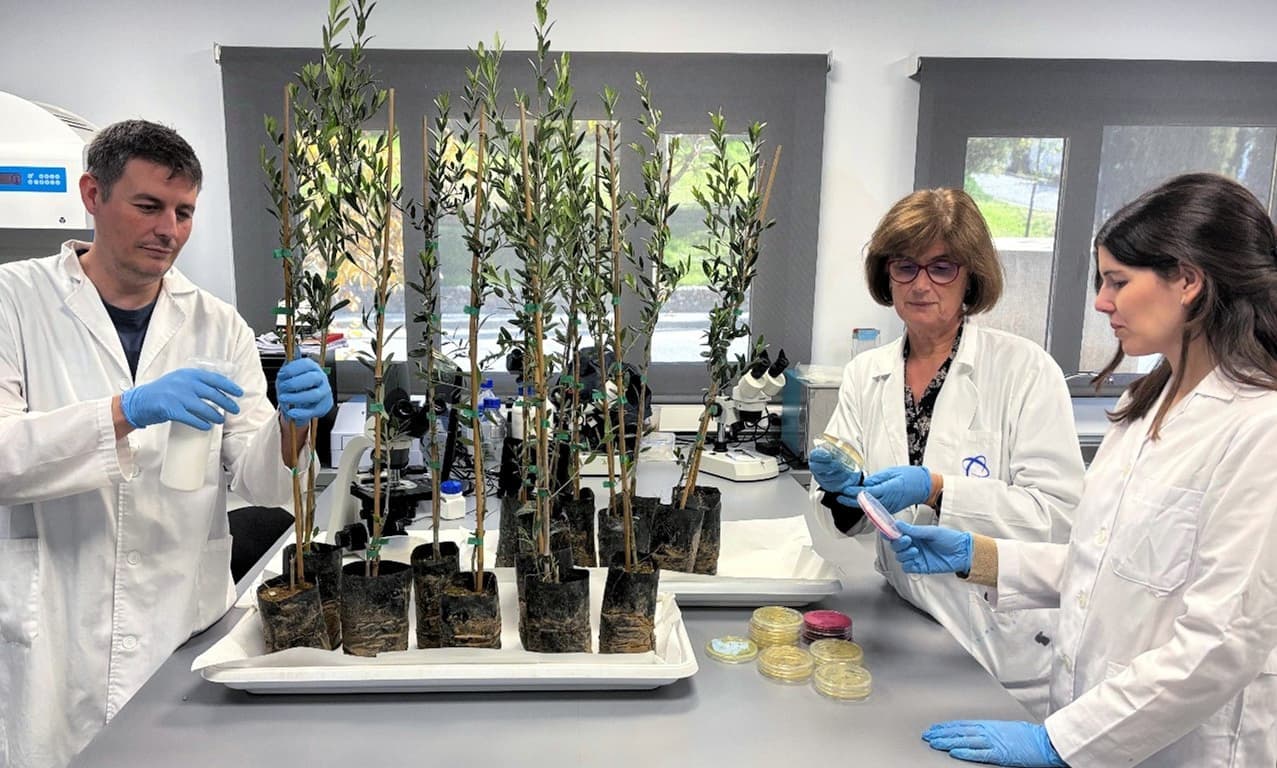 Along with laboratory tests, the Biovexo team conducts in vitro studies in Xylella fastidiosa-inflicted olive groves in Puglia. (Photo: Biovexo)
“We have done field trials in Puglia, Mallorca, and also in Alicante. We began with several biopesticides and now, while the project reaches its final stage, we focus on three of them,” Compant said.
The extensive field tests allowed researchers to evaluate the efficacy of the products, as well as their sustainability, upscaling production opportunities, and correct formulation.
“This is a unique project, the only one to test a large number of plants over the years,” said Pasquale Saldarelli, the coordinator for Biovexo’s field trials.
“We did not only work in the greenhouse. Biovexo grew its own olive trees in the infected area, to have naturally infected trees to analyze and follow,” he said.
Existing almond and olive groves were also included in the project to test the products for their possible preventive and curative effects.
The field tests on olives were conducted on varieties known to be susceptible to Xylella fastidiosa, in collaboration with Enza Dongiovanni of the Basile Caramia agricultural research, training, and experimentation center in Locorotondo, Bari.
“We chose the Cellina di Nardò cultivar for the grove not far from Brindisi, in the infected area where the bacterium is now endemic,” Saldarelli said. “We also expanded the tests in mature olive groves to analyze the impact in different conditions.”
“Close to Brindisi, we followed 30-year-old orchards including Cellina di Nardò and Cima di Melfi cultivars,” he added, hinting at the importance of examining all the steps of the infection’s progression and whether controlling it is feasible.
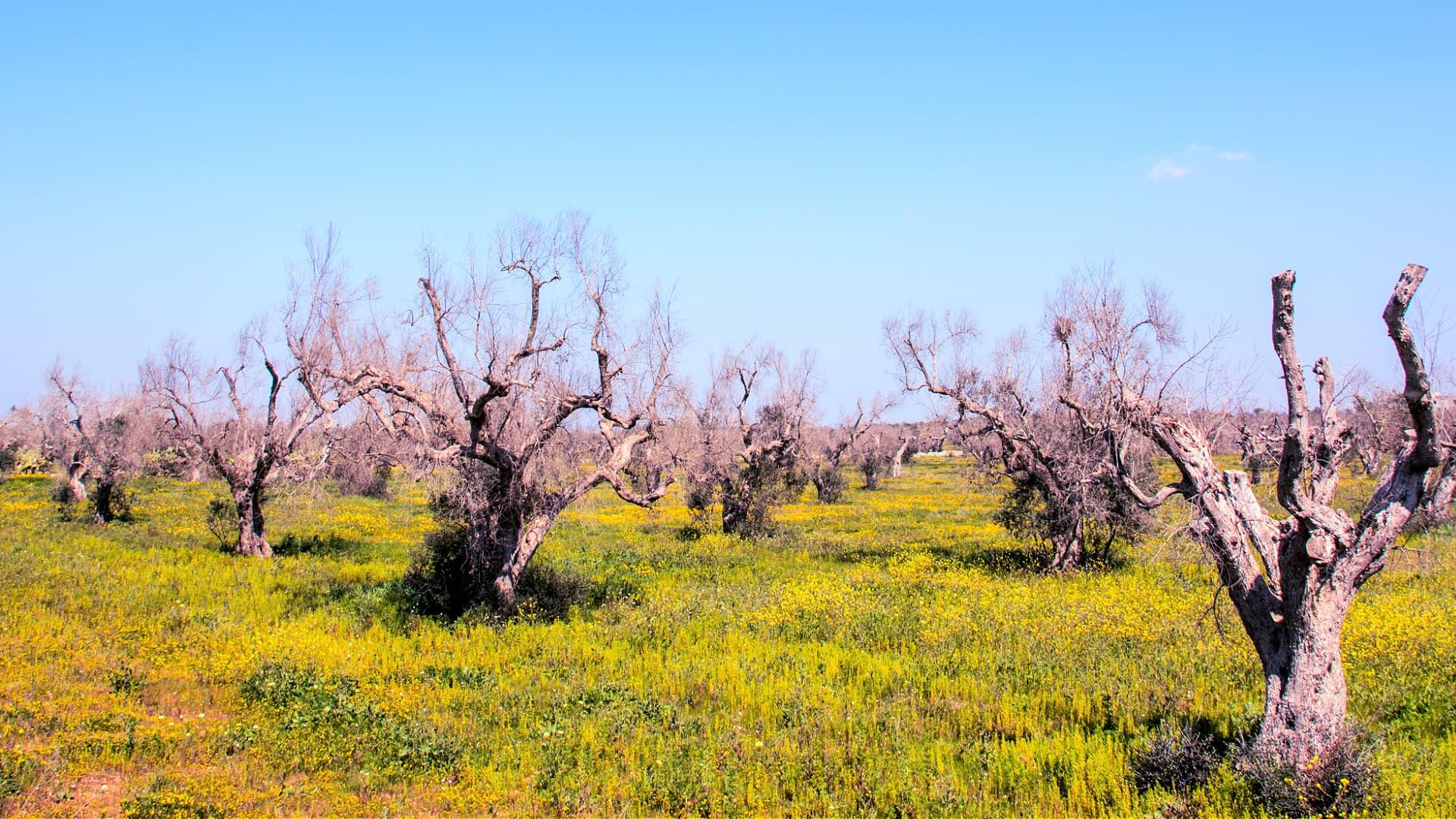 Twenty-five million olive trees have been damaged or destroyed in the decade since Xylella fastidiosa was first introduced in Puglia. (Photo: Biovexo)
“In the field, we have not only data of visual assessment of symptoms, but also data of the microbiome of the treated plants and data about their physiological condition,” Saldarelli explained.
Every six months, the conditions of all groves have been assessed for the bacterium and its symptoms.
Moreover, an integrated pest management approach, consisting of the use of biopesticides against both the bacterium and the insect, is ongoing in further trials.
See Also:Lithuanian Firm Seeks Patent for Drug to Prevent Xylella
“What we saw were the different modes of action of our biopesticides. Some targeting the insect vector, some being effective or ineffective in reducing the symptoms in plants,” Compant said.
“As for the Xylella fastidiosa infection per se, we noticed that it is not directly affected by the compounds. The correct approach is broader, though, as it aims to reduce and curtail the disease,” he added.
This broad approach reflects the many partnerships Biovexo has activated with leading research institutes and industry players across Europe.
The biopesticides, based on microorganisms and plant extracts, were designed to be sustainable and environmentally friendly products.
Researchers conducted life-cycle assessments of the selected biopesticides to measure their environmental footprint, alongside extensive toxicity testing to ensure safety for crops, ecosystems, and beneficial insects, such as bees.
Biovexo developed bio-process control parameters to ensure consistency and quality, while also looking at the best ways to maximize efficacy.
Economic viability was also evaluated to confirm that the solutions can be realistically adopted in the agricultural sector.
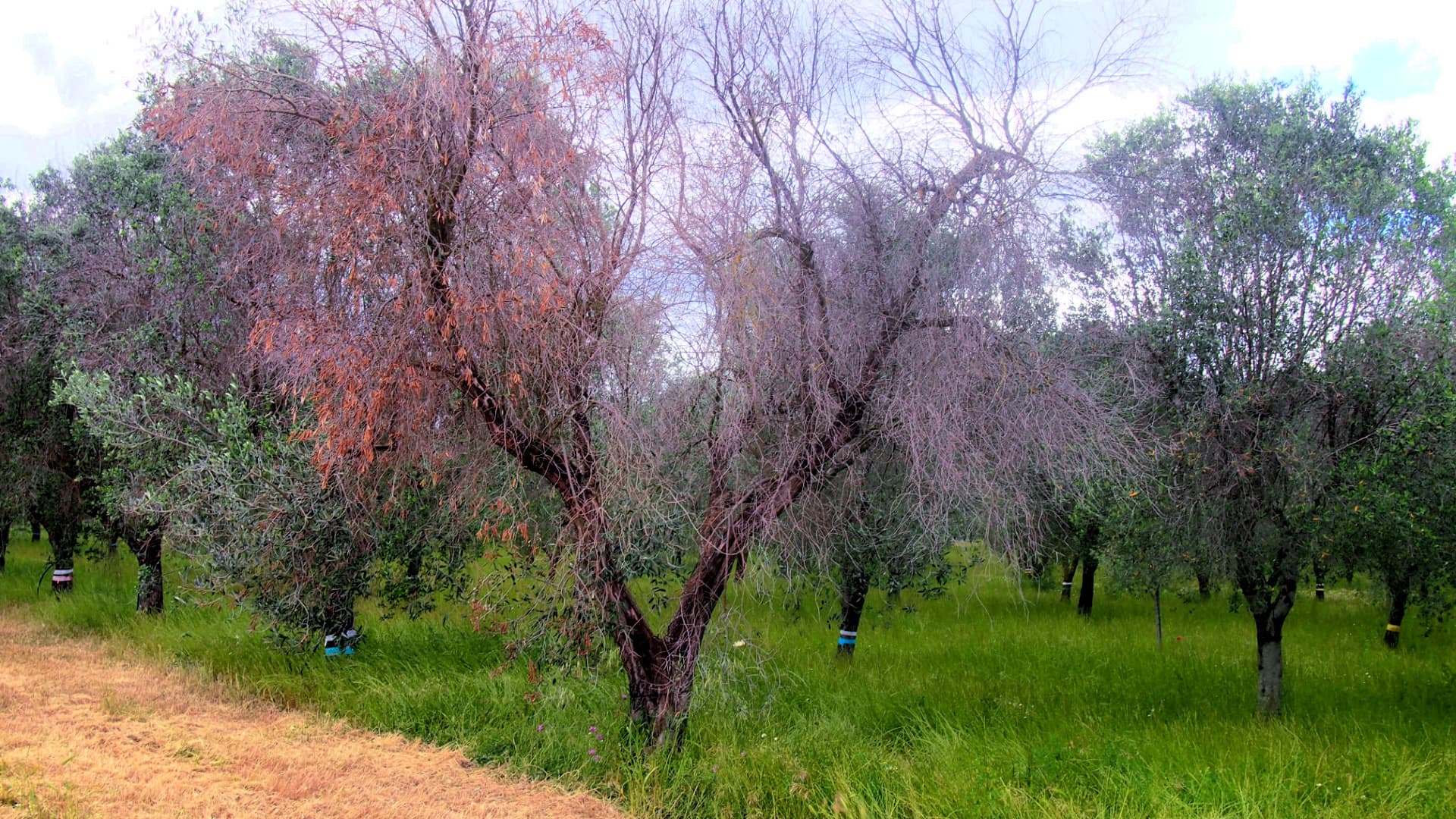 Farmers may soon be able to purchase three biopesticides to mitigate the impact of Xylella fastidiosa on infected olive trees. (Photo: Biovexo)
The company warned that, for those products to be made ready for the market and reach the farmers, some additional time will be needed.
Each product will undergo mandatory regulatory compliance checks. According to the consortium, the broad testing and analysis will enable the industry to scale up the products and prepare them for market entry.
“A lot of resources and money need to be put into these solutions before they can be made available,” Compant said. “Most of all, it will take the direct interest of the specialized industry.”
Looking ahead, researchers hope to maintain at least one experimental field after the project’s conclusion.
On November 13, 2025, Biovexo will host its final conference in Locorotondo, Puglia, the southern Italian region where the Xylella fastidiosa crisis in Europe originated.
The full-day event will bring together researchers, farmers, policymakers, and industry leaders to showcase the project’s milestones and future outlook.
Under the theme “Biocontrol of Xylella and its vector in olive trees for integrated pest management,” sessions will highlight field applications, safety data and strategies for scaling up biopesticides.
“The conference marks a decisive moment for translating five years of research into practical, sustainable solutions,” Compant concluded.
Dining and Cooking