
After 25 years of negotiations, the European Union is proceeding on Monday with the signing of the trade agreement with the Mercosur countries in Latin America, following the approval on Friday – through a qualified majority from 15 member-states of the bloc – despite the strong reaction by European farmers.
Greece’s vote was positive, as the securing of products with a protected designation of origin (PDO), the opportunities for exports and the geopolitical importance of the agreement were taken into account.
For Greece, the protection of citrus fruit has been a crucial issue from the beginning, according to sources. The Greek side achieved an expansion of the protection measure for citrus fruit, as those that will be imported will have increased duties.
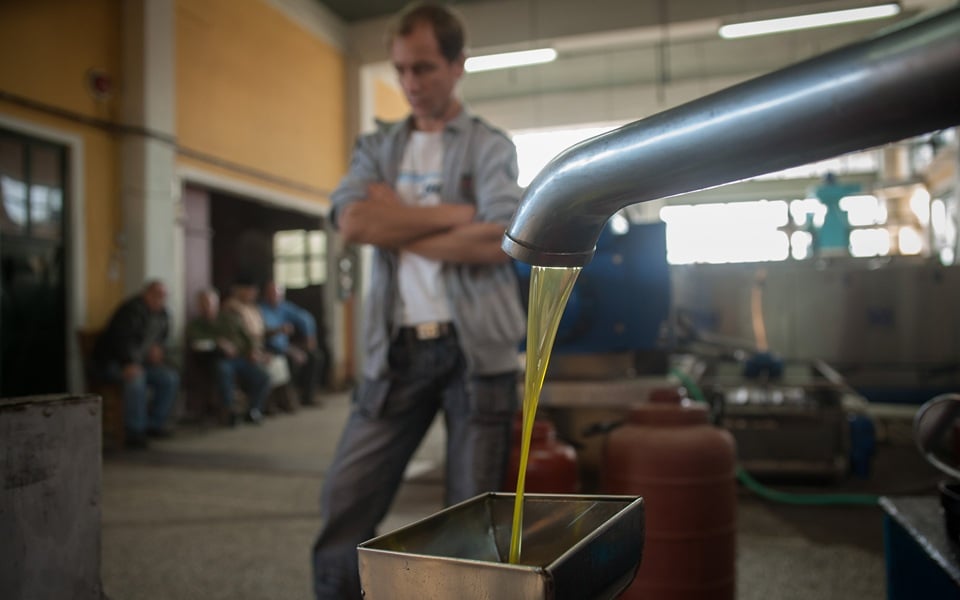
The protection of top products, such as feta cheese and olive oil, was also another key issue Greece raised, which is reflected in the agreement. A total of 344 European agricultural products will be protected from counterfeiting in the Mercosur countries (Argentina, Uruguay, Paraguay and Brazil), including 21 Greek foods and drinks that are now more distinctive and therefore ensure a higher price for their sale. They include feta cheese, olive oil and Kalamata olives, Corinthian raisins, Kozani saffron, manouri and kefalograviera cheese, Chios mastic, Sitia and Ligourio olive oil, wine from Mantineia, Naoussa, Nemea, Santorini, Samos, and Amyntaio, retsina, tsipouro, etc.
A point of concern, however, is the seven-year transitional period for the protection of geographical indication products, such as feta. An annex to the agreement states that the protection of a geographical indication “shall not prevent the continuation of similar use of the term feta by any person … for a maximum period of seven years. During these years, the use of the term feta must be accompanied by an easily legible and visible indication of the geographical origin of the product.”
A critical point of the agreement for Greece was the handling of possible market anomalies, as it was ensured that imports of sensitive products would be suspended in the event of a sudden increase in prices by 5%, instead of the initial 8%.
Dining and Cooking