
Jacob Hall/Getty Images
About four years ago, I received the email I had been waiting all year for: I had been accepted into the culinary arts program at a university in Florence, Italy. Without a second thought, I left Los Angeles in my rearview and began a journey that has gone on to define my career and strengthen my already profound love of pastry. What began as a single year turned into four, and I became captivated by Italy’s cuisine and fell in love with the country. I graduated with a diploma in Italian gastronomy and cuisine, with a specialized focus in Italian pastry arts and bread — and yes, that includes cookies.
While studying in Italy, I took full advantage of the train system, exploring hidden gems and iconic cities in search of the regional pastries each stop was known for. There’s something indescribable about taking the first bite of a pastry that has been perfect for generations. Whether it’s a golden crust cooked just right, or a cookie with the perfect crumble, you can taste the decades of love that went into every recipe. From the mustache corn cookies of Piedmont to the chewy nougat of Sardinia, each cookie gives insight into its region’s traditions. Just as these cookies have been passed down from generation to generation, I will pass down my list of trusted must-haves so everyone can experience the rich flavors of Italy’s diverse confectionery scene.
1. Baci di dama
Giovanni Del Curto/Shutterstock
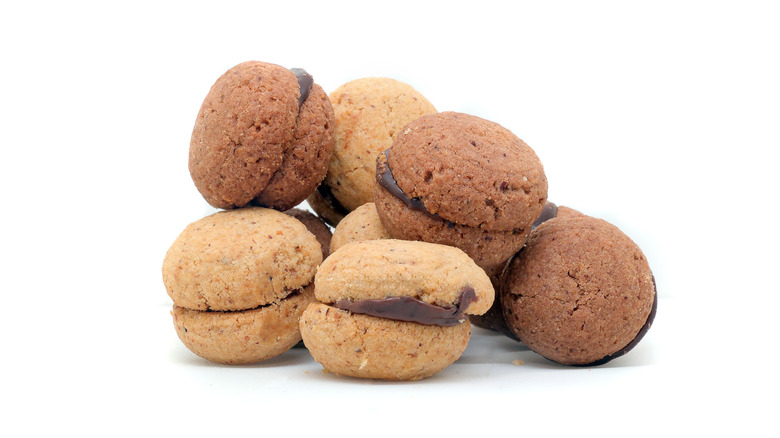
Meaning “ladies’ kisses” in Italian, baci di dama are traditional Italian cookies hailing from the Piedmont region, featuring two small, crumbly hazelnut cookies sandwiched by a “kiss” of melted dark chocolate in the center, meant to resemble puckering lips. These delightful cookies are made from finely ground hazelnuts and butter, giving them a rich, buttery, nutty flavor with a texture similar to shortbread. The small dollop of dark chocolate that binds the two cookies together adds a creamy, bittersweet contrast that pairs perfectly with the earthy flavor from the ground hazelnuts. Beyond flavor, they have a wonderfully crisp texture with a tender, almost fudgey interior where the chocolate is melted.
You can find these cookies all over Italy, especially in the town of Tortona, where the cookies were first created in the 19th century. They are considered a protected traditional product in Italy, specifically recognized as PAT (Prodotto Agroalimentare Tradizionale). This national designation recognizes regional foods made with traditional methods and ingredients — like the baci di dama. This provides the cookies with a protective status to help safeguard the recipe and its cultural heritage.
2. Brutti ma buoni
SvetlanaSF/Shutterstock
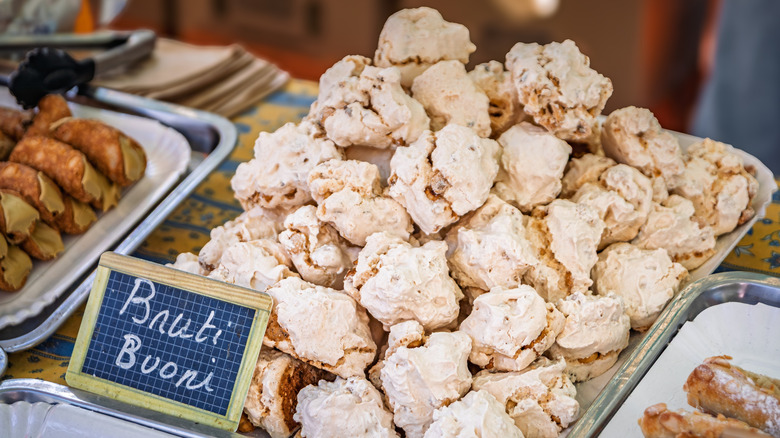
Do you have some extra meringue left over after making this Tropical Passion Fruit Pavlova? Well, then you should try making a batch of brutti ma buoni — an Italian meringue-based cookie that’s studded with chopped hazelnuts, then baked until it’s golden brown and crispy. They have a sweet, intensely nutty flavor and a unique texture: crunchy on the outside, soft and chewy inside. The main flavor comes from the nuts, which are typically hazelnuts; however, if you travel farther south from Lombardy into the Tuscany region, you’ll find some bakeries that use almonds instead.
These delicious cookies get their name from the Italian phrase “brutti ma buoni”, meaning “ugly but good”. They are the perfect example of “cucina povera,” Italy’s culinary tradition, which emphasizes resourcefulness and sustainability by transforming leftover ingredients into delicious dishes. In this case, Italian bakers from Lombardy used leftover egg whites combined with chopped hazelnuts and sugar to create these scrumptious cookies.
3. Biscotti di Prato
Ermak Oksana/Shutterstock
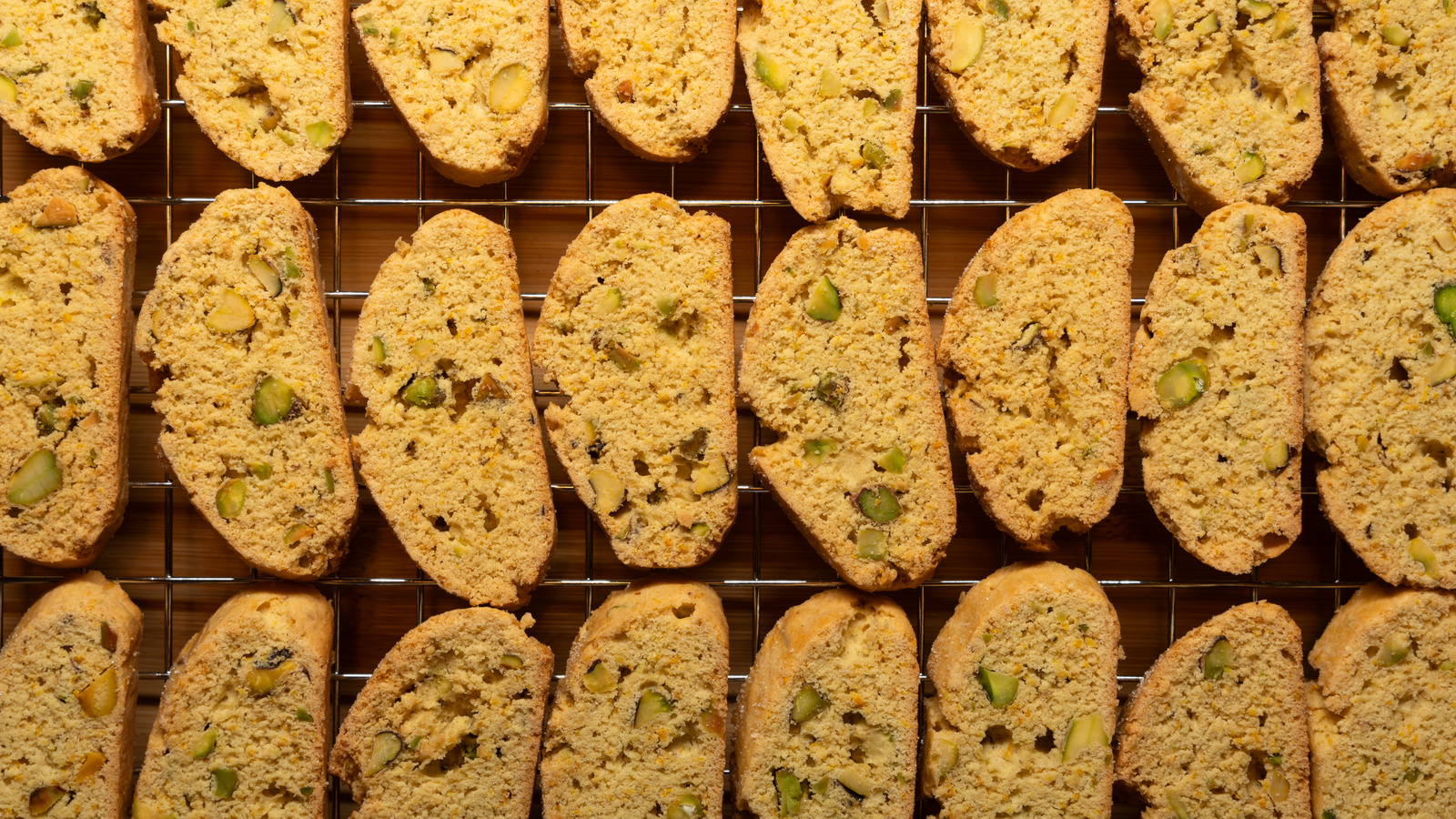
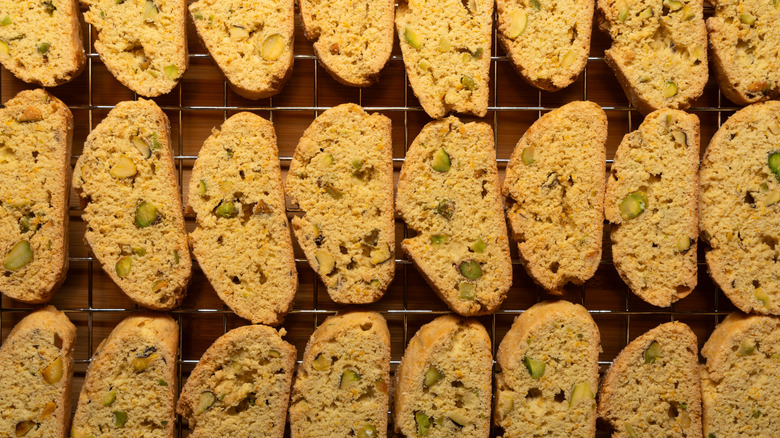
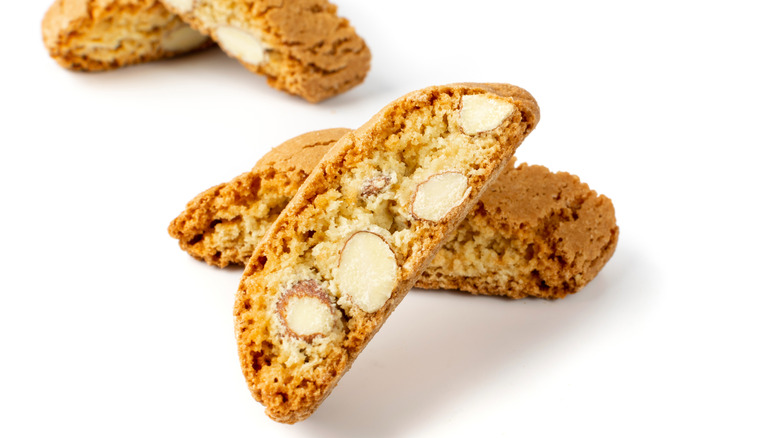
Biscotti di Prato, sometimes referred to as “cantucci” or “cantuccini,” are almond biscotti hailing from the Tuscan city of Prato. These delicious cookies have a delightful, nutty almond flavor with a slightly buttery taste. They are known for their hard, dry, and crunchy texture, achieved by baking twice. At trattorias and osterias around Tuscany, you can find them being served alongside a glass of vin santo (a sweet Tuscan wine) for dipping. The vin santo infuses the biscotti di Prato with concentrated notes of honey, apricot, and caramel, turning the notorious crunchy cookie into a sweet, moist treat.
Like many dishes in Italy, these almond biscotti have a specific Protected Designation of Origin (PDO) status. This unique status legally protects the name of the food, ensuring it is produced, processed, and prepared in a specific geographical region using recognized local expertise and methods. This guarantees the quality of the biscotti and ensures it is only made in its origin, in the beautiful Renaissance city of Prato.
4. Amaretti
Evgeniy Vasilev/Shutterstock
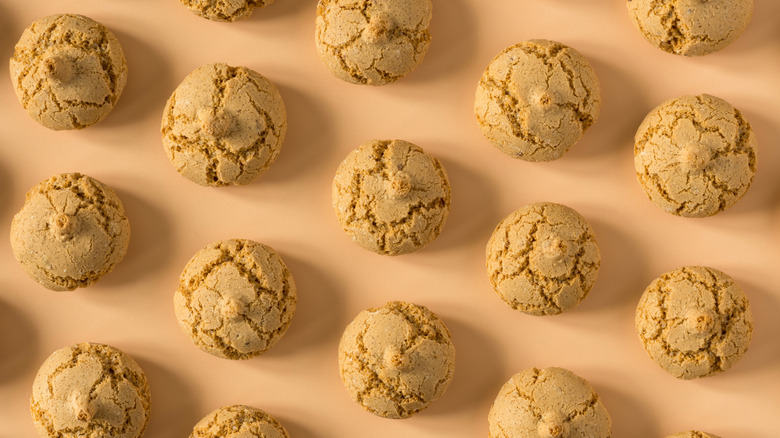
Amaretti are almond-flavored cookies made from a combination of whipped egg whites, finely ground almond flour, and sugar. These cookies are well-known for their bittersweet taste and dominant almond flavor with subtle notes of stone fruit, honey, and caramel. Occasionally, pastry chefs will add a drizzle of vanilla extract or the zest of an orange to the batter to add complexity — however, more often than not, you’ll find them simply flavored with almonds. After baking, the interior of the cookie remains chewy and moist while the exterior has a delightful, crispy, crunchy texture.
These cookies are believed to have been created sometime between the 17th and 18th centuries, originating in the town of Saronno near Milan. Their name, amaretti, is derived from the Italian word “amaro” meaning “bitter”, referring to their bitter almond taste. They can easily be recognized in pastry shops’ windows by their distinctive cracked tops and are often sold in playful, colored tins at bakeries throughout Lombardy.
5. Ricciarelli
Leonori/Getty Images
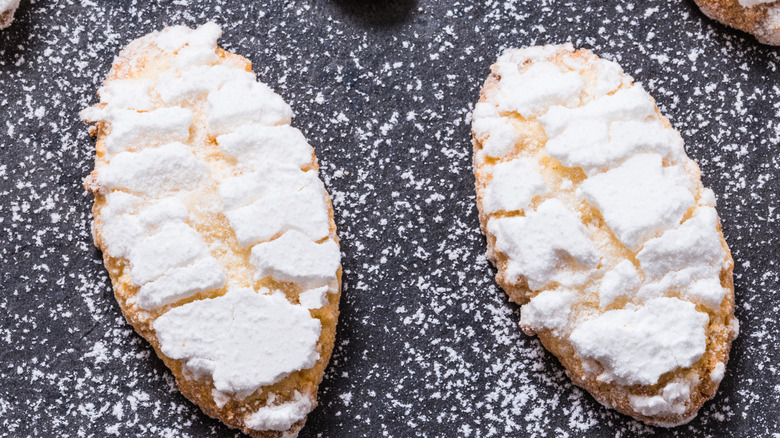
Ever wanted to take a bite out of a cloud? Well, you can’t, but you can nibble on something similar: ricciarelli. These Italian almond cookies have an intense almond flavor, sometimes with subtle notes of vanilla, orange, or lemon. They are known for their chewy, slightly dense texture with a melt-in-your-mouth consistency. They’re shaped like elongated diamonds and often dusted with powdered sugar, giving them a beautiful frosted appearance.
You can find these delightful cookies all over Tuscany, especially in the medieval city of Siena, where they were first created back in the 14th century. Legend has it they were named after a popular Siena nobleman, Ricciardetto Della Gherardesca, who brought similar diamond-shaped treats while returning from the Crusades. Since marzipan and almonds were such precious ingredients back then, these cookies were reserved for the Tuscan nobility and royalty. Nowadays, they are often served during Christmas alongside a glass of the sweet dessert wine, Vin Santo.
6. Canestrelli
Eyeem Mobile Gmbh/Getty Images
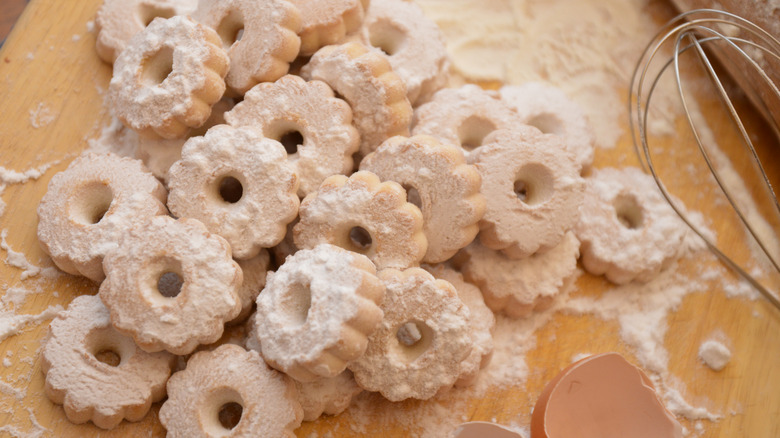
Canestrelli are buttery, shortbread cookies from the Piedmont region. They are well-liked and admired for their melt-in-your-mouth texture, adorable flower shape, and subtle vanilla and lemon zest flavors. They are typically either dusted in powdered sugar or dipped in dark chocolate and are often enjoyed with coffee or tea as a breakfast or snack. At some pastry shops, you can even find them sandwiched between a chocolate frosting or a seasonal fruit jam.
They are super easy to make with a simple dough only containing all-purpose flour, granulated white sugar, salt, egg yolks, butter, lemon, and vanilla beans. Oftentimes, pastry chefs use hard-boiled yolks instead of fresh ones, pushing them through a sieve until they form a fine crumb, then mixing them with the dry ingredients and butter. This technique helps prevent excess gluten formation, giving the cookies a unique, buttery, light consistency and an even richer flavor.
7. Pignoli
Brent Hofacker/Shutterstock
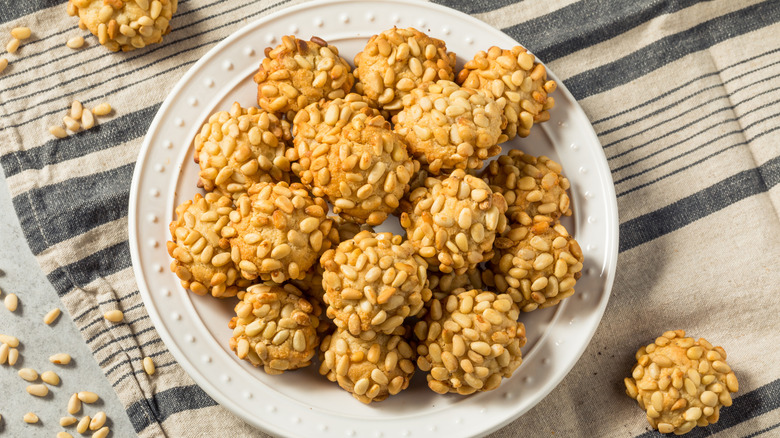
Pignoli cookies are chewy Italian cookies from Sicily, known for their almond paste center and crunchy exterior that’s completely covered in pine nuts. They have a rich, sweet, intense, nutty flavor from the almond paste and roasted pine nuts with a subtle buttery, crispy texture. Traditionally, the dough is made with almond paste (also called marzipan), whipped egg whites, and granulated white sugar, making it completely gluten-free.
Originating in Sicily, where almonds and pine nuts are abundant and used in a variety of desserts, evolving from an older Southern Italian almond macaroon. The recipe was brought to the States during the late 1800s and early 1900s by Sicilian immigrants, who opened bakeries in cities like New York and Boston and shared pignoli cookies with a broader audience, thus spreading their popularity throughout the States. Since then, pignoli cookies have been super popular during the holiday season, with plenty of Sicilian and Italian-American families baking endless batches as a cherished Christmas dessert.
8. Krumiri
Fabio Alcini/Shutterstock
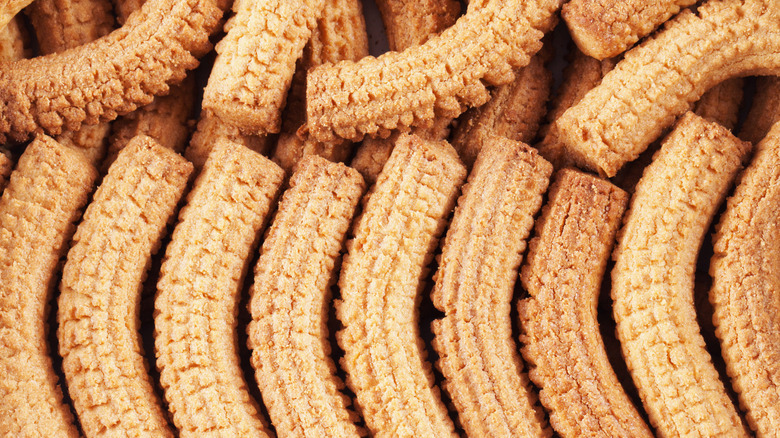
Krumiri are crumbly butter cookies from the Piedmont region, known for their unique crinkled handlebar shape and for their delightful dough made from a blend of corn and wheat flour. The corn flour provides the cookies with a distinct, nutty corn flavor and a grainy, crunchy texture. Alongside corn, the cookies also have a rich, buttery flavor with a subtle note of vanilla and lemon that just makes them completely irresistible.
They were created in the late 1878 by the Italian baker Domeico Rossi to honor King Vittorio Emanuele II’s famous mustache — hence their peculiar curvy bent shape —after his death. Krumiri were an instant hit and earned a bronze medal at the Turin Universal Exhibition in 1884. They are now, just like baci di dama, officially protected Italian food under the PAT certification. You can find them in bakeries and pastry shops across the Italian peninsula, often sold and packaged in decorative, bright red-and-white tin boxes.
9. Torrone sardo
anna.q/Shutterstock
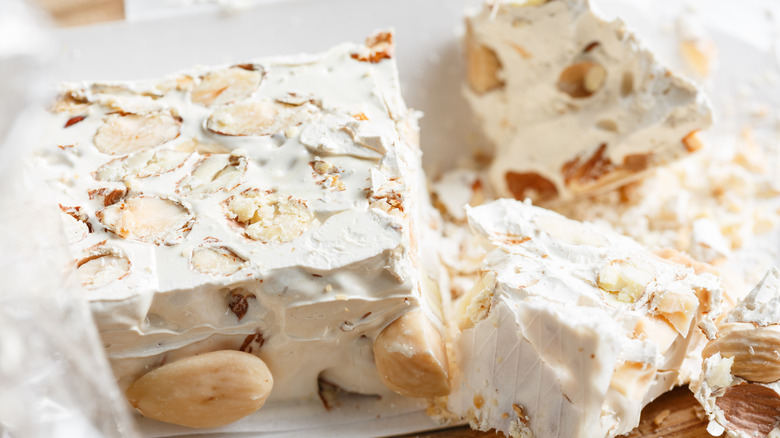
Are you obsessed with chewy, nutty nougat? If so, you’re going to love the Italian version, torrone sardo! Torrone sardo is a traditional, soft, and chewy nougat from the Italian island of Sardinia. They are well-known for their pure flavor and simple recipe, which contains only three ingredients: local Sardinian honey, egg whites, and roasted whole almonds. Occasionally, you can find them set between thin wafer cookies called “ostia,” but more often than not, they just feature honey, nuts, and egg whites.
Torrone sardo is well-known for its strong honey flavor and crisp nutty texture. Unlike most nougats, which are hard and crunchy, torrone sardo has a soft, marshmallow-like texture with a melt-in-your-mouth consistency and a satisfying chew. You can find them in pastry shops throughout Sardinia and sometimes at specialty grocery stores in mainland Italy. While these aren’t technically cookies, you should definitely try them next time you’re in Italy.
10. Papassini sardi
Max Folle/Shutterstock
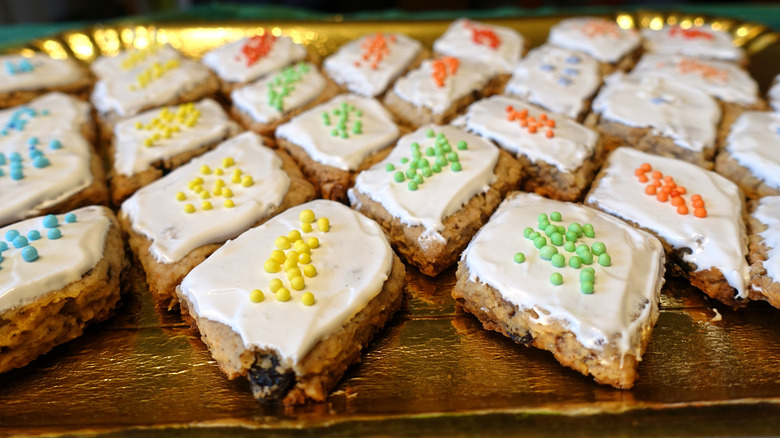
Speaking of Sardinia, papassini sardi is another delightful sweet treat from the island that you should definitely hunt down if you’re a cookie fanatic. These elongated, diamond-shaped cookies are named after the Sardinian word for raisin, “papassa,” and they typically are made up of dough consisting of wheat flour, ground almonds, ground walnuts, spices, and, of course, raisins. They were traditionally baked for All Saints Day on November 1st in Sardinia — however, you can find them year-round at pastry shops in Sardinia.
Papassini sardi are usually adorned with sweet white glaze and colorful rainbow sprinkles and sometimes they are also glazed with sweet grape must syrup called “sapa” for extra aromatic flavor. They have a rich, nutty, spiced flavor similar to gingerbread but with a bit more sweetness coming from the sweet glaze and raisins. The cookies have a delightfully chewy, tender center with a crisp exterior, complemented by the crunchy sprinkles.
11. Mostaccioli
nito/Shutterstock
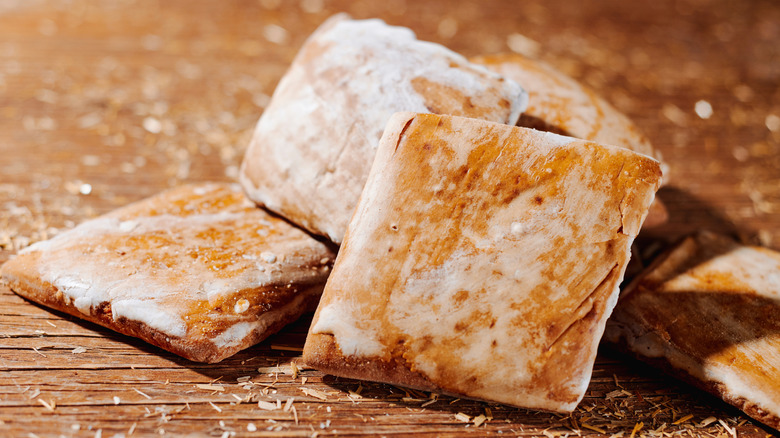
Mostaccioli are another Italian cookie with a similar diamond shape to papassini sardi and ricciarelli — not to be confused with the baked pasta dish that shares the same name. These cookies are made with a fairly simple dough of honey, sweet grape must (freshly crushed, unfermented juice), cocoa powder, spices, orange zest, and chopped almonds, often covered in dark chocolate and chopped nuts. They have a rich, spiced flavor similar to molasses cookies with a deep, earthy taste from the honey and grapes. The cookies can have a range of textures, from soft and chewy to firm and cakey, and often become softer when glazed in dark chocolate.
In true Italian fashion, mostaccioli have a rather distorted origin, with multiple regions and cities, such as Naples, Milan, Cagliari, and Verona, claiming birthright. Over time, each region has evolved the cookie with its own personal touch. While covering them in dark chocolate is the Neapolitan version and the typical norm, you find other areas making their own variations. In Puglia, they are cooked with fresh figs instead of grape must, and in Tuscany, you can often find them with an orange glaze studded with white sprinkles.
12. Fave dei morti
Connect Images – Curated/Shutterstock
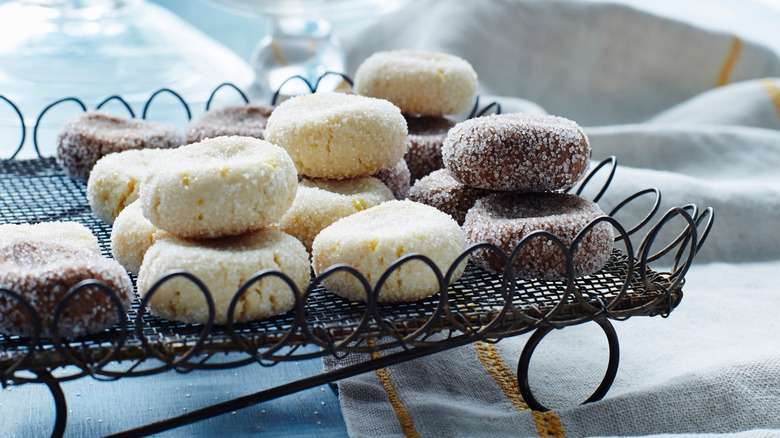
Fave dei morti, meaning “fava beans of the dead,” are bean-shaped almond cookies from Tuscany traditionally made for All Saints’ Day on November 1st. The cookies are meant to commemorate ancestors and the deceased, stemming from ancient Rome, where fava beans were associated with the afterlife and souls of the dead. You can find them in pastry shops throughout Italy, leading up to All Saints’ Day, with different regions making their variations. In Venice, the cookies are often colored with alchermes liqueur (a red Italian liqueur made with a variety of botanicals and spices) or cocoa powder.
They are primarily made from ground almonds alongside granulated white sugar, whipped egg whites, and flavoring such as cinnamon, nutmeg, citrus, or vanilla beans. They have a unique crisp exterior with a soft, chewy center and are often shaped into tiny ovals or beans, resembling small bones. The cookies have a sweet, nutty, fragrant taste with an almond-forward taste and subtle notes of cinnamon, lemon zest, and grappa.
13. Pizzelle
NikkiBas/Shutterstock
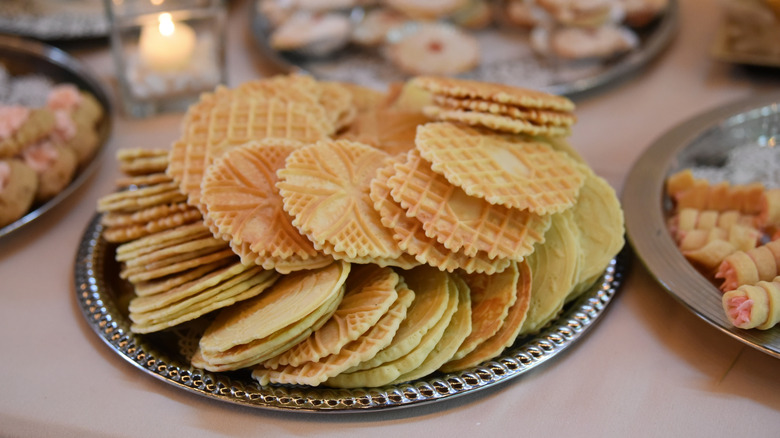
Pizzelle, also called ferratelle, are traditional Italian waffle cookies known for their thin, light, and crispy texture and intricate decorative patterns. They are typically flat and round, with either a snowflake or other lacy design stamped on both sides with a pizzelle iron, similar to a waffle press. These unique irons can be shaped into a variety of designs, filled with batter, and pressed down to create their thin shape.
The batter is made from a simple mixture of wheat flour, water, eggs, and butter, and is traditionally flavored with anise but can also be flavored with vanilla, lemon, or almond extract. The anise provides the cookies with a toasted black licorice flavor that will make any mouth water. Pizzelles are typically sold at festivals and fairs, where you can easily track them down from the lingering anise scent they dispense into the air while cooking. They are absolutely amazing, freshly warm off the press, and sometimes can be dunked in dark chocolate or served with a side of vanilla pastry cream.
14. Savoiardi
Photodsotiroff/Getty Images
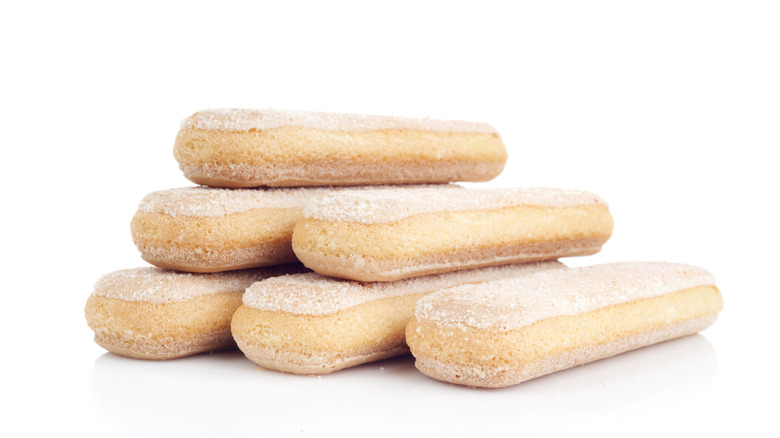
Savoiardi, sometimes referred to as “lady fingers” or “sponge fingers” in the States, are light, dry, shaped sponge biscuits, typically used to make the delicious Italian dessert, tiramisu. These sweet, airy cookies are perfect for soaking up liquids, giving desserts a soft, pillowy consistency. The batter consists of a simple sponge cake base of eggs, sugar, and flour, and if they aren’t being dunked in espresso for tiramisu, they are often dusted with powdered sugar after being baked.
The cookies originate from Piedmont and were created in the 14th century for the French Royalty visiting the court of the House of Savoy, hence their name savoiardi. They grew immensely popular in the royal courts and were adopted as the official biscuit of the House of Savoy. As their popularity grew, the recipe spread across Europe and became a staple in English desserts such as trifles and cakes during the Victorian era.
15. Cavallucci
Grazziela Bursuc/Getty Images
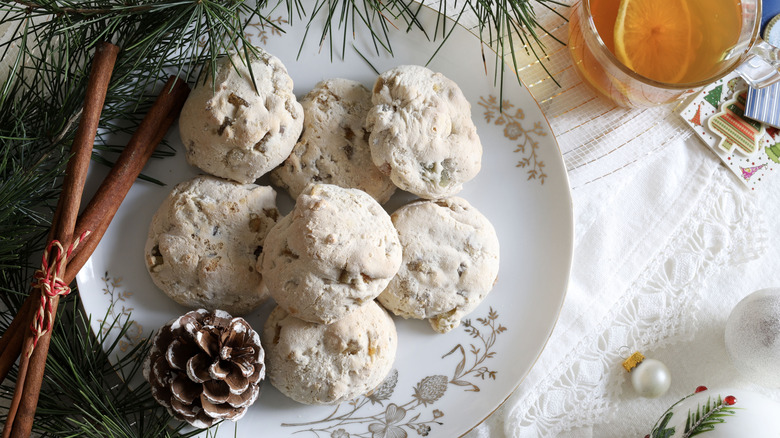
Lastly, cavallucci are traditional Tuscan cookies hailing from the city of Siena. They feature a rich mix of honey, walnuts, candied fruit, sugar, and spices, including cinnamon, nutmeg, and anise. The cookies have a delightful, sweet-and-spicy flavor with notes of toasted nuts, lemon zest, and vanilla. The candied fruit provides a delectable, citrusy tartness that adds a lovely contrast to the array of spices. Beyond flavor, the cookies have a distinctive, hard, crumbly exterior and a slightly soft interior. They have a dense, hearty quality due to the high amount of nuts in the dough and are often paired with the sweet dessert wine, Vin Santo.
The cookies date all the way back to the Renaissance and were named after the cavallari, meaning “horsemen” in Italian. Originally, it served as an energy snack for servants and travelers. They are deeply tied to Siena’s culture, especially the Palio horse race, where you can find the cookies being sold in pastry shops and food stalls with a stamped horse design on them.
Dining and Cooking