
When it comes to choosing a cooking oil, there’s one that consistently stood out among nutrition experts consultedMillie Bull Deputy Editor, Spare Time and Ambarish Awale Trainee Trends, Showbiz and Lifestyle Writer
13:13, 17 Jan 2026
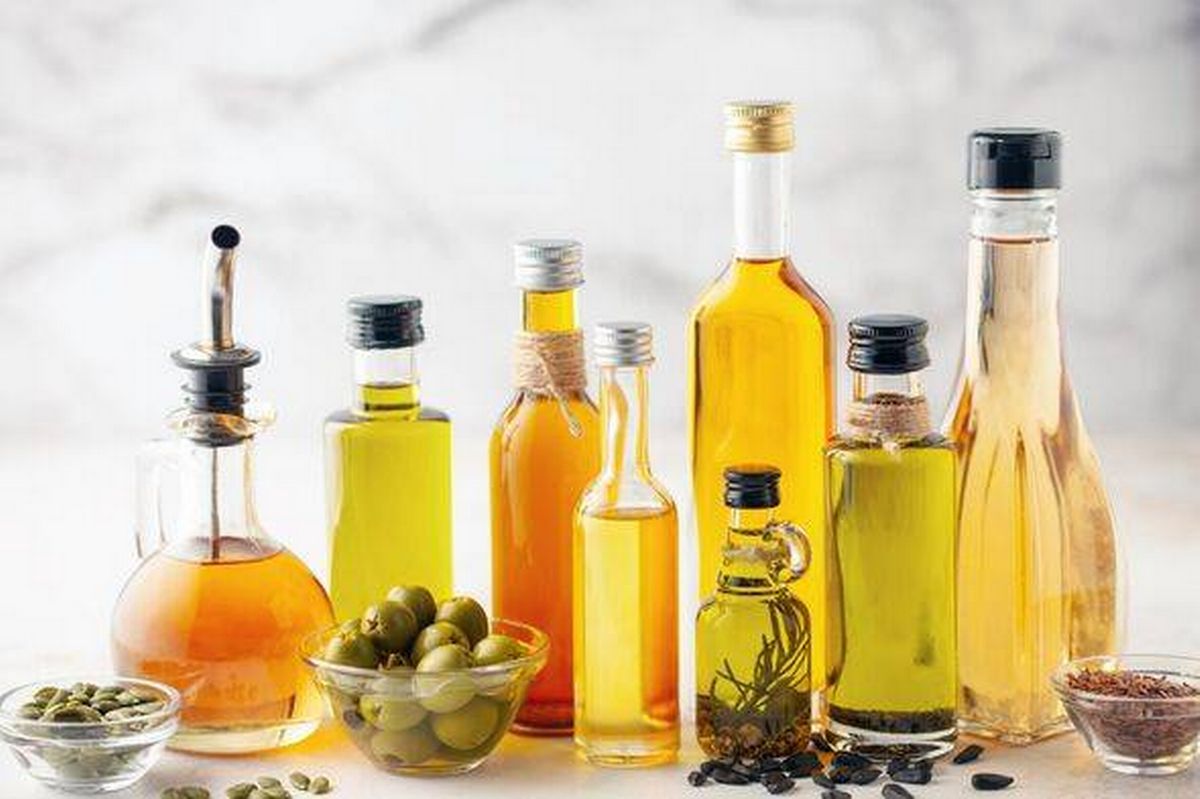
Choosing a cooking oil at the supermarket can be confusing with so many options available.(Image: Getty)
Selecting a cooking oil at the supermarket can seem like navigating a maze. There’s an abundance of choices on offer, from olive oil to avocado oil, coconut oil, sunflower oil, and beyond.
Yet, not all cooking oils are created equally; some offer better health benefits than others. This year, I’m committed to making healthier decisions, and one approach I want to take is by using healthy fats in my cooking.
Millie Bull from the Express said she doesn’t often fry food, but she do enjoy roasting tatties and spreading a quality slice of sourdough with extra virgin olive oil.
Committed to making healthier decisions and being better informed about dietary habits, Millie consulted several experts to find out which cooking oil is, in reality, the “healthiest”.
Whilst numerous cooking oils were discussed, one oil emerged as the clear winner: extra-virgin olive oil (EVOO), with avocado oil serving as a solid alternative for high-temperature cooking.
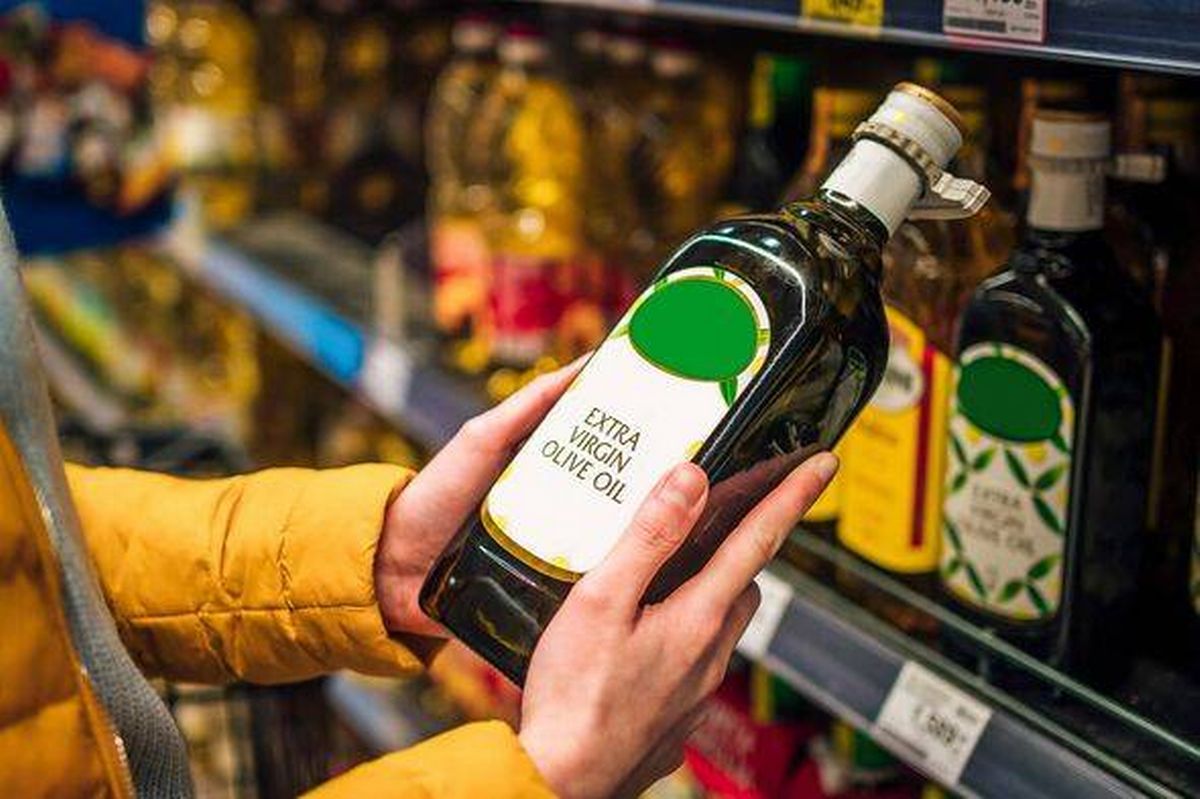
Extra-virgin olive oil is the top choice among several nutritionists(Image: LordHenriVoton via Getty Images)
Contrary to popular belief, EVOO can be utilised for everyday cooking; it’s not solely reserved for salads and dips.
Erin Viljoen, a Nutritional Therapist at W-Wellness, clarified that despite widespread misconceptions, “cold-pressed extra-virgin olive oil is suitable for most everyday cooking, as well as dressings and finishing dishes”. Aliza Marogy, a registered nutritional therapist and founder of top clinical-grade supplements provider Inessa, concurred, noting that olive oil was once thought to turn “toxic” when heated, hence it was deemed unsuitable for cooking.
However, this is not the case. She further stated: “It is a great option for sautéeing, roasting, and pan frying, and is the oil I reach for at home for the majority of my cooking.”
On the other hand, dietitian Dr Sarah Schenker suggested that EVOO is “quite stable at most cooking temperatures,” but avocado oil should be used for high-heat cooking as it has a “similar fat profile to EVOO” and even contains more vitamin E.
Many experts consistently recommended EVOO due to its higher proportion of monounsaturates, which are beneficial for your heart, brain and gut, and have a higher amount of polyphenols.
Dr Schenker added: “Overall, extra virgin olive oil is the healthiest choice because of the higher proportion of monounsaturates (good for heart health, anti-inflammatory, good for brain and gut health, improves insulin sensitivity) which are more stable when heated and less prone to oxidation – oxidation produces harmful reactive chemicals that can cause inflammation. As it’s extra virgin, it’s not refined, so it has a significantly higher amount of polyphenols (antioxidants), in particular oleocanthal and oleacein that otherwise would be lost in the refining process.”
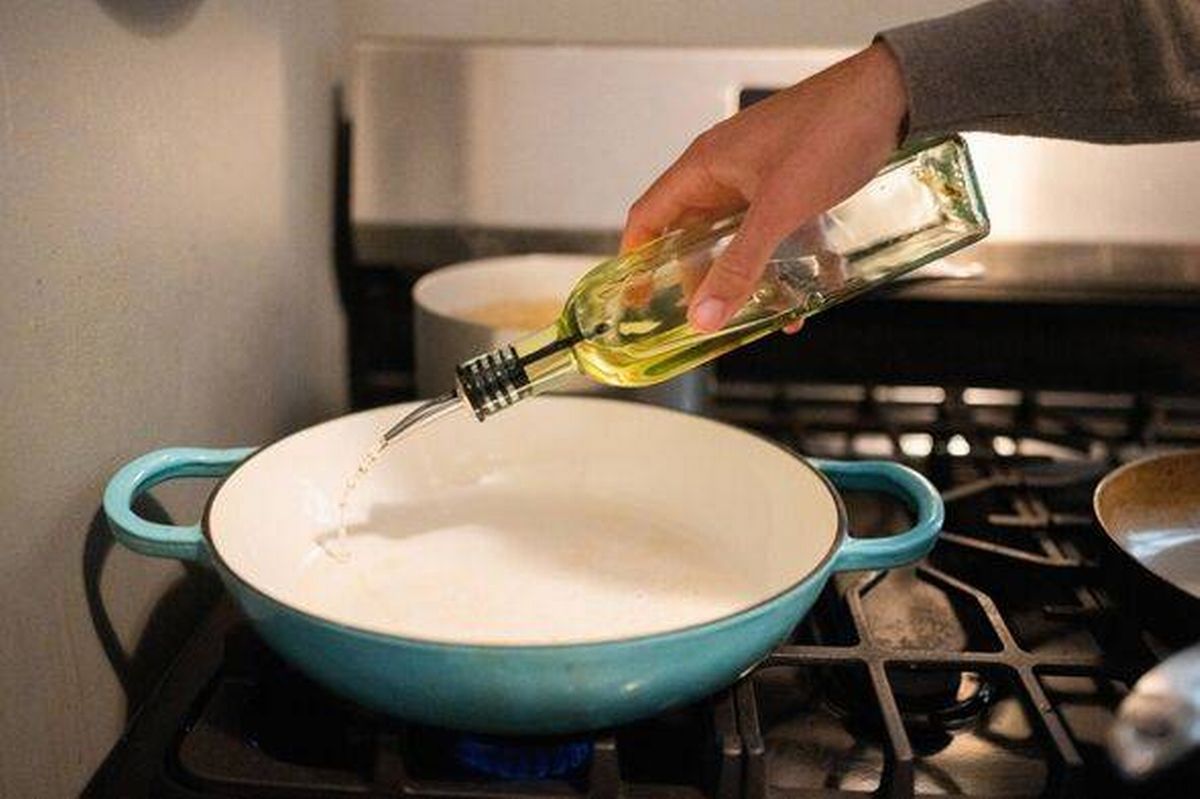
Dr Schenker said extra-virgin olive oil is healthiest due to stable heart-healthy fats and antioxidants lost in refined oils.(Image: Boogich via Getty Images)
Mazen Assaf, a certified olive oil sommelier also known as The Olive Oil Guy, described extra virgin olive oil as “by far the healthiest” due to its lack of chemical refinement, making it essentially a “fresh fruit juice”.
Olives are fruits harvested from trees, and through cold-pressing, the oil is mechanically extracted without heat or solvents. “True extra virgin olive oil is made purely from the olive itself, which preserves its natural nutrients,” he explained.
From a health standpoint, extra virgin olive oil’s distinguishing feature is its elevated polyphenol content. “Polyphenols are powerful antioxidants that help reduce oxidative stress and inflammation in the body, both of which are linked to chronic disease,” he said.
Early-harvest varieties, typically greener and more bitter, contain particularly high levels of these beneficial compounds.
By comparison, refined oils, including refined olive oil and numerous seed oils, undergo intensive processing using high temperatures and chemical solvents, removing beneficial compounds and potentially leaving unstable fats. “These oils may be cheaper and more neutral in flavour, but they don’t offer the same protective health benefits,” he noted.
Not every olive oil available in supermarkets is of equal quality. “Many are blended, over-refined, or poorly stored, which drastically reduces their nutritional value,” he added.
“The real health benefits come from fresh, early-harvest, cold-pressed, single-origin extra virgin olive oil.”
Tom Redwood, founder of Good Phats, shared similar views, explaining the “biggest mistake people make is ignoring how the oil is processed and how it’s used”. He explained: “Many modern seed oils are heavily processed using industrial methods, sometimes involving petroleum-derived solvents. By contrast, oils like extra virgin olive oil and avocado oil are naturally stable, and traditional fats such as organic British grass-fed beef tallow and organic British grass-fed beef tallow are rising in popularity because they’re more natural, heat-stable, nutrient-dense, and genuinely improve home-cooked food.”
Ms Marogy concurred that EVOO is the healthiest choice, highlighting that it’s brimming with heart-friendly fats, including oleic acid, which can assist in improving cholesterol levels, reducing inflammation and lowering the risk of heart disease.
She continued: “It also contains antioxidants and polyphenols, which protect cells from day-to-day stressors and damage. Always choose ‘extra virgin’ as it’s the highest quality grade of olive oil and ensures the flavour and nutrients, including Vitamin E, are intact.”
Ms Viljoen described EVOO as the “best all-round option”, particularly when it’s cold-pressed. She said: “Cold pressing preserves the oil’s natural polyphenols, antioxidants and vitamin E, which give olive oil its anti-inflammatory and heart-protective benefits. These compounds also help stabilise the oil during cooking.”
Meanwhile, Dr Lucy Williamson, a registered nutritionist and gut health expert, outlined why selecting the right cooking oil isn’t simply about which are healthiest – it’s also about understanding which ones remain ‘heat stable’ at higher temperatures during frying and roasting, and knowing how the fats transform.
She explains: “High temperature can cause some fats to degrade; a process called ‘oxidation’. This impacts their ‘healthfulness’ or worse, results in toxins called ‘free radicals’ being produced. Free radicals can damage our body cells.”
EVOO proves a solid choice as it’s both heat-stable and packed with antioxidants. “These therefore help to reduce oxidation damage from high temperature cooking, even though it has quite a low ‘smoke point’ (190°C -200°C),” she adds.
Yet Dr Williamson cautioned that certain oils undergo refining to boost their smoke point for high-heat cooking and extend their shelf life. She said: “This process strips much of their natural goodness, including antioxidants and vitamin E. High-heat refining can also damage some double bonds and, in rare cases, create small amounts of trans fats, which are linked to poor health outcomes, though these are now largely eliminated from foods in the UK.”
Longevity specialist Leslie Kenny, founder and CEO of Oxford Healthspan, a nutraceutical firm rooted in Oxford research into healthy ageing compounds, noted that from a health standpoint, the healthiest cooking oils are those which are chemically stable and minimally processed.
She stated: “Extra-virgin olive oil and avocado oil are excellent choices because they’re predominantly monounsaturated, resistant to oxidation, and rich in bioactive compounds that support cardiovascular and gut health.
“Many widely used industrial seed oils, such as sunflower, corn, rapeseed (canola) and grapeseed oil, are high in omega-6 polyunsaturated fats. While omega-6 fats are not inherently harmful, modern diets contain them in excessive amounts, particularly through ultra-processed foods and ready meals. These oils are also often refined at high temperatures, which can make them more prone to oxidation, which is inflammatory.
“Research published in Gut has shown associations between high intake of omega-6-rich fats and changes in gut biology linked to inflammation and increased colorectal cancer risk. Reducing reliance on these oils and switching to stable fats like olive oil is a practical, evidence-based step people can take to improve their long-term health.”
Brain and cognition expert, Natalie Mackenzie, highlighted that the “winners” are those with plant-based ALAs. She advocated for olive oil due to its high antioxidant content and monounsaturated fats that “reduce inflammation and oxidative stress”.
However, she emphasised the importance of using high-quality extra virgin olive oil that is refined and cold-pressed.
She further explained: “Those with high-polyphonic, which is the magic bit that reduces neuroinflammation and protects from oxidative stress. Always the most expensive, but for good reason. Look for dark glass bottles or tins, extra virgin cold pressed from one country (rather than a blend).”
Internationally acclaimed pharmacist and qualified nutritional therapist, Deborah Grayson, who operates Practice With Confidence, providing mentorship and support to nutritional practitioners, agreed that olive oil is “one of the healthiest” choices. However, she noted there’s ongoing debate about whether it should be used for cooking, as heat may potentially damage the fatty acids in the oil and diminish some of its benefits.
She added: “The real answer lies in the smoke point, which is the point at which the oil starts to produce a visible white smoke – if this happens, the temperature is too high and needs to be lowered.
“The smoke point depends on the quality of the oil and can vary between 190-210°C for extra virgin olive oil. More refined, lower-quality olive oil is stable at temperatures as high as 240°C.
“I tend to recommend sticking to 200°C as a general rule, as that suits most grades of olive oil.”
Why is avocado oil best for high-heat cooking?
According to Ms Marogy, avocado oil is a solid alternative to EVOO as it’s predominantly composed of monounsaturated fats, which help reduce inflammation and boost heart health, whilst refined varieties can handle high temperatures without breaking down.
She said: “Avocado oil is growing in popularity, as similarly to extra virgin olive oil, it is mostly made up of monounsaturated fats. These are known to moderate inflammation and improve heart health by reducing LDL (‘bad’)cholesterol levels whilst increasing HDL (‘good’) cholesterol.
“It’s also a good source of antioxidants, including lutein, which is beneficial for eye health and may reduce the risk of age-related eye diseases. Refined avocado oil can withstand high temperatures without oxidising. Combined with its relatively neutral flavour, it’s a good alternative option when frying food.”
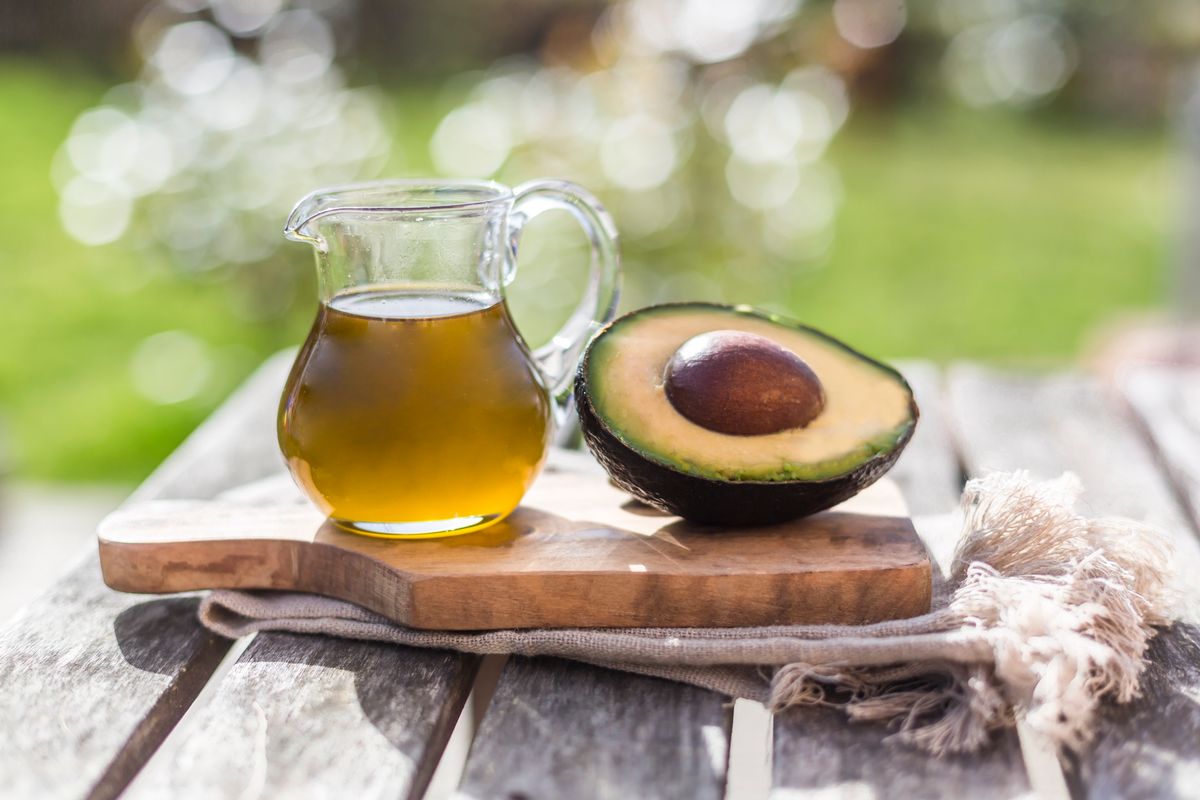
Avocado oil is a good alternative to extra-virgin olive oil because its healthy fats remain stable at high temperatures.(Image: Getty Images)
Ms Viljoen concurred, noting that avocado oil is “one of the most heat-stable oils available”.
“Its high monounsaturated fat content and high smoke point make it well suited to frying, grilling and higher-temperature cooking, with a neutral flavour,” she continued.
What oils should be avoided?
Bailyn Fields, sales director at Boomer Benefits, explained the most unhealthy oils are those rich in saturated fat, which raise LDL (Low-Density Lipoprotein) cholesterol. “That puts butter, ghee, lard, tallow, palm and coconut oil in the ‘use sparingly’ category, and research shows coconut oil raises LDL versus non-tropical vegetable oils,” said Fields.
“Industrial trans fats were the worst offenders historically, though they’ve been removed from many food supplies. Reused or overheated oils of any type can also degrade and form off-flavours and by-products, so avoid repeatedly frying with the same batch at home.”
Kate Styles, founder of Keto Kitchen Lytham, explained she typically steers clear of seed oils like sunflower, rapeseed and vegetable oil as they’re “highly refined and can become unstable when heated”.
She added: “When oils oxidise at high temperatures, they can contribute to inflammation and are not something I believe belongs in nutrient-dense, real food.
“Choosing natural, stable cooking fats like butter, olive oil, and ghee is one of the simplest changes people can make to improve the quality of their diet, particularly for those following a low-carb or ketogenic lifestyle. These fats provide flavour, satiety, and consistency in cooking without the blood sugar spikes associated with highly processed alternatives.”
Ruth O’Sullivan, a registered nutritionist at leading foodservice wholesaler Brakes, echoed that certain fats are healthier than others, noting that consuming excessive saturated fat can harm heart health by raising blood cholesterol levels. Ms O’Sullivan explained: “Saturated fat can be found in butter, lard, coconut oil and palm oil, so we should use less of these. Unsaturated fats, known as monounsaturated and polyunsaturated fats, are more heart-healthy.
“They’re found in sunflower, rapeseed and olive oils, so we should choose these types of oils to cook with. Just bear in mind that all cooking oils add fat and calories to your diet, so whichever you choose, use it sparingly.”
However, Steve Bennett, a PCI-Qualified Health Coach, takes a different view, warning against industrial seed oils which he believes can trigger inflammation. He stated: “We’ve been sold a dangerous lie. Those ‘heart-healthy’ vegetable oils lining supermarket shelves-sunflower, corn, soybean-are modern industrial inventions your great-grandmother would never recognise. You’ve never seen an oil vegetable growing in a home garden, have you?”.
“Here’s what matters: these seed oils are loaded with omega-6 fatty acids that trigger chronic inflammation in your body. Think of inflammation as your body’s alarm system-brilliant for healing a cut or fighting infection, but catastrophic when it never switches off. Our modern diets, drowning in these industrial oils, keep that alarm blaring 24/7.
“The oils you can trust are the ones humans have used for centuries, but here’s the critical mistake I see constantly: using the wrong oil at the wrong temperature. When any oil reaches its smoking point, it transforms into trans fats and carcinogenic compounds. Olive oil is perfect for salads and low-heat cooking, but using it for high-heat frying is a common error. For high temperatures, use coconut oil, ghee, or even traditional lard and dripping-your grandmother’s secret ingredients that are far healthier than anything created in a factory.”
Ms Viljoen also recommended steering clear of refined vegetable oils and seed oils including sunflower, corn, soybean and any generic “vegetable oil” blends.
She explained: “These are highly processed, high in omega-6 fats and prone to oxidation, particularly at high temperatures,”.
She added: “In summary, choose olive oil for everyday cooking, avocado oil or ghee for high heat, and nut or seed oils for cold use only. Avoid or minimise refined seed oils to reduce inflammatory load in the diet.”
Dining and Cooking