
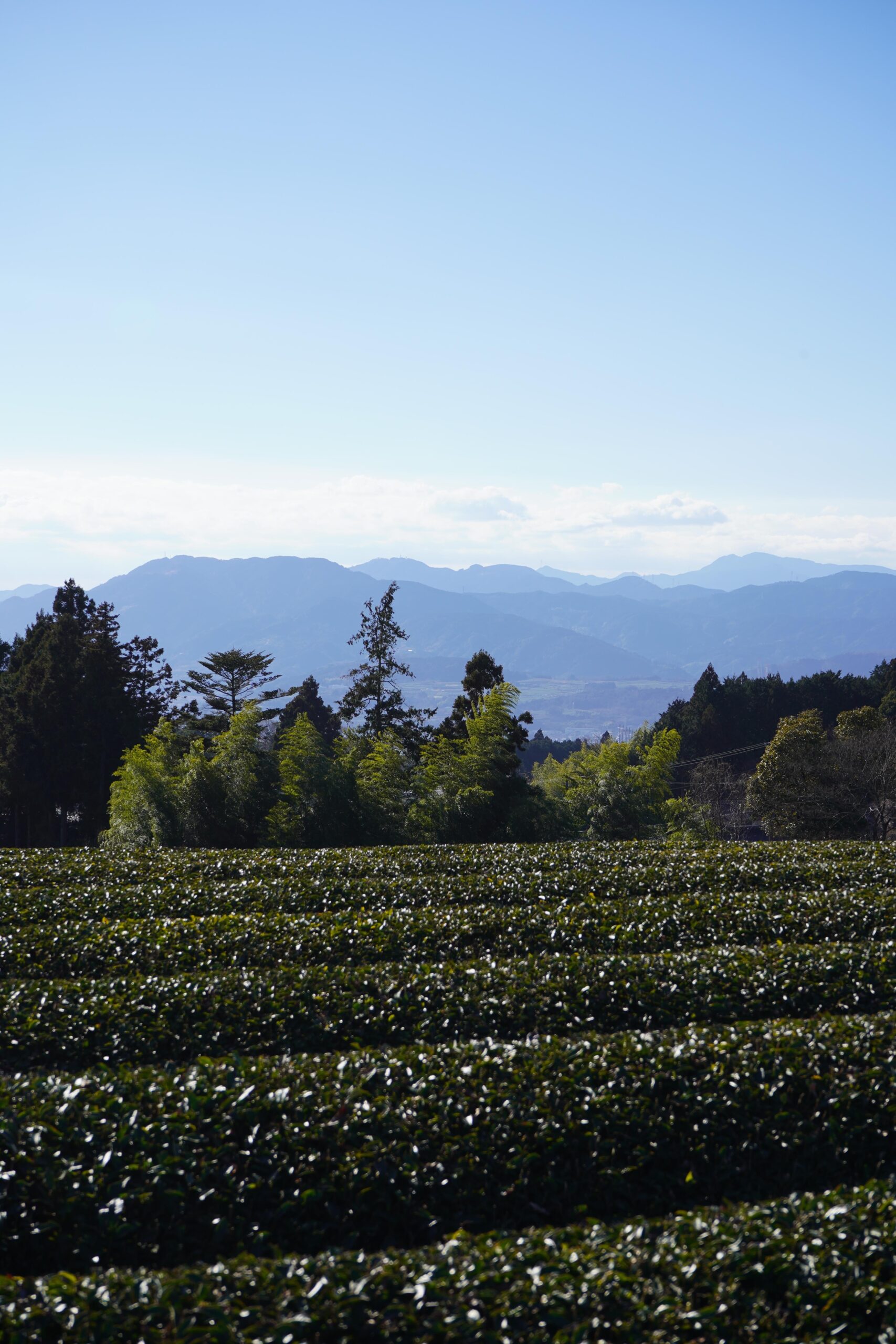
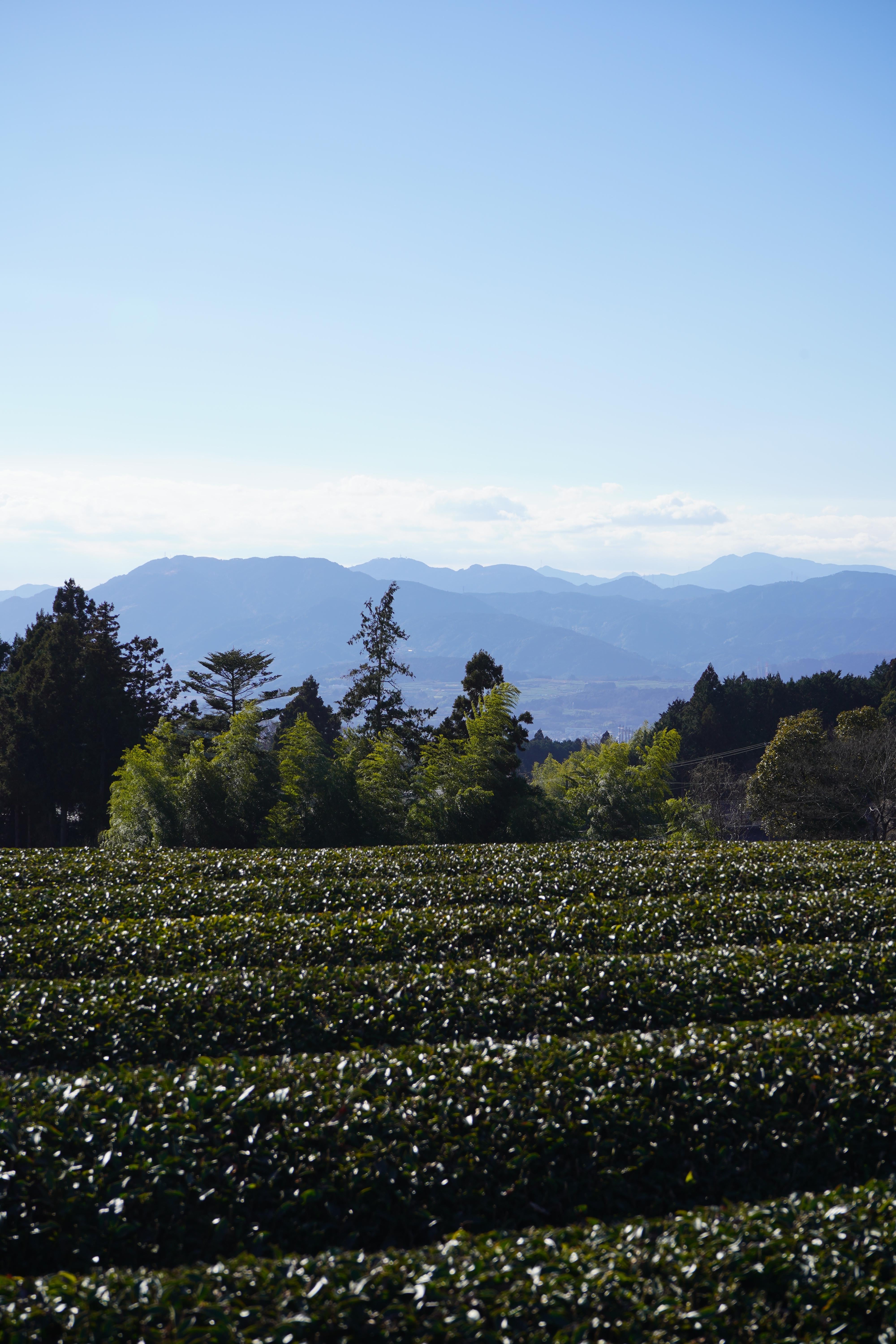
When people think of matcha, Kyoto usually comes to mind.
That makes sense — Uji has a long history and incredible craftsmanship.
But in terms of production volume, Japan’s largest tea-producing region is actually Shizuoka.
Shizuoka accounts for around 40% of Japan’s total green tea production
and has the largest tea-growing area in the country.
A significant amount of tencha (the leaves used to make matcha)
is also grown here, especially in areas near Mt. Fuji.
I’m originally from Shizuoka and currently work in the tea industry in Japan,
and I find that many people are surprised by this.
The climate in Shizuoka — morning fog, large day–night temperature swings,
and clean water from Mt. Fuji — helps produce leaves with strong umami
and relatively low bitterness.
Kyoto is famous for matcha culture,
but a lot of the matcha people drink around the world
likely starts its journey in Shizuoka.
Just wanted to share some background.
Happy to answer questions if anyone’s curious.
by Rich-Awareness-2024
10 Comments
Shizuoka leads in total green tea production, but Kyoto/Uji is still the benchmark for matcha quality.
I love Kyoto/Uji tea culture, but Honyama tea might be my favorite. There’s a bracing, refreshing, invigorating quality to Shizuoka teas.
I think Kagoshima recently overtook Shizuoka in total production volume (though in reputation they’re still far behind). Kagoshima’s been really investing in agriculture lately.
True, I was an exchange student in Shizuoka ages and ages ago. I bought a teapot in Kanagawa as a gift for my mom and the shop staff tried selling me some tea to go with it. My host quickly told him that wasn’t necessary because I lived in Shizuoka lol
I don’t think most people think that’s
In my case it’s the opposite. When I think of Japanese tea, I only think of Shizuoka and I’ve never thought of Kyoto.
I mean when I think of matcha and green tea in general I mostly think of China seeing as it produces way more of the stuff
Japan’s 3 great teas are from Uji (Kyoto), Shizuoka, and Sayama (Saitama).
Kagoshima also has a lot as well as Miyazaki and Yame, Fukuoka. There’s also some in western Mie as well.
Some of the things you just said are slightly misleading.
Shizuoka leads Japan in most actual tea farmland. But the leader in production volume is Kagoshima. This is due to several reasons, but earlier spring, with new cultivars that allow up to 4 harvests a year, along with more flat land that makes harvesting more efficient.
Both Kagoshima and Shizuoka produce around 2/3 of all tea in Japan (around 1/3 each.)
Most tencha is grown in Kagoshima though, and Shizuoka has lacked techa factories which has (unfortunetly) lead to farmers leaving the tea industry due to lower demand of sencha (which is still a really good tea and more people should drink it!)
Both teas are really good though, and its not like one region is the best. I also just visited a big tea convention in Shizuoka and had a great time visiting.
Most people? Pretty sure everyone I know who lives in Japan knows that Shizuoka is the Mecca of matcha.