
Key Takeaways
Barley coffee, or caffè d’orzo, is a naturally caffeine-free Italian beverage made by roasting and brewing barley grains to create a drink that looks and tastes similar to espresso.
With earthy, nutty, and slightly bitter notes, caffè d’orzo can be prepared in an espresso machine or orziera and is often paired with steamed milk for a cappuccino-like experience.
Once born out of necessity during World War II, barley coffee is gaining modern popularity as a wellness-focused alternative for those reducing caffeine or seeking natural, plant-based drinks.
It’s no secret that Italians love their coffee. From espresso drinks like the cappuccino to various types of beans and roast styles, some of the world’s best morning beverages originate from this European country. However, while many Italian coffee traditions have made their way into homes and Italian-style coffee shops worldwide, some lesser-known coffee alternatives are just beginning to arrive in the United States.
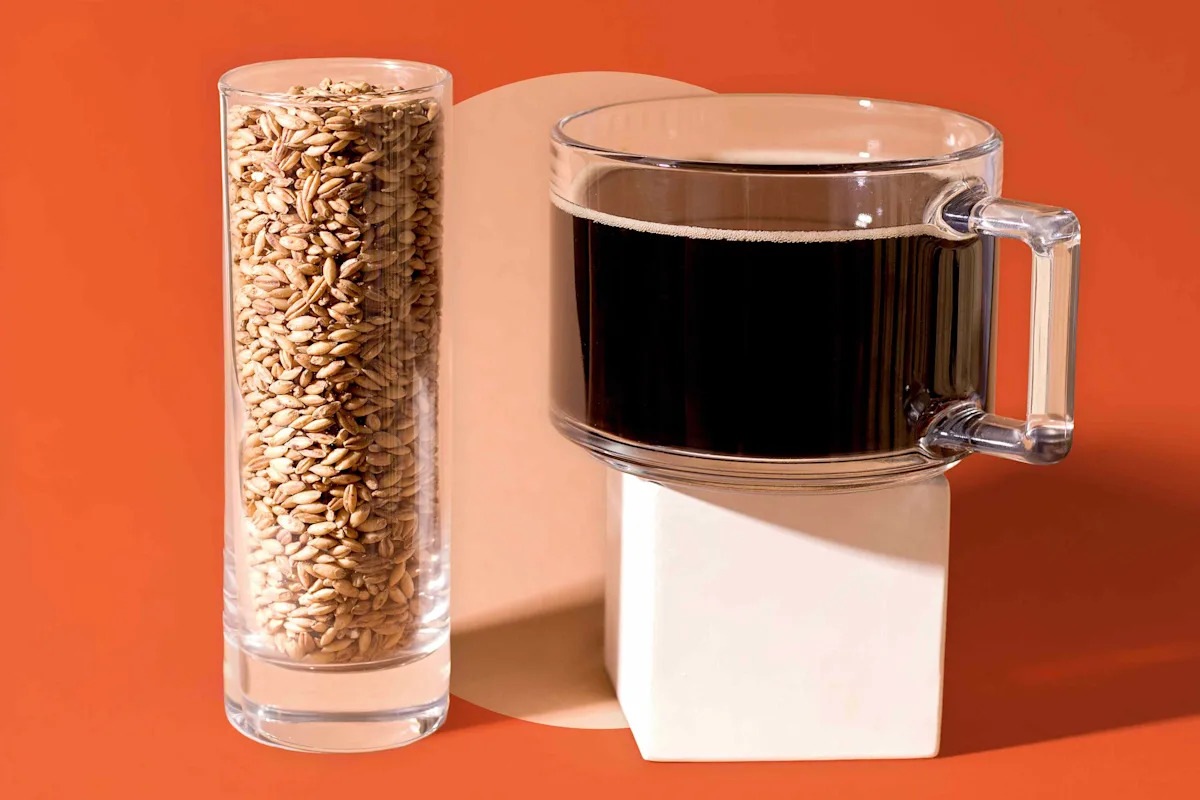
Barley coffee, also known as caffè d’orzo, is one example. It’s a coffee alternative that’s actually not made from coffee at all. It comes from barley grains that are roasted, brewed, and then prepared just like coffee beans. Standing in as a substitute for traditional beans, barley coffee offers a similar texture and flavor profile to coffee without the caffeine.
Related: It’s Time to Fall in Love With Decaf, According to These Specialty Coffee Experts
What exactly is barley coffee?
The beverage mimics the rich brown color of espresso and delivers an earthy, slight nuttiness that many like in their morning cup of coffee, while also adding other flavors that are unlike traditional espresso. “It tastes like cereal and bread crust, with a nutty taste due to the roast,” says Katia Delogu, vice president of Quick Service Restaurants (QSR) at Eataly North America. “It is naturally bitter but not like coffee — no acidity and no caffeine.”
““It tastes like cereal and bread crust, with a nutty taste due to the roast. It is naturally bitter but not like coffee — no acidity and no caffeine.””
Katia Delogu, vice president of Quick Service Restaurants (QSR) at Eataly North America
Before this bean replacement gets near your cup, the barley must undergo a process of roasting until it is deep brown and resembles coffee beans. Then, to make caffè d’orzo, the roasted barley is ground and processed through a coffee pot, espresso machine, or an orziera, a device specifically designed to make caffè d’orzo that resembles a moka pot.
Just like a regular shot of espresso, it can be combined with milk for macchiatos and other specialty drinks or enjoyed on its own. Most opt to pair it with steamed milk for a cappuccino-like drink because the malty flavor profile plays nicely with the milk’s richness.
Why is barley coffee becoming more popular?
The origins of this beverage can be traced back to World War II and the postwar era in Italy, when coffee drinkers had to get creative because of ingredient shortages and economic pressures. While coffee beans aren’t native to Italy, barley was always available and affordable, as it was grown there.
Coffee beans eventually became easier and more affordable to procure, of course, but some Italians opted to stick with the morning ritual. Caffè d’orzo became especially popular among children, elderly people, or anyone avoiding caffeine, including pregnant women.
““People are more conscious of sleep, digestion, and stress but don’t want to renounce the ritual of drinking coffee, so caffè d’orzo has begun to generate curiosity beyond Italy.””
Katia Delogu
In recent years, barley coffee has experienced a resurgence as people become more health-conscious and dial back their intake of caffeine. Many people prefer caffè d’orzo to decaf coffee because it’s naturally caffeine-free, unlike decaf coffee, which undergoes chemical or water-processing to remove the caffeine.
“Caffè d’orzo is gaining popularity because of an increased interest in caffeine-free beverages, plant-based or natural products, and wellness-focused lifestyles,” says Delogu. “People are more conscious of sleep, digestion, and stress but don’t want to renounce the ritual of drinking coffee, so caffè d’orzo has begun to generate curiosity beyond Italy to an international audience.”
Major retailers like Nestlé now offer caffè d’orzo in Italy, and Lavazza has rolled out barley espresso pods to use with their world-class machines. It can still be tricky to find caffè d’orzo to purchase and brew at home in the U.S. — your best bet is to order it online or start plotting a culinary-focused trip to Italy to try the beloved caffeine-free beverage.
Read the original article on Food & Wine
Dining and Cooking