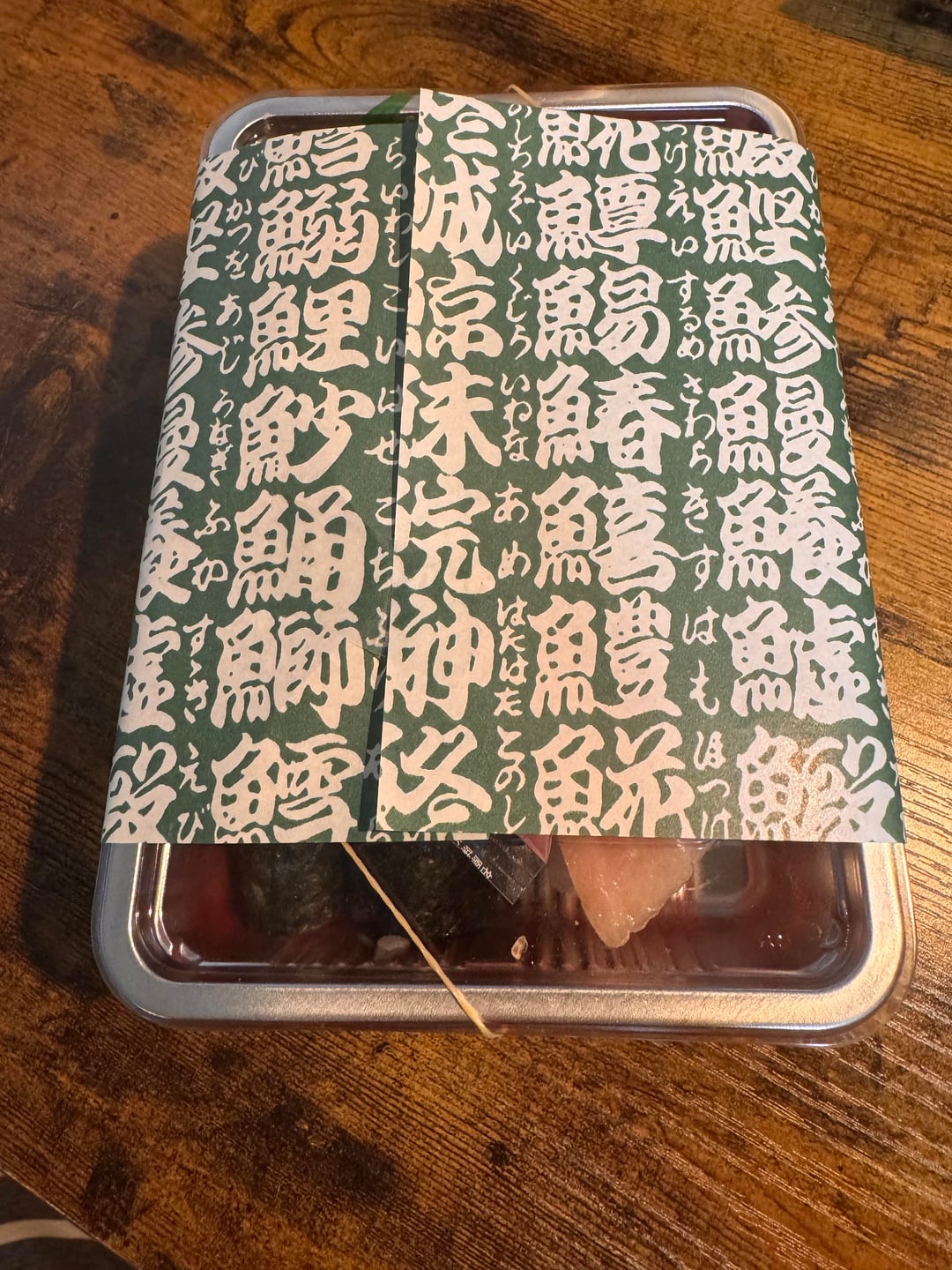
Kanji for sushi toppings that are difficult even for Japanese people to read
Sushi wrapping paper
by PersonalityLivid9795
6 Comments
sofia2007fia
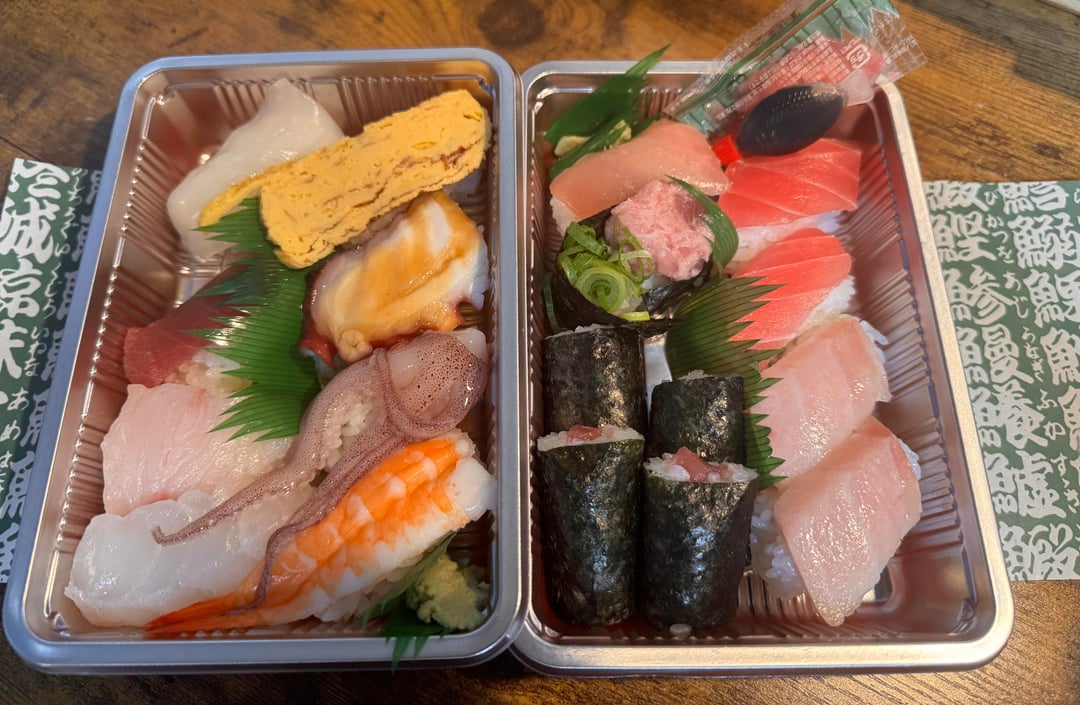
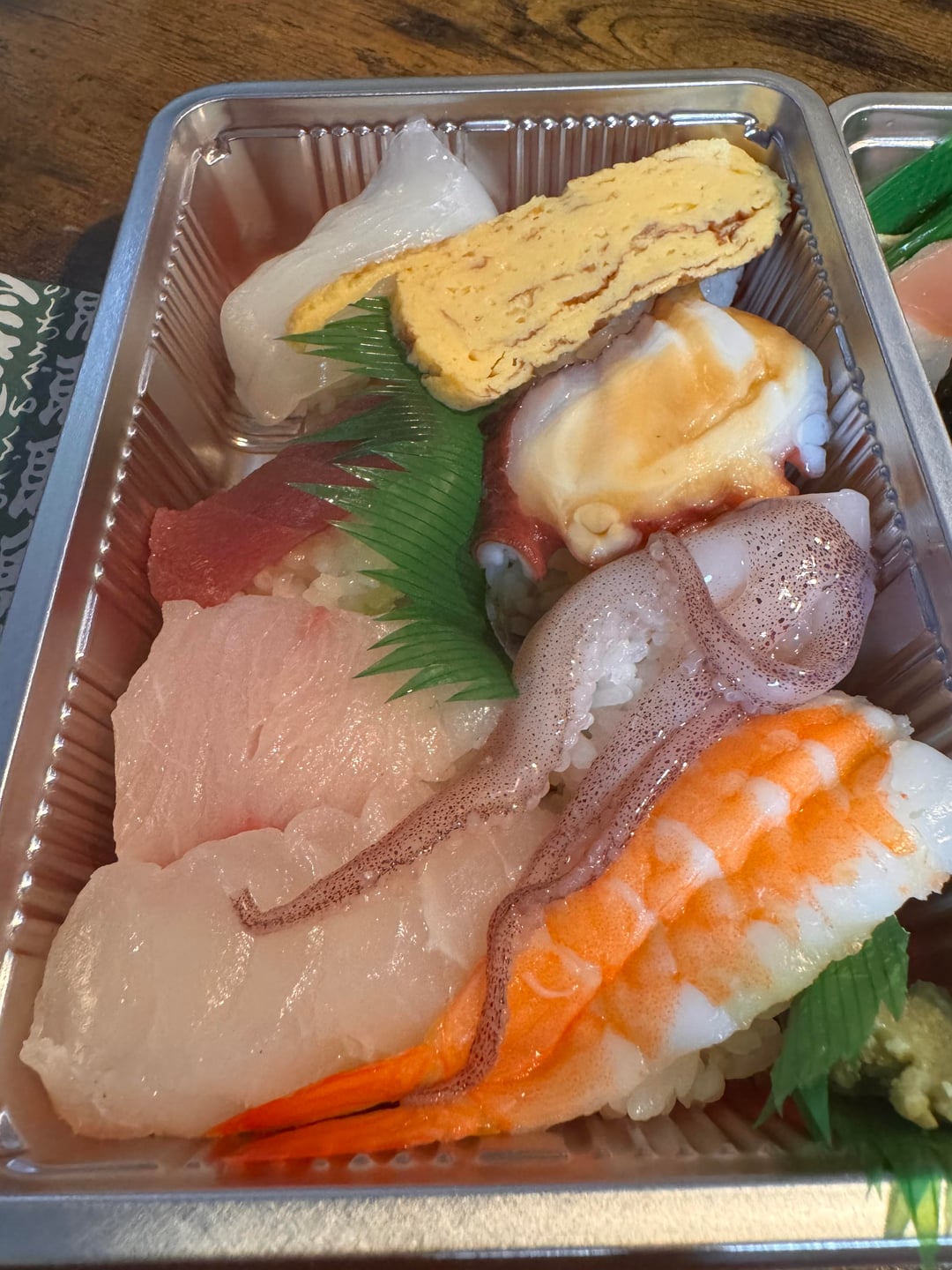
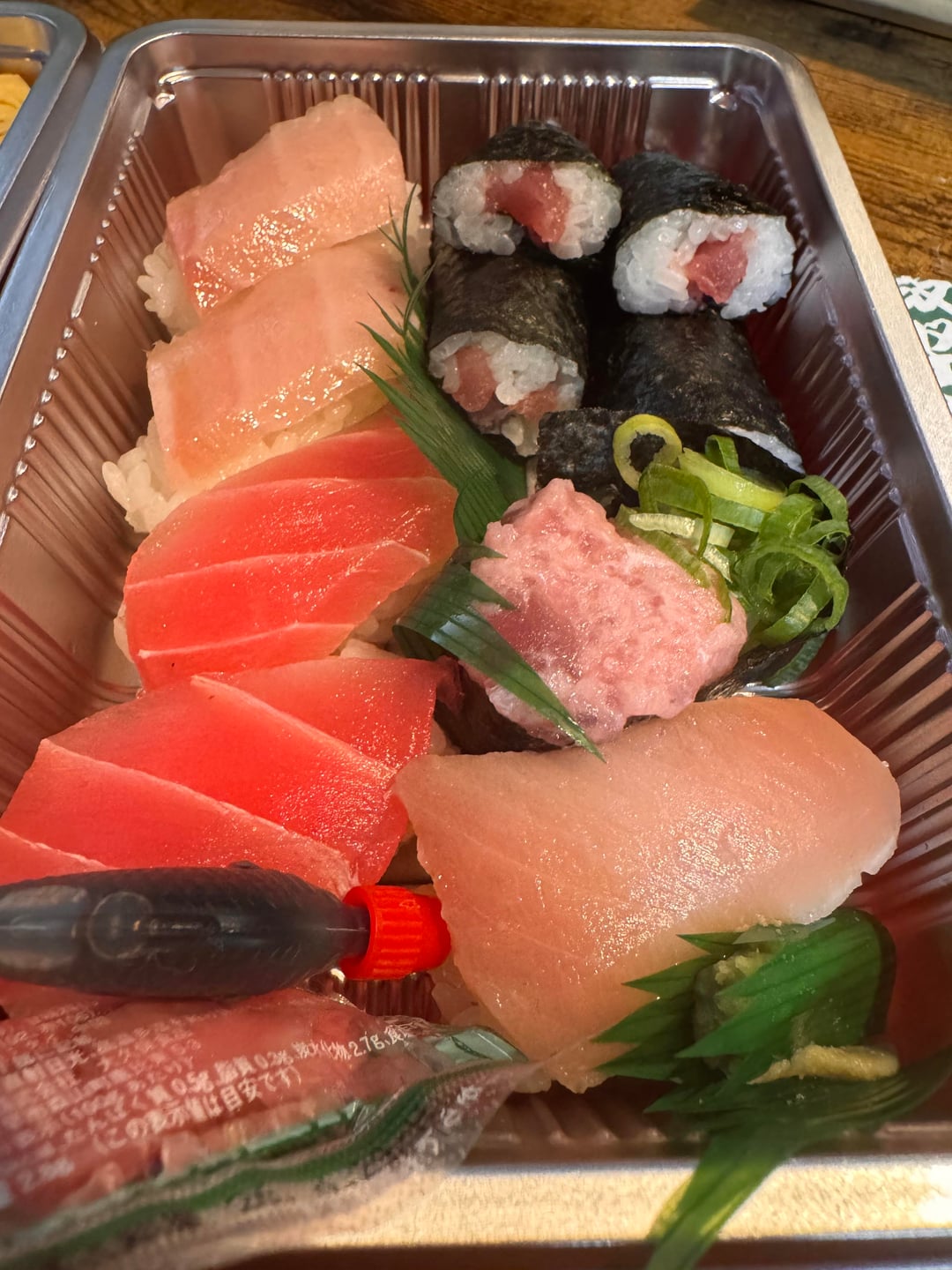
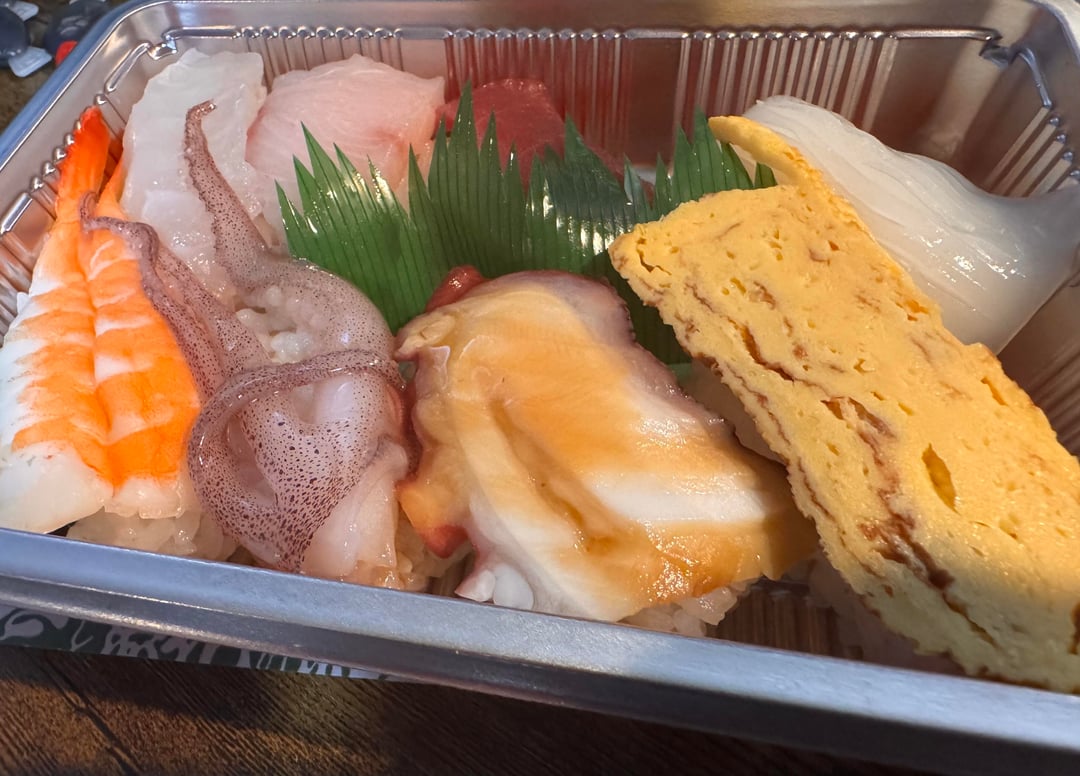
the sushi looks really yummy thooo
Thisisit268
Those kanji on the wrapping are different kinds of did not sushi toppings if that’s what your talking about
PsionicKitten
I mean, I’m not so far as to have learned these yet, but:
* They all have the furigana, making it super easy to read. Furigana (the hiragana on top of or the side of kanji) is often used for things tailored towards kids, learners, and more obscure kanji in the first place so that it can be read even if you don’t know the kanji yet.
* Every kanji component on the left half is 魚 (sakana // fish) so it’d be super easy to remember half the word very simply, and even if you didn’t remember the specific kanji you’d recognize it as “that’s a type of fish” given the etymology of the writing, even if they excluded the furigana.
* Each one is a name of a specific type of fish. None of these appear to be toppings.
MyPasswordIsABC999
I can read those characters just fine (because the furigana is right there 😅)
k3anuw3aves
Well it’s not the kanji that would make it difficult for japanese people to read as others have said the furigana is there. If anything sometimes even fluent japanese readers find traditional handwriting difficult to read as it can be so fluid.
From top to bottom, l to r: ebi えび prawn, katsuo かつを skipjack tuna which is used for dashi and bonito, aji あじ horse jack mackerel, unsure on the next 3 cause of the font, ugui うぐい big scaled redfin, ? for the next 2, hatahata はたはた japanese sandfish, surume するめ dried squid, sawachi さわち I think so Spanish mackerel, kisu きす japanese whiting, hamo はも dagger tooth pike conger eel.
I’m only intermediate japanese level so I didn’t know all the kanji but I was able to read the furigana and deduce as such.
Link_2021
This reminds me of my recent visit to the Kanji Museum in Kyoto.
On the upper floor, there’s a huge tea mug with all of them listed.

6 Comments
the sushi looks really yummy thooo
Those kanji on the wrapping are different kinds of did not sushi toppings if that’s what your talking about
I mean, I’m not so far as to have learned these yet, but:
* They all have the furigana, making it super easy to read. Furigana (the hiragana on top of or the side of kanji) is often used for things tailored towards kids, learners, and more obscure kanji in the first place so that it can be read even if you don’t know the kanji yet.
* Every kanji component on the left half is 魚 (sakana // fish) so it’d be super easy to remember half the word very simply, and even if you didn’t remember the specific kanji you’d recognize it as “that’s a type of fish” given the etymology of the writing, even if they excluded the furigana.
* Each one is a name of a specific type of fish. None of these appear to be toppings.
I can read those characters just fine (because the furigana is right there 😅)
Well it’s not the kanji that would make it difficult for japanese people to read as others have said the furigana is there. If anything sometimes even fluent japanese readers find traditional handwriting difficult to read as it can be so fluid.
From top to bottom, l to r: ebi えび prawn, katsuo かつを skipjack tuna which is used for dashi and bonito, aji あじ horse jack mackerel, unsure on the next 3 cause of the font, ugui うぐい big scaled redfin, ? for the next 2, hatahata はたはた japanese sandfish, surume するめ dried squid, sawachi さわち I think so Spanish mackerel, kisu きす japanese whiting, hamo はも dagger tooth pike conger eel.
I’m only intermediate japanese level so I didn’t know all the kanji but I was able to read the furigana and deduce as such.
This reminds me of my recent visit to the Kanji Museum in Kyoto.
On the upper floor, there’s a huge tea mug with all of them listed.
[https://www.gltjp.com/ja/directory/item/17108/](https://www.gltjp.com/ja/directory/item/17108/)
Fun fact, most of these were Kanji created in Japan, aka 国字 *kokuji*.