
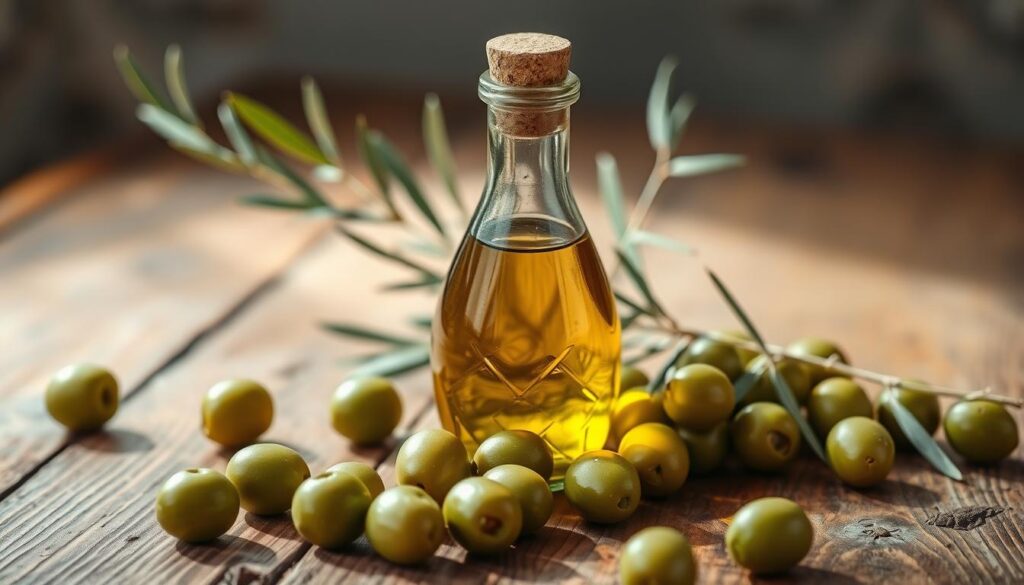
Tunisia is set to become the world’s second-largest olive oil producer in the 2025/26 season, according to the FAO’s “Food Outlook – November 2025,” which estimates a harvest of over 400 tons, described as a “record” by analysts. The forecast would place Tunisia just behind Spain and ahead of Italy, Greece, and Turkey, with a share of approximately 13 percent of global supply.
According to the FAO, Tunisian growth is supported by favorable climate conditions and a regular growing season, factors that are altering the balance of a Mediterranean market historically dominated by Spain and Italy. For the latter, the 2024/25 season was impacted by summer drought and the aftermath of the well-known structural problems linked to Xylella, particularly in Puglia, contributing to the reduction in national output.
The report notes that, after two years of shortages, international prices slowed between 2024 and 2025. In Spain—the world’s leading producer—extra virgin olive oil prices fell from around €9 per ton in January 2024 to €4.180 in September 2025; in Greece, they fell from €8.460 to €4.100 over the same period. For 2025/26, the FAO forecasts stable global production of around 3,4 million tonnes, with Spain retaining its position as the world leader and with variable volumes for Italy, Greece, and Turkey. The forecast of a record Tunisian harvest also has direct implications for the European market. Tunisia is among the European Union’s main suppliers under the Association Agreement, which provides specific tariff quotas for olive oil destined for Europe. A significant share of Tunisian exports is absorbed by Italy and Spain, where the imported oil is used both for the bottling industry and for blends intended for large-scale distribution.
In most cases, the extra virgin olive oil sold in European supermarkets—including Italy—is a blend of oils from multiple Mediterranean countries. Using only Italian olives would entail significantly higher costs, which would be difficult to reconcile with average retail prices. The increase in Tunisian volumes, combined with the fluctuating trends in European harvests, therefore strengthens Tunisia’s role as a key supplier of commercial production to the EU market. According to the FAO, the 2025/26 campaign could consolidate Tunisia’s position as a key player in Mediterranean and international olive growing, with positive effects on export flows and the overall balance of the global olive oil market.
Read also other news on Nova News
Click here and receive updates on WhatsApp
Follow us on the social channels of Nova News on Twitter, LinkedIn, Instagram, Telegram
Dining and Cooking