
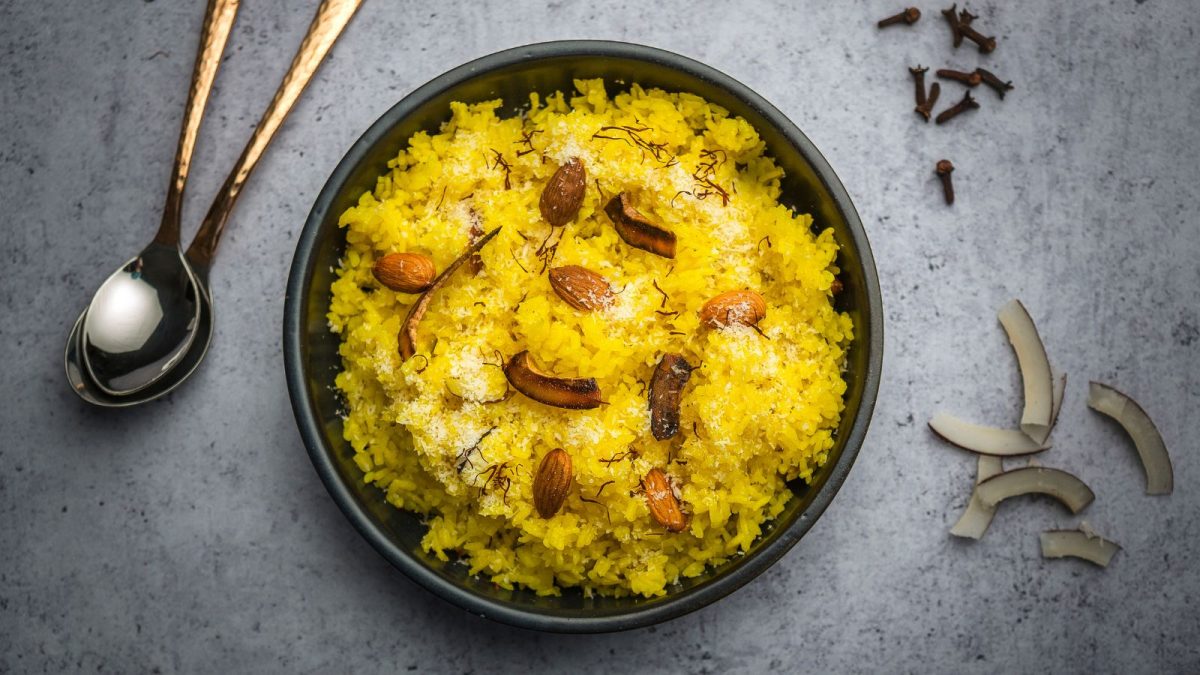
Basant Panchami 2026, celebrated on January 23, is not only a festival of devotion to Goddess Saraswati but also a culinary celebration of vibrant yellow foods that symbolize prosperity, energy, and joy.

Basant Panchami, also known as Vasant Panchami, heralds the arrival of spring and honours Goddess Saraswati, the deity of wisdom, learning, and arts. The colour yellow dominates the festival, representing vibrancy, optimism, and the mustard fields that bloom during this season. Families dress in yellow, decorate homes with marigolds, and prepare saffron-infused dishes that embody the essence of the day. Food plays a central role, as offerings to the goddess and as a way to bring communities together in celebration. (Image: Canva)
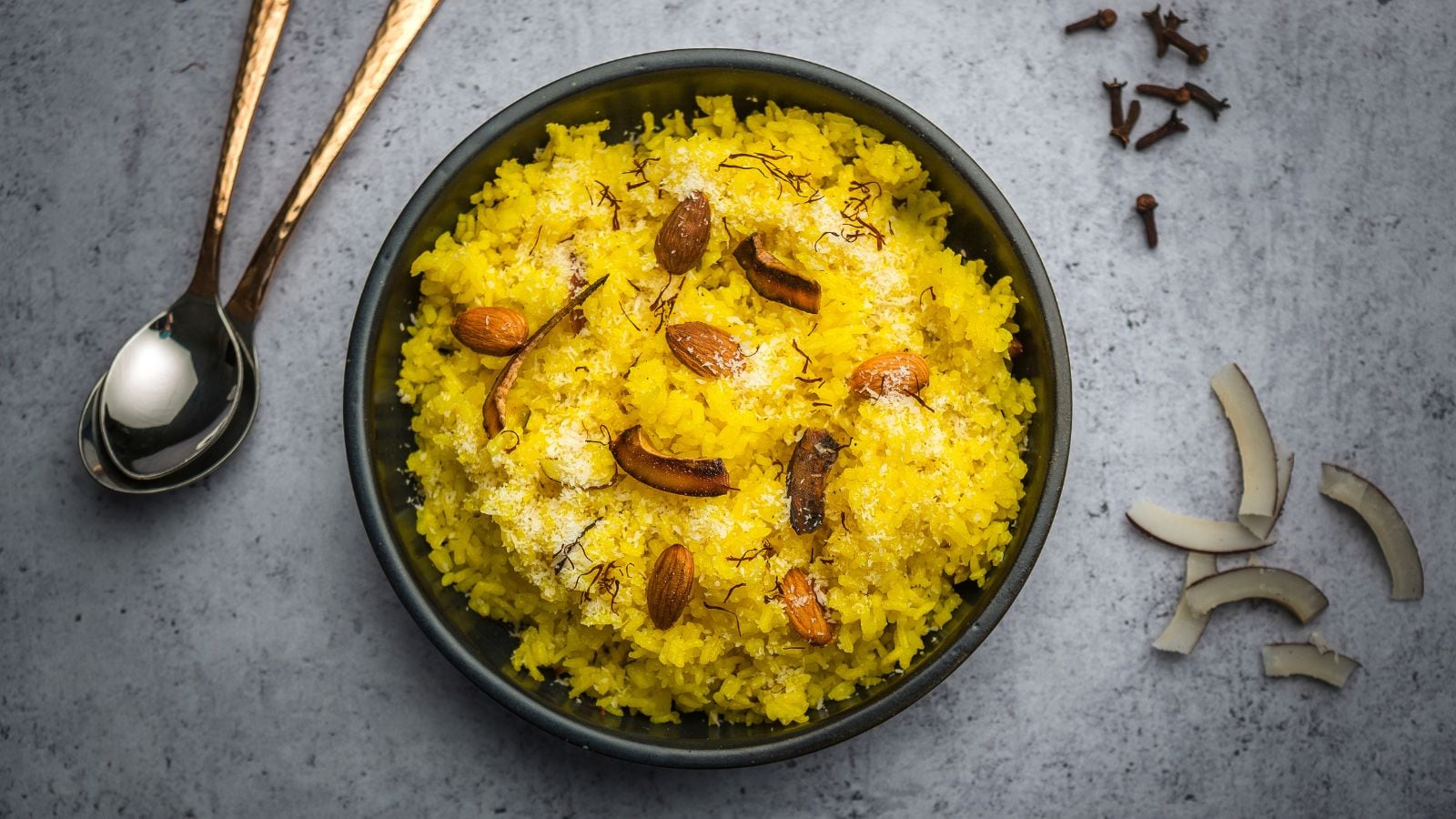
Meethe Chawal: One of the most iconic dishes of Basant Panchami is Meethe Chawal, also known as sweet saffron rice. Prepared with basmati rice, sugar, milk, ghee, cardamom, and a touch of turmeric or saffron, the dish radiates a golden hue. Dry fruits like almonds, cashews, and raisins add richness. Traditionally offered as bhog to Goddess Saraswati, Meethe Chawal is both comforting and festive, symbolizing abundance and sweetness in life. (Image: Canva)
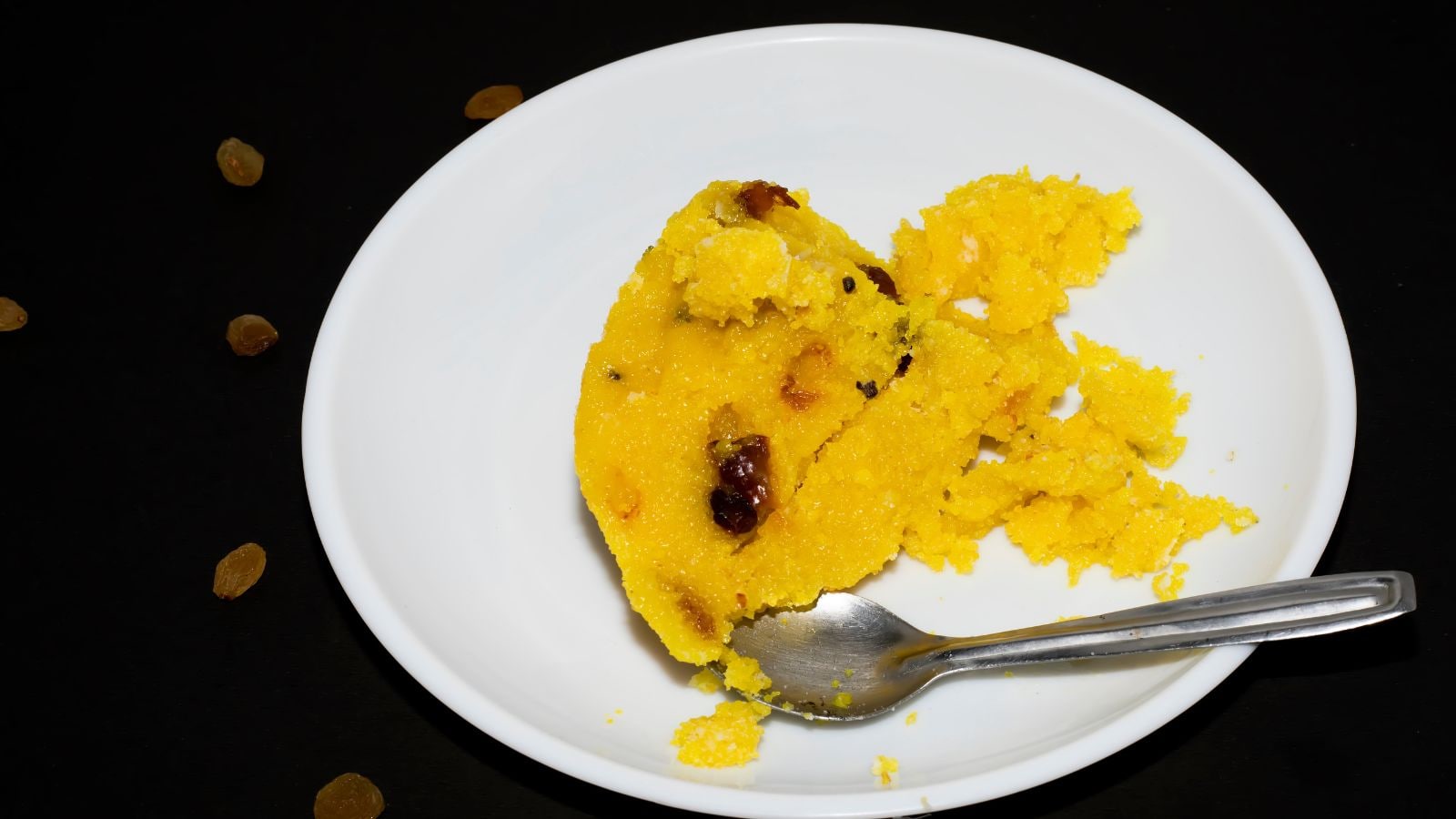
Kesari Halwa: Another staple is Kesari Halwa, a semolina-based dessert cooked with ghee, sugar, saffron, and cardamom. Its bright yellow colour makes it especially significant for Basant Panchami. The halwa is often garnished with nuts and served warm, filling homes with its aroma. Easy to prepare yet deeply satisfying, Kesari Halwa is a favorite across households during the festival. (Image: Canva)
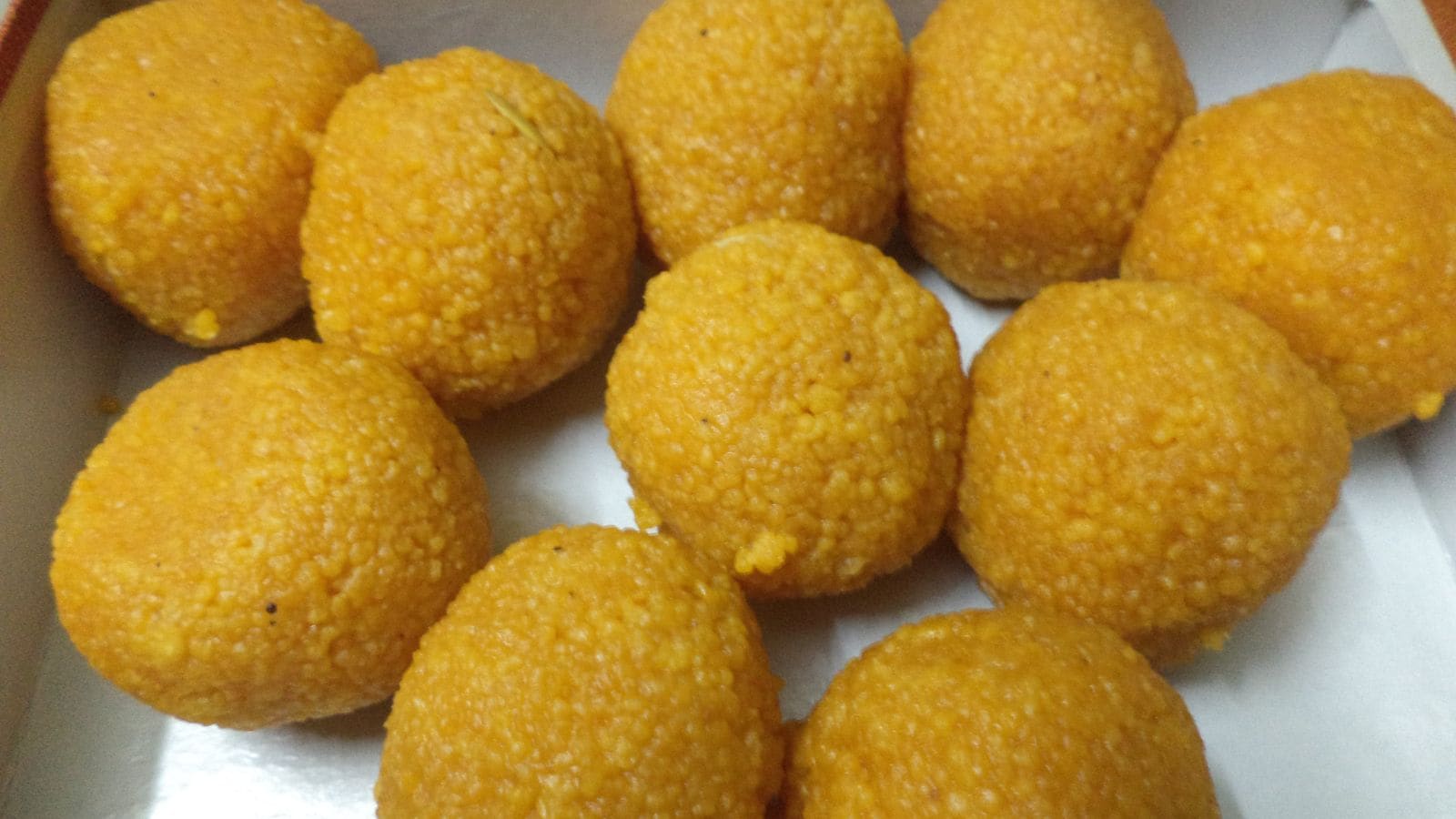
Boondi Ladoo: No Indian festival is complete without ladoo, and Basant Panchami is no exception. Boondi Ladoo, made from tiny fried gram flour droplets soaked in sugar syrup, is shaped into golden balls that symbolize prosperity. Their cheerful yellow color aligns perfectly with the festival’s theme, making them a popular offering and treat. (Image: Canva)
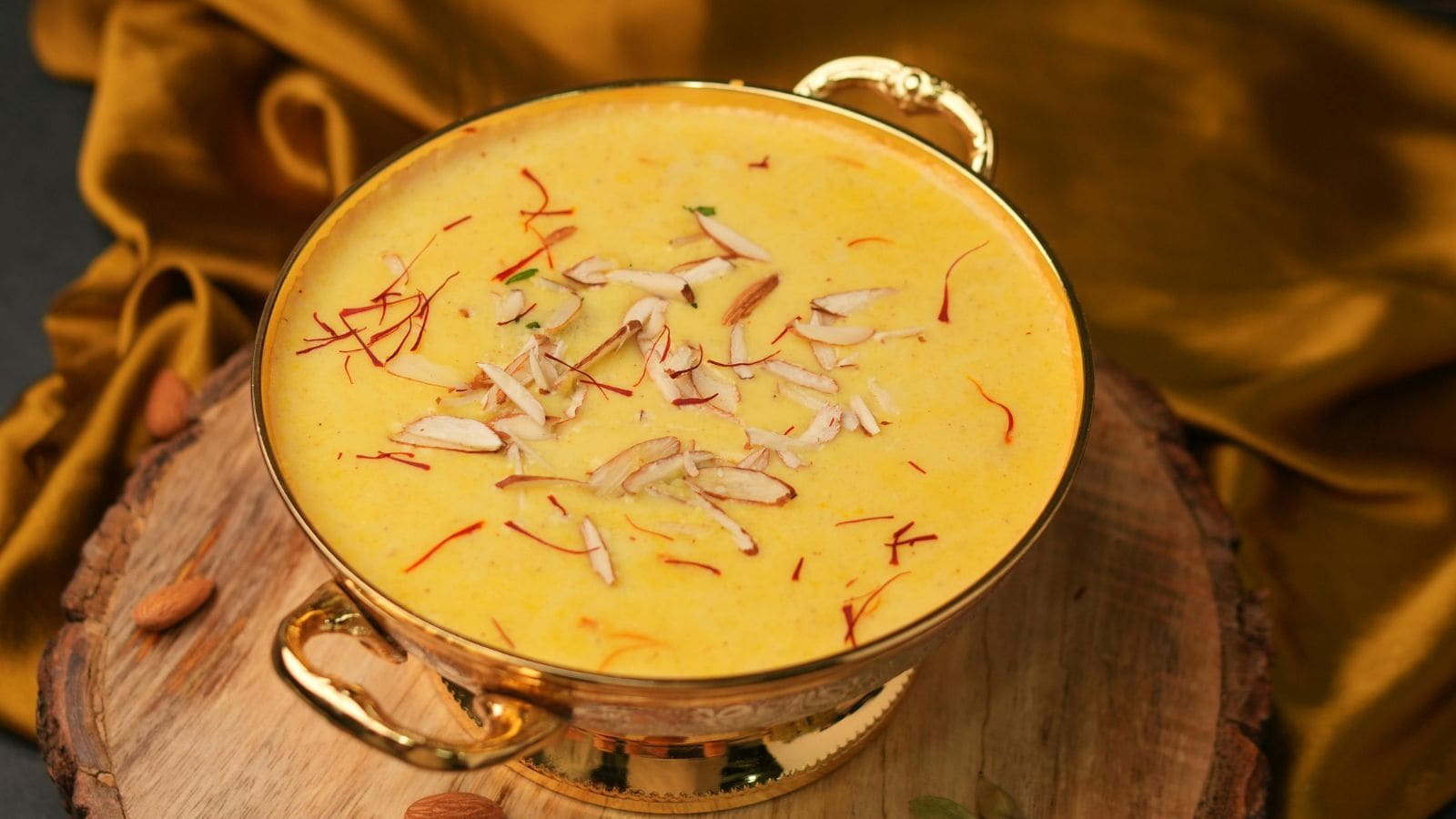
Kesar Milk: Kesar Milk is a simple yet divine drink prepared with warm milk infused with saffron strands, cardamom, and a touch of sugar. Served to family members after prayers, it is believed to purify the mind and body. The golden hue of saffron milk reflects the blessings of Saraswati and the warmth of spring. (Image: Canva)
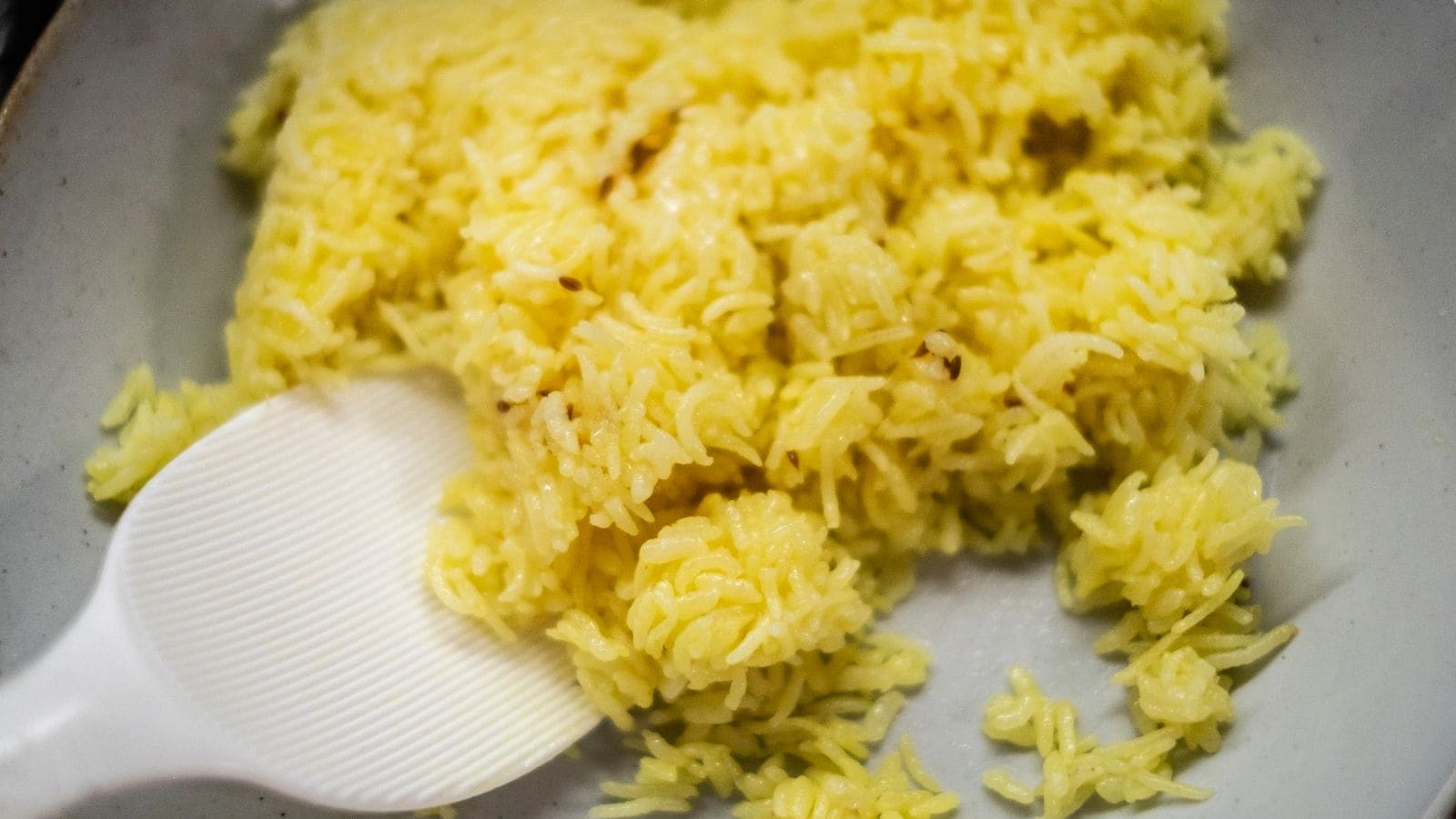
Turmeric Rice: Turmeric, revered for its healing properties, finds a special place in Basant Panchami cuisine. Turmeric Rice is prepared by cooking rice with turmeric, ghee, and mild spices. Its bright yellow color makes it auspicious, while its earthy flavor adds depth to festive meals. Often paired with curd or light curries, it is a wholesome dish that balances taste and tradition. (Image: Canva)
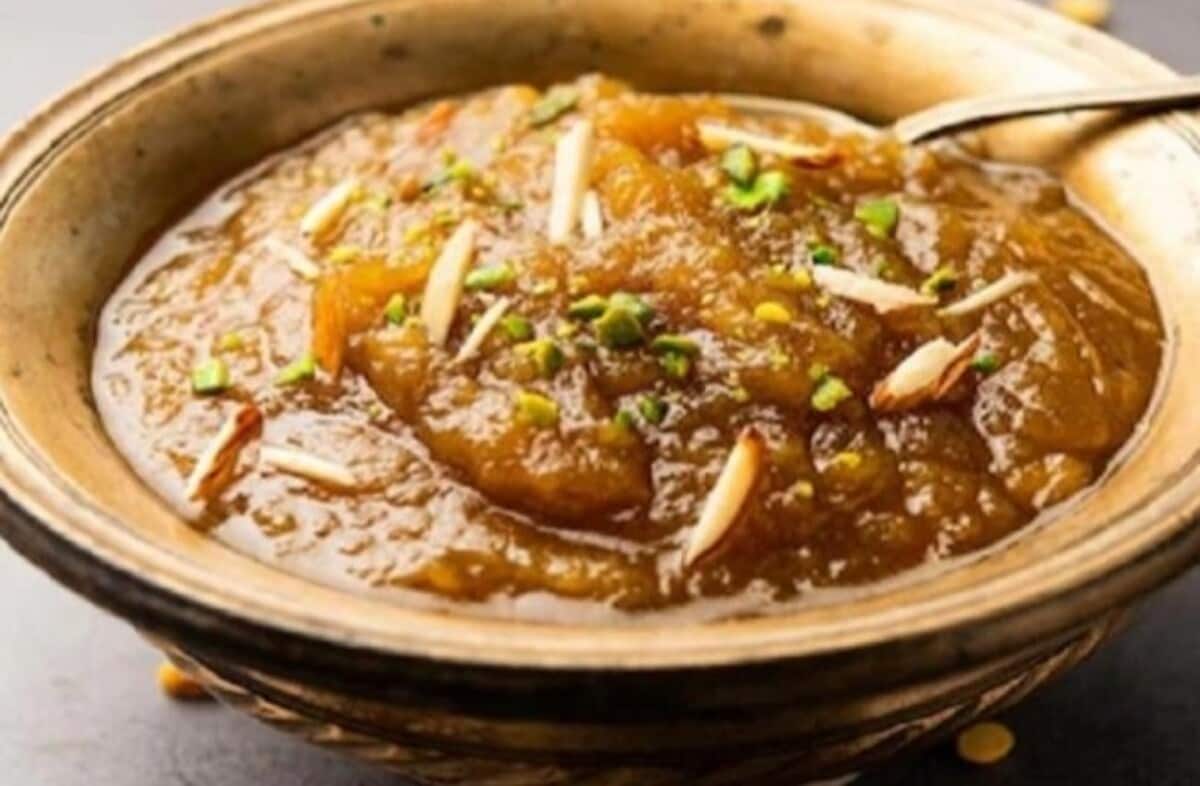
Besan Ka Sheera: A lesser-known but cherished recipe is Besan Ka Sheera, made from gram flour, ghee, sugar, and saffron. Smooth and rich, it is often prepared in households as a warming dessert during winter. Its golden color and nourishing qualities make it a fitting dish for Basant Panchami celebrations. (Image: File Pic)
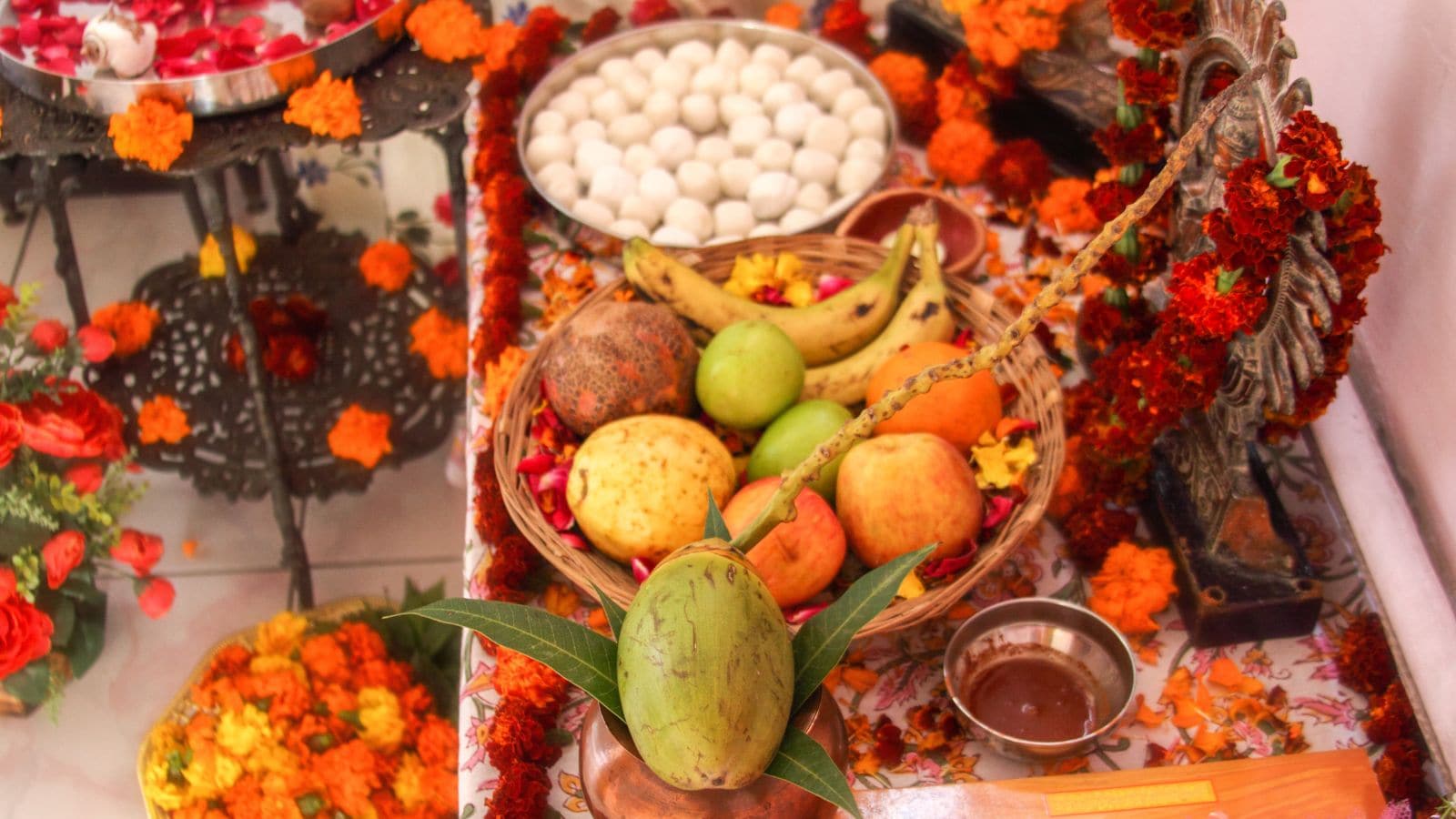
Seasonal Fruits and Offerings: Alongside cooked dishes, seasonal fruits like bananas, guavas, and sugarcane are offered to Goddess Saraswati. These natural yellow and golden foods complement the festive spread, reinforcing the theme of abundance and purity. (Image: Canva)
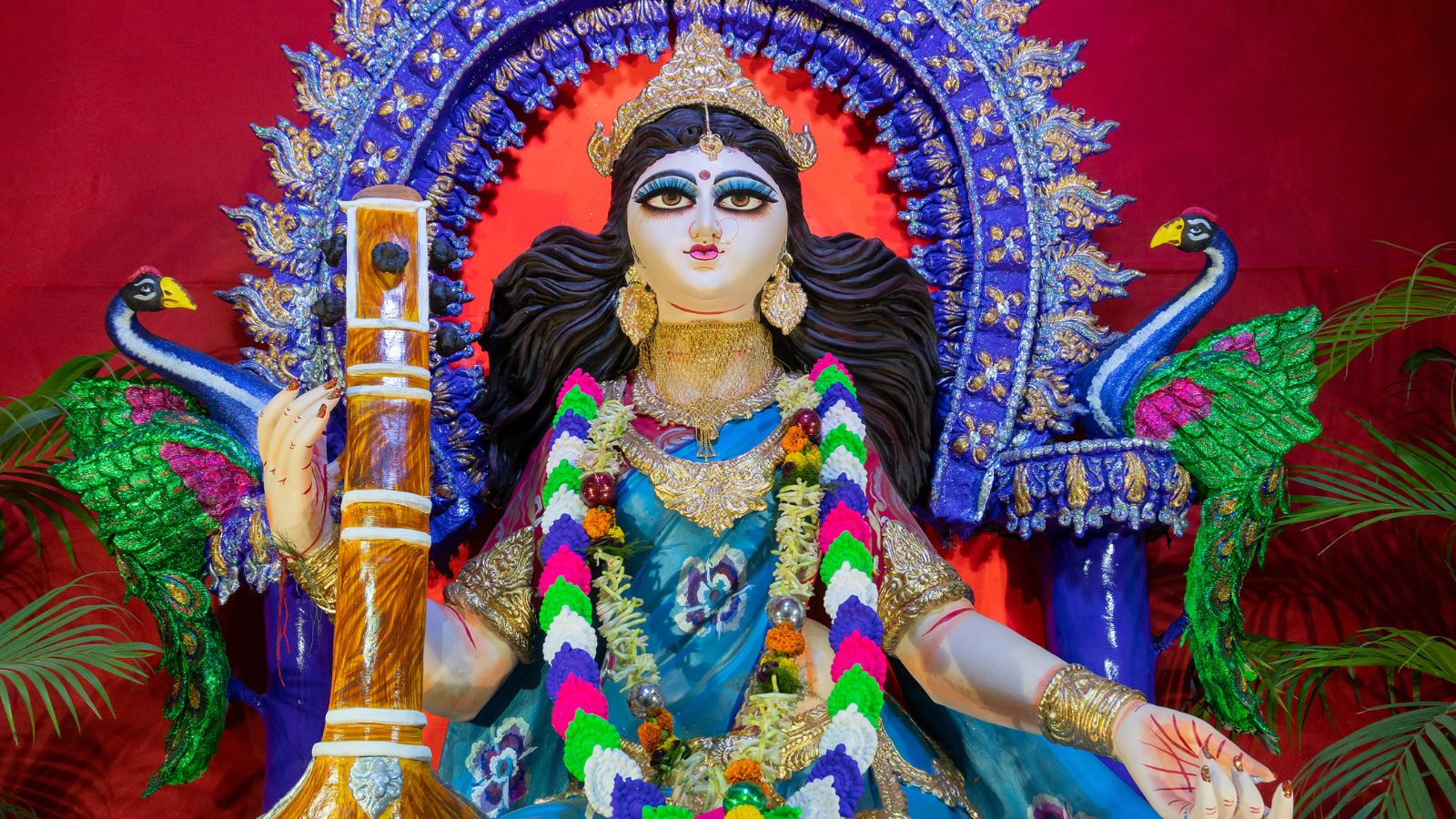
Regional Variations: Different regions of India add their own culinary touch to Basant Panchami. In Bengal, khichuri made with rice and lentils is offered to the goddess, while in Punjab, mustard-based dishes celebrate the blooming fields. In Maharashtra, saffron-infused sweets dominate, and in Bihar, turmeric rice and laddoos are common. These regional variations highlight the diversity of Indian cuisine while uniting communities under the shared symbolism of yellow. (Image: Canva)
Dining and Cooking