
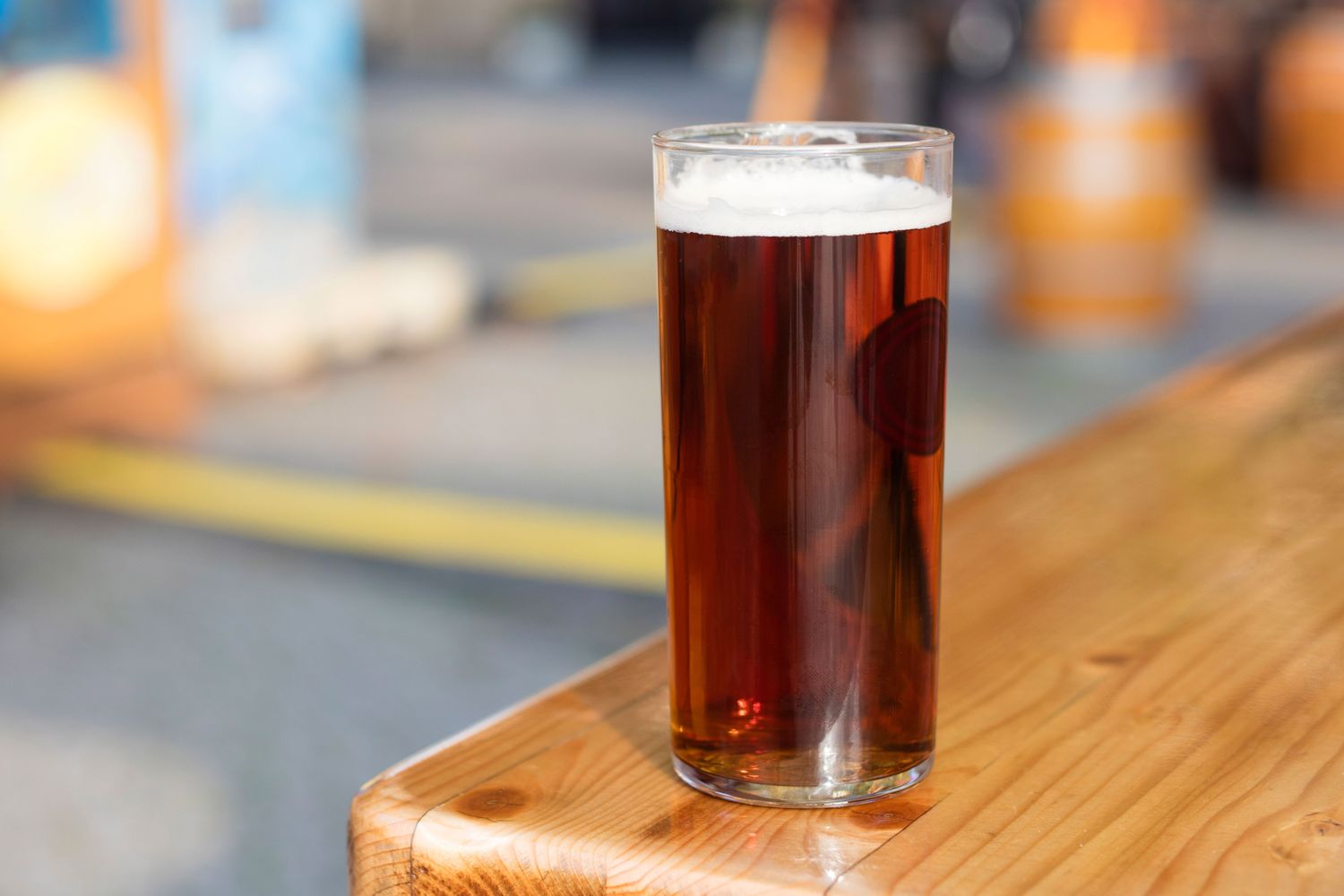
Once overshadowed by IPAs, classic lagers are reclaiming tap lists across the U.S., paving the way for nuanced, under-the-radar German styles like Altbier.A hybrid beer fermented with ale yeast but conditioned like a lager, Altbier delivers balanced malt sweetness, gentle fruitiness, and a clean, crisp finish.With its modest ABV and subtle complexity, Altbier pairs beautifully with everything from sausages and roast chicken to spicy curries and chocolate desserts.
After years of IPA stubbornly refusing to budge from its throne, we’re heading into our second or third (depending on what region of the United States you’re in) “year of the lager.” Classic German and Czech styles are taking up more space on tap lists, breweries and bars are embracing traditional brewing methods, and beer drinkers’ thirst for more crushable, refreshing beers is being quenched.
This interest in familiar styles like German Pilsners and Czech Pale lagers clear a path for more under-the-radar styles to make their way onto menus. One particularly interesting style you should get to know, especially if you want something easy-drinking but love a darker beer, is Altbier.
Don’t expect to see Altbier become ubiquitous. It’s a niche style — which makes it all the more special — that’s slowly, steadily ramping up in presence at some breweries across the country. As a traditional German style, it’s enjoying the opportunity to ride Pilsners’ and lagers’ coattails, but it deserves its own spotlight.
What is Altbier?
Altbier’s name may sound like a beer’s quirky cousin who’s into emo, but “alt” is actually German for “old,” and Altbier is a nod to the old style of brewing.
Altbier is actually a hybrid beer, like Kölsch. It’s made with top-fermenting yeast, typically fermented at warmer temperatures to produce ales. This is how beer was made before isolated, bottom-fermenting yeast was developed in the 19th century to ferment at cooler temperatures and produce lager — hence, the name alt, or old style of brewing. Brewers in the Düsseldorf region were slow to adopt those lager yeasts, but fermented their ale-yeast beers at lower temperatures. Altbier is still made this way today, slowly matured at near freezing temperatures.
Lobro78 / Getty Images
“Using ale yeast in place of lager yeast creates a different profile and drinking experience,” says Amanda Cardinali, owner and brewer at The Seed: A Living Beer Project in Atlantic City. “It produces some gentle yet fruity esters, more so than a lager and less so than a yeast-expressive ale, but the cold conditioning aids in building a crisp and clean finish that can help accentuate the moderate but important hop expression.”
Altbier is the best of both worlds, capturing some of ale’s complexity but balancing it with the smooth-drinking character of a lager.
“It’s subtly beautiful,” says Adam Wolfe, head brewer at Eckhart Beer Co. in Brooklyn. “There’s no dominating character. Everything melds together nicely. Nothing is competing.”
Cardinali agrees. “The first word that comes to mind when thinking about Altbier is ‘balance,’” she says. “It is very much a ‘brewer’s beer’ in the sense that it’s not flashy, but requires attention to detail to hit all of the proper marks.”
What does Altbier taste like?
If you enjoy the darker side of beer, from amber and brown ales to porters and stouts, you’ll appreciate the way Altbier leans into that territory but in a more approachable way — both in its flavor and mouthfeel as well as its lower ABV of 4.3-5.5%.
“It’s a little malty, a little bitter, brings an inviting color and clarity, and drinks clean but flavorful,” says Cardinali.
The variations you may find as you taste different Altbiers boil down to subtle malt notes, says Wolfe, citing two of the style’s best-known examples, both hailing from Düsseldorf. Schumacher is the oldest still-operating Altbier brewery, founded in 1838; its Altbier features graham-cracker malt qualities. Zum Uerige has been producing Altbier since 1855, and it emphasizes its hop bitterness a bit more.
Amanda Cardinali, owner and brewer, The Seed: A Living Beer Project, Atlantic City
“It’s a little malty, a little bitter, brings an inviting color and clarity, and drinks clean but flavorful.”
— Amanda Cardinali, owner and brewer, The Seed: A Living Beer Project, Atlantic City
The similarities between Altbier and darker-but-not-too-dark styles such as amber and brown ales have some American craft breweries labeling them with these more familiar terms for consumers. TailGate Brewery produces roughly 300 new beers each year to keep up with serving its nine taprooms throughout the state of Tennessee, says owner Wesley Keegan. This annual lineup includes several different Altbiers. But if you walk into a TailGate taproom, you may not see the word “Altbier” on the tap list.
“The consumer doesn’t always know what that means,” says Keegan. “We might call it a ‘German-Style Brown,’ or an ‘Old-Style Brown,’ to simplify things.” He adds that Altbier is a style that beer pros and connoisseurs love, and that it’s a great beer to train newer brewers on in order to show what they can do with yeast and how they can manipulate fermentation to different ends. Because consumers may be intimidated to order a style they don’t recognize, giving it a more accessible name gets Altbier into more hands and creates more fans.
“We’ll get people who might not know what they want to drink, but they say [they want something] like a Newcastle [brown ale],” says Keegan. “We can say, ‘Great, this is a German-style brown ale.’” TailGate’s Altbiers may also be dubbed ambers, depending on the time of year, the darkness of the malt, and how hop-forward or malty the beer is.
How is Altbier enjoyed?
While Altbier certainly brings the flavor, with its lower alcohol content and neutral approach to an ale’s malt character and hop bitterness, it’s crafted to allow the imbiber to focus on present company and conversation.
“It’s a community-designed beer,” says Wolfe, referring to Altbier’s history in traditional German beer halls. “You’re going to meet family and friends during the week and drink this beer.”
“It is a gorgeous beer style that perfectly complements social and communal drinking,” says Cardinali, calling the style “this little embrace that brings the perfect additional warmth to laughs, conversation, and time together.” She emphasizes how special Altbier is because of its balance and ability to allow beer drinkers to be present wherever they’re enjoying it.
Altbier may also be served like Kölsch beer is. Kölsch service is a long-running German custom in which servers roam beer halls carrying kranzes, like baskets, of six-ounce stange glasses filled with cold, fresh Kölsch. When they spot an empty glass in front of a guest, they swap it out and notch the guest’s coaster so they can be tallied and charged when the guest is done. As a fellow hybrid beer designed for drinkability, Altbier can also be enjoyed this way. In Brooklyn, Eckhart has added its Altbier to its monthly Kölsch service. Wolfe calls this “the best way to experience Altbier.”
What foods does Altbier pair well with?
When it comes to enjoying Altbier alongside food, it, of course, goes hand in hand with any German dishes. Its malty notes complement the caramelization of sausages while its hop bitterness and carbonation cut through richness. The style is flavorful enough to stand up to hearty dishes but neutral enough to let food flavors shine.
“Altbier is like a Gamay or Pinot,” says Fred Maurer, Eckhart’s chef. “It’s got a little bit of fruitiness, but it’s lean and tight, so it’s nice to drink with richer or lighter food; it can run the gamut. Its lighter, fruity notes pair well with a lighter salad, but it’s also a very easy match for roast chicken.” Maurer adds that for any game birds, Altbier can cut through and stand up to fattiness — and the beer pivots to pair beautifully with desserts like chocolate mousse.
Fred Maurer, chef, Eckhart Beer Co., Brooklyn
“[Altbier’s] lighter, fruity notes pair well with a lighter salad, but it’s also a very easy match for roast chicken.”
— Fred Maurer, chef, Eckhart Beer Co., Brooklyn
Understated but malty beers are known to work well with spicy dishes as they balance the heat without erasing the flavor. For that reason, Altbier is delicious with curries and, naturally, German currywurst. That’s a favorite pairing for Cardinali, who also likes Altbier with nuttier cheeses like Comté and aged Gouda.
Altbier may have been ignored by nearly all but the most German tradition-focused American craft breweries for decades, but the current wave of appreciation for historic styles and easier-drinking beers has allowed more brewers who appreciate this hybrid beer’s nuances to show it off to their customers, whether they actually call it Altbier or not.
“Altbier is a great example of a beer that makes you notice how bitterness, malt, and time interact,” says Cardinali. “It is the perfect beer to have a few with friends. With an American culinary culture so generally focused on over-the-top flavor, the resurgence of Altbier may simply be waiting for people to rediscover the pleasures of balance and the simple things again.”
Dining and Cooking